Gruber Joshua B, Wang Weize, Quittner Alexandra, Salyakina Daria, McCafferty-Fernandez Jennifer
Research Analytics and Data, Nicklaus Children's Hospital , Miami, Florida.
Popul Health Manag. 2019 Feb;22(1):25-31. doi: 10.1089/pop.2018.0049. Epub 2018 Jun 19.
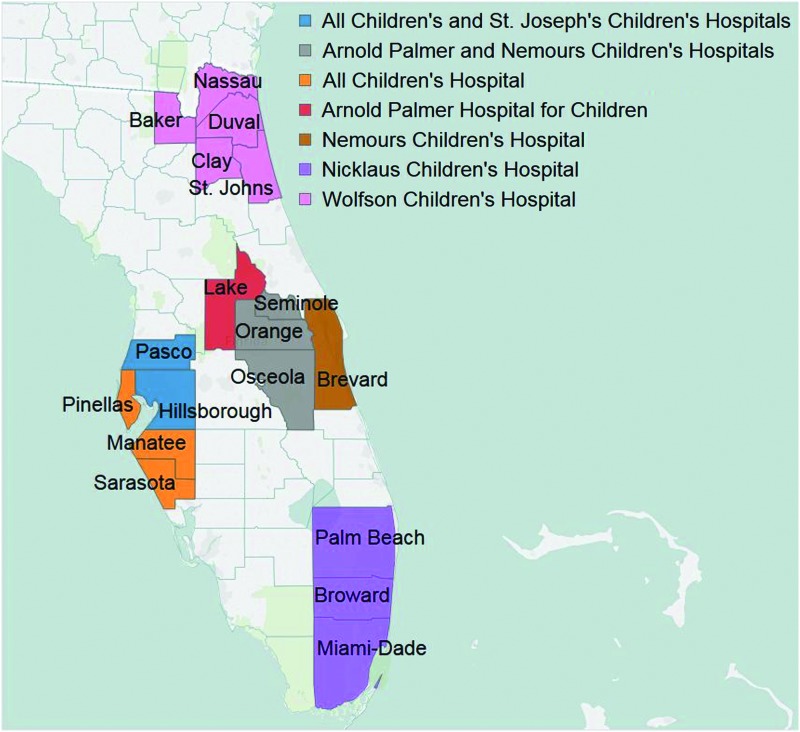
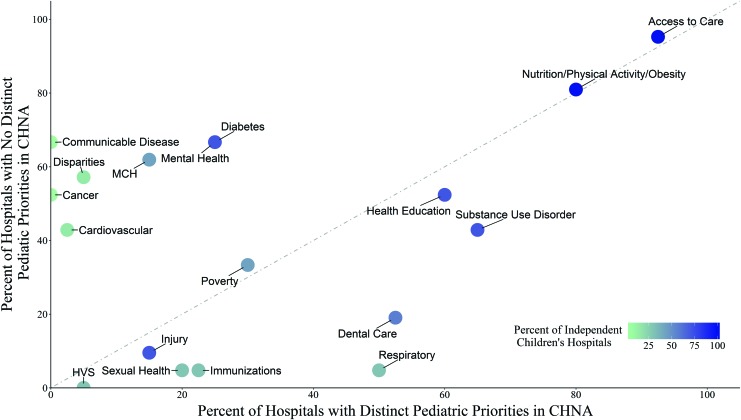
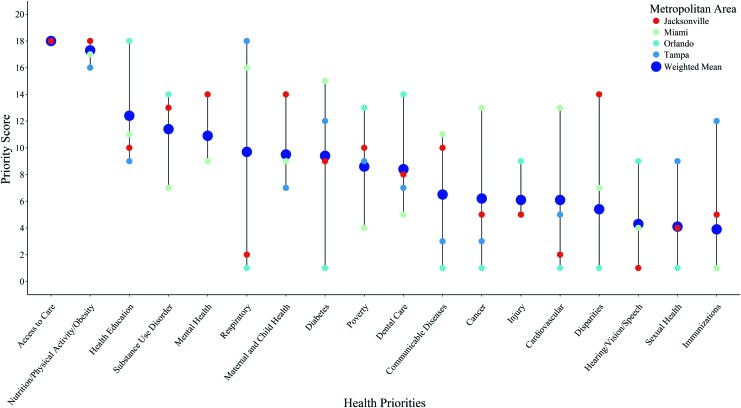
Currently, Community Health Needs Assessment (CHNA) reports lack a standard structure, making it difficult to derive meaningful information. However, they have the potential to be a useful tool for analyzing pediatric outcomes, guiding resource allocation, and linking to Patient-Centered Outcomes Research Institute priorities. The objective was to evaluate the utility of CHNA for informing future pediatric, patient-centered outcomes research. The authors analyzed CHNA documents, published before July 1, 2016 by 61 nonprofit hospitals, focusing on 4 metropolitan areas in Florida: Miami, Orlando, Tampa, and Jacksonville. Out of 18 health priorities identified, access to care and obesity were universally recognized as the most urgent pediatric health needs across all hospital types and metropolitan regions. This analysis also yielded insights into key regional differences. The authors advocate that a major change in the CHNA format be implemented using a common set of domains to produce meaningful, interpretable, and comparable results that inform and guide patient-centered health outcomes research.
目前,社区健康需求评估(CHNA)报告缺乏标准结构,难以从中获取有意义的信息。然而,它们有潜力成为分析儿科结局、指导资源分配以及与以患者为中心的结局研究所优先事项相联系的有用工具。其目的是评估CHNA在为未来以患者为中心的儿科结局研究提供信息方面的效用。作者分析了61家非营利性医院在2016年7月1日前发布的CHNA文件,重点关注佛罗里达州的4个大都市地区:迈阿密、奥兰多、坦帕和杰克逊维尔。在确定的18项健康优先事项中,获得医疗服务和肥胖被普遍认为是所有医院类型和大都市地区最紧迫的儿科健康需求。该分析还揭示了关键的地区差异。作者主张,应采用一套通用的领域来实施CHNA格式的重大变革,以产生有意义、可解释且可比的结果,为以患者为中心的健康结局研究提供信息并加以指导。