Liang Bowen, Gao Tengteng, Zhao Qi, Ma Changqing, Chen Qi, Wei Zhiwei, Li Cuiying, Li Chao, Ma Fengwang
State Key Laboratory of Crop Stress Biology for Arid Areas, Shaanxi Key Laboratory of Apple, College of Horticulture, Northwest A&F University, Yangling, China.
Front Plant Sci. 2018 Jun 5;9:755. doi: 10.3389/fpls.2018.00755. eCollection 2018.
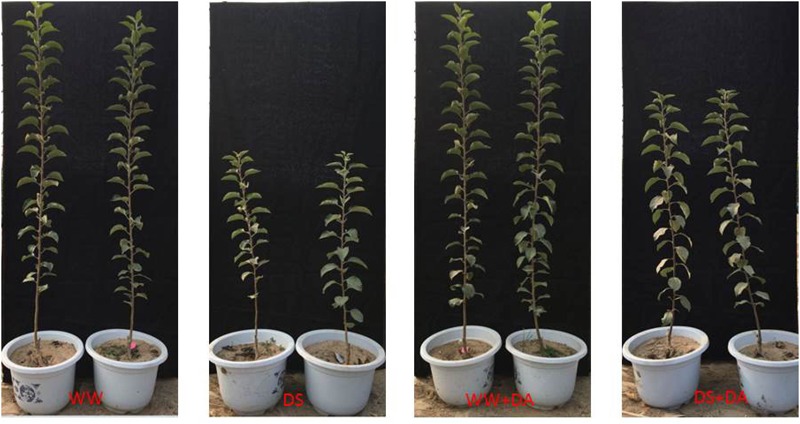
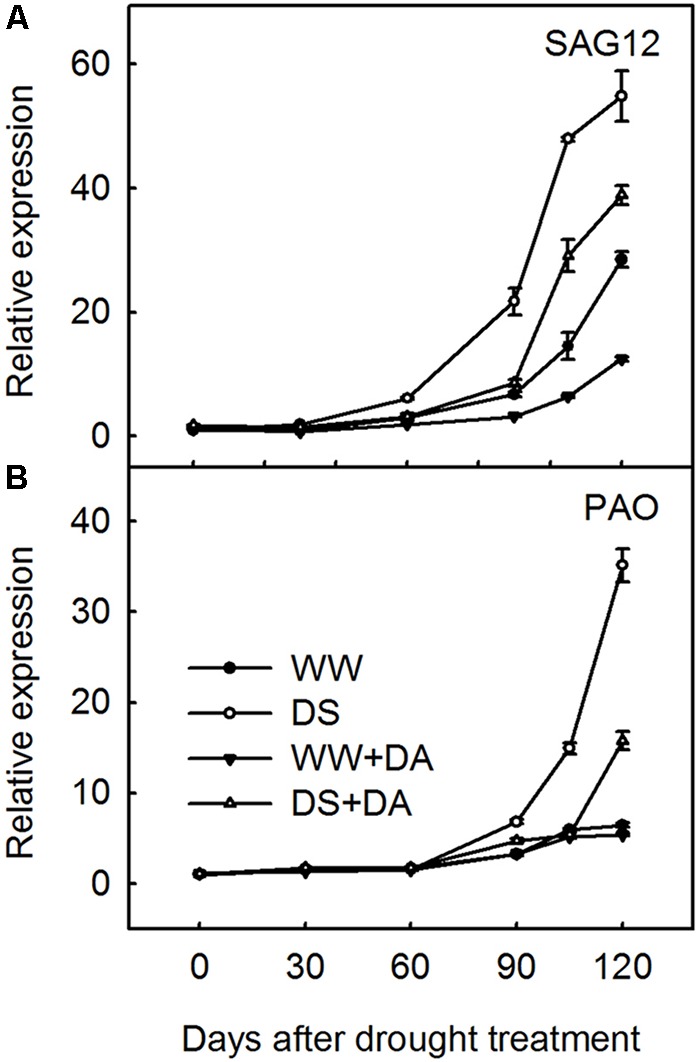
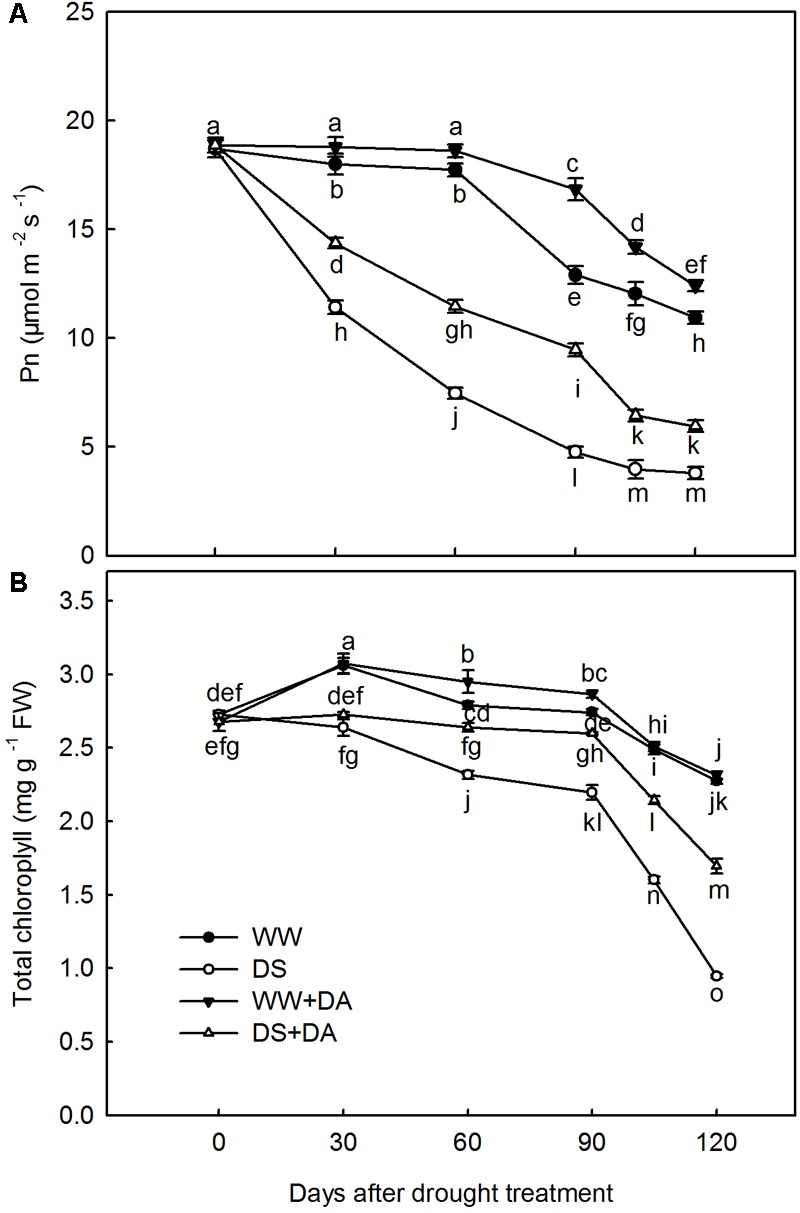
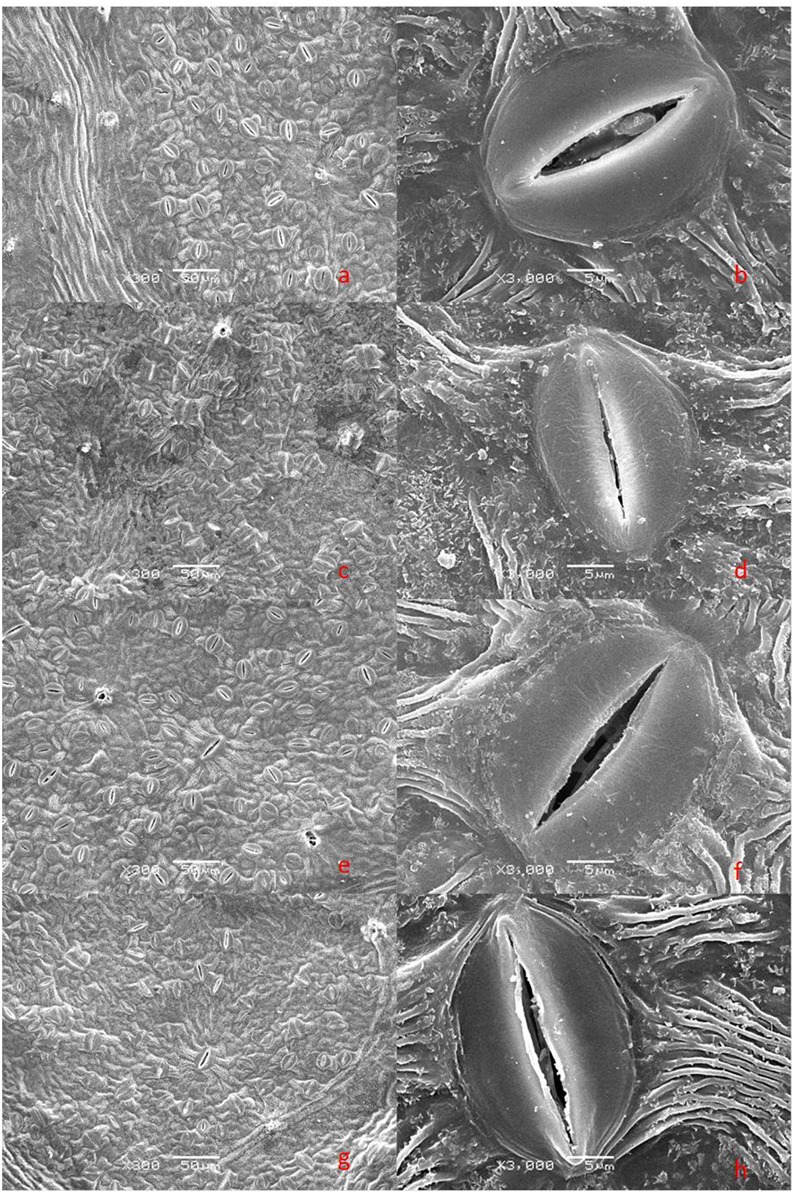
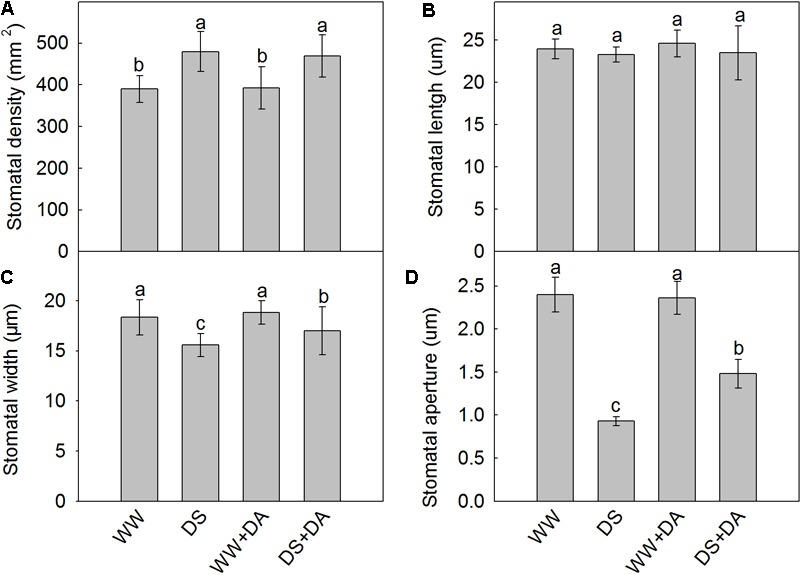
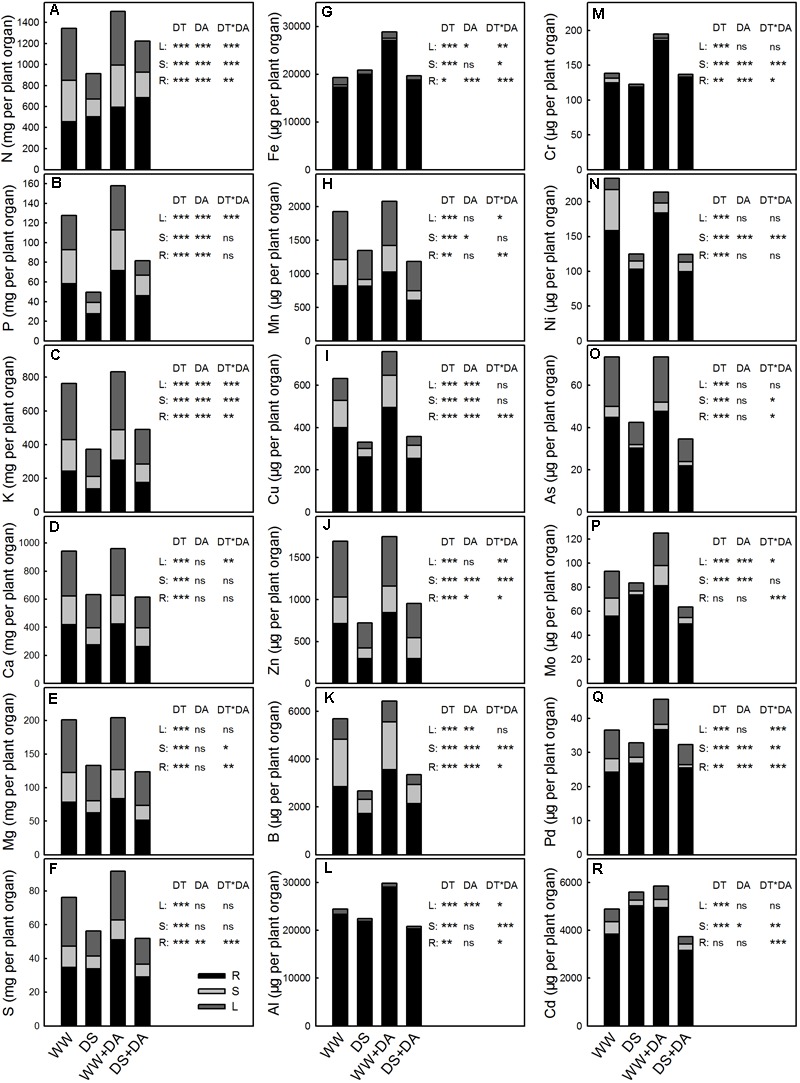
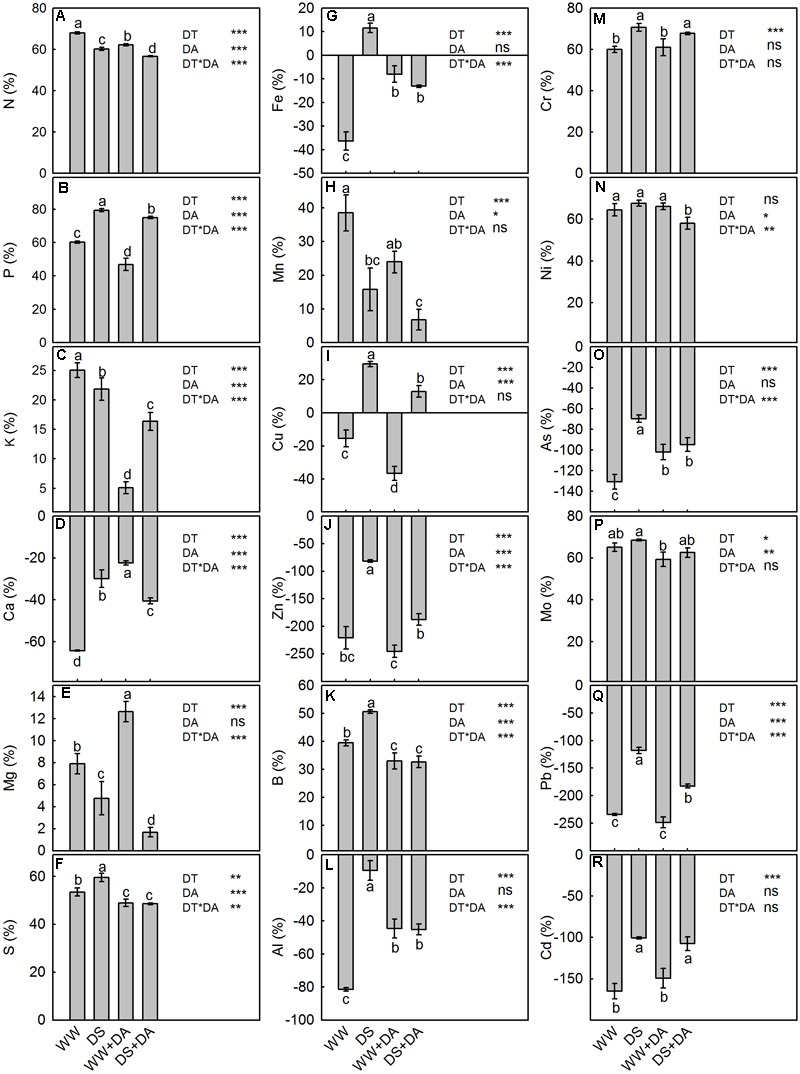
The frequency and intensity of water deficits is expected to increase because of global warming. Drought stress is often one of the most limiting factors for plant growth. We conducted greenhouse pot experiments to address how dopamine affects the drought-resistance traits of apple trees at the physiological and molecular levels. Our factorial design consisted of dopamine and no-dopamine applications combined with well-watered and moderate-drought conditions. Seedling biomass, photosynthesis rates, chlorophyll concentrations, and stomatal apertures were markedly reduced under stress but dopamine treatment mitigated the inhibiting effects of drought on plant growth and helped maintain strong photosynthesis, chlorophyll levels, and stomatal functioning. Concentrations of most macro-, micro-, and trace elements decreased in response to drought. This stress also diminished the uptake and transport of elements in the leaves and stems, but increased the partitioning of elements in the roots. Nutrient resorption proficiency decreased while nutrient resorption efficiency increased for most analyzed elements. Exogenous dopamine significantly increased the concentrations, uptake, and transport of nutrients under drought stress, and also altered their distribution within the whole plant. However, this molecule had a negative effect on nutrient resorption. Although transcript levels of a key chlorophyll degradation gene, , and were elevated upon drought treatment, dopamine significantly suppressed the upregulation of those genes under such stress conditions. These observations indicate that dopamine has an important anti-senescence effect that might be helpful for regulating nutrient uptake, transport, and resorption, and ultimately influencing overall plant growth. Thus, understanding the role of dopamine in drought tolerance introduces new possibilities to use this compound for agricultural purposes.
由于全球变暖,水分亏缺的频率和强度预计将会增加。干旱胁迫常常是植物生长最具限制作用的因素之一。我们进行了温室盆栽试验,以探讨多巴胺在生理和分子水平上如何影响苹果树的抗旱特性。我们的析因设计包括施用多巴胺和不施用多巴胺,并结合充分浇水和中度干旱条件。在胁迫条件下,幼苗生物量、光合速率、叶绿素浓度和气孔开度均显著降低,但多巴胺处理减轻了干旱对植物生长的抑制作用,并有助于维持较强的光合作用、叶绿素水平和气孔功能。响应干旱,大多数大量、微量和痕量元素的浓度均下降。这种胁迫还减少了叶片和茎中元素的吸收和运输,但增加了根中元素的分配。对于大多数分析元素而言,养分再吸收熟练度降低,而养分再吸收效率提高。外源多巴胺显著增加了干旱胁迫下养分的浓度、吸收和运输,并且还改变了它们在整株植物中的分布。然而,这种分子对养分再吸收有负面影响。尽管干旱处理后关键叶绿素降解基因、和的转录水平升高,但多巴胺在这种胁迫条件下显著抑制了这些基因的上调。这些观察结果表明,多巴胺具有重要的抗衰老作用,这可能有助于调节养分的吸收、运输和再吸收,并最终影响植物的整体生长。因此,了解多巴胺在耐旱性中的作用为将该化合物用于农业目的带来了新的可能性。