Department of Physiology, Center of Physiology and Pharmacology and Comprehensive Cancer Center (CCC), Medical University of Vienna, AT-1090 Vienna, Austria.
Ludwig Boltzmann Institute for Cancer Research, AT-1090 Vienna, Austria.
Sci Transl Med. 2018 Jun 20;10(446). doi: 10.1126/scitranslmed.aao2301.
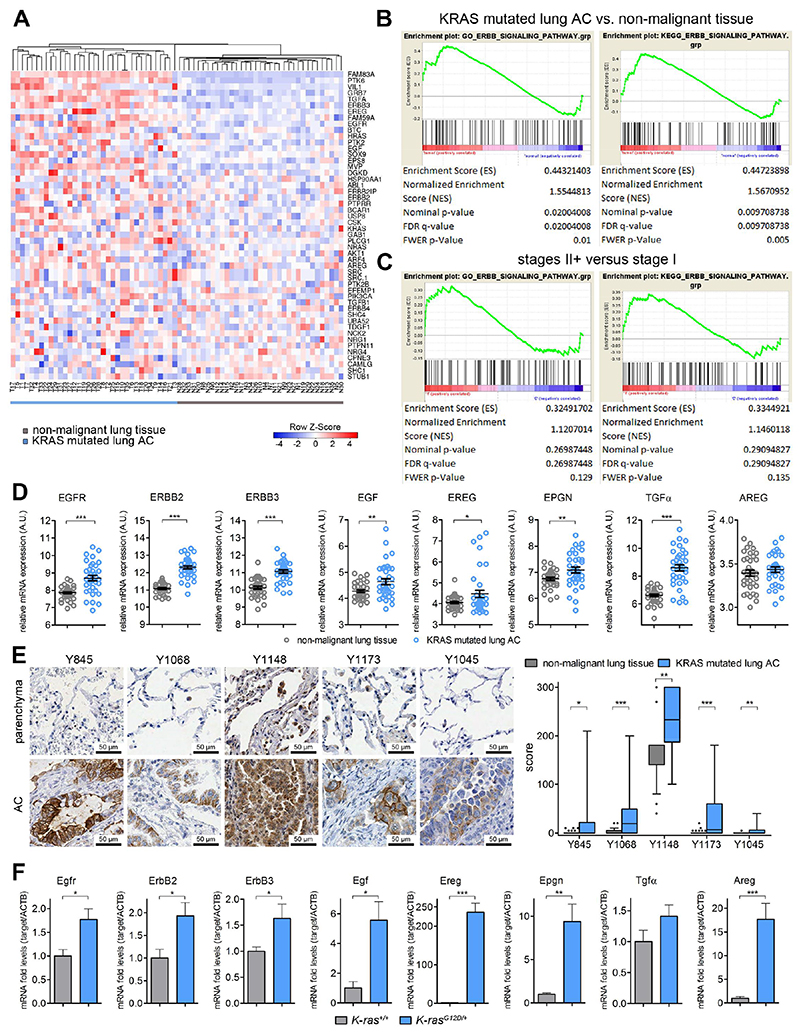
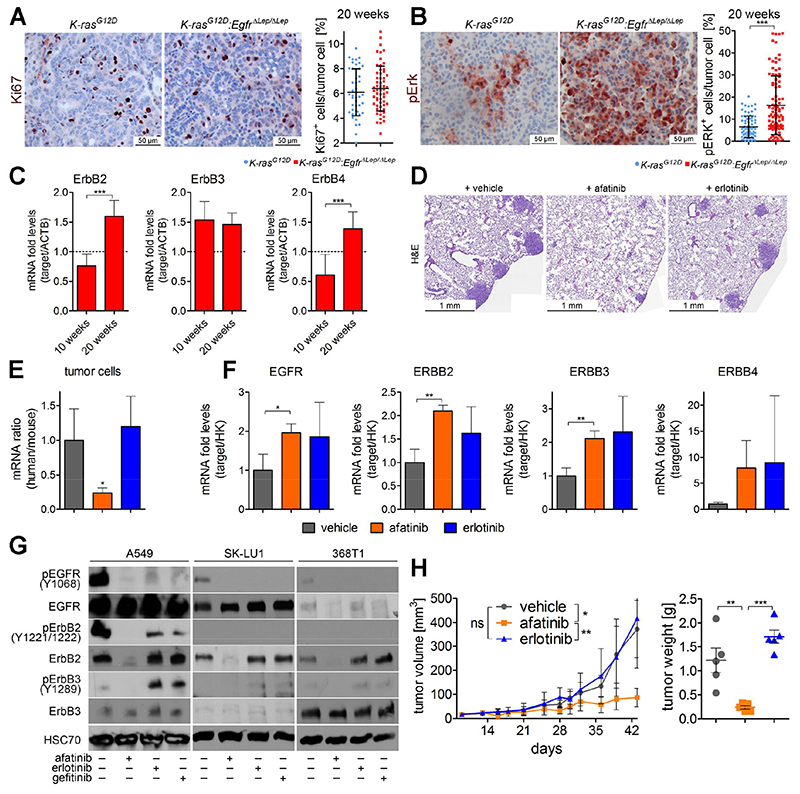
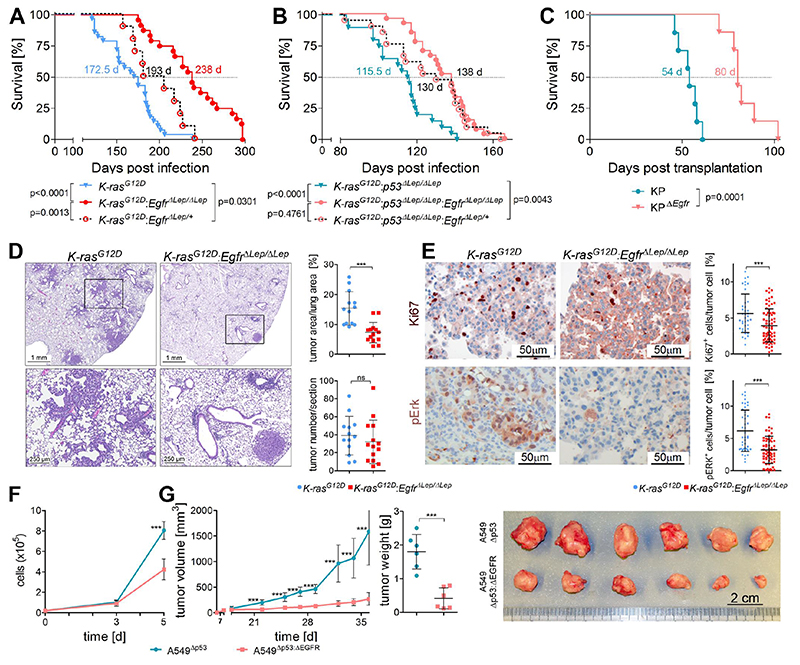
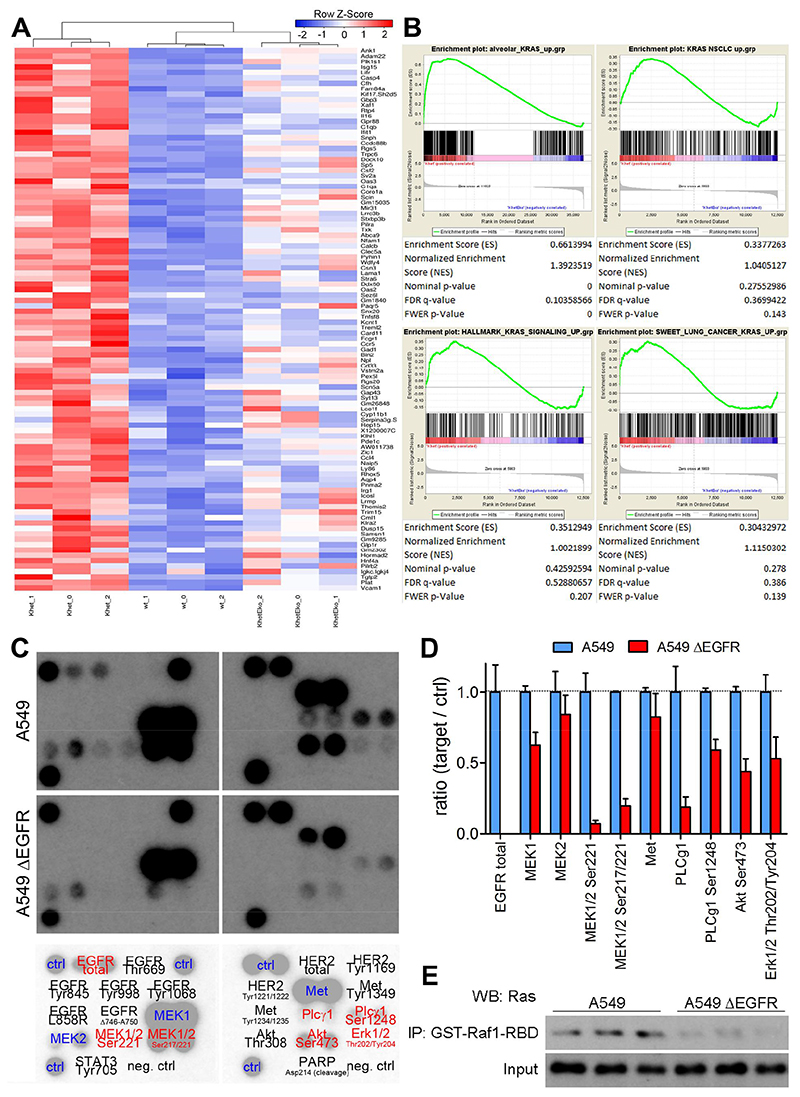
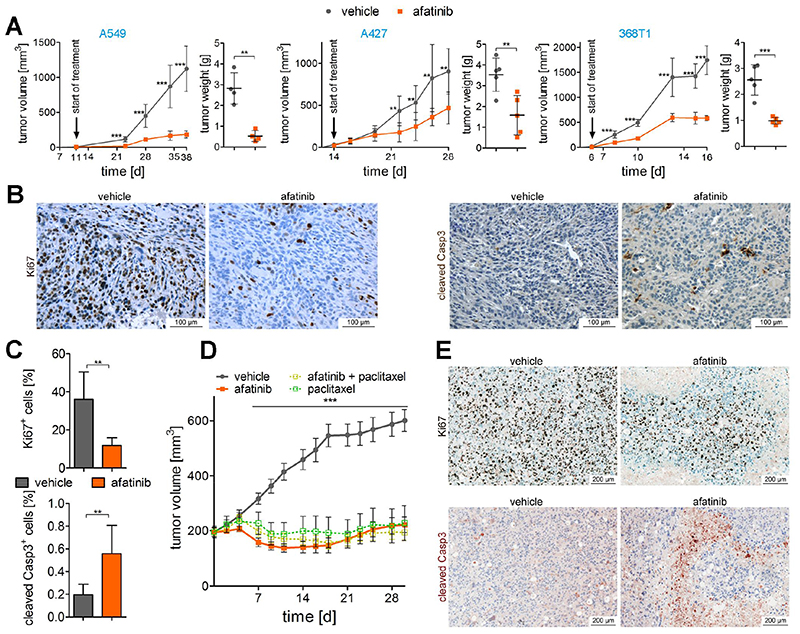
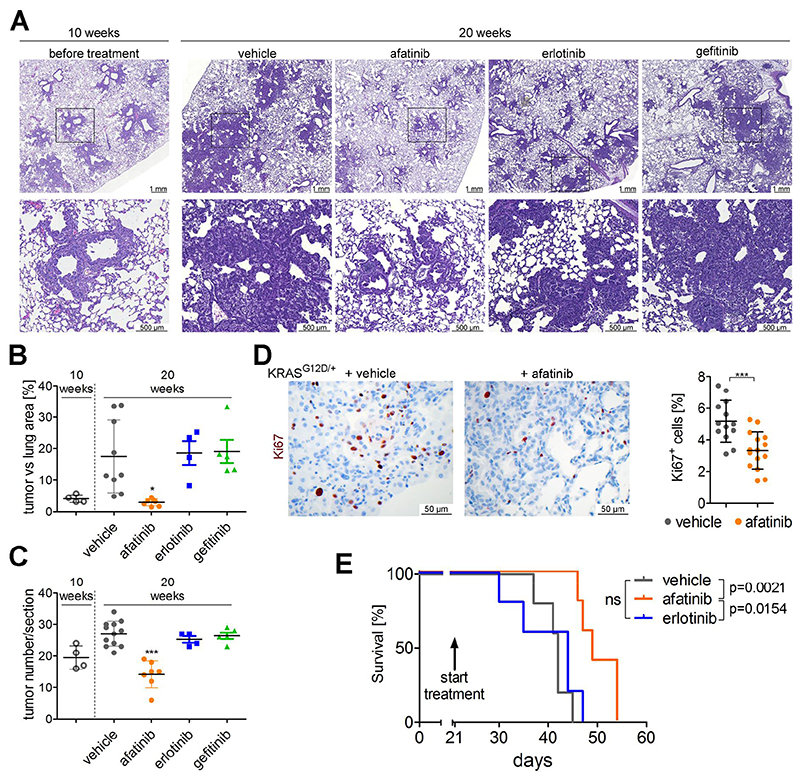
On the basis of clinical trials using first-generation epidermal growth factor receptor (EGFR) tyrosine kinase inhibitors (TKIs), it became a doctrine that V-Ki-ras2 Kirsten rat sarcoma viral oncogene homolog () mutations drive resistance to EGFR inhibition in non-small cell lung cancer (NSCLC). Conversely, we provide evidence that EGFR signaling is engaged in K-RAS-driven lung tumorigenesis in humans and in mice. Specifically, genetic mouse models revealed that deletion of quenches mutant K-RAS activity and transiently reduces tumor growth. However, EGFR inhibition initiates a rapid resistance mechanism involving non-EGFR ERBB family members. This tumor escape mechanism clarifies the disappointing outcome of first-generation TKIs and suggests high therapeutic potential of pan-ERBB inhibitors. On the basis of various experimental models including genetically engineered mouse models, patient-derived and cell line-derived xenografts, and in vitro experiments, we demonstrate that the U.S. Food and Drug Administration-approved pan-ERBB inhibitor afatinib effectively impairs K-RAS-driven lung tumorigenesis. Our data support reconsidering the use of pan-ERBB inhibition in clinical trials to treat -mutated NSCLC.
基于使用第一代表皮生长因子受体 (EGFR) 酪氨酸激酶抑制剂 (TKI) 的临床试验,出现了一种学说,即 V-Ki-ras2 Kirsten 大鼠肉瘤病毒致癌基因同源物 () 突变会导致非小细胞肺癌 (NSCLC) 对 EGFR 抑制产生耐药性。相反,我们提供的证据表明,EGFR 信号参与了人类和小鼠中 K-RAS 驱动的肺肿瘤发生。具体而言,遗传小鼠模型表明,缺失 可抑制突变 K-RAS 的活性并暂时降低肿瘤生长。然而,EGFR 抑制会引发一种快速的耐药机制,涉及非 EGFR ERBB 家族成员。这种肿瘤逃逸机制阐明了第一代 TKI 令人失望的结果,并表明泛 ERBB 抑制剂具有很高的治疗潜力。基于包括基因工程小鼠模型、患者来源和细胞系衍生的异种移植物以及体外实验在内的各种实验模型,我们证明美国食品和药物管理局批准的泛 ERBB 抑制剂阿法替尼可有效抑制 K-RAS 驱动的肺肿瘤发生。我们的数据支持重新考虑在临床试验中使用泛 ERBB 抑制来治疗 - 突变型 NSCLC。