Moore John P R, Anstey Chris, Murray Lauren, Fraser John F, Singer Mervyn
Sunshine Coast University Hospital, Birtinya, QLD, 4575, Australia.
The School of Medicine, The University of Queensland, 288 Herston Road, Herston, Brisbane, QLD, Australia.
Intensive Care Med Exp. 2018 Jun 20;6(1):13. doi: 10.1186/s40635-018-0179-0.
A dysregulated stress response has been implicated in the pathogenesis of critical illness. Sedative agents utilised in the critically unwell patient may impact upon the stress response with a downstream negative effect on multiple organ systems. This study was designed to assess the feasibility of investigating components of the stress response as a sub-study of the current SPICE-III study (NCT01728558).
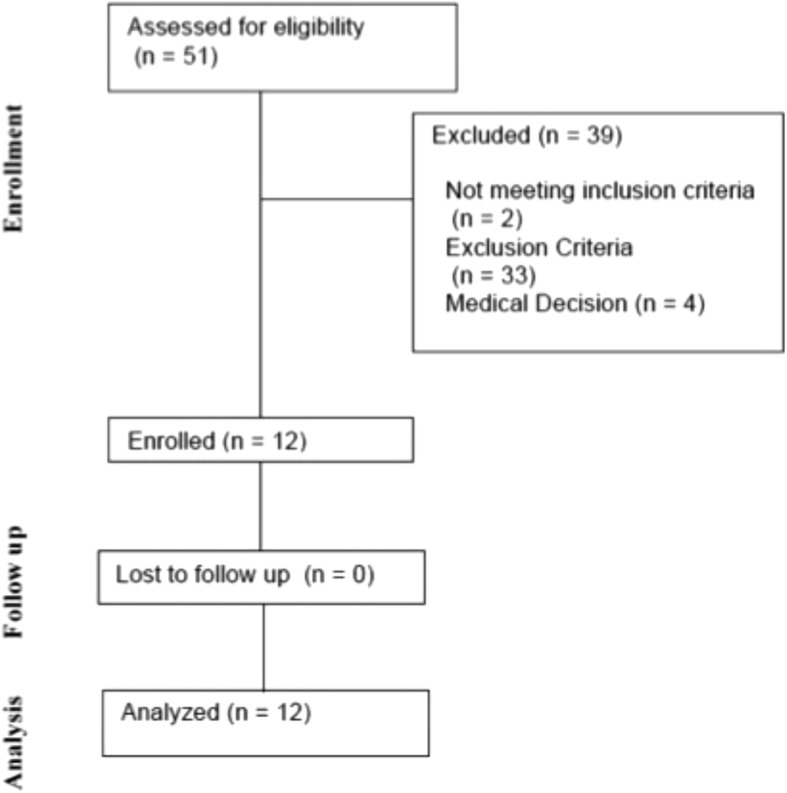
This pilot observational cohort study was conducted in a single intensive care unit in Queensland, Australia. Enrolled patients were over 18 years who had been commenced on mechanical ventilation requiring sedation for less than 12 h but expected to remain ventilated for > 24 h. Blood samples were taken at 12 h intervals over a 5-day period commencing at the time of enrolment, and subsequently tested for various markers of key efferent limbs of the stress axis.
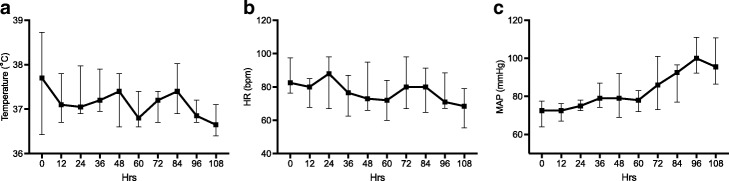
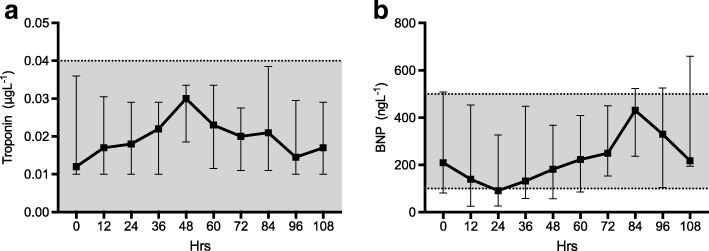
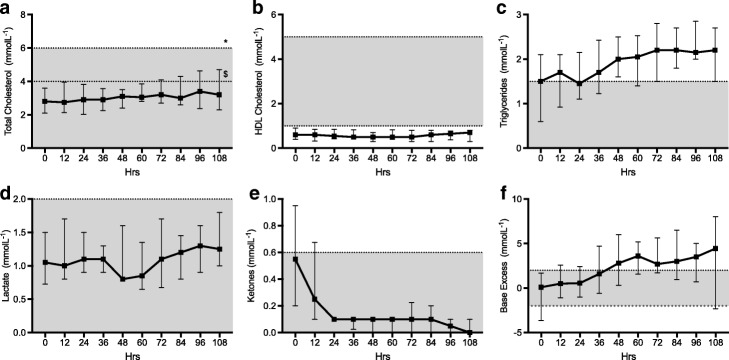
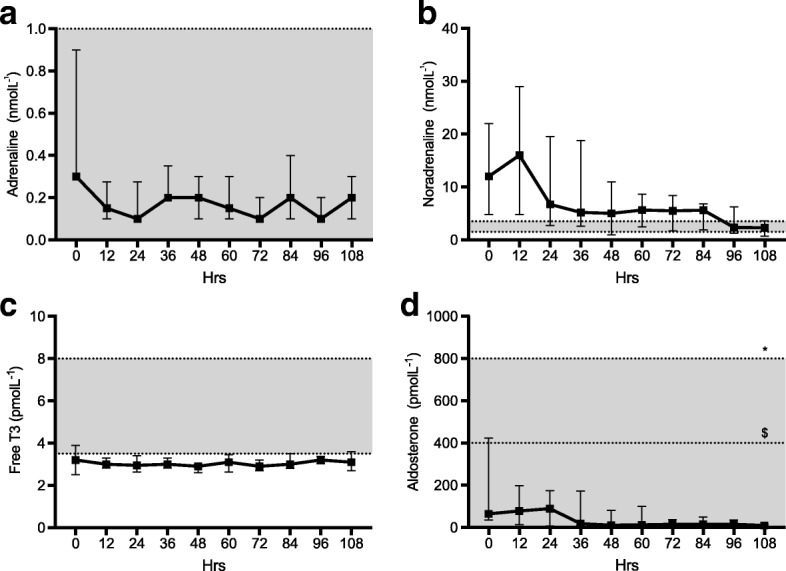
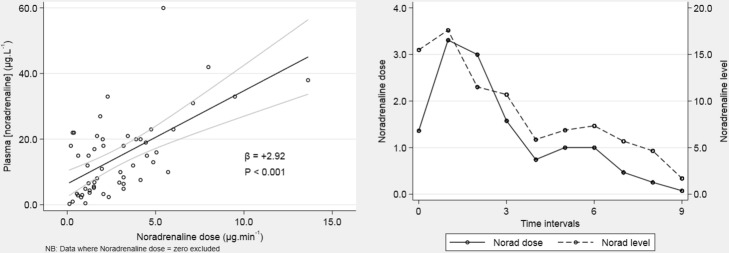
The 12 patients recruited closely mirrored the population within the pilot study used to design SPICE-III. Eighty-nine percent (107/120) of all planned blood samples were obtained and drawn within 0 h (0-0.3) of the planned sampling time point. Time from eligibility to enrolment was a median (IQR) 1.4 h (0.36-9.19), and time from eligibility to the first blood sample was 4.79 h (2.0-10.61). Physiological, hormonal, metabolic and cardiac biomarkers were consistent with an elevated stress response at baseline which mostly normalised over the 5-day study period. Plasma noradrenaline levels correlated with the dose of norepinephrine used.
A larger sub-study of the SPICE-III study is feasible. The study has demonstrated a predictable trend of variation of the components of the blood panel during the evolution of critical illness and supports multiple sampling time points for the follow-up study.
ANZCTR.org.au , ACTRN12616001200471, Registered on 22 January 2016.
应激反应失调与危重病的发病机制有关。用于危重症患者的镇静剂可能会影响应激反应,进而对多个器官系统产生下游负面影响。本研究旨在评估作为当前SPICE-III研究(NCT01728558)子研究调查应激反应组成部分的可行性。
这项前瞻性观察性队列研究在澳大利亚昆士兰州的一个重症监护病房进行。入选患者年龄超过18岁,已开始机械通气且需要镇静少于12小时,但预计机械通气时间>24小时。从入组时开始,在5天内每隔12小时采集血样,随后检测应激轴关键传出支的各种标志物。
招募的12名患者与用于设计SPICE-III的初步研究中的人群密切匹配。所有计划血样的89%(107/120)在计划采样时间点的0小时(0 - 0.3)内采集。从符合条件到入组的时间中位数(IQR)为1.4小时(0.36 - 9.19),从符合条件到采集第一份血样的时间为4.79小时(2.0 - 10.61)。生理、激素、代谢和心脏生物标志物在基线时与应激反应升高一致,在5天研究期间大多恢复正常。血浆去甲肾上腺素水平与使用的去甲肾上腺素剂量相关。
对SPICE-III研究进行更大规模的子研究是可行的。该研究已证明在危重病发展过程中血液检测指标组成部分变化的可预测趋势,并支持后续研究采用多个采样时间点。
ANZCTR.org.au,ACTRN12616001200471,于2016年1月22日注册。