Kazemi Mohammad, Khosravian Farinaz, Sameti Amir Abbas, Moafi Alireza, Merasi Mohammad Reza, Salehi Mansour, Nejati Majid, Behjati Mohaddeseh
Department of Genetics and Molecular Biology, School of Medicine, Isfahan University of Medical Sciences, Isfahan, Iran.
Pediatric Inherited Diseases Research Center, Research Institute for Primordial Prevention of Non-Communicable Disease, Isfahan University of Medical Sciences, Isfahan, Iran.
Int J Hematol Oncol Stem Cell Res. 2018 Jan 1;12(1):49-56.
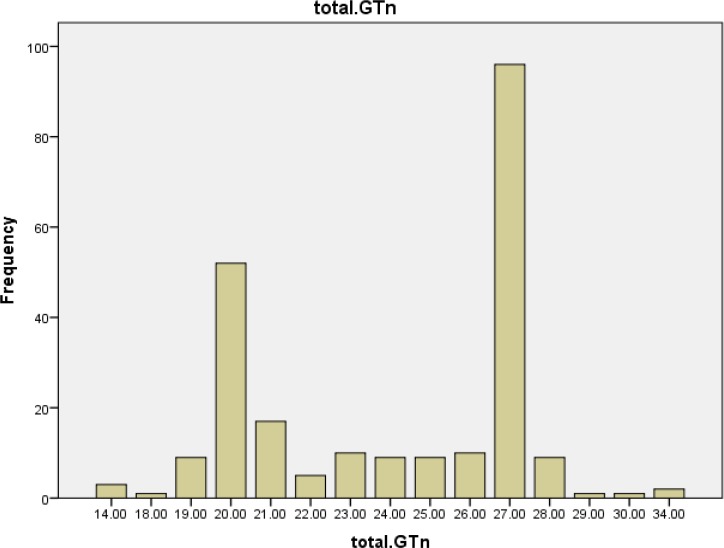
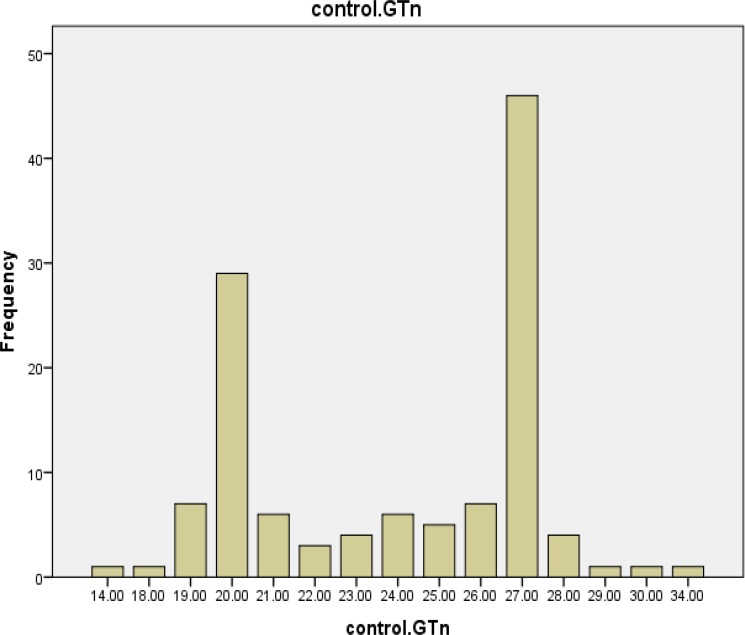
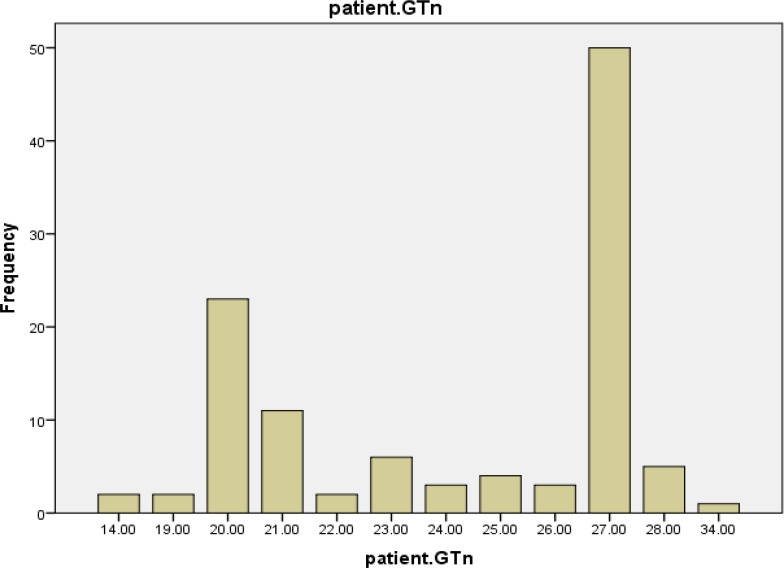
Acute leukemia is a common pediatric cancer. Novel strategies for treatment of acute leukemia have been developed, but treatment resistance is remained as the most problematic issue. It is hypothesized that the gene up-regulation is responsible for tumor resistance to chemotherapy or radiotherapy-induced apoptosis. The levels of expression are related to (GT) microsatellite polymorphisms in the location of its promoter. This study designed to compare allelic frequencies of (GT) microsatellite polymorphisms in gene between acute leukemia patients and healthy controls. Indeed, 3-year disease-free survival was also evaluated. Sixty-three patients with acute leukemia and seventy healthy infants were included in this study. We used the medical records of patients to collect information about survival after chemotherapy. The number of GT repeats in promoter was determined by an ABI 3100 sequencer. The GT repeats ranged from 14 to 34 with peaks at 27 repeats in both cases and controls. Children with longer alleles ((GT) ≥ 27) had enhanced 3-year survival rate after treatment with chemotherapy or radiotherapy (P<0.05). Although no significant differences were observed between leukemia patients and controls regarding allelic frequency, we found elevated frequency of "LL" genotype in leukemia patients with good prognosis and 3-year surveillance. Radiotherapy and chemotherapy might elevate the expression levels of with subsequent increased resistance of leukemia patients to therapy.
急性白血病是一种常见的儿童癌症。治疗急性白血病的新策略已被开发出来,但治疗耐药性仍然是最棘手的问题。据推测,该基因上调是肿瘤对化疗或放疗诱导凋亡产生耐药性的原因。其表达水平与启动子区域的(GT)微卫星多态性有关。本研究旨在比较急性白血病患者和健康对照者中该基因(GT)微卫星多态性的等位基因频率。事实上,还评估了3年无病生存率。本研究纳入了63例急性白血病患者和70例健康婴儿。我们利用患者的病历收集化疗后生存情况的信息。通过ABI 3100测序仪确定启动子中GT重复序列的数量。在病例组和对照组中,GT重复序列的范围为14至34,峰值为27次重复。等位基因较长((GT)≥27)的儿童在接受化疗或放疗后3年生存率提高(P<0.05)。虽然在等位基因频率方面白血病患者与对照组之间未观察到显著差异,但我们发现在预后良好且进行了3年监测的白血病患者中“LL”基因型频率升高。放疗和化疗可能会提高该基因的表达水平,随后增加白血病患者对治疗的耐药性。