Mars, Inc., McLean, VA, USA.
Department of Nutrition, UC Davis, CA, USA.
Sci Rep. 2018 Jun 29;8(1):9859. doi: 10.1038/s41598-018-28333-w.
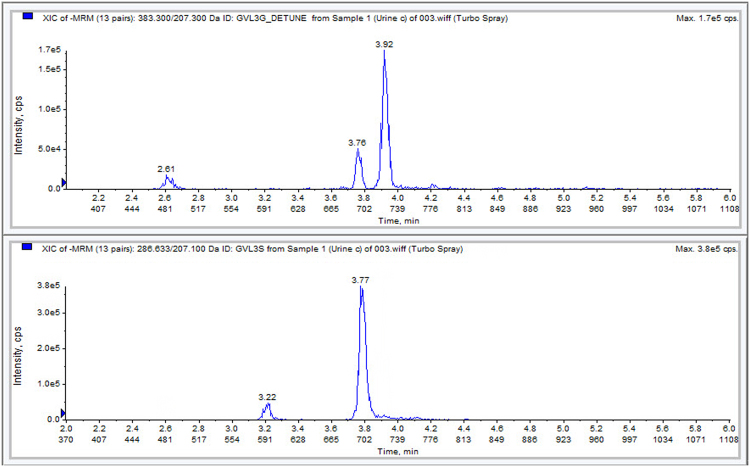
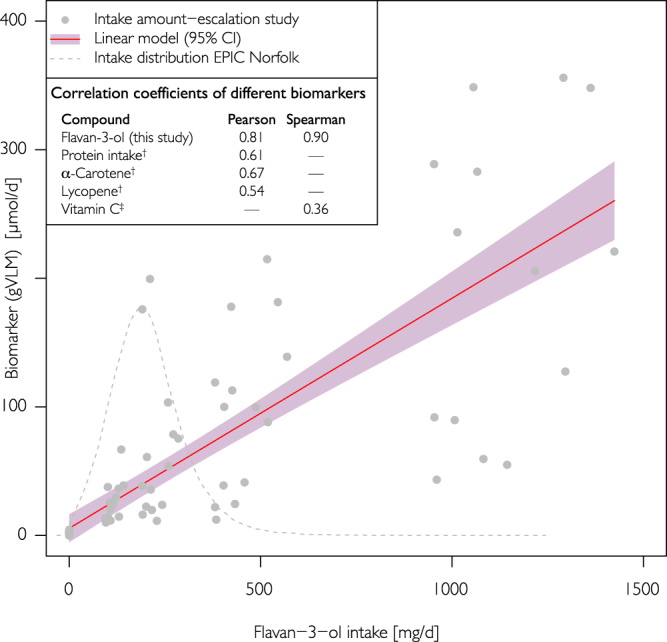
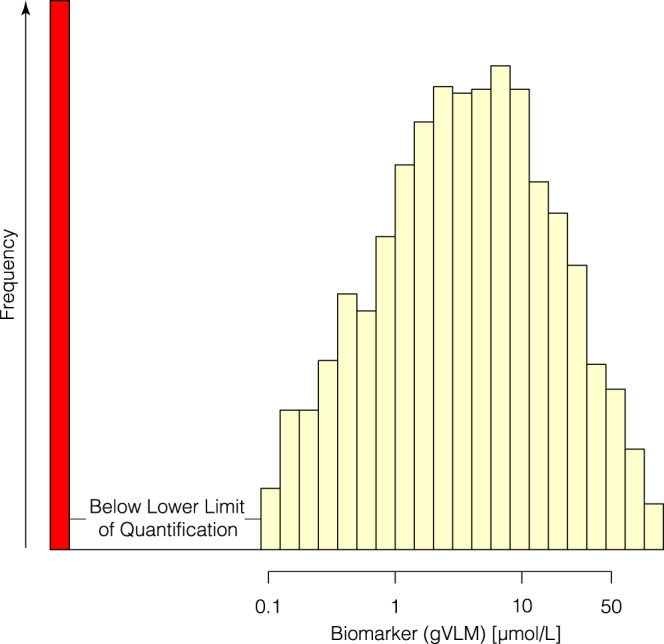
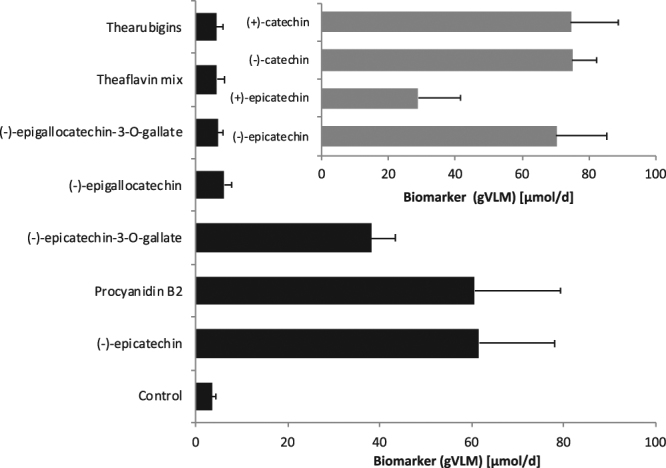
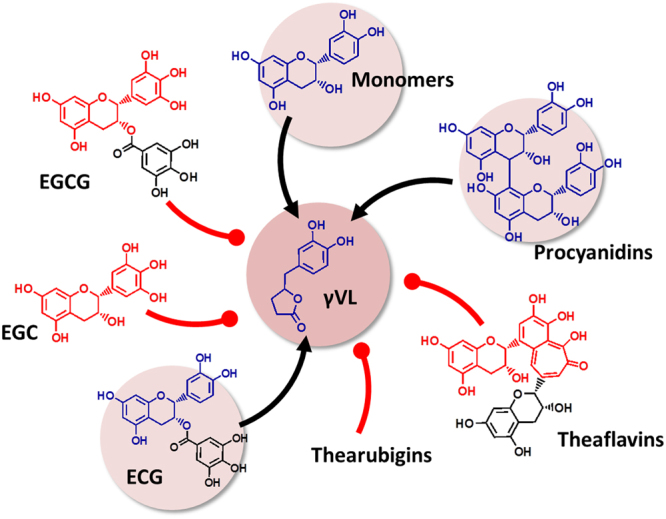
The accurate assessment of dietary intake is crucial to investigate the effect of diet on health. Currently used methods, relying on self-reporting and food composition data, are known to have limitations and might not be suitable to estimate the intake of many bioactive food components. An alternative are nutritional biomarkers, which can allow an unbiased assessment of intake. They require a careful evaluation of their suitability, including: (a) the availability of a precise, accurate and robust analytical method, (b) their specificity (c) a consistent relationship with actual intake. We have evaluated human metabolites of a microbiome-derived flavan-3-ol catabolite, 5-(3',4'-dihydroxyphenyl)-[gamma]-valerolactone (gVL), as biomarker of flavan-3-ol intake in large epidemiological studies. Flavan-3-ols are widely consumed plant bioactives, which have received considerable interest due to their potential ability to reduce CVD risk. The availability of authentic standards allowed the development of a validated high-throughput method suitable for large-scale studies. In dietary intervention studies, we could show that gVL metabolites are specific for flavan-3-ols present in tea, fruits, wine and cocoa-derived products, with a strong correlation between intake and biomarker (Spearman's r = 0.90). This biomarker will allow for the first time to estimate flavan-3-ol intake and further investigation of associations between intake and disease risk.
膳食摄入量的准确评估对于研究饮食对健康的影响至关重要。目前使用的方法,依赖于自我报告和食物成分数据,已知存在局限性,并且可能不适合估计许多生物活性食物成分的摄入量。替代方法是营养生物标志物,它可以允许对摄入量进行无偏评估。它们需要仔细评估其适用性,包括:(a)是否有精确、准确和稳健的分析方法,(b)是否具有特异性,(c)是否与实际摄入量有一致的关系。我们已经评估了微生物衍生黄烷-3-醇代谢物 5-(3',4'-二羟基苯基)-[γ]-缬草酸内酯 (gVL) 的人体代谢物作为黄烷-3-醇摄入量的生物标志物在大型流行病学研究中。黄烷-3-醇是广泛食用的植物生物活性物质,由于其降低 CVD 风险的潜在能力,受到了相当大的关注。真实标准的可用性允许开发适合大规模研究的经过验证的高通量方法。在饮食干预研究中,我们可以证明 gVL 代谢物是茶、水果、葡萄酒和可可制品中存在的黄烷-3-醇的特异性,摄入量和生物标志物之间存在很强的相关性(Spearman's r = 0.90)。这种生物标志物将首次允许估计黄烷-3-醇的摄入量,并进一步研究摄入量与疾病风险之间的关系。