Gabriel George C, Pazour Gregory J, Lo Cecilia W
Department of Developmental Biology, University of Pittsburgh School of Medicine, Pittsburgh, PA, United States.
Program in Molecular Medicine, University of Massachusetts Medical School, Worcester, MA, United States.
Front Pediatr. 2018 Jun 15;6:175. doi: 10.3389/fped.2018.00175. eCollection 2018.
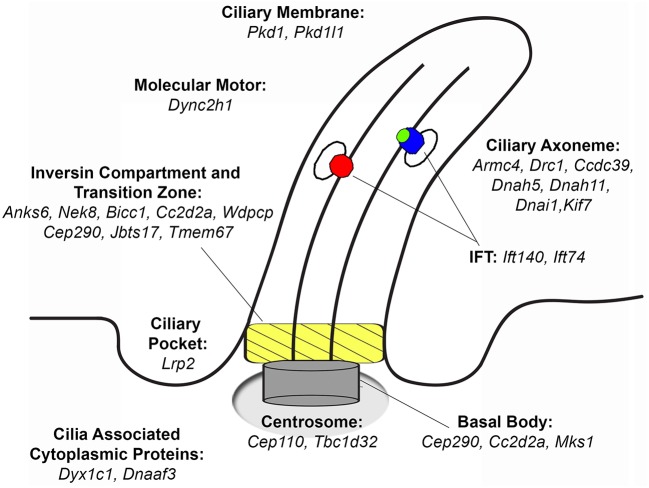
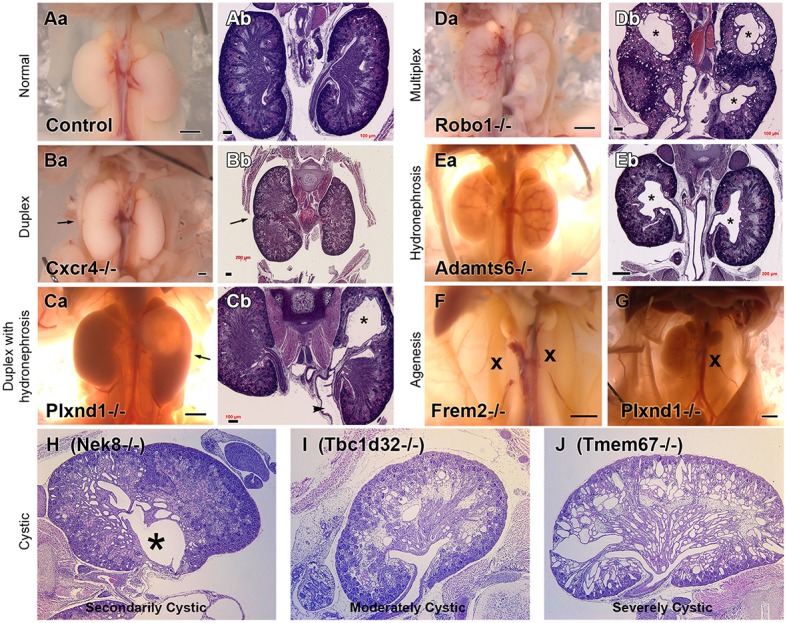
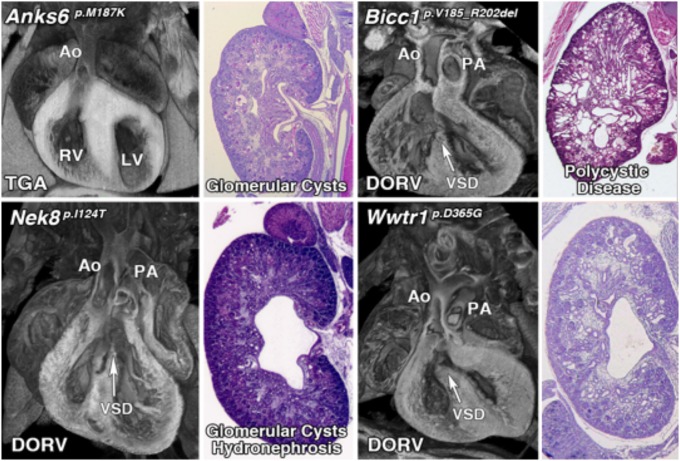
Congenital heart disease (CHD) is one of the most common birth defects, and recent studies indicate cilia-related mutations play a central role in the genetic etiology of CHD. As cilia are also known to have important roles in kidney development and disease, it is not surprising that renal anomalies were found to be enriched among CHD mutant mice recovered in a large-scale mouse forward genetic screen. Indeed 42% of mutations identified to cause both CHD and renal anomalies were cilia-related. Many of these cilia mutations comprise cilia transition zone or inversin compartment components, consistent with the known role of these cilia proteins in a wide variety of ciliopathies. The high prevalence of CHD with congenital anomalies of the kidney and urinary tract (CAKUT) observed in mice was also corroborated with clinical studies that showed 20-30% of CHD patients have renal anomalies. Together these findings suggest CHD patients may benefit from early screening for renal anomalies to allow early diagnosis and intervention to improve outcome for this vulnerable patient population.
先天性心脏病(CHD)是最常见的出生缺陷之一,最近的研究表明,与纤毛相关的突变在CHD的遗传病因中起核心作用。由于已知纤毛在肾脏发育和疾病中也起着重要作用,因此在大规模小鼠正向遗传筛选中恢复的CHD突变小鼠中发现肾脏异常富集也就不足为奇了。事实上,被鉴定出导致CHD和肾脏异常的突变中有42%与纤毛相关。这些纤毛突变中的许多都包含纤毛过渡区或倒转蛋白隔室成分,这与这些纤毛蛋白在多种纤毛病中的已知作用一致。在小鼠中观察到的CHD合并先天性肾脏和尿路异常(CAKUT)的高患病率也得到了临床研究的证实,临床研究表明20%-30%的CHD患者有肾脏异常。这些发现共同表明,CHD患者可能受益于早期肾脏异常筛查,以便早期诊断和干预,从而改善这一脆弱患者群体的预后。