Chen Qiansi, Li Meng, Wang Chen, Li Zefeng, Xu Jiayang, Zheng Qingxia, Liu Pingping, Zhou Huina
Zhengzhou Tobacco Research Institute of CNTC, Zhengzhou 450000, China.
College of Life Science and Technology, Central South University of Forestry and Technology, Changsha 410004, China.
Genes (Basel). 2018 Jul 3;9(7):335. doi: 10.3390/genes9070335.
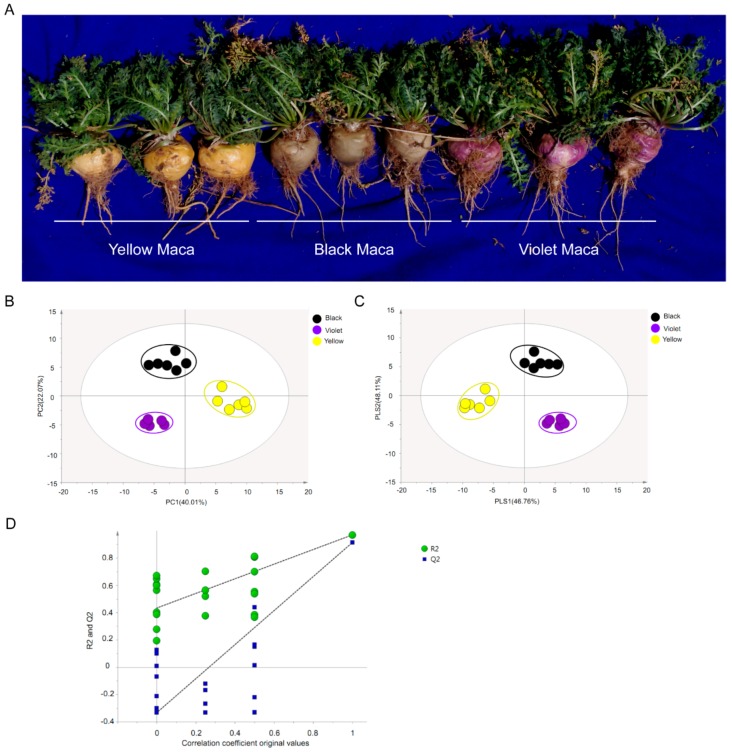
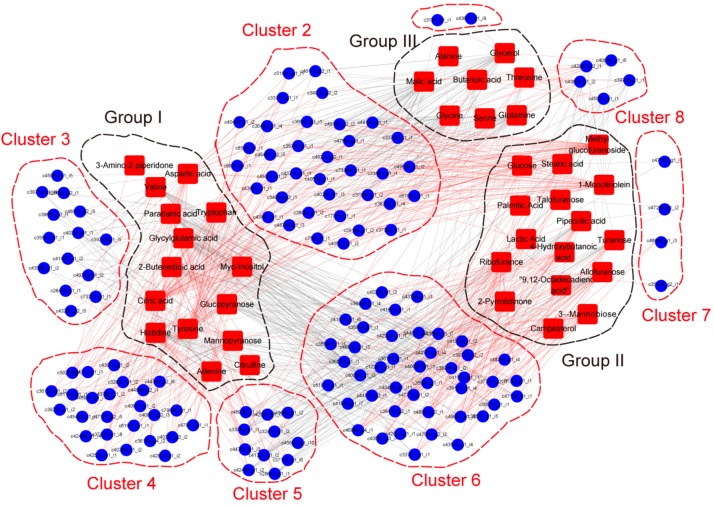
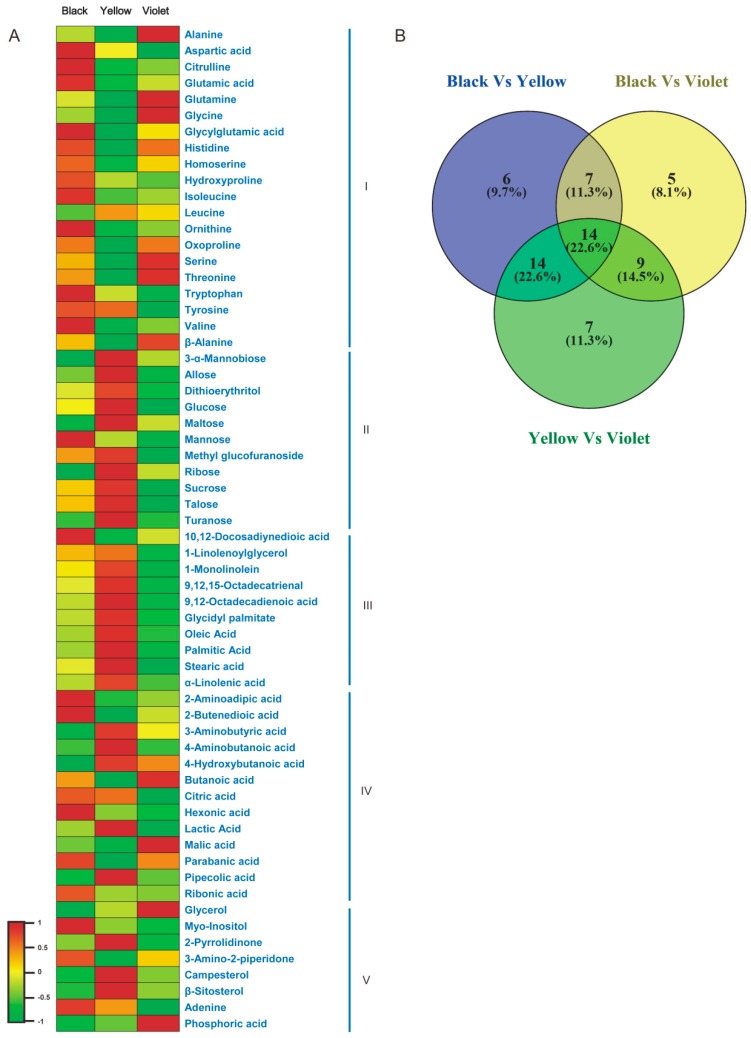
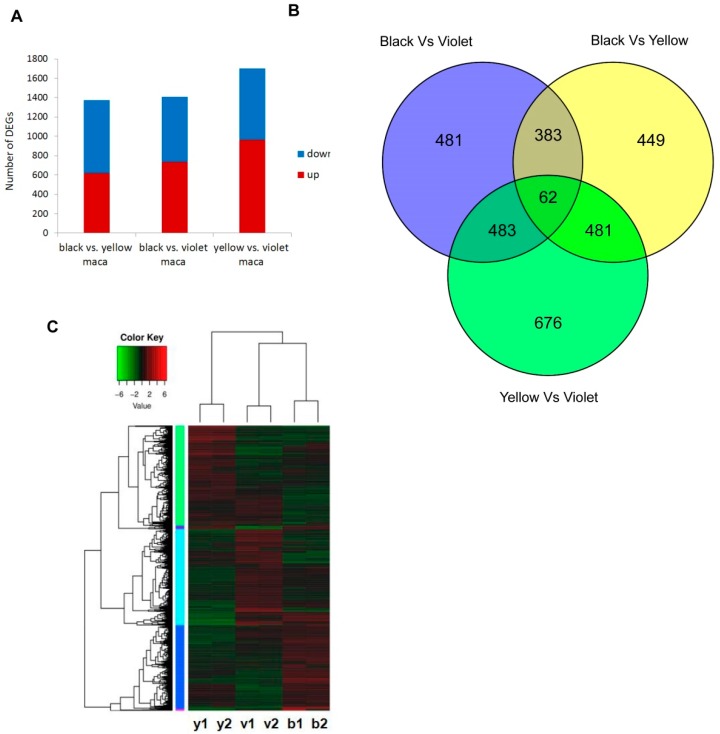
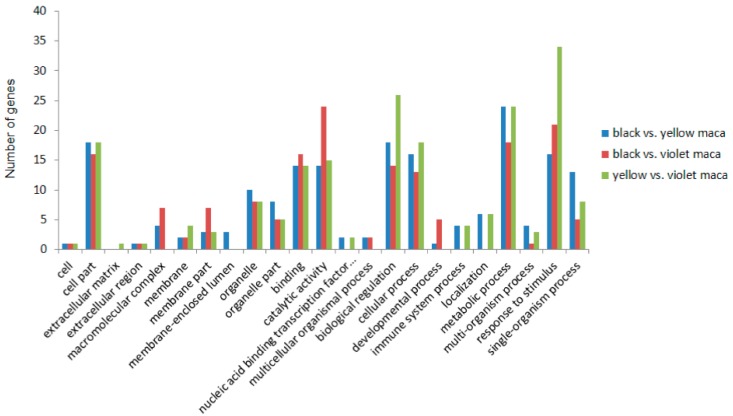
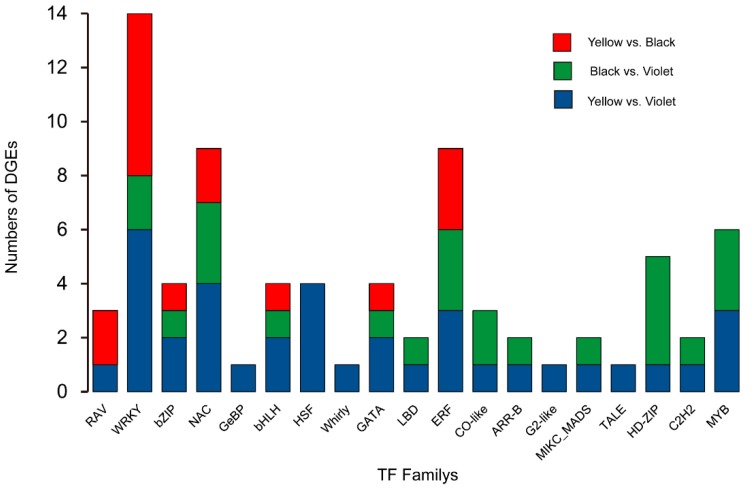
Maca ( Walp.) is a traditional Andean crop with great potential for various sanitarian and medical functions, which is attracting increased research attention. The majority of previous Maca studies were focused on biochemistry and pharmacodynamics, while the genetic basis of its unique characteristics lagged due to a lack of genome information. The authors perform gas chromatography-mass spectrometry (GC/MS) analysis in the hypocotyls of three Maca ecotypes and identify 79 compounds. Among them, 62 compounds have distinct profiles among Maca ecotypes. To reveal the underlying regulatory mechanism of the chemical composition differences, de novo transcriptome sequencing is performed and the transcription profiles of three Maca ecotypes are comparatively analyzed. Functional analysis indicates several key pathways, including “starch and sucrose metabolism,” “phenylpropanoid biosynthesis,” “phenylalanine metabolism” and “plant-pathogen interaction,” are involved in regulating the chemical compositions of Maca. Combining metabolomics and transcriptomics analysis indicates transcription factors such as MYB and WRKY and mediators such as protein kinase and bifunctional inhibitors might be critical regulators of chemical composition in Maca. The transcriptome reference genome and differentially expressed genes (DEGs) obtained in this study might serve as an initial step to illustrate the genetic differences in nutrient component, secondary metabolites content, medicinal function and stress resistance in Maca.
玛咖(Walp.)是一种传统的安第斯作物,具有多种保健和医疗功能的巨大潜力,正吸引着越来越多的研究关注。以往大多数玛咖研究集中在生物化学和药效学方面,而由于缺乏基因组信息,其独特特性的遗传基础研究滞后。作者对三种玛咖生态型的下胚轴进行了气相色谱 - 质谱联用(GC/MS)分析,鉴定出79种化合物。其中,62种化合物在玛咖生态型之间具有明显的分布特征。为揭示化学成分差异的潜在调控机制,进行了从头转录组测序,并对三种玛咖生态型的转录谱进行了比较分析。功能分析表明,包括“淀粉和蔗糖代谢”、“苯丙烷类生物合成”、“苯丙氨酸代谢”和“植物 - 病原体相互作用”在内的几个关键途径参与调控玛咖的化学成分。代谢组学和转录组学分析相结合表明,MYB和WRKY等转录因子以及蛋白激酶和双功能抑制剂等介质可能是玛咖化学成分的关键调节因子。本研究获得的转录组参考基因组和差异表达基因(DEGs)可能是阐明玛咖营养成分、次生代谢物含量、药用功能和抗逆性遗传差异的第一步。