Kepecs David M, Glick Lauren, Silver Samuel A, Yuen Darren A
Keenan Research Centre for Biomedical Science of the Li Ka Shing Knowledge Institute, St. Michael's Hospital, Toronto, Ontario, Canada.
Division of Nephrology, Queen's University, Kingston, Ontario, Canada.
Can J Kidney Health Dis. 2018 Jun 17;5:2054358118777133. doi: 10.1177/2054358118777133. eCollection 2018.
One of the principal mechanisms by which illness can affect driving safety is by impairing cognition. Nevertheless, despite the substantial evidence demonstrating cognitive impairment in chronic kidney disease (CKD), little is known about the effects of CKD on driving safety.
Investigate the current national medical guidelines and research literature with respect to CKD and driving safety.
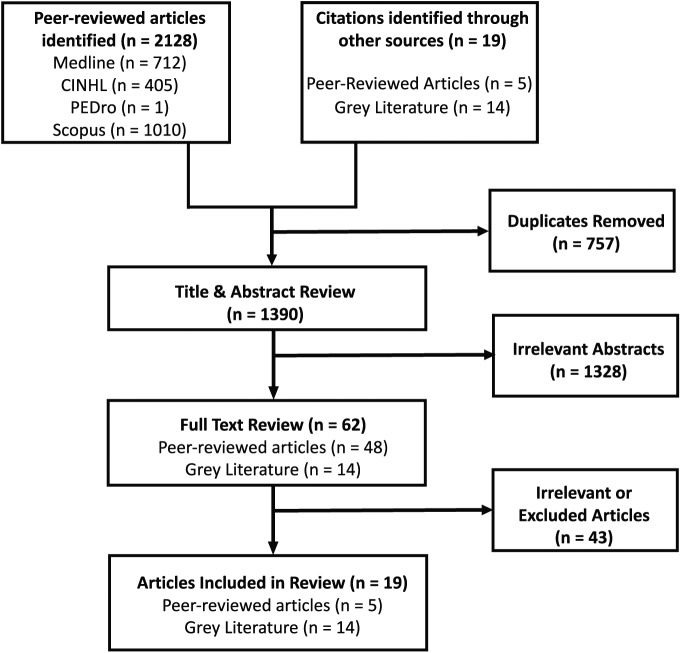
Medline, CINAHL, PEDro, Scopus as of August 2017. The most up to date national driving guidelines and available information provided by the provincial and territorial ministries of transportation across Canada.
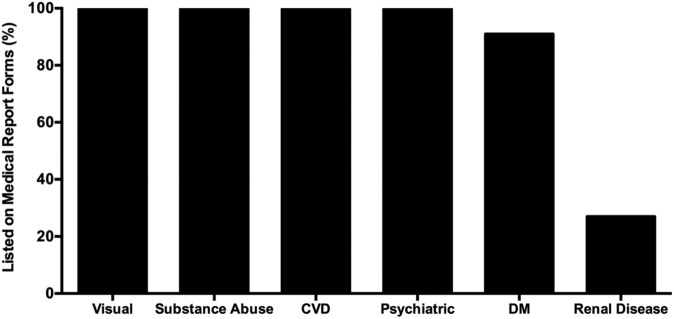
Fives studies of driving fitness in patients with CKD have been published with minimal data available for patients at early stages of the disease. Amongst these studies, only two come from an era when modern end stage renal disease therapies were routinely provided. The first study demonstrated that 40% of 186 surveyed patients on hemodialysis felt uncomfortable driving and that 1/3 of patients were involved in motor vehicle collisions (MVC) since starting dialysis. Of the patients who felt comfortable driving, more than 75% were found to be at increased driving risk. The second study reported that 15% of patients on hemodialysis were involved in MVCs over a three year span and that the "Am I A Safe Driver" assessment tool by the American Medical Association may not capture all patients at high driving risk. Despite these alarming numbers, national guidelines place few driving restrictions on this patient population and only 3 of 11 available provincial or territorial driving forms include kidney disease as a category that physicians should consider when assessing medical fitness to drive.
Our review is limited by the lack of randomized control studies evaluating the effects of CKD on driving safety.
Our review demonstrates that driving safety in this patient population remains poorly understood. The limited evidence that does exist, however, suggests that these patients are at substantial risk for unsafe driving. Future research is necessary to determine the impact of CKD-associated cognitive impairment on driving risk, and to parse out the contributions of CKD and its various treatments to driving impairment.
疾病影响驾驶安全的主要机制之一是损害认知。然而,尽管有大量证据表明慢性肾脏病(CKD)存在认知损害,但关于CKD对驾驶安全的影响却知之甚少。
调查当前关于CKD与驾驶安全的国家医学指南和研究文献。
截至2017年8月的Medline、CINAHL、PEDro、Scopus。加拿大各省和地区交通运输部提供的最新国家驾驶指南和可用信息。
已发表了五项关于CKD患者驾驶适宜性的研究,但疾病早期患者的可用数据极少。在这些研究中,只有两项来自常规提供现代终末期肾病治疗的时代。第一项研究表明,在接受调查的186例血液透析患者中,40%的人开车时感到不舒服,自开始透析以来,1/3的患者发生过机动车碰撞事故(MVC)。在那些开车时感觉舒适的患者中,超过75%的人被发现驾驶风险增加。第二项研究报告称,在三年时间里,15%的血液透析患者发生过MVC,美国医学协会的“我是安全驾驶员”评估工具可能无法涵盖所有驾驶风险高的患者。尽管这些数字令人担忧,但国家指南对这一患者群体的驾驶限制很少,在11种可用的省级或地区驾驶表格中,只有3种将肾病列为医生评估驾驶医学适宜性时应考虑的类别。
我们的综述受到缺乏评估CKD对驾驶安全影响的随机对照研究的限制。
我们的综述表明,对这一患者群体的驾驶安全仍了解不足。然而,现有的有限证据表明,这些患者存在不安全驾驶的重大风险。未来有必要进行研究,以确定CKD相关认知损害对驾驶风险的影响,并剖析CKD及其各种治疗对驾驶损害的作用。