Experimental Vascular Medicine, Institute for Cardiovascular Prevention, Ludwig-Maximilians University Munich, Pettenkoferstrasse 9, 80336, Munich, Germany.
Institute for Informatics, Ludwig-Maximilians University Munich, Oettingenstraße 67, 80538, Munich, Germany.
Nat Commun. 2018 Jul 6;9(1):2645. doi: 10.1038/s41467-018-05065-z.
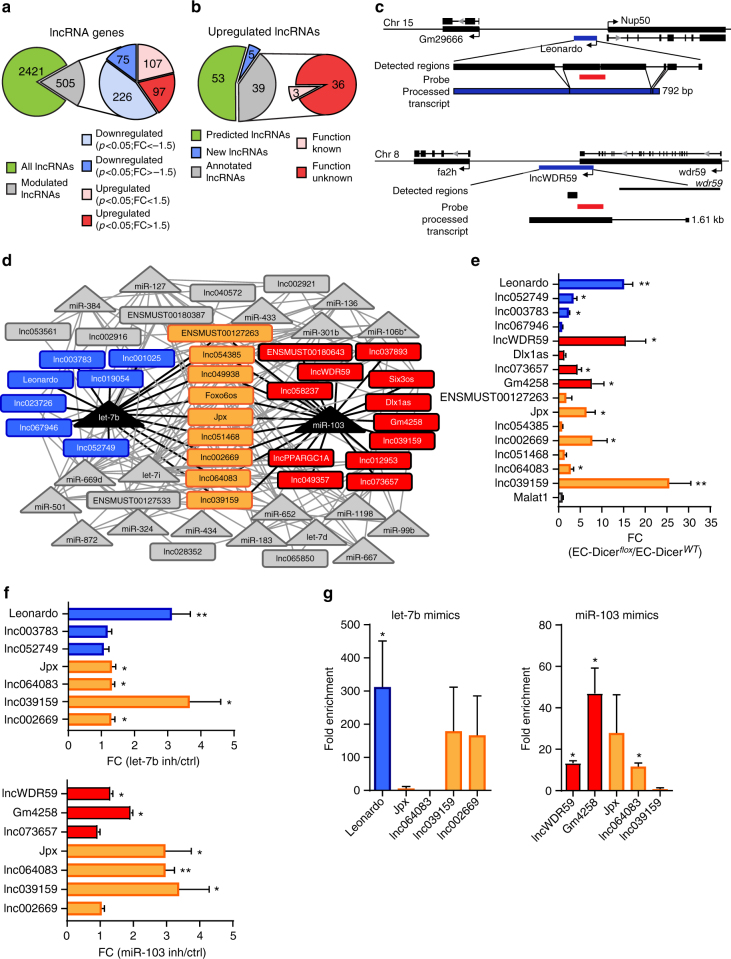
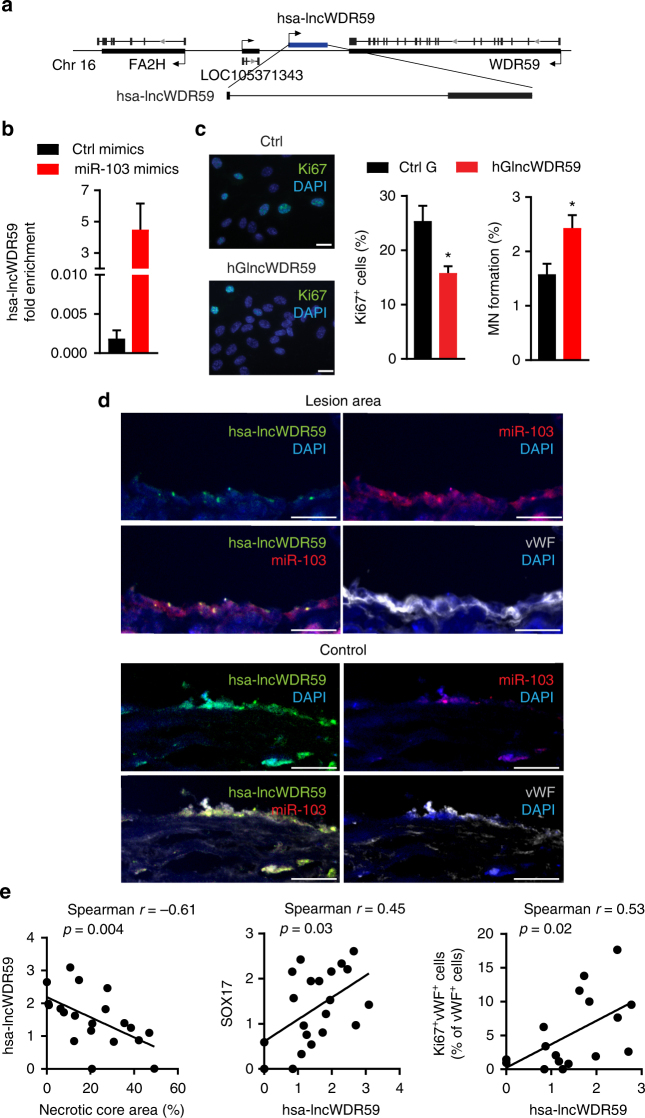
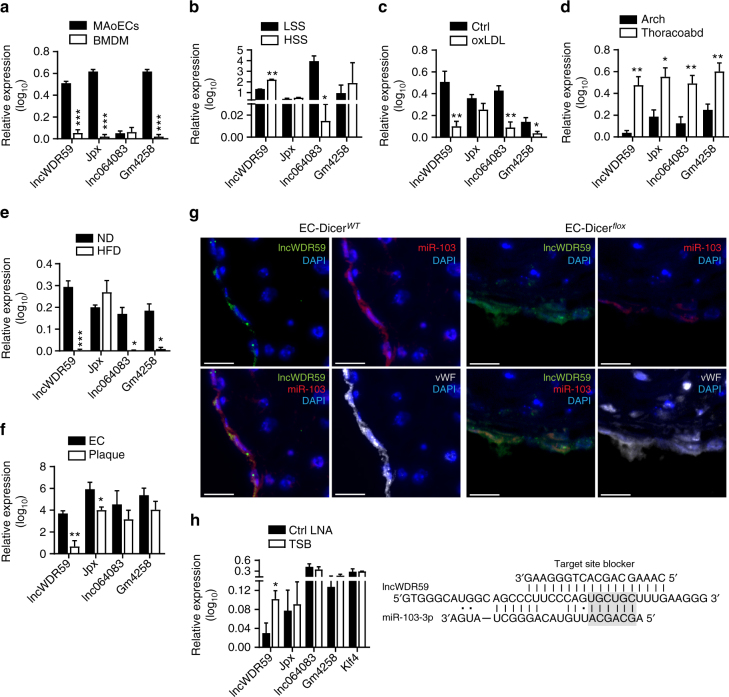
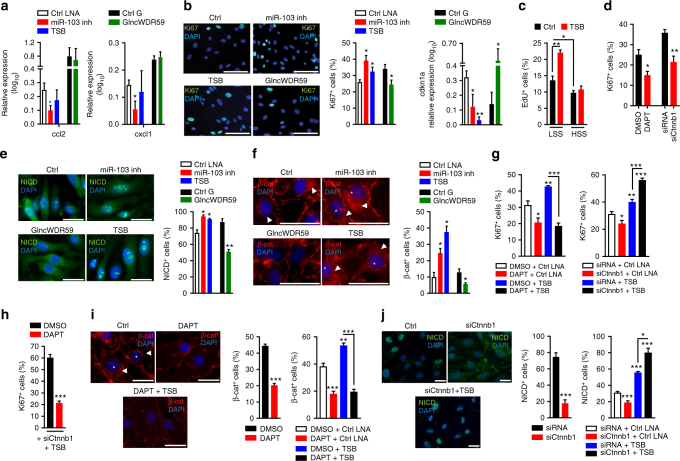
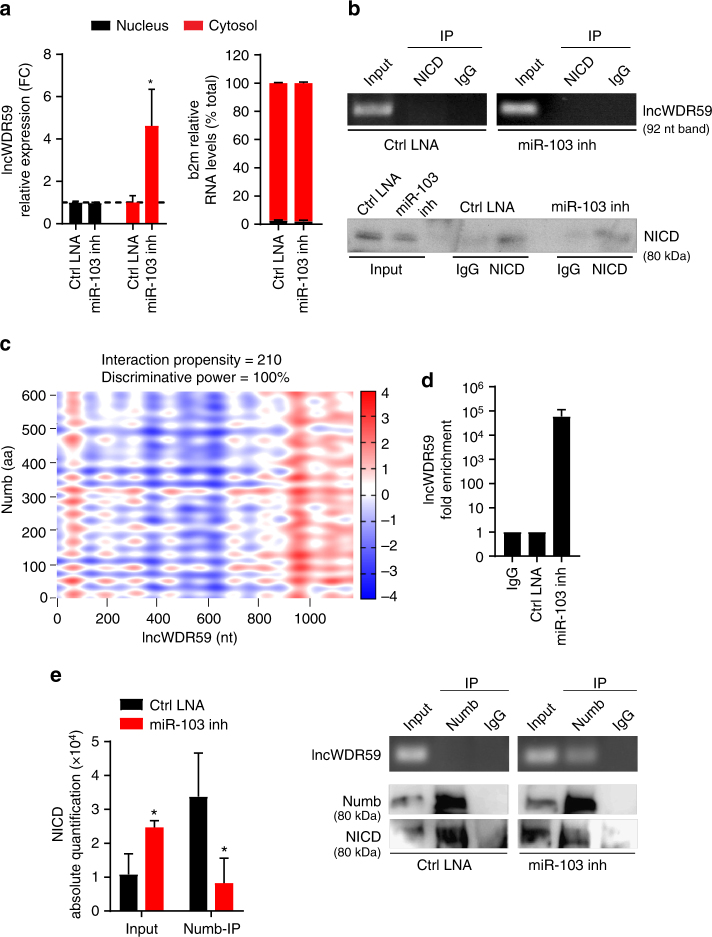
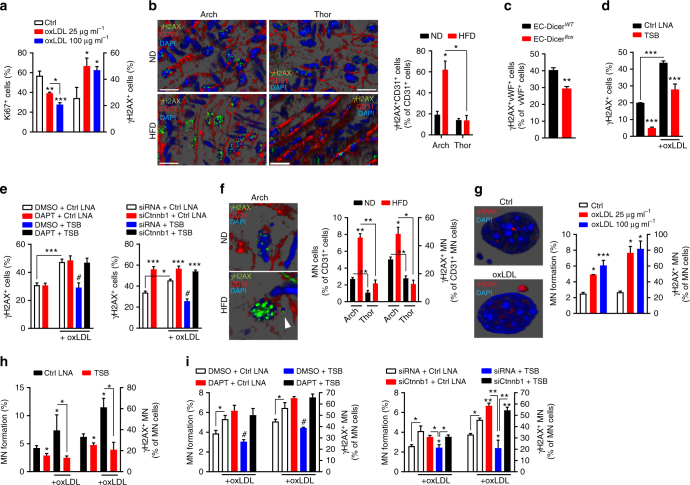
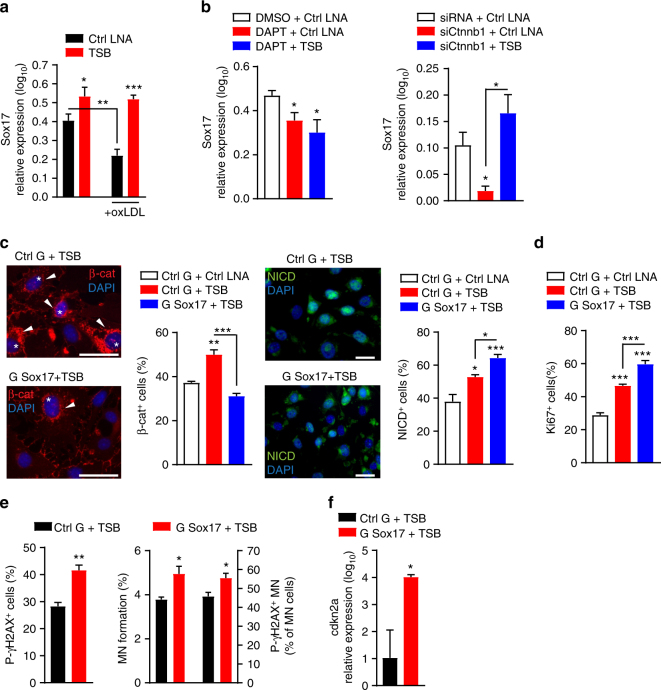
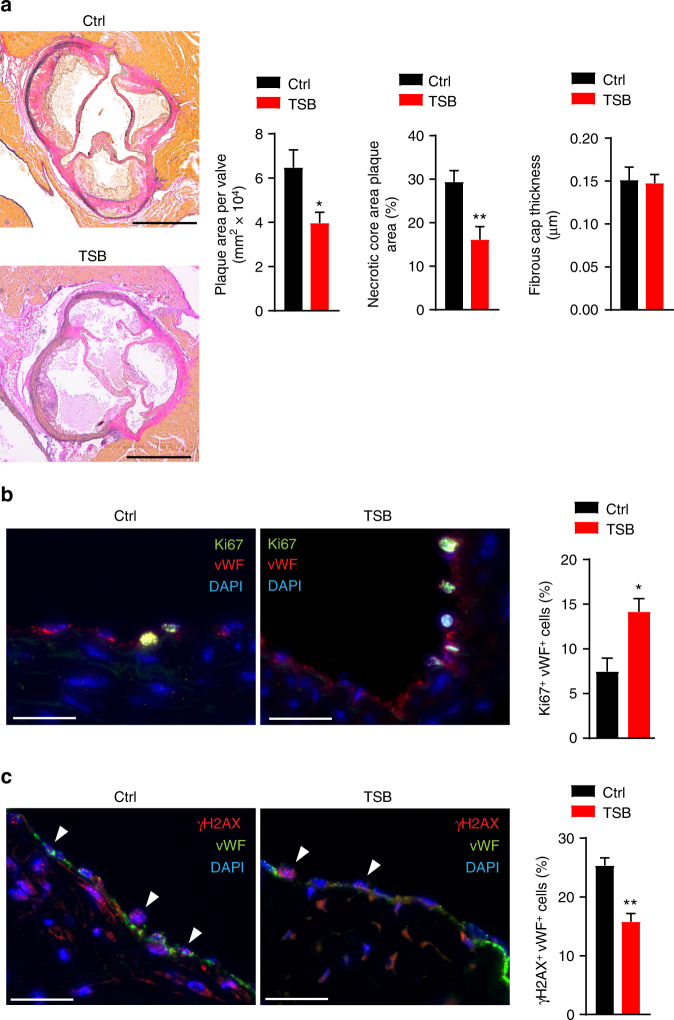
Blood flow at arterial bifurcations and curvatures is naturally disturbed. Endothelial cells (ECs) fail to adapt to disturbed flow, which transcriptionally direct ECs toward a maladapted phenotype, characterized by chronic regeneration of injured ECs. MicroRNAs (miRNAs) can regulate EC maladaptation through targeting of protein-coding RNAs. However, long noncoding RNAs (lncRNAs), known epigenetic regulators of biological processes, can also be miRNA targets, but their contribution on EC maladaptation is unclear. Here we show that hyperlipidemia- and oxLDL-induced upregulation of miR-103 inhibits EC proliferation and promotes endothelial DNA damage through targeting of novel lncWDR59. MiR-103 impedes lncWDR59 interaction with Notch1-inhibitor Numb, therefore affecting Notch1-induced EC proliferation. Moreover, miR-103 increases the susceptibility of proliferating ECs to oxLDL-induced mitotic aberrations, characterized by an increased micronucleic formation and DNA damage accumulation, by affecting Notch1-related β-catenin co-activation. Collectively, these data indicate that miR-103 programs ECs toward a maladapted phenotype through targeting of lncWDR59, which may promote atherosclerosis.
动脉分叉处和弯曲处的血流自然会受到干扰。内皮细胞(ECs)无法适应这种紊乱的流动,这会导致 ECs 转录方向发生改变,表现为受损 ECs 的慢性再生。微小 RNA(miRNA)可以通过靶向编码蛋白的 RNA 来调节 EC 的失调。然而,长链非编码 RNA(lncRNA)作为生物过程的已知表观遗传调节剂,也可以成为 miRNA 的靶标,但它们在 EC 失调中的作用尚不清楚。在这里,我们发现高脂血症和 oxLDL 诱导的 miR-103 上调通过靶向新型 lncWDR59 抑制 EC 增殖并促进内皮 DNA 损伤。miR-103 阻碍了 lncWDR59 与 Notch1 抑制剂 Numb 的相互作用,从而影响 Notch1 诱导的 EC 增殖。此外,miR-103 通过影响 Notch1 相关的 β-连环蛋白共激活,增加增殖的 EC 对 oxLDL 诱导的有丝分裂异常的易感性,其特征是微核形成增加和 DNA 损伤积累。总之,这些数据表明,miR-103 通过靶向 lncWDR59 使 EC 向失调表型编程,这可能促进动脉粥样硬化的发生。