Beer Lucian, Hochmair Maximilian, Prosch Helmut
1Department of Biomedical Imaging and Image-guided Therapy, Medical University of Vienna, Währinger Gürtel 18-20, 1090 Vienna, Austria.
2Respiratory Oncology Unit, Otto-Wagner Hospital, Vienna, Austria.
Memo. 2018;11(2):138-143. doi: 10.1007/s12254-018-0389-x. Epub 2018 Mar 21.
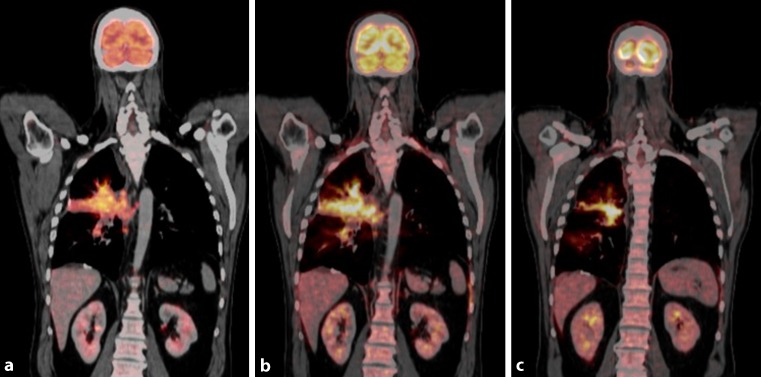
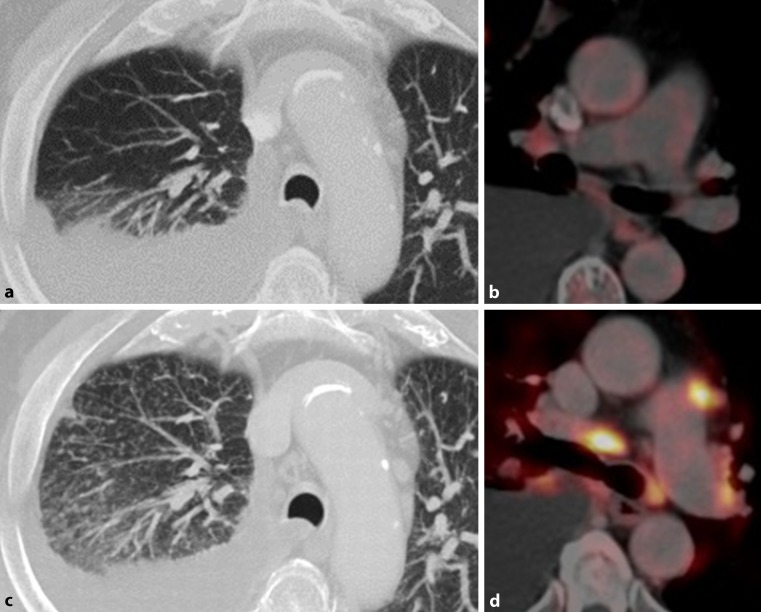
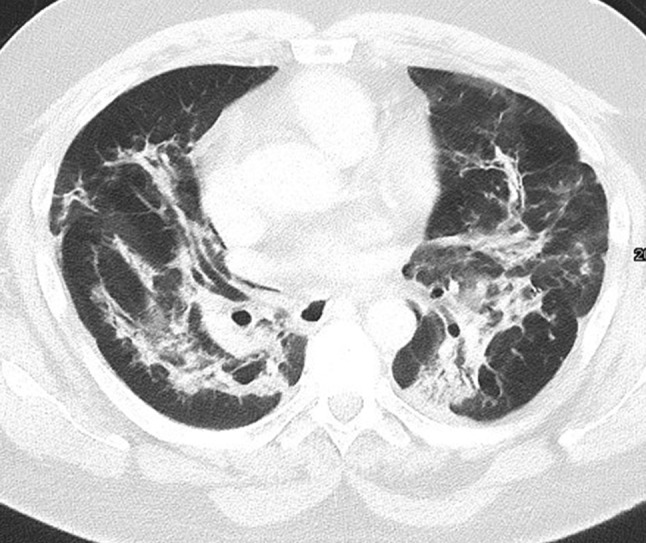
Immunotherapies comprise of a class of cancer therapies that are increasingly used for treatment of several cancer entities. Active immunotherapies encompassing immune checkpoint inhibitors are the most widespread class of immunotherapies, with indications for melanoma, non-small lung cancer, renal cell carcinoma, urothelial carcinoma, head and neck squamous cell carcinoma, and Hodgkin's lymphoma. Immune checkpoint inhibitors have demonstrated unique response patterns that are not adequately captured by traditional response criteria such das the Response Evaluation Criteria in Solid Tumors (RECIST) and World Health Organization criteria. Consequently, adaptions of these criteria have been released such as the immune-related RECIST and immune RECIST, which account for the specialities of immunotherapies. Immunotherapies can cause a distinct set of adverse events such as pneumonitis, colitis, and hypophysitis. In addition, atypical treatment response patterns termed pseudoprogression have been observed. Thereby, new or enlarging lesions appear after treatment start and mimic tumor progression, which is followed by an eventual decrease in total tumor burden. In this review article we will describe pitfalls in the radiological response assessment of immunotherapies, focusing on pseudoprogression and imaging appearances of common immune-related adverse events.
免疫疗法是一类越来越多地用于治疗多种癌症实体的癌症治疗方法。包括免疫检查点抑制剂的主动免疫疗法是最广泛应用的免疫疗法类别,适用于黑色素瘤、非小细胞肺癌、肾细胞癌、尿路上皮癌、头颈部鳞状细胞癌和霍奇金淋巴瘤。免疫检查点抑制剂已显示出独特的反应模式,传统的反应标准如实体瘤疗效评价标准(RECIST)和世界卫生组织标准并不能充分体现这些模式。因此,已经发布了这些标准的修订版,如免疫相关RECIST和免疫RECIST,以考虑免疫疗法的特殊性。免疫疗法可导致一系列独特的不良事件,如肺炎、结肠炎和垂体炎。此外,还观察到了称为假性进展的非典型治疗反应模式。即在治疗开始后出现新的或增大的病变,类似肿瘤进展,随后肿瘤总负荷最终会下降。在这篇综述文章中,我们将描述免疫疗法放射学反应评估中的陷阱,重点关注假性进展和常见免疫相关不良事件的影像学表现。