Drug Research Program and Division of Pharmacology and Pharmacotherapy, Faculty of Pharmacy, University of Helsinki, P.O. Box 56, 00014, Helsinki, Finland.
Department of Pharmacology and Toxicology, Institute of Biomedicine, University of Oulu, Oulu, Finland.
Arch Toxicol. 2018 Sep;92(9):2897-2911. doi: 10.1007/s00204-018-2257-1. Epub 2018 Jul 9.
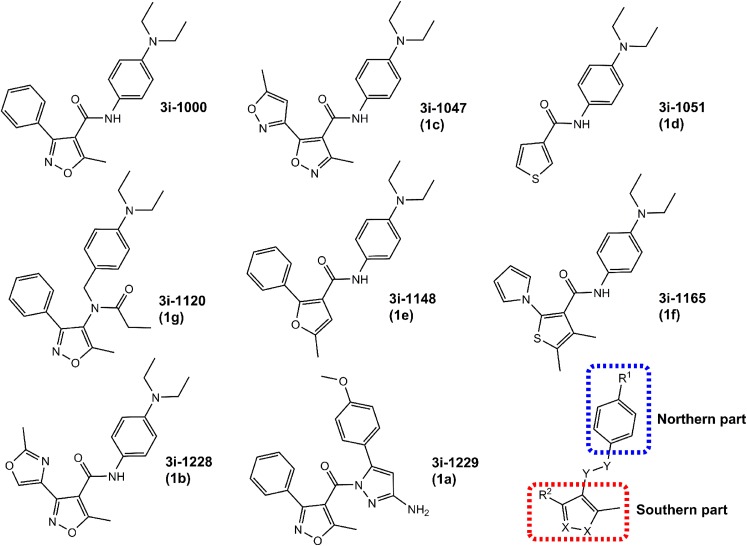
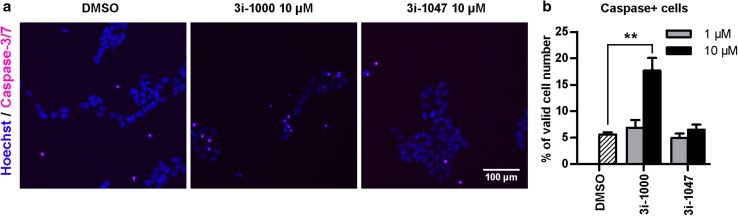
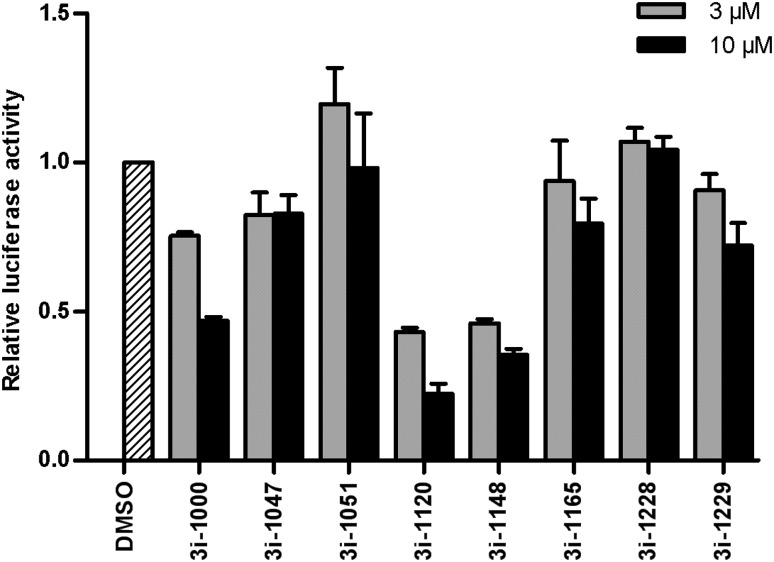
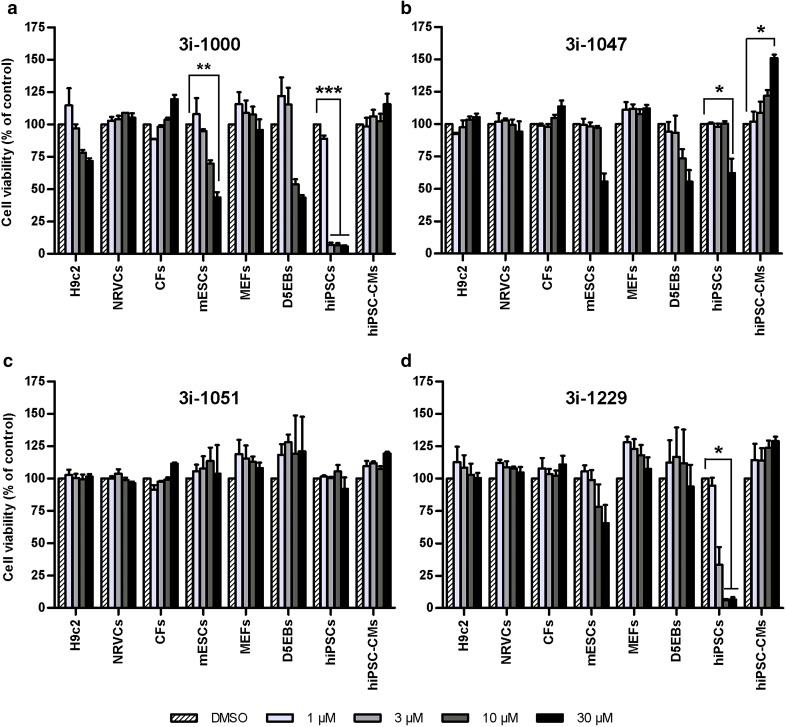
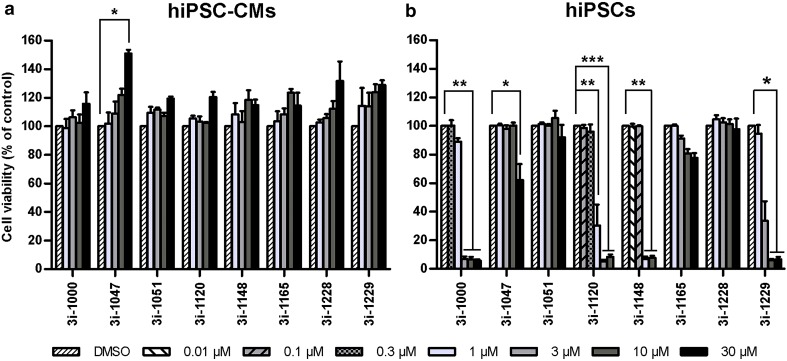
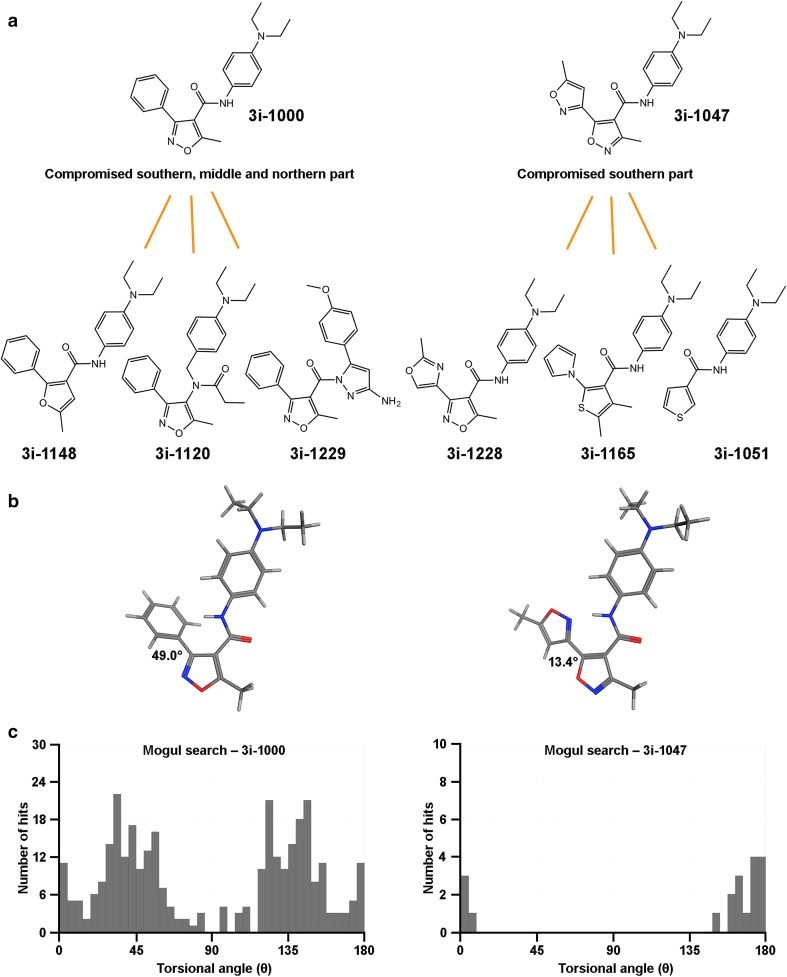
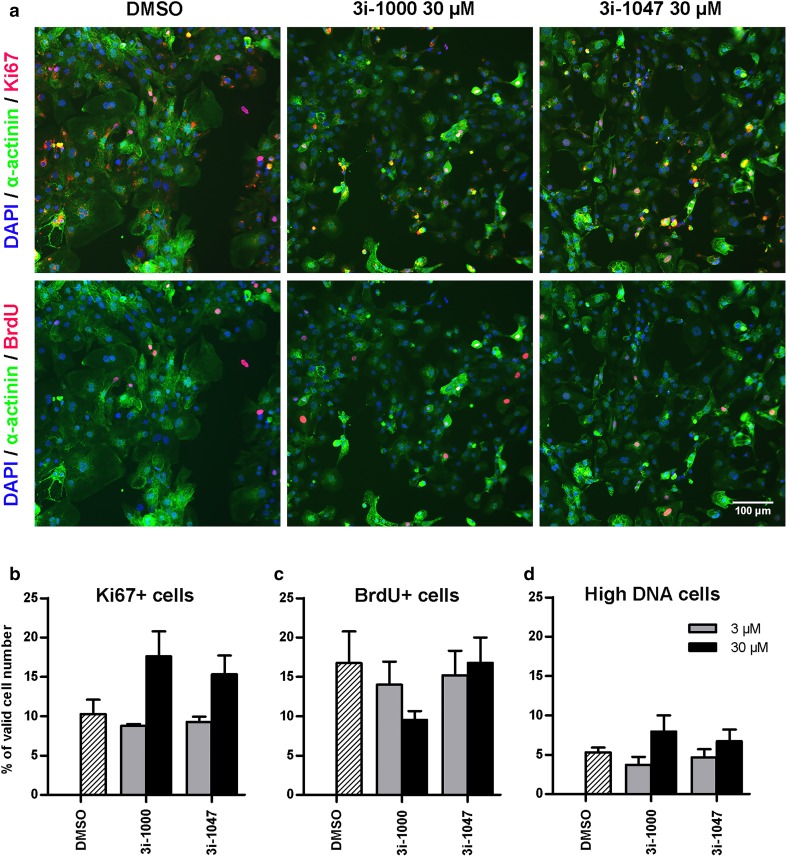
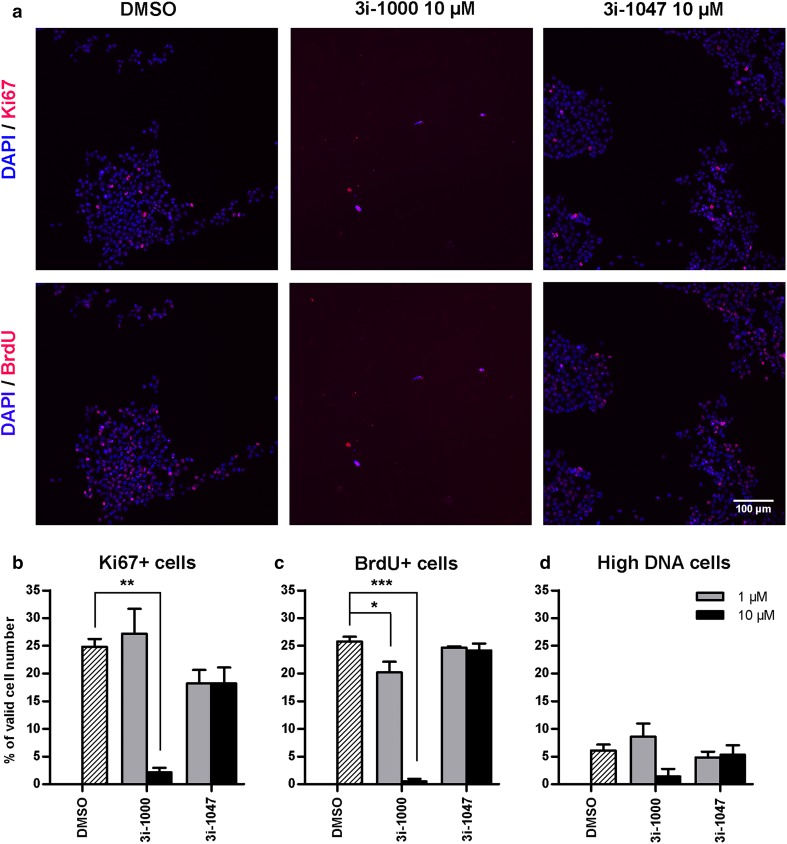
Safety assessment of drug candidates in numerous in vitro and experimental animal models is expensive, time consuming and animal intensive. More thorough toxicity profiling already in the early drug discovery projects using human cell models, which more closely resemble the physiological cell types, would help to decrease drug development costs. In this study we aimed to compare different cardiac and stem cell models for in vitro toxicity testing and to elucidate structure-toxicity relationships of novel compounds targeting the cardiac transcription factor GATA4. By screening the effects of eight compounds at concentrations ranging from 10 nM up to 30 µM on the viability of eight different cell types, we identified significant cell type- and structure-dependent toxicity profiles. We further characterized two compounds in more detail using high-content analysis. The results highlight the importance of cell type selection for toxicity screening and indicate that stem cells represent the most sensitive screening model, which can detect toxicity that may otherwise remain unnoticed. Furthermore, our structure-toxicity analysis reveals a characteristic dihedral angle in the GATA4-targeted compounds that causes stem cell toxicity and thus helps to direct further drug development efforts towards non-toxic derivatives.
在众多的体外和实验动物模型中对候选药物进行安全性评估既昂贵又耗时,且需要大量使用动物。在早期药物发现项目中,使用更接近生理细胞类型的人类细胞模型进行更全面的毒性分析,有助于降低药物开发成本。在这项研究中,我们旨在比较不同的心脏和干细胞模型,用于体外毒性测试,并阐明针对心脏转录因子 GATA4 的新型化合物的结构-毒性关系。通过筛选 8 种化合物在 10 nM 至 30 µM 浓度范围内对 8 种不同细胞类型的存活能力的影响,我们确定了具有显著细胞类型和结构依赖性的毒性特征。我们使用高内涵分析进一步详细研究了两种化合物。结果强调了细胞类型选择对毒性筛选的重要性,并表明干细胞是最敏感的筛选模型,可以检测到可能被忽视的毒性。此外,我们的结构-毒性分析揭示了靶向 GATA4 的化合物中的一个特征二面角,该二面角导致干细胞毒性,从而有助于将进一步的药物开发工作引导到非毒性衍生物上。