Lynggaard Christina, Woolsey Ian David, Al-Sabi Mohammad Nafi Solaiman, Bertram Nicolas, Jensen Per Moestrup
Section for Organismal Biology, Department of Plant and Environmental Sciences, University of Copenhagen, Thorvaldsensvej 40, 1871 Frederiksberg C, Denmark.
Section of Diagnostics and Scientific Advice, National Veterinary Institute, Technical University of Denmark, 1870 Frederiksberg C, Denmark.
Int J Parasitol Parasites Wildl. 2018 May 2;7(2):180-186. doi: 10.1016/j.ijppaw.2018.04.004. eCollection 2018 Aug.
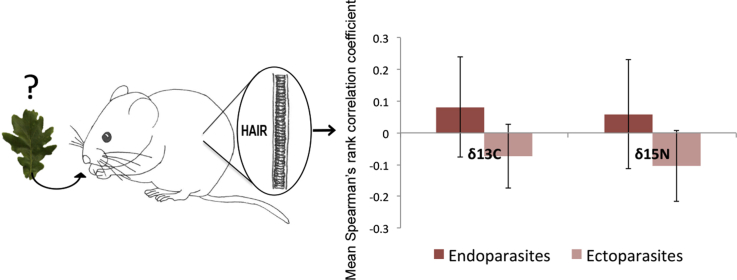
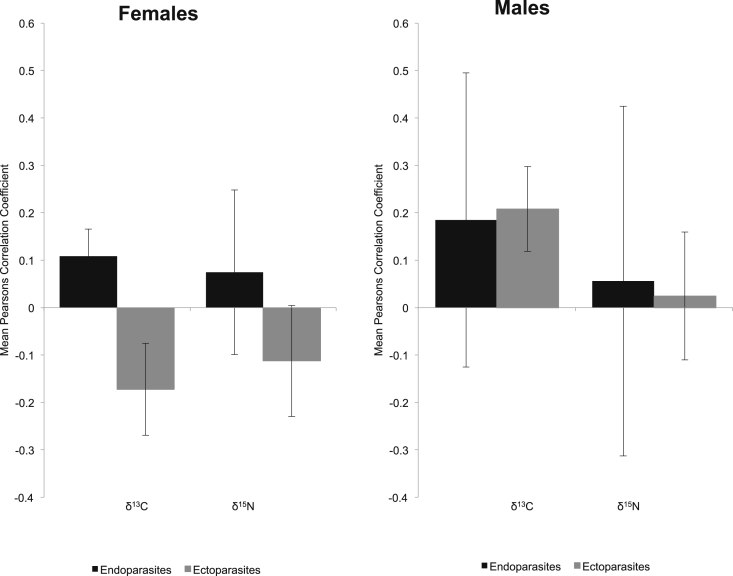
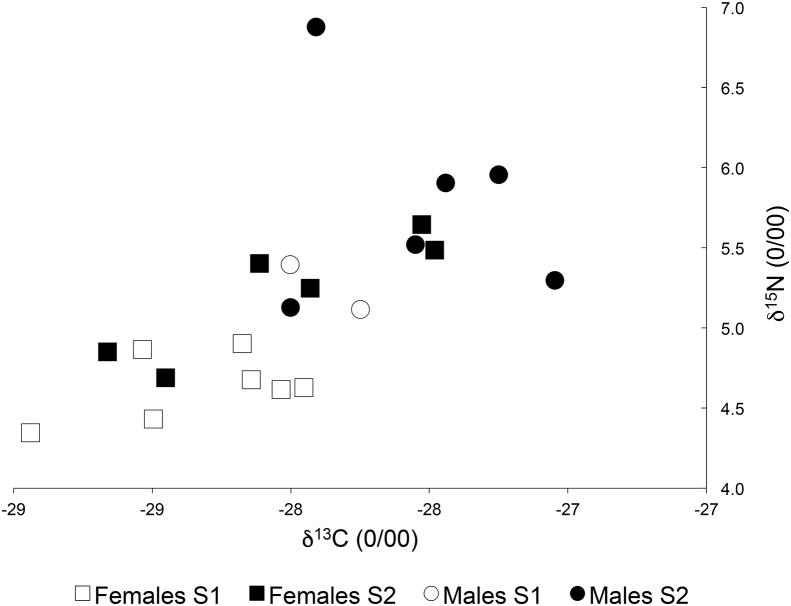
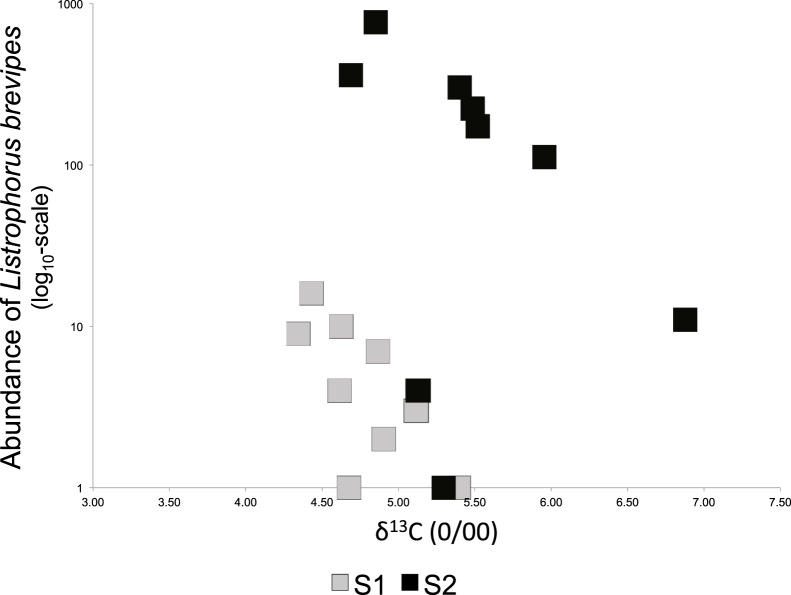
Vertebrates are hosts to numerous parasites, belonging to many different taxa. These parasites differ in transmission, being through either direct contact, a faecal-oral route, ingestion of particular food items, vertical or sexual transmission, or by a vector. Assessing the impact of diet on parasitism can be difficult because analysis of faecal and stomach content are uncertain and labourious; and as with molecular methods, do not provide diet information over a longer period of time. We here explored whether the analysis of stable isotopes in hair provides insight into the impact of diet and the presence of parasites in the rodent Twenty-one animals were examined for parasites and their hair analysed for stable isotopes (C and N). A positive correlation between δN and one species of intestinal parasite was observed in females. Furthermore, several ectoparasites were negatively correlated with δN, indicating that infections are further associated with foraging habits (size and layout of the home range, length and timing of foraging, interaction with other rodents, etc.) that set the rodents in direct contact with infected hosts. Although a limited number of animals were included, it seemed that the isotope values allowed for identification of the association between diet and parasite occurrence in this rodent. We therefore propose that this method is useful in providing further insight into host biology, feeding preferences and potential exposure to parasites species, contributing to the understanding of the complex relationship between hosts and parasites.
脊椎动物是众多寄生虫的宿主,这些寄生虫属于许多不同的分类群。这些寄生虫的传播方式各不相同,包括直接接触、粪口途径、摄入特定食物、垂直或性传播,或通过媒介传播。评估饮食对寄生虫感染的影响可能很困难,因为对粪便和胃内容物的分析既不确定又繁琐;而且与分子方法一样,无法提供较长时间段内的饮食信息。我们在此探讨了毛发中稳定同位素的分析是否能深入了解饮食的影响以及啮齿动物体内寄生虫的存在情况。对21只动物进行了寄生虫检查,并分析了它们毛发中的稳定同位素(碳和氮)。在雌性动物中,观察到δN与一种肠道寄生虫之间存在正相关。此外,几种体外寄生虫与δN呈负相关,这表明感染还与觅食习惯(活动范围的大小和布局、觅食的长度和时间、与其他啮齿动物的相互作用等)有关,这些习惯使啮齿动物直接接触受感染的宿主。尽管纳入的动物数量有限,但同位素值似乎能够确定这种啮齿动物的饮食与寄生虫发生之间的关联。因此,我们认为这种方法有助于进一步深入了解宿主生物学、摄食偏好以及潜在的寄生虫物种暴露情况,有助于理解宿主与寄生虫之间的复杂关系。