Department of Life Science, College of Natural Science, Hanyang University, Seoul, 04763, Republic of Korea.
Department of Molecular, Cell and Developmental Biology, University of California Los Angeles, Los Angeles, CA, 90095, USA.
Nat Commun. 2018 Jul 11;9(1):2679. doi: 10.1038/s41467-018-04990-3.
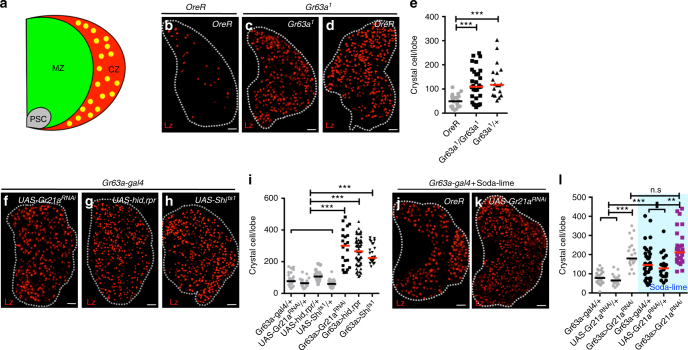
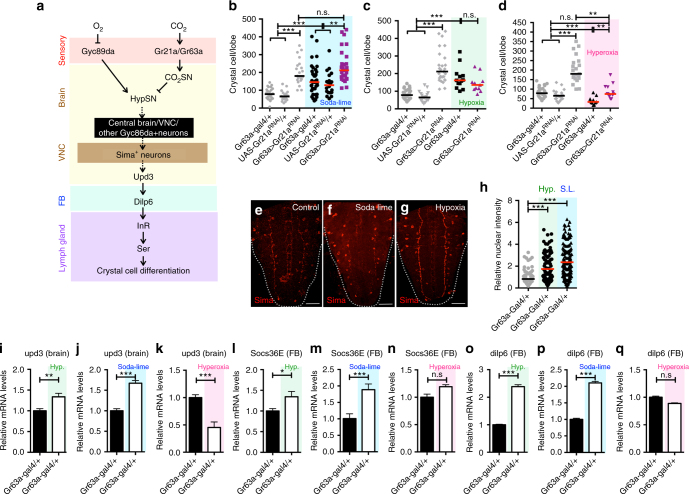
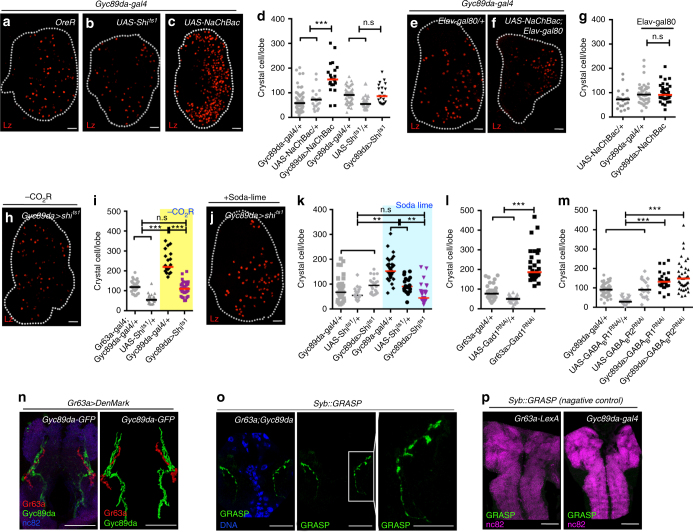
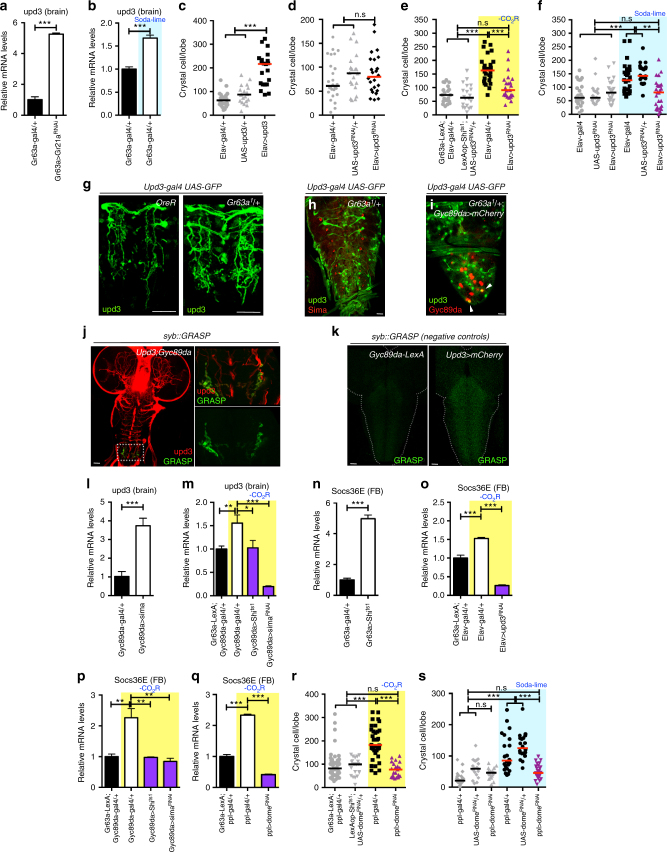
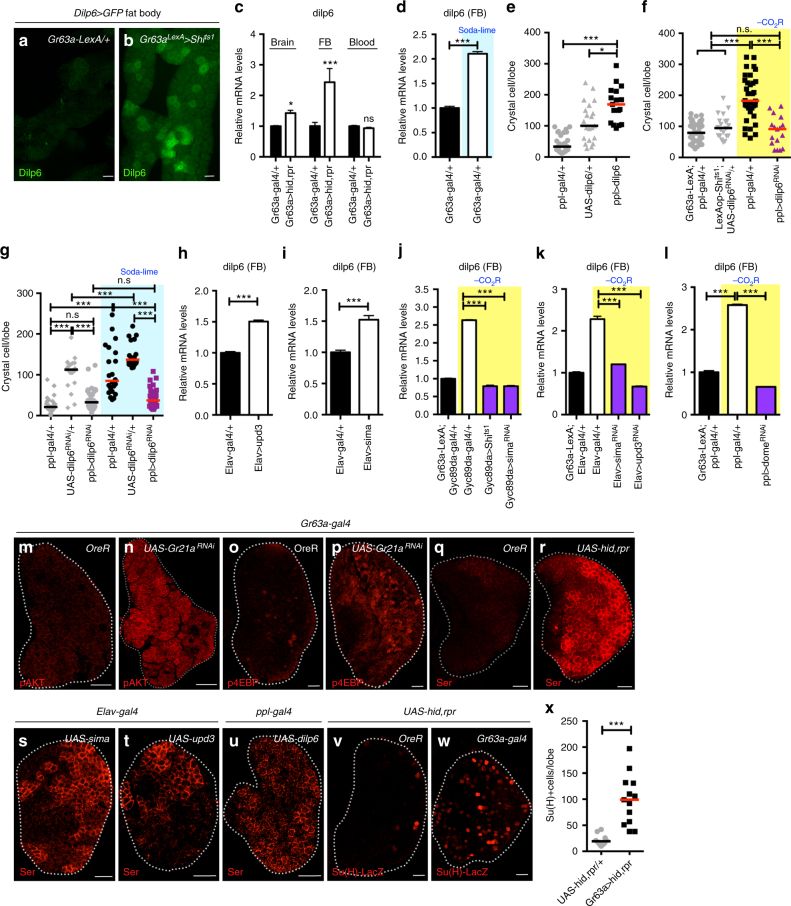
Drosophila hemocytes are akin to mammalian myeloid blood cells that function in stress and innate immune-related responses. A multi-potent progenitor population responds to local signals and to systemic stress by expanding the number of functional blood cells. Here we show mechanisms that demonstrate an integration of environmental carbon dioxide (CO) and oxygen (O) inputs that initiate a cascade of signaling events, involving multiple organs, as a stress response when the levels of these two important respiratory gases fall below a threshold. The CO and hypoxia-sensing neurons interact at the synaptic level in the brain sending a systemic signal via the fat body to modulate differentiation of a specific class of immune cells. Our findings establish a link between environmental gas sensation and myeloid cell development in Drosophila. A similar relationship exists in humans, but the underlying mechanisms remain to be established.
果蝇血细胞类似于哺乳动物的髓系血细胞,在应激和先天免疫相关反应中发挥作用。一个多能祖细胞群体通过扩展功能血细胞的数量来响应局部信号和全身应激。在这里,我们展示了证明环境二氧化碳(CO)和氧气(O)输入整合的机制,当这两种重要呼吸气体的水平低于阈值时,这些输入会引发一连串信号事件,涉及多个器官,作为一种应激反应。CO 和低氧感知神经元在大脑中的突触水平相互作用,通过脂肪体发出系统信号,调节特定类别的免疫细胞的分化。我们的发现建立了果蝇环境气体感知与髓样细胞发育之间的联系。在人类中存在类似的关系,但潜在的机制仍有待确定。