Bilan Victor P, Schneider Frank, Novelli Enrico M, Kelley Eric E, Shiva Sruti, Gladwin Mark T, Jackson Edwin K, Tofovic Stevan P
1 Division of Pulmonary, Allergy and Critical Care Medicine, University of Pittsburgh School of Medicine, Pittsburgh, PA, USA.
2 Pittsburgh Heart, Lung and Blood Vascular Medicine Institute, University of Pittsburgh School of Medicine, Pittsburgh, PA, USA.
Pulm Circ. 2018 Jul-Sep;8(3):2045894018791557. doi: 10.1177/2045894018791557. Epub 2018 Jul 13.
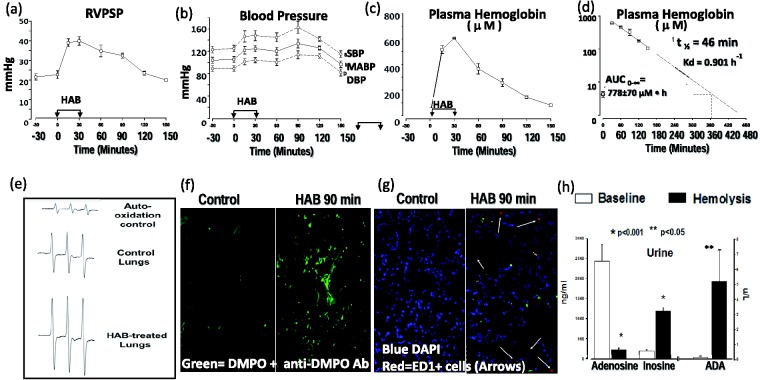
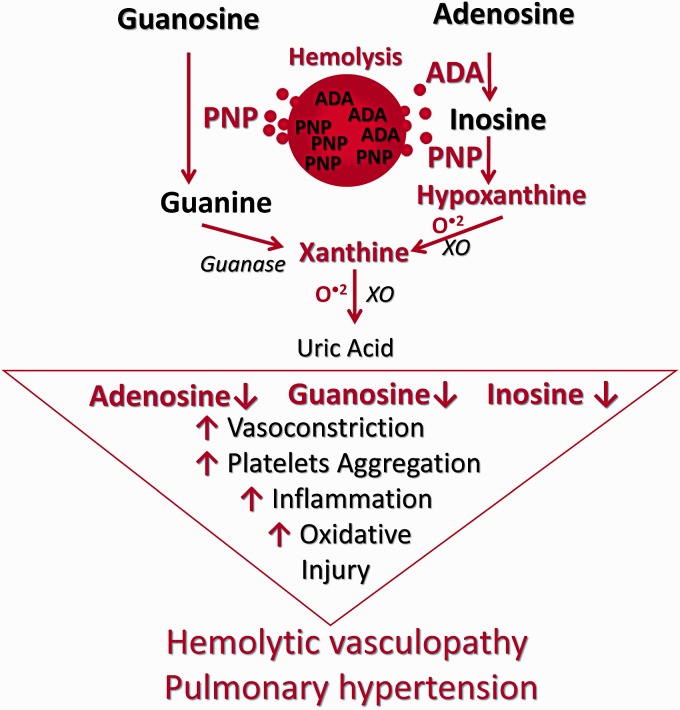
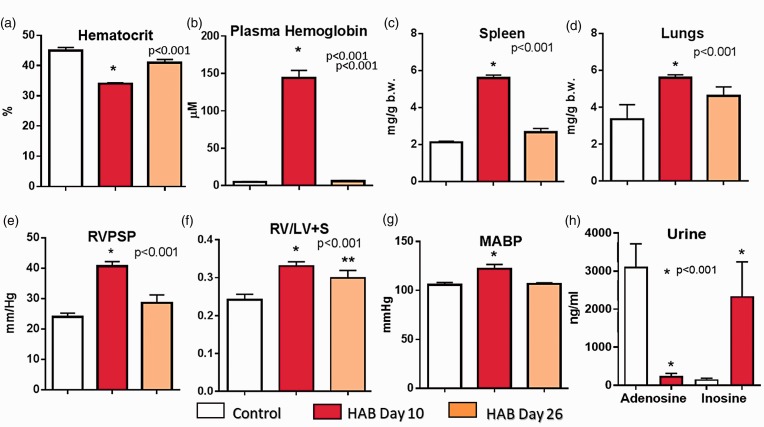
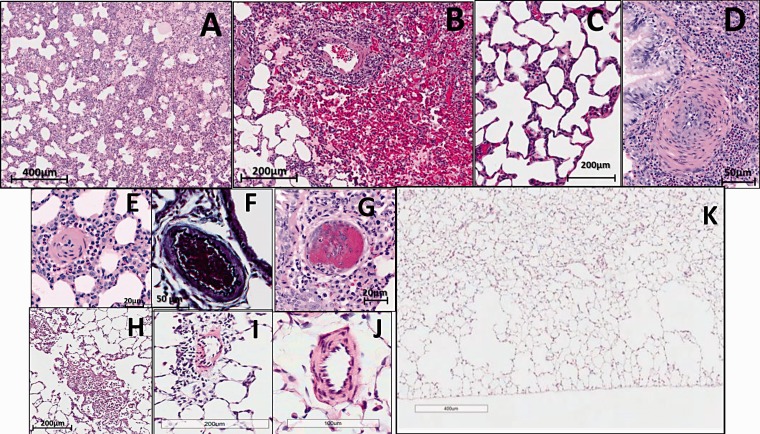
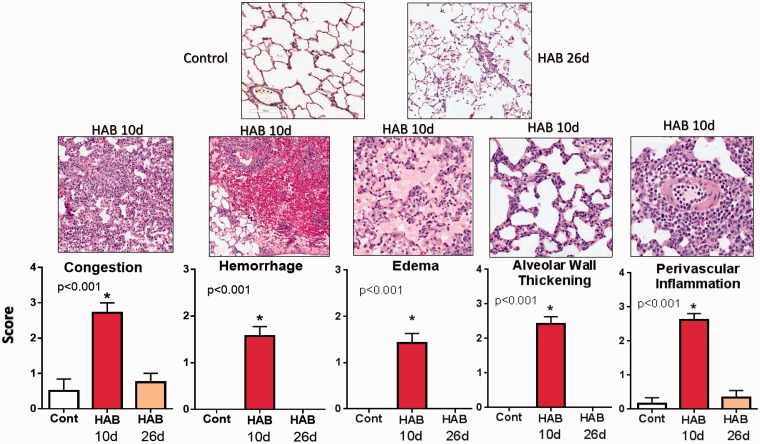
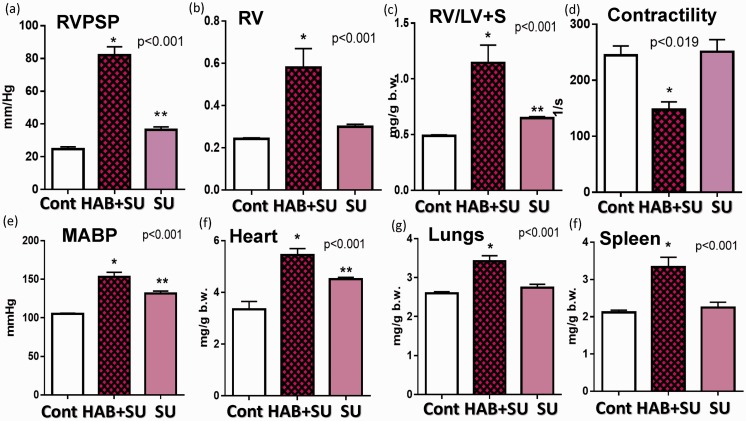
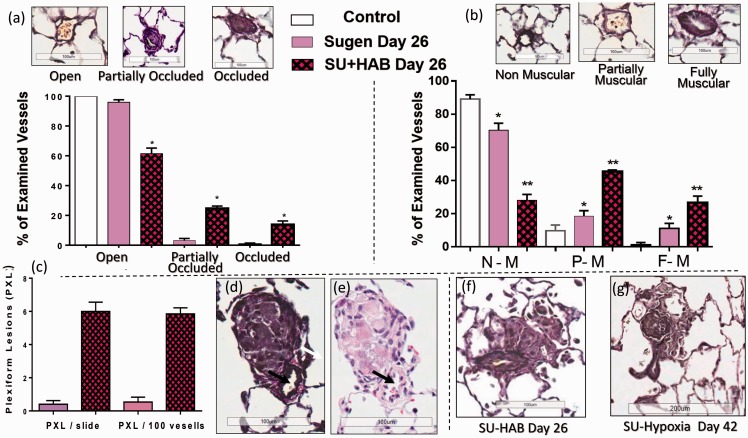
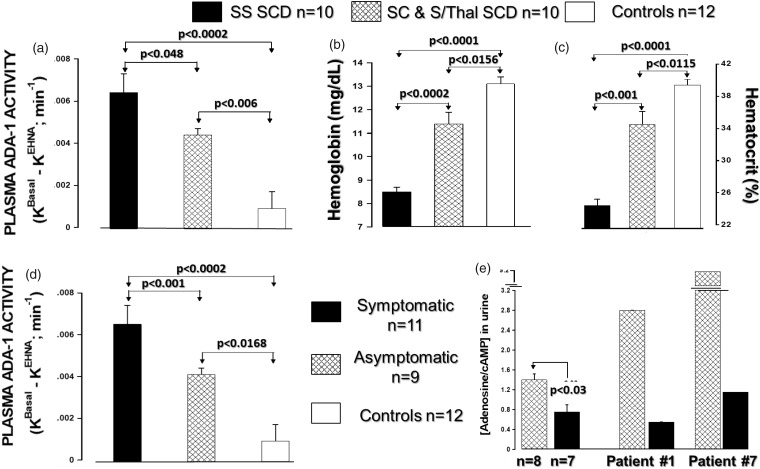
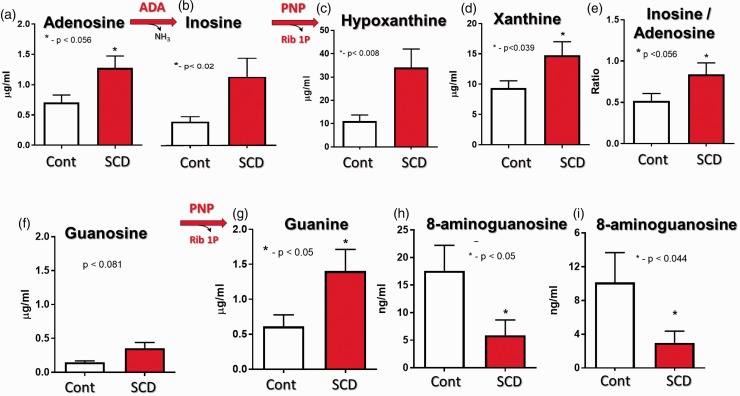
Pulmonary hypertension (PH) is emerging as a serious complication associated with hemolytic disorders, and plexiform lesions (PXL) have been reported in patients with sickle cell disease (SCD). We hypothesized that repetitive hemolysis per se induces PH and angioproliferative vasculopathy and evaluated a new mechanism for hemolysis-associated PH (HA-PH) that involves the release of adenosine deaminase (ADA) and purine nucleoside phosphorylase (PNP) from erythrocytes. In healthy rats, repetitive administration of hemolyzed autologous blood (HAB) for 10 days produced reversible pulmonary parenchymal injury and vascular remodeling and PH. Moreover, the combination of a single dose of Sugen-5416 (SU, 200 mg/kg) and 10-day HAB treatment resulted in severe and progressive obliterative PH and formation of PXL (Day 26, right ventricular peak systolic pressure (mmHg): 26.1 ± 1.1, 41.5 ± 0.5 and 85.1 ± 5.9 in untreated, HAB treated and SU+HAB treated rats, respectively). In rats, repetitive administration of HAB increased plasma ADA activity and reduced urinary adenosine levels. Similarly, SCD patients had higher plasma ADA and PNP activity and accelerated adenosine, inosine, and guanosine metabolism than healthy controls. Our study provides evidence that hemolysis per se leads to the development of angioproliferative PH. We also report the development of a rat model of HA-PH that closely mimics pulmonary vasculopathy seen in patients with HA-PH. Finally, this study suggests that in hemolytic diseases released ADA and PNP may increase the risk of PH, likely by abolishing the vasoprotective effects of adenosine, inosine and guanosine. Further characterization of this new rat model of hemolysis-induced angioproliferative PH and additional studies of the role of purines metabolism in HA-PH are warranted.
肺动脉高压(PH)正逐渐成为一种与溶血性疾病相关的严重并发症,并且镰状细胞病(SCD)患者中已报告出现丛状病变(PXL)。我们推测,反复溶血本身会诱发PH和血管增殖性血管病变,并评估了一种与溶血相关的PH(HA-PH)的新机制,该机制涉及红细胞释放腺苷脱氨酶(ADA)和嘌呤核苷磷酸化酶(PNP)。在健康大鼠中,连续10天反复给予溶血的自体血(HAB)会导致可逆的肺实质损伤、血管重塑和PH。此外,单剂量的苏金-5416(SU,200mg/kg)与10天的HAB治疗相结合,会导致严重且进行性的闭塞性PH和PXL形成(第26天,未治疗、HAB治疗和SU+HAB治疗的大鼠右心室收缩压峰值(mmHg)分别为:26.1±1.1、41.5±0.5和85.1±5.9)。在大鼠中,反复给予HAB会增加血浆ADA活性并降低尿腺苷水平。同样,SCD患者的血浆ADA和PNP活性更高,并且与健康对照相比,腺苷、肌苷和鸟苷代谢加快。我们的研究提供了证据表明,溶血本身会导致血管增殖性PH的发展。我们还报告了一种HA-PH大鼠模型的建立,该模型紧密模拟了HA-PH患者中所见的肺血管病变。最后,这项研究表明,在溶血性疾病中,释放的ADA和PNP可能会增加PH的风险,可能是通过消除腺苷、肌苷和鸟苷的血管保护作用。有必要对这种新的溶血诱导的血管增殖性PH大鼠模型进行进一步表征,并对嘌呤代谢在HA-PH中的作用进行更多研究。