Department of Biological Sciences, Old Dominion University, Norfolk, VA, USA.
Department of Entomology, Connecticut Agricultural Experiment Station, New Haven, CT, USA.
Sci Rep. 2018 Jul 30;8(1):11409. doi: 10.1038/s41598-018-29654-6.
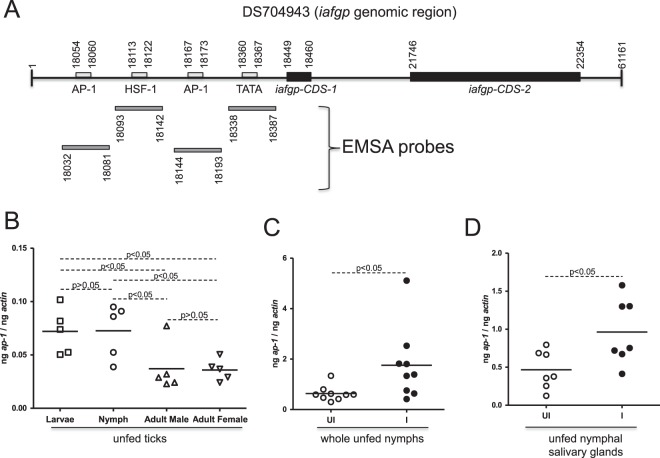
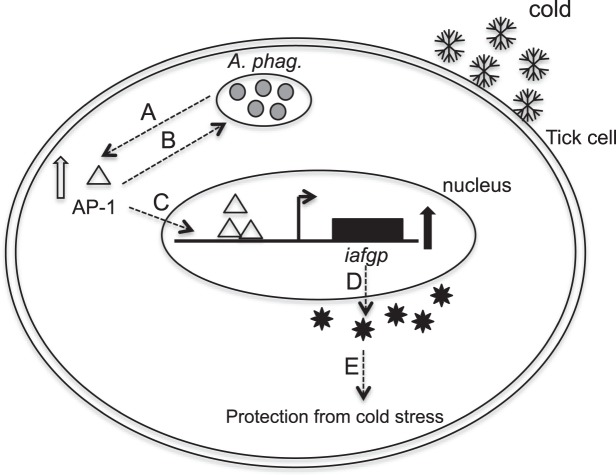
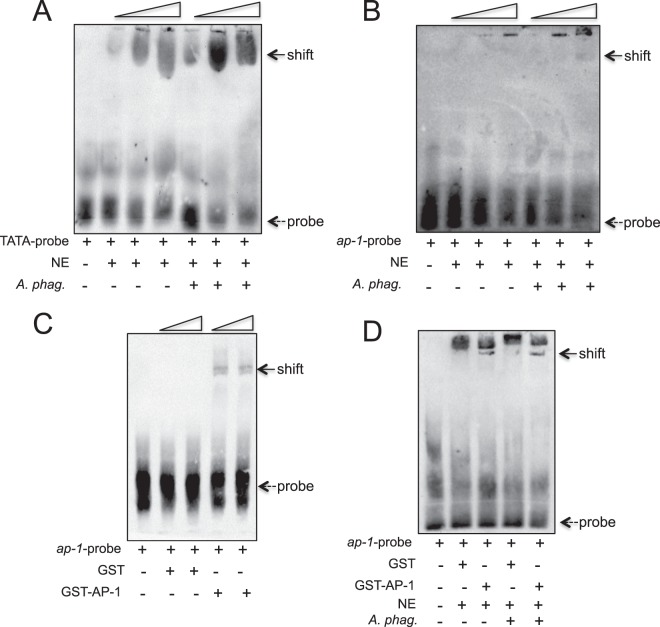
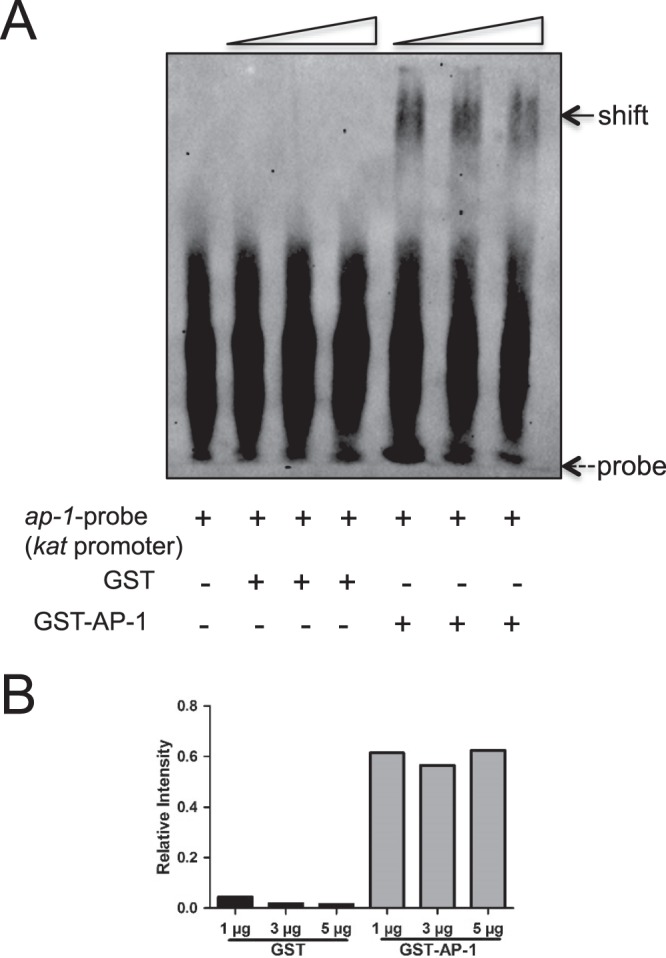
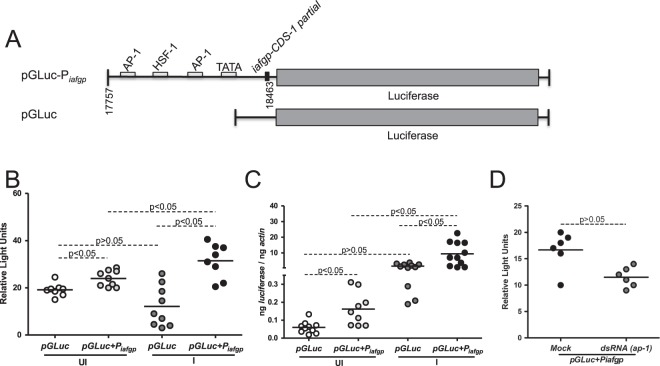
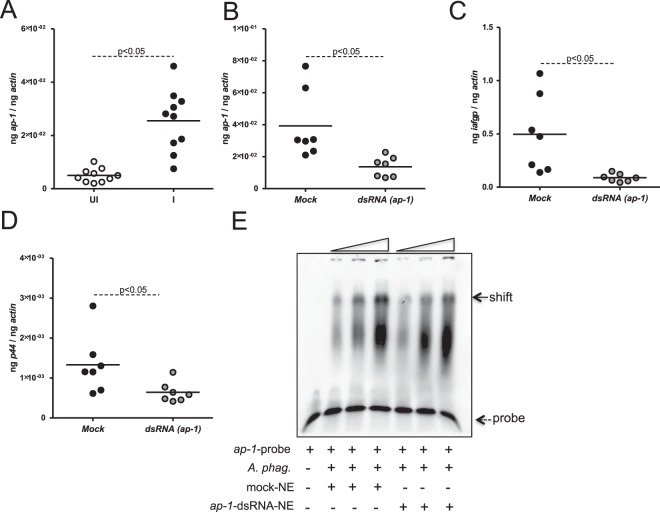
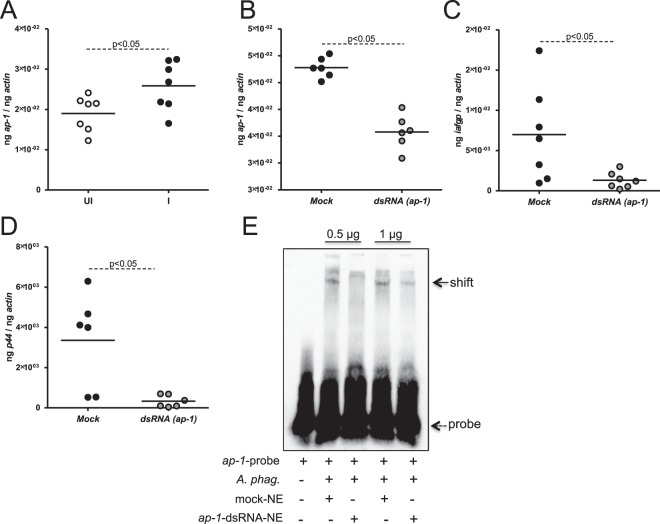
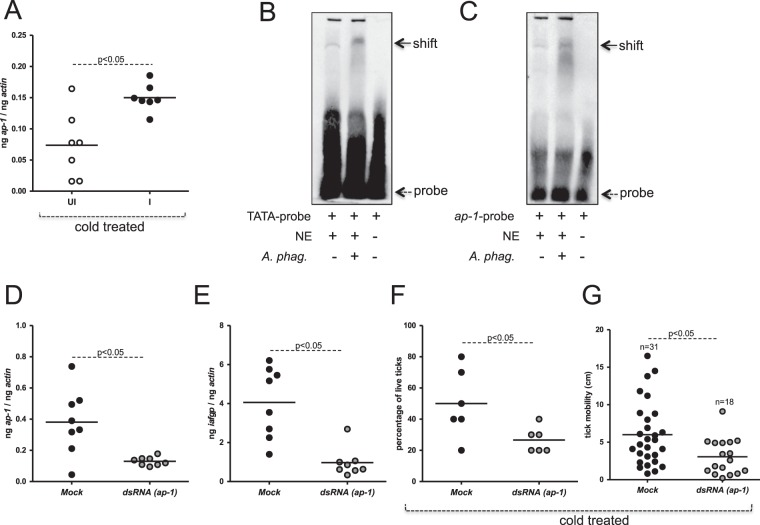
Ixodes scapularis ticks transmit several pathogens to humans including rickettsial bacterium, Anaplasma phagocytophilum. Here, we report that A. phagocytophilum uses tick transcriptional activator protein-1 (AP-1) as a molecular switch in the regulation of arthropod antifreeze gene, iafgp. RNAi-mediated silencing of ap-1 expression significantly affected iafgp gene expression and A. phagocytophilum burden in ticks upon acquisition from the murine host. Gel shift assays provide evidence that both the bacterium and AP-1 influences iafgp promoter and expression. The luciferase assays revealed that a region of approximately 700 bp upstream of the antifreeze gene is sufficient for AP-1 binding to promote iafgp gene expression. Furthermore, survival assays revealed that AP-1-deficient ticks were more susceptible to cold in comparison to the mock controls. In addition, this study also indicates arthropod AP-1 as a global regulator for some of the tick genes critical for A. phagocytophilum survival in the vector. In summary, our study defines a novel mode of arthropod signaling for the survival of both rickettsial pathogen and its medically important vector in the cold.
硬蜱传播几种病原体给人类,包括立克次体细菌,嗜吞噬细胞无形体。在这里,我们报告嗜吞噬细胞无形体利用蜱转录激活蛋白-1(AP-1)作为调节节肢动物抗冻蛋白基因,iafgp 的分子开关。通过 RNAi 介导的 ap-1 表达沉默,显著影响了从鼠宿主中获得的蜱中 iafgp 基因的表达和嗜吞噬细胞无形体的负担。凝胶迁移分析提供了证据,表明细菌和 AP-1 均影响 iafgp 启动子和表达。荧光素酶分析显示,抗冻基因上游约 700bp 的区域足以与 AP-1 结合以促进 iafgp 基因表达。此外,生存分析表明,与模拟对照相比,AP-1 缺陷型蜱对寒冷更敏感。此外,这项研究还表明,节肢动物 AP-1 是一些对蜱虫在媒介中生存至关重要的 tick 基因的全局调节剂。总之,我们的研究定义了一种新的节肢动物信号模式,用于立克次体病原体及其在寒冷中具有重要医学意义的媒介的生存。