Department of Immunology, Basic Medicine Science, Medical College, Xiamen University, Xiamen, Fujian 361102, China.
State Key Laboratory of Oncogenes and Related Genes, Shanghai Jiao Tong University, Shanghai 200032, China.
J Immunol Res. 2018 Jul 5;2018:5070573. doi: 10.1155/2018/5070573. eCollection 2018.
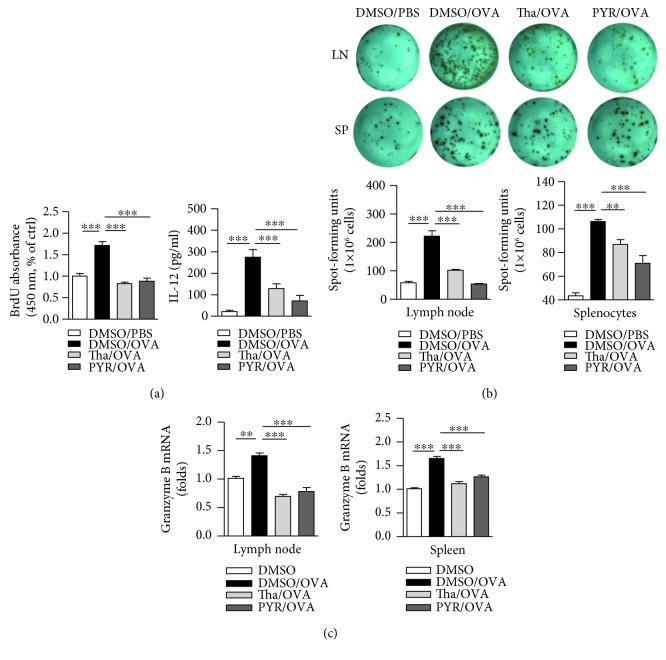
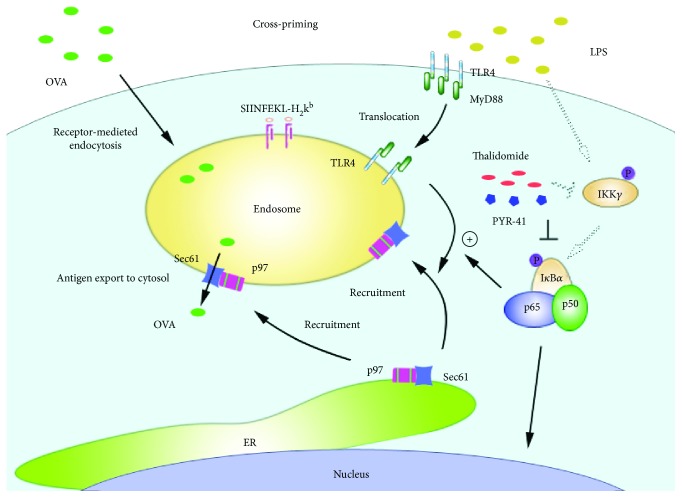
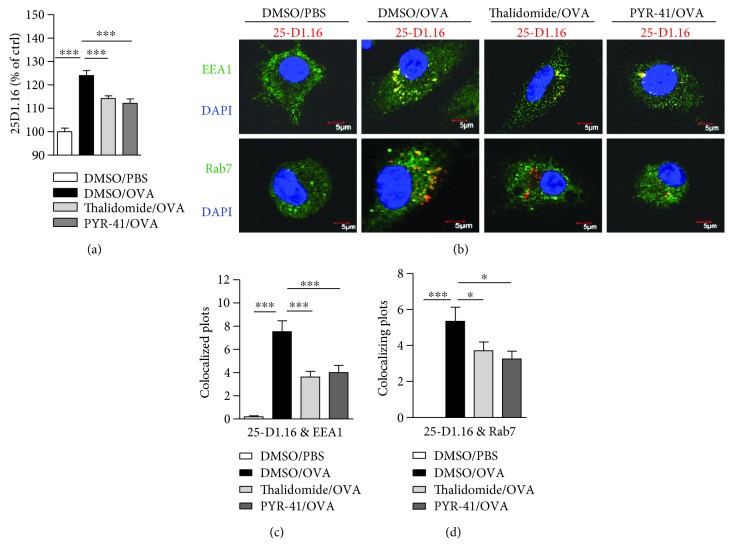
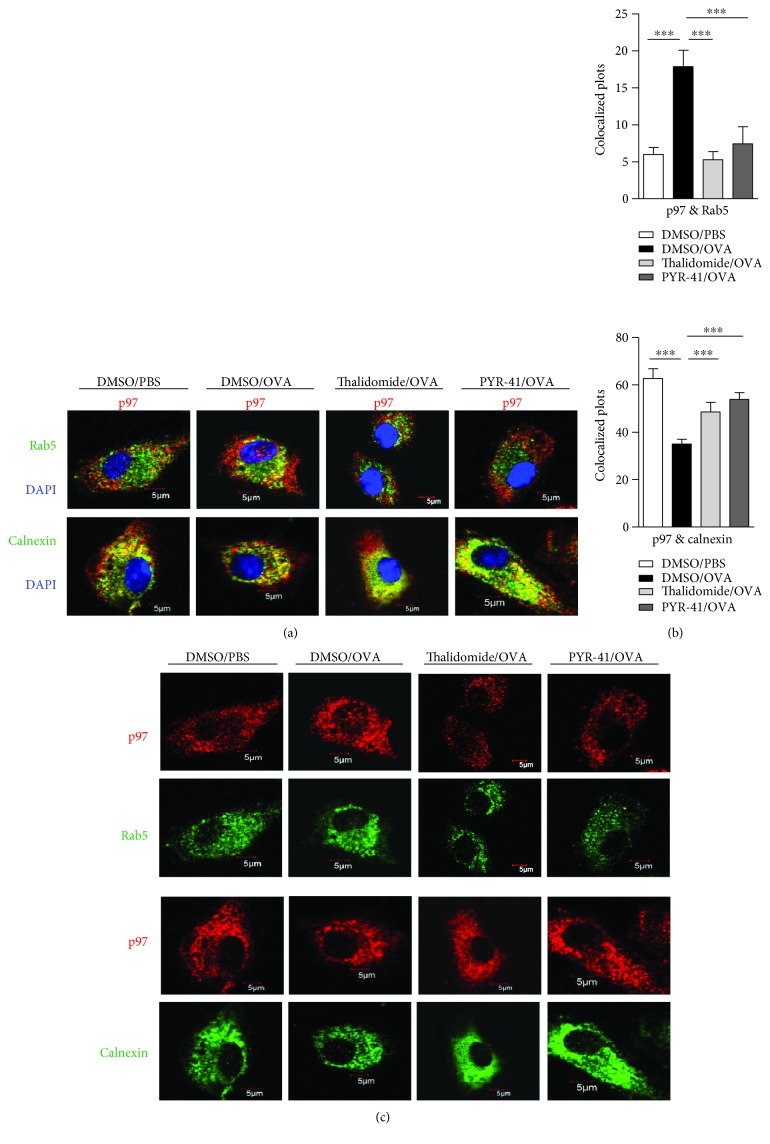
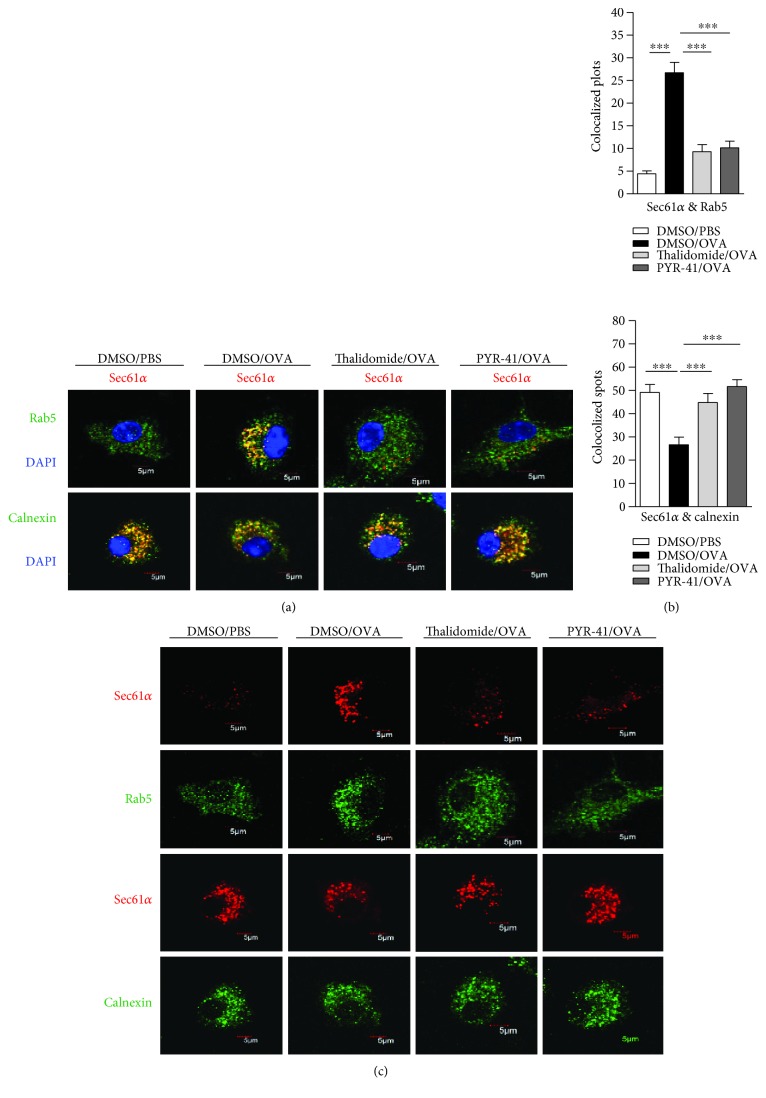
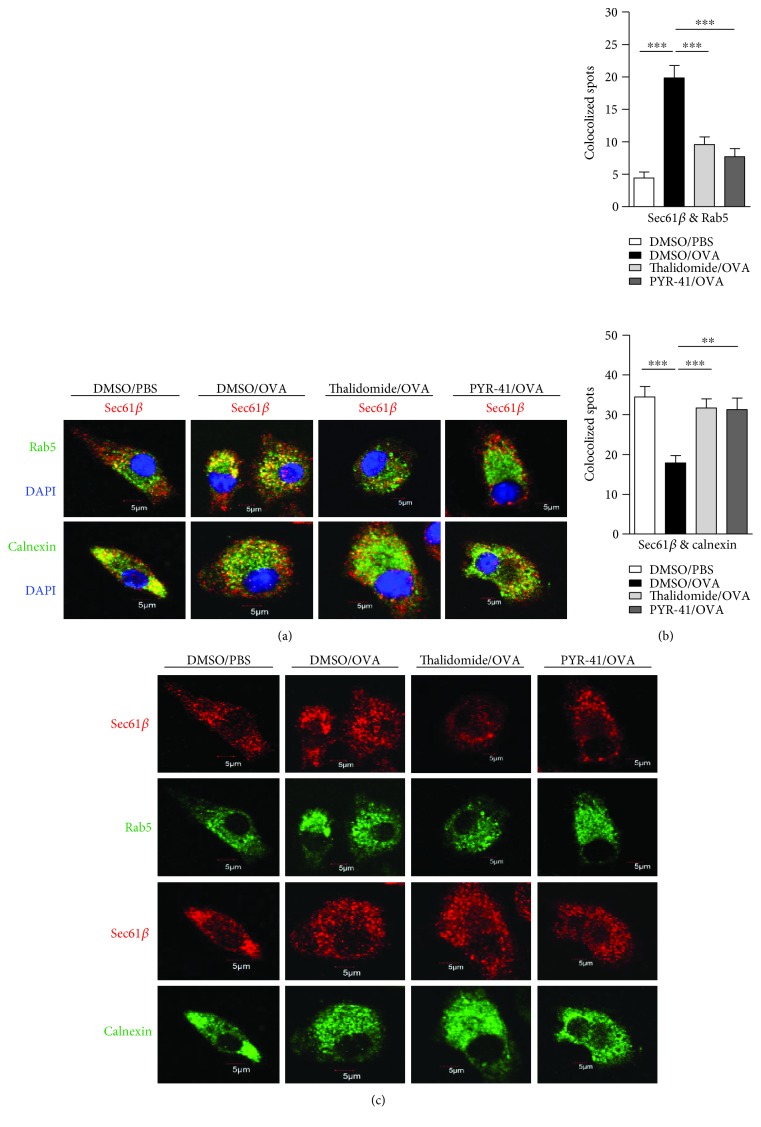
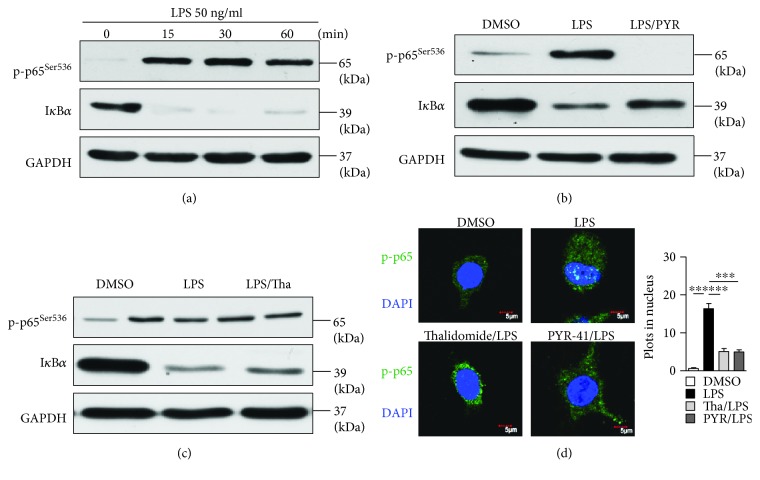
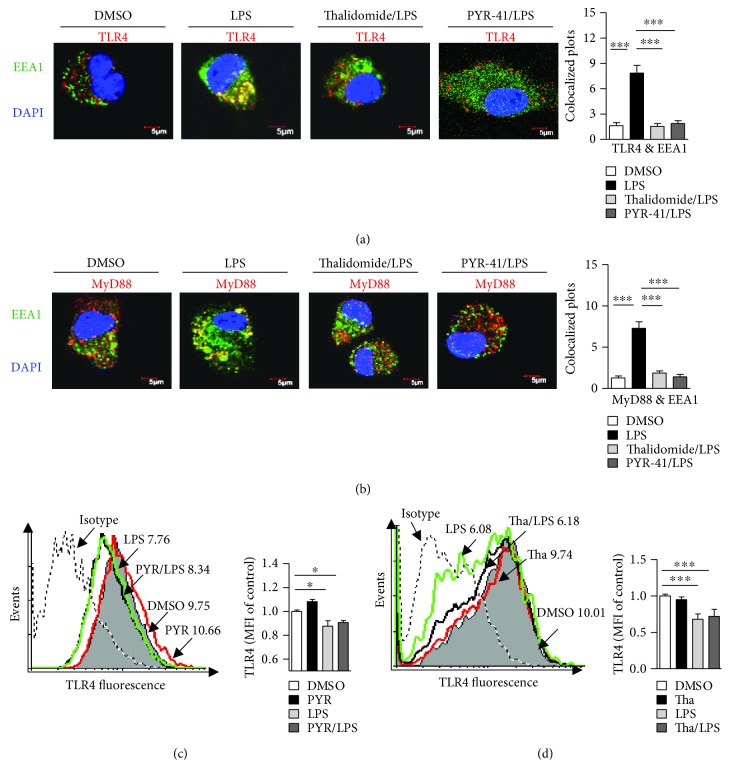
PYR-41 and thalidomide have therapeutic effects on inflammation-associated diseases with side effects such as tumorigenesis. Cross-presentation allows dendritic cells (DC) to present endogenous antigen and induce protective immunity against microbe infection and tumors. But, up to now, the effects of PYR-41 and thalidomide on cross-presentation are still uncertain. In this study, we investigated the effect and mechanism of PYR-41 and thalidomide on DC cross-presentation by observing Myddosome formation, endosomal recruitment of p97 and Sec61, NF-B activation, and cross-priming ability. We demonstrated that the inhibition of endosomal recruitment of p97 and Sec61, together with attenuated NF-B activation and Myddosome formation, contributes to PYR-41- and thalidomide-impaired cross-presentation and thereby reverses cross-activation of T cells. These observations suggest that NF-B signaling and p97 and Sec61 molecules are candidates for dealing with the side effects of PYR-41 and thalidomide.
PYR-41 和沙利度胺具有治疗炎症相关疾病的功效,但也有致癌等副作用。交叉呈递使树突状细胞(DC)能够呈递内源性抗原,并诱导针对微生物感染和肿瘤的保护性免疫。但是,到目前为止,PYR-41 和沙利度胺对交叉呈递的影响仍不确定。在这项研究中,我们通过观察 Myddosome 形成、p97 和 Sec61 的内体募集、NF-B 激活和交叉引发能力,研究了 PYR-41 和沙利度胺对 DC 交叉呈递的影响及其机制。我们证明,p97 和 Sec61 的内体募集的抑制,以及 NF-B 激活和 Myddosome 形成的减弱,导致了 PYR-41 和沙利度胺受损的交叉呈递,并由此逆转了 T 细胞的交叉激活。这些观察结果表明,NF-B 信号和 p97 和 Sec61 分子是应对 PYR-41 和沙利度胺副作用的候选药物。