a Department of Medical Microbiology , University of Groningen, University Medical Center Groningen , Groningen , the Netherlands.
b Institute for Microbiology , Ernst-Moritz-Arndt-University Greifswald , Greifswald , Germany.
Virulence. 2018;9(1):1377-1389. doi: 10.1080/21505594.2018.1509666.
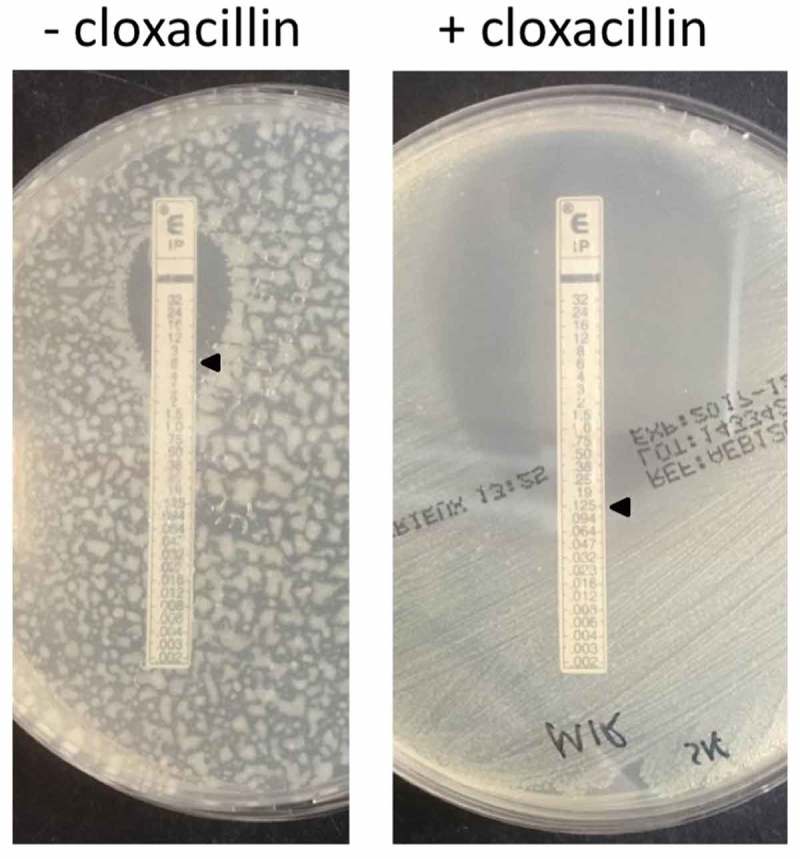
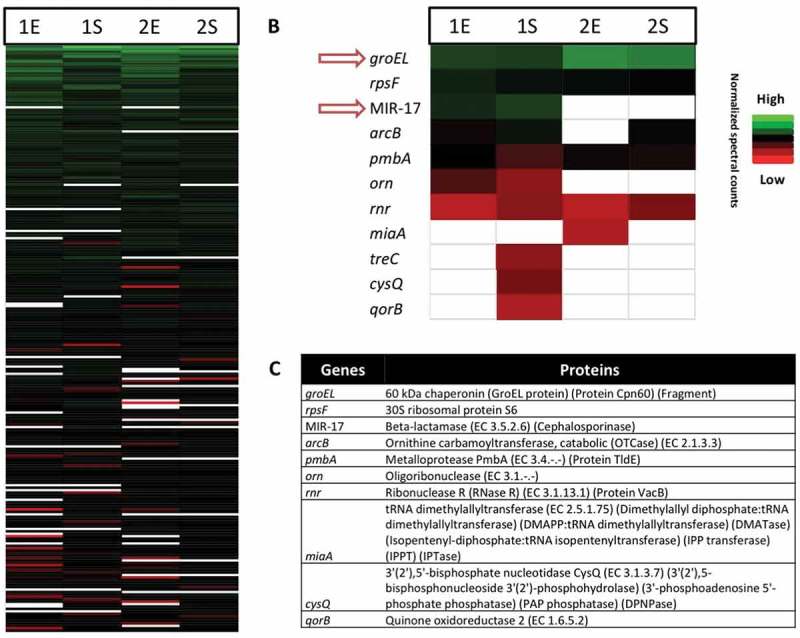
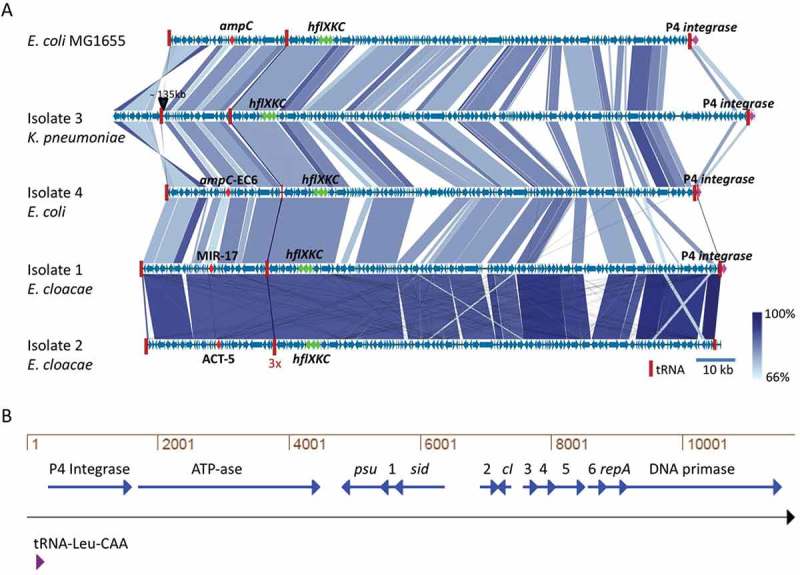
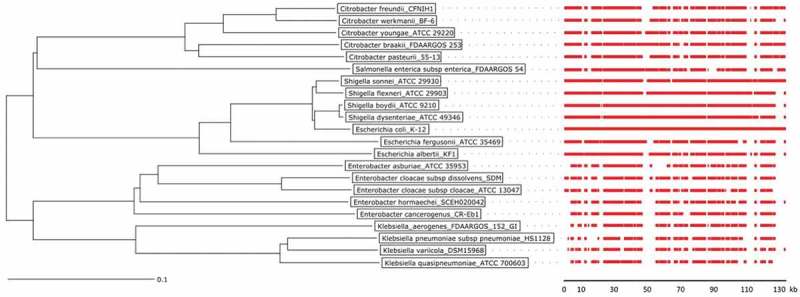
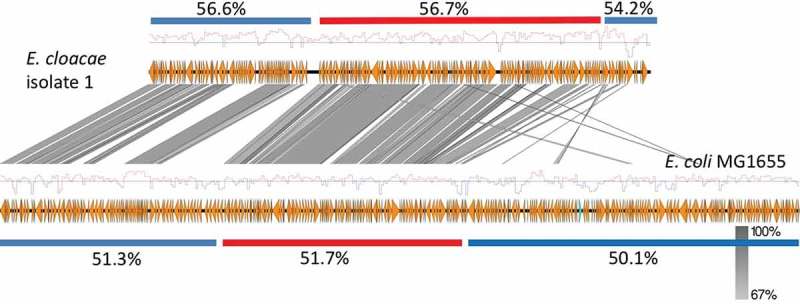
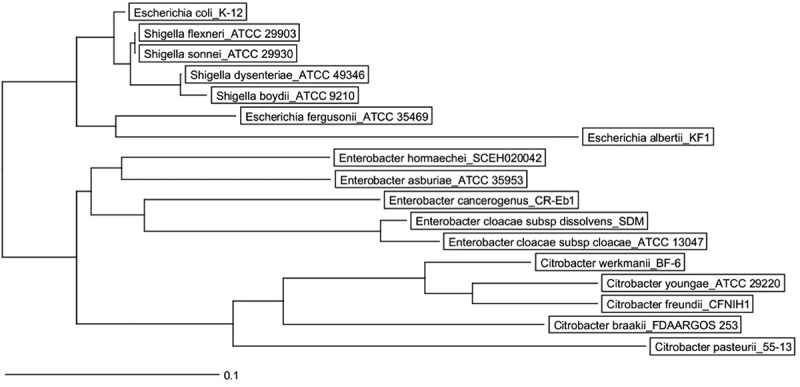
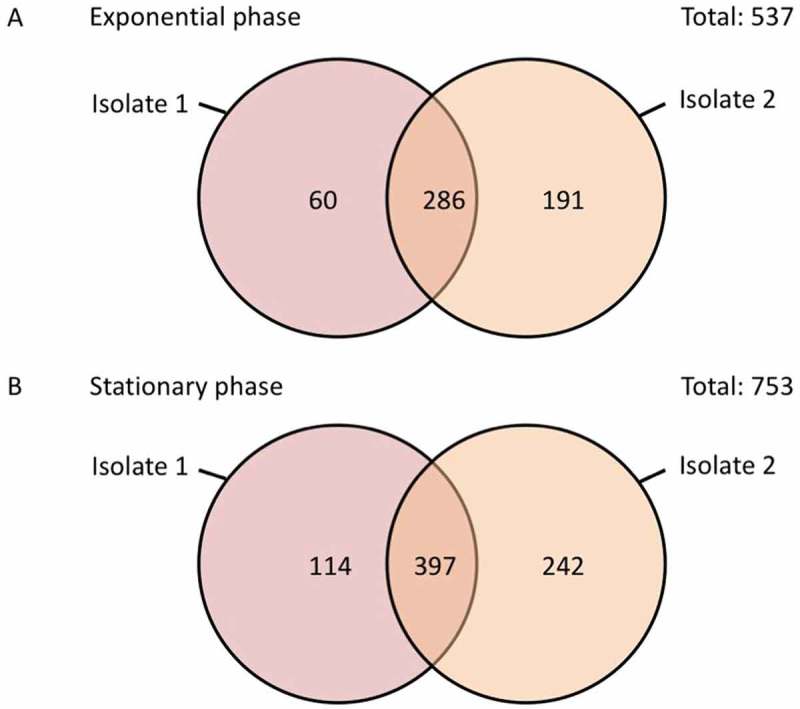
The exchange of mobile genomic islands (MGIs) between microorganisms is often mediated by phages, which may provide benefits to the phage's host. The present study started with the identification of Enterobacter cloacae, Klebsiella pneumoniae and Escherichia coli isolates with exceptional cephalosporin and carbapenem resistance phenotypes from patients in a neonatal ward. To identify possible molecular connections between these isolates and their β-lactam resistance phenotypes, the respective bacterial genome sequences were compared. This unveiled the existence of a family of ancient MGIs that were probably exchanged before the species E. cloacae, K. pneumoniae and E. coli emerged from their common ancestry. A representative MGI from E. cloacae was named MIR17-GI, because it harbors the novel β-lactamase gene variant bla. Importantly, our observations show that the MIR17-GI-like MGIs harbor genes associated with high-level resistance to cephalosporins. Among them, MIR17-GI stands out because MIR17 also displays carbapenemase activity. As shown by mass spectrometry, the MIR17 carbapenemase is among the most abundantly expressed proteins of the respective E. cloacae isolate. Further, we show that MIR17-GI-like islands are associated with integrated P4-like prophages. This implicates phages in the spread of cephalosporin and carbapenem resistance amongst Enterobacteriaceae. The discovery of an ancient family of MGIs, mediating the spread of cephalosporinase and carbapenemase genes, is of high clinical relevance, because high-level cephalosporin and carbapenem resistance have serious implications for the treatment of patients with enterobacteriaceal infections.
移动基因组岛 (MGI) 在微生物之间的交换通常由噬菌体介导,这可能为噬菌体的宿主提供益处。本研究从新生儿病房的患者中分离出具有特殊头孢菌素和碳青霉烯类抗生素耐药表型的阴沟肠杆菌、肺炎克雷伯菌和大肠杆菌开始。为了确定这些分离株与其β-内酰胺类抗生素耐药表型之间可能存在的分子联系,比较了它们各自的细菌基因组序列。这揭示了一系列古老的 MGI 的存在,这些 MGI 可能在阴沟肠杆菌、肺炎克雷伯菌和大肠杆菌从其共同祖先中出现之前就已经发生了交换。从阴沟肠杆菌中分离到的一个 MGI 代表,被命名为 MIR17-GI,因为它含有新型的β-内酰胺酶基因变体 bla。重要的是,我们的观察结果表明,MIR17-GI 样 MGI 携带与头孢菌素高水平耐药相关的基因。其中,MIR17-GI 因其 MIR17 还具有碳青霉烯酶活性而引人注目。质谱分析表明,MIR17 碳青霉烯酶是相应阴沟肠杆菌分离株中表达最丰富的蛋白质之一。此外,我们还表明,MIR17-GI 样岛屿与整合的 P4 样原噬菌体有关。这表明噬菌体在肠杆菌科中头孢菌素和碳青霉烯类抗生素耐药性的传播中起作用。发现介导头孢菌素酶和碳青霉烯酶基因传播的古老 MGI 家族具有高度的临床相关性,因为高水平的头孢菌素和碳青霉烯类抗生素耐药性对治疗肠杆菌感染患者具有严重影响。