Artusi Sara, Miyagawa Yoshitaka, Goins William F, Cohen Justus B, Glorioso Joseph C
Department of Microbiology and Molecular Genetics, University of Pittsburgh, 450 Technology Drive, Pittsburgh, PA 15219, USA.
Department of Molecular and Medical Genetics, Nippon Medical School, Tokyo 113-8602, Japan.
Diseases. 2018 Aug 14;6(3):74. doi: 10.3390/diseases6030074.
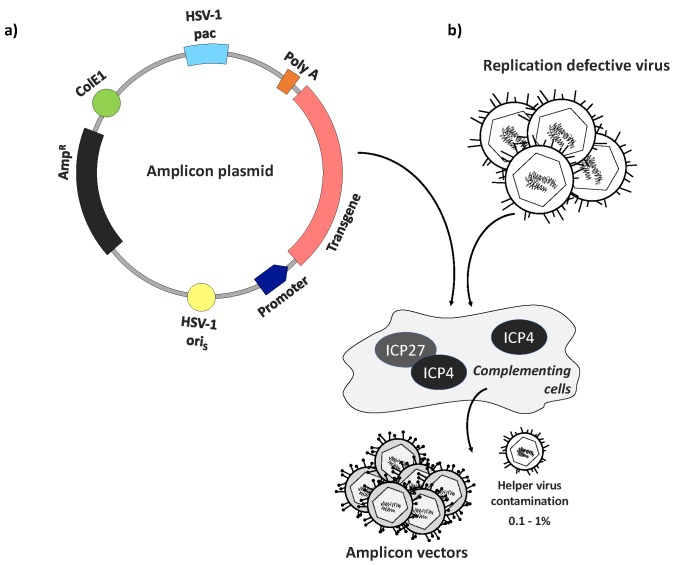
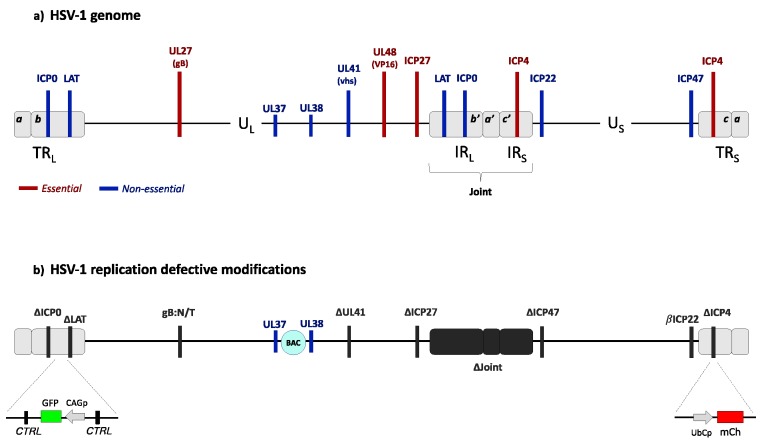
Neurodegenerative diseases (NDs) have a profound impact on human health worldwide and their incidence is predicted to increase as the population ages. ND severely limits the quality of life and leads to early death. Aside from treatments that may reduce symptoms, NDs are almost completely without means of therapeutic intervention. The genetic and biochemical basis of many NDs is beginning to emerge although most have complex etiologies for which common themes remain poorly resolved. Largely relying on progress in vector design, gene therapy is gaining increasing support as a strategy for genetic treatment of diseases. Here we describe recent developments in the engineering of highly defective herpes simplex virus (HSV) vectors suitable for transfer and long-term expression of large and/or multiple therapeutic genes in brain neurons in the complete absence of viral gene expression. These advanced vector platforms are safe, non-inflammatory, and persist in the nerve cell nucleus for life. In the near term, it is likely that HSV can be used to treat certain NDs that have a well-defined genetic cause. As further information on disease etiology becomes available, these vectors may take on an expanded role in ND therapies, including gene editing and repair.
神经退行性疾病(NDs)对全球人类健康有着深远影响,预计随着人口老龄化其发病率将会上升。NDs严重限制生活质量并导致过早死亡。除了可能减轻症状的治疗方法外,NDs几乎完全没有治疗干预手段。尽管许多NDs的病因复杂,共同的主题仍未得到很好的解决,但它们的遗传和生化基础正开始显现。基因治疗在很大程度上依赖于载体设计的进展,作为一种疾病基因治疗策略正获得越来越多的支持。在此,我们描述了高度缺陷型单纯疱疹病毒(HSV)载体工程的最新进展,这种载体适用于在完全没有病毒基因表达的情况下,将大型和/或多个治疗性基因转移并长期表达于脑神经元中。这些先进的载体平台安全、无炎症,并能在神经细胞核中终身存在。在短期内,HSV很可能可用于治疗某些有明确遗传病因的NDs。随着关于疾病病因的更多信息可得,这些载体可能在NDs治疗中发挥更大作用,包括基因编辑和修复。