Tiego Jeggan, Testa Renee, Bellgrove Mark A, Pantelis Christos, Whittle Sarah
Monash Institute of Cognitive and Clinical Neurosciences, School of Psychological Sciences, Monash University, Clayton, VIC, Australia.
Melbourne Neuropsychiatry Centre, Department of Psychiatry, University of Melbourne & Melbourne Health, Carlton South, VIC, Australia.
Front Psychol. 2018 Aug 2;9:1339. doi: 10.3389/fpsyg.2018.01339. eCollection 2018.
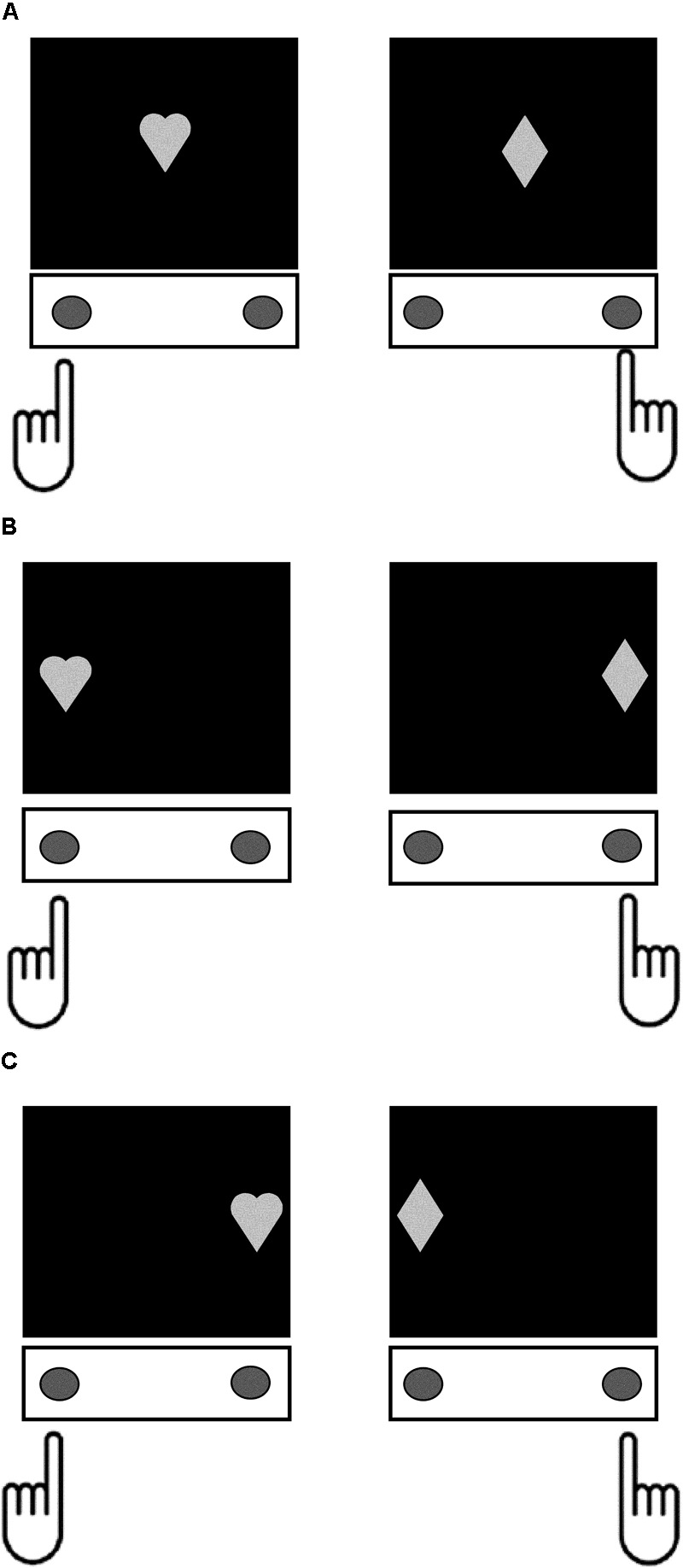
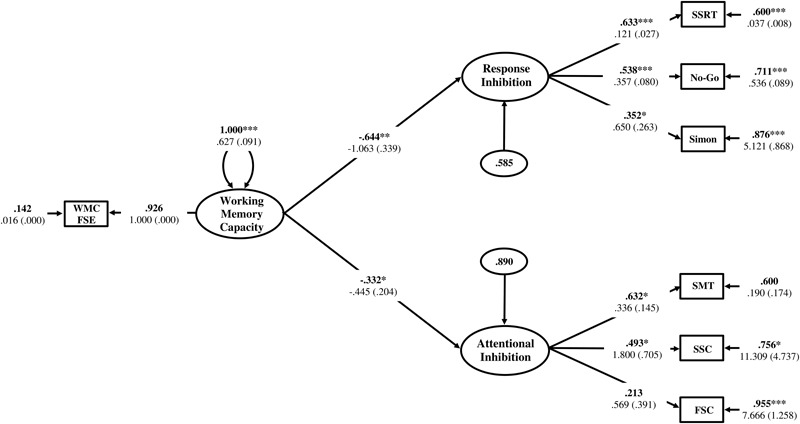
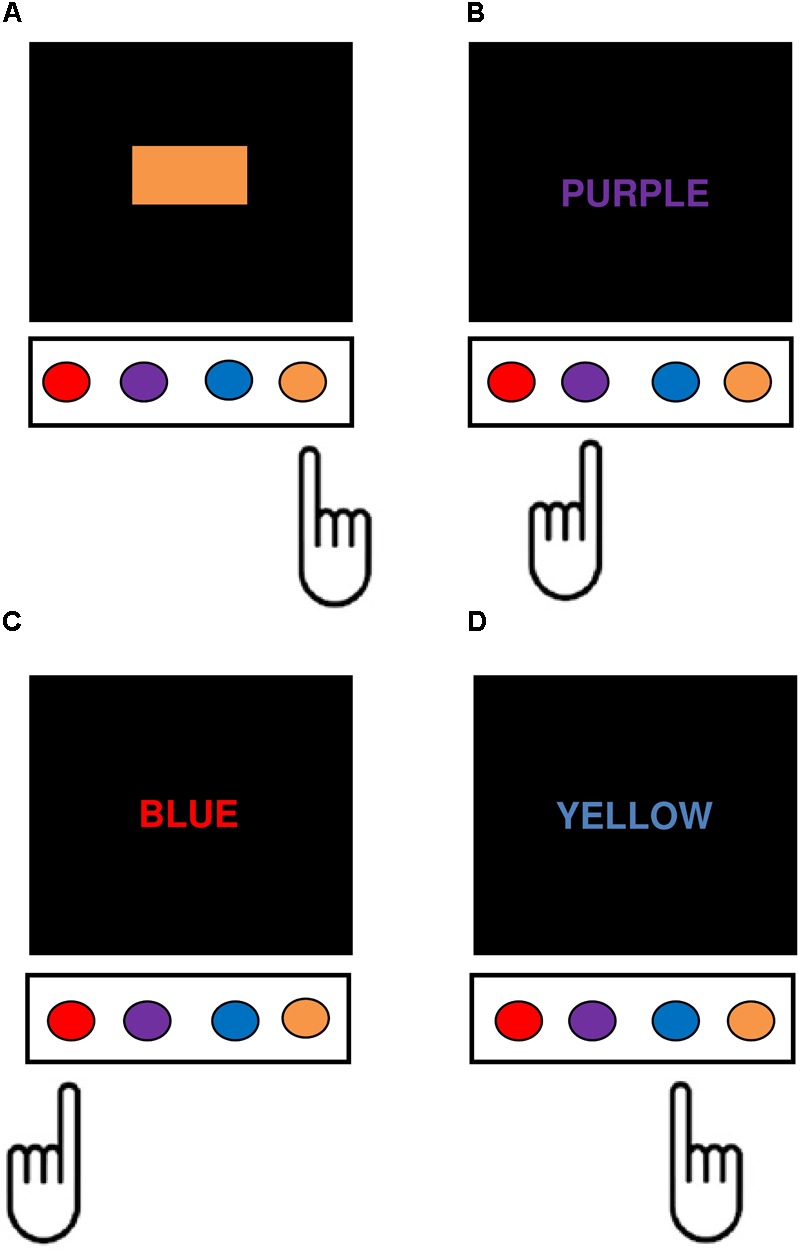
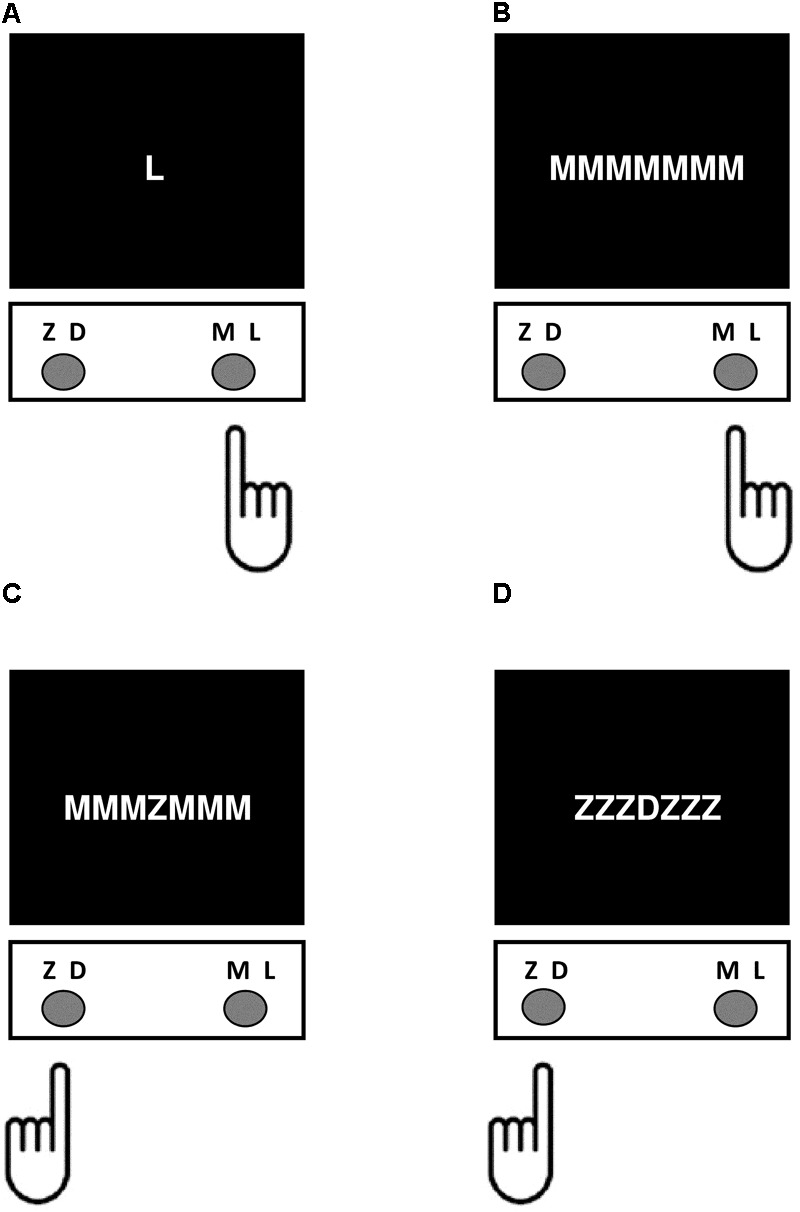
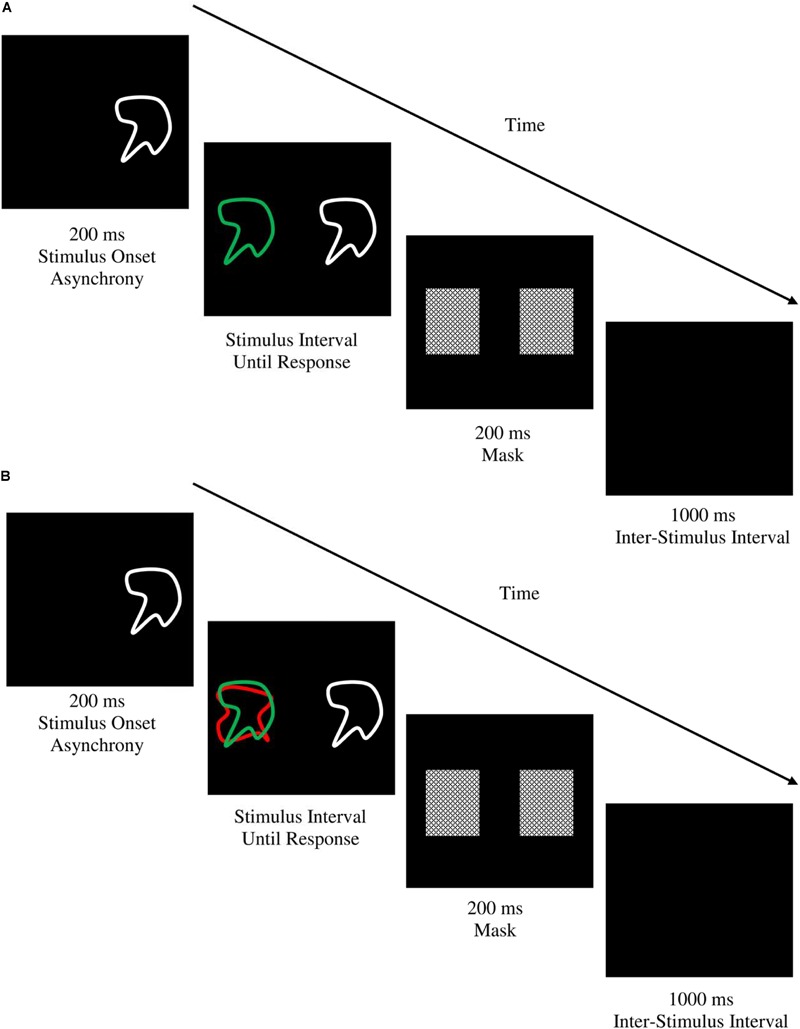
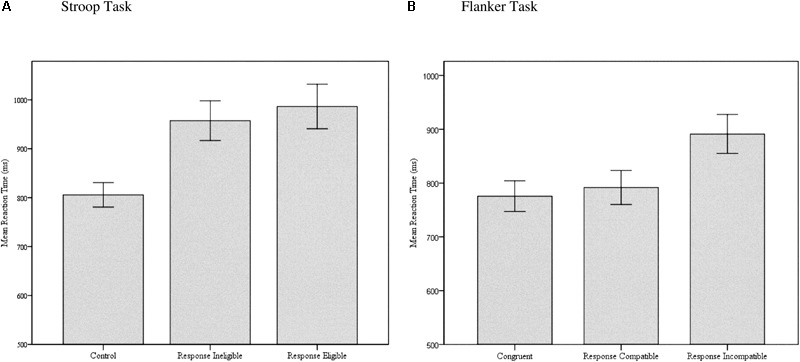
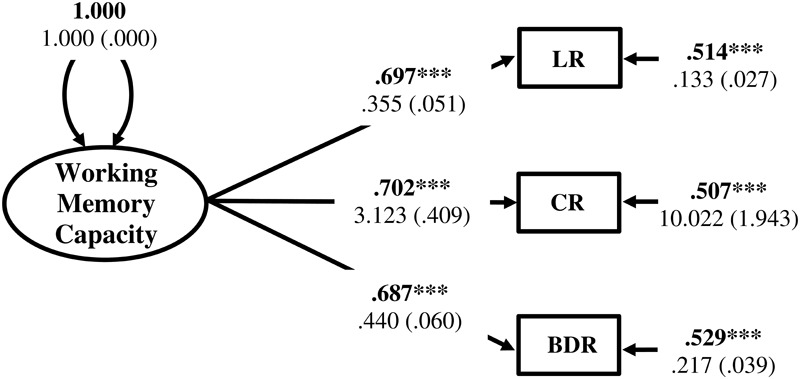
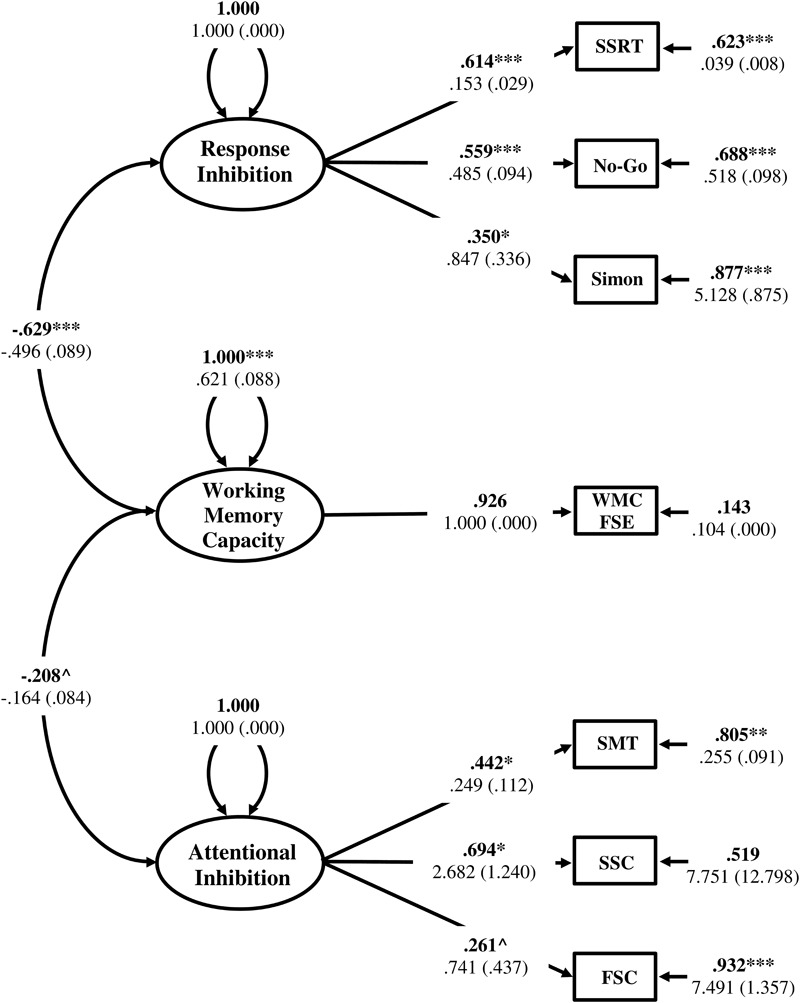
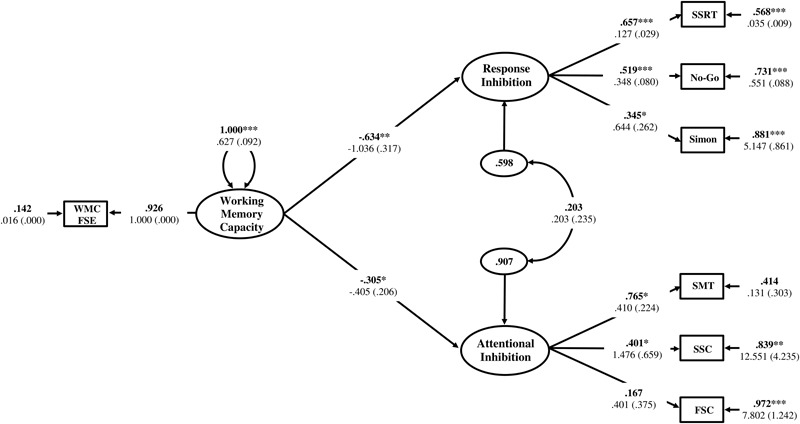
Inhibitory control describes the suppression of goal-irrelevant stimuli and behavioral responses. Current developmental taxonomies distinguish between Response Inhibition - the ability to suppress a prepotent motor response, and Attentional Inhibition - the ability to resist interference from distracting stimuli. Response Inhibition and Attentional Inhibition have exhibited moderately strong positive correlations in previous studies, suggesting they are closely related cognitive abilities. These results may reflect the use of cognitive tasks combining Stimulus-Stimulus- and Stimulus-Response-conflict as indicators of both constructs, which may have conflated their empirical association. Additionally, previous statistical modeling studies have not controlled for individual differences in Working Memory Capacity, which may account for some of the empirical overlap between Response Inhibition and Attentional Inhibition. The aim of the current study was to test a hierarchical model of inhibitory control that specifies Working Memory Capacity as a higher-order cognitive construct. Response Inhibition and Attentional Inhibition were conceptualized as lower-order cognitive mechanisms that should be empirically independent constructs apart from their shared reliance on Working Memory Capacity for active maintenance of goal-relevant representations. Measures of performance on modified stimulus-response compatibility tasks, complex memory span, and non-selective stopping tasks were obtained from 136 preadolescent children ( = 11 years, 10 months, = 8 months). Consistent with hypotheses, results from Structural Equation Modeling demonstrated that the Response Inhibition and Attentional Inhibition factors were empirically independent constructs that exhibited partial statistical dependence on the Working Memory Capacity factor. These findings have important implications for current theories and models of inhibitory control during development.
抑制控制描述的是对与目标无关的刺激和行为反应的抑制。当前的发展分类法区分了反应抑制(即抑制优势运动反应的能力)和注意抑制(即抵抗来自干扰性刺激的干扰的能力)。在以往的研究中,反应抑制和注意抑制表现出中等强度的正相关,这表明它们是密切相关的认知能力。这些结果可能反映了使用结合了刺激-刺激冲突和刺激-反应冲突的认知任务作为这两种结构的指标,这可能混淆了它们的实证关联。此外,以往的统计建模研究没有控制工作记忆容量的个体差异,这可能是反应抑制和注意抑制之间一些实证重叠的原因。本研究的目的是测试一种抑制控制的层次模型,该模型将工作记忆容量指定为一个高阶认知结构。反应抑制和注意抑制被概念化为低阶认知机制,除了它们共同依赖工作记忆容量来积极维持与目标相关的表征外,它们在实证上应该是独立的结构。从136名青春期前儿童(平均年龄 = 11岁10个月,标准差 = 8个月)那里获得了在修改后的刺激-反应兼容性任务、复杂记忆广度和非选择性停止任务上的表现测量数据。与假设一致,结构方程建模的结果表明,反应抑制和注意抑制因素在实证上是独立的结构,并且对工作记忆容量因素表现出部分统计依赖性。这些发现对当前关于发育过程中抑制控制的理论和模型具有重要意义。