Laboratory of Retrovirology, The Rockefeller University, New York, United States.
Center for Drug Discovery, The Department of Pediatrics, Emory University, Atlanta, United States.
Elife. 2018 Aug 22;7:e38867. doi: 10.7554/eLife.38867.
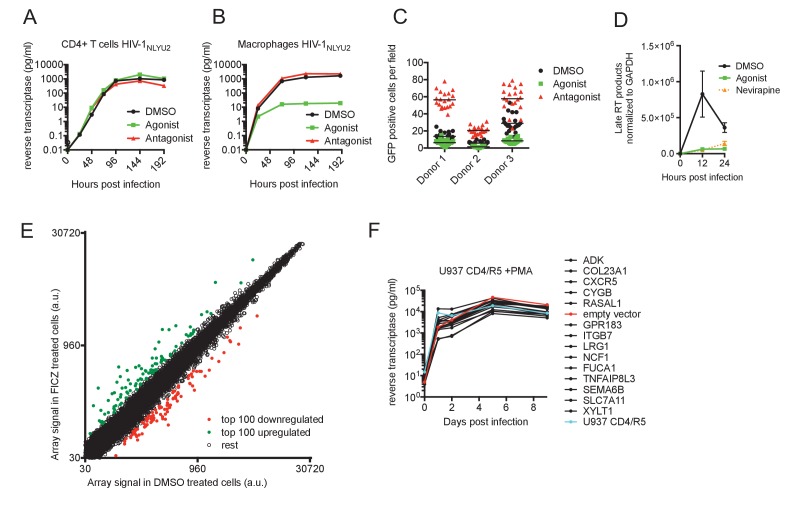
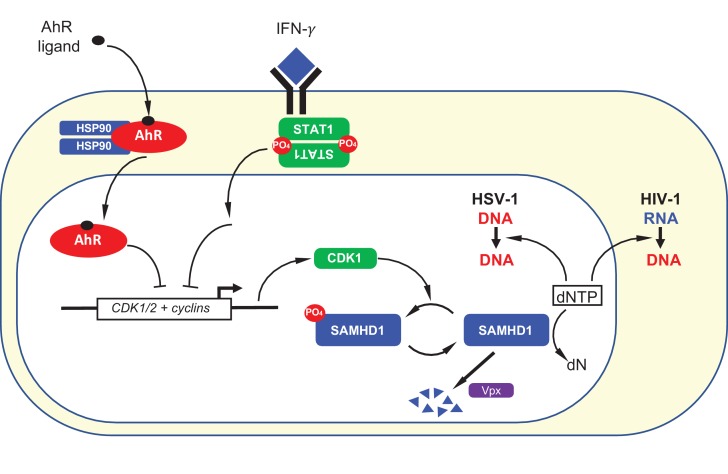
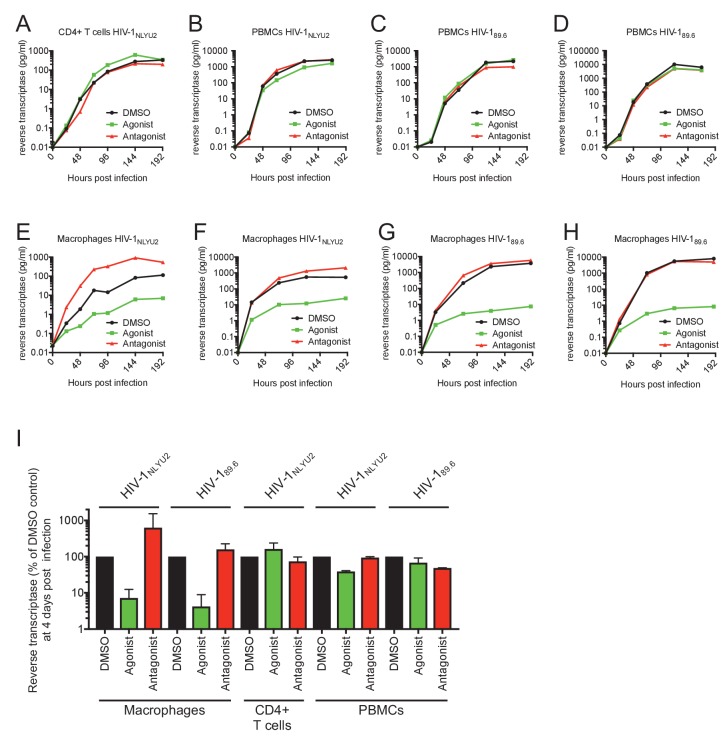
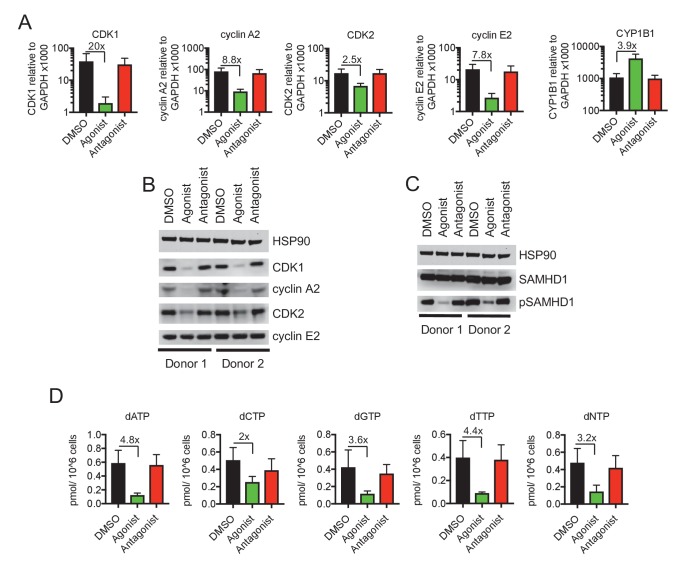
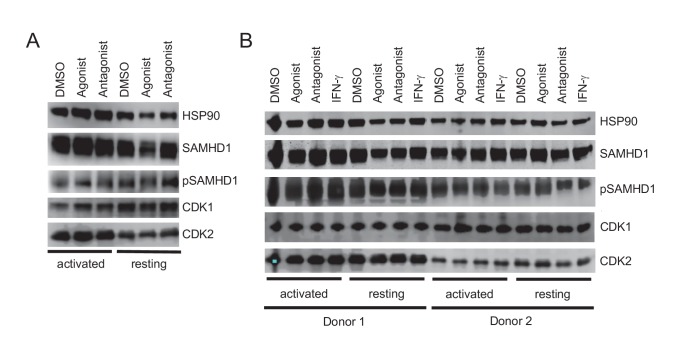
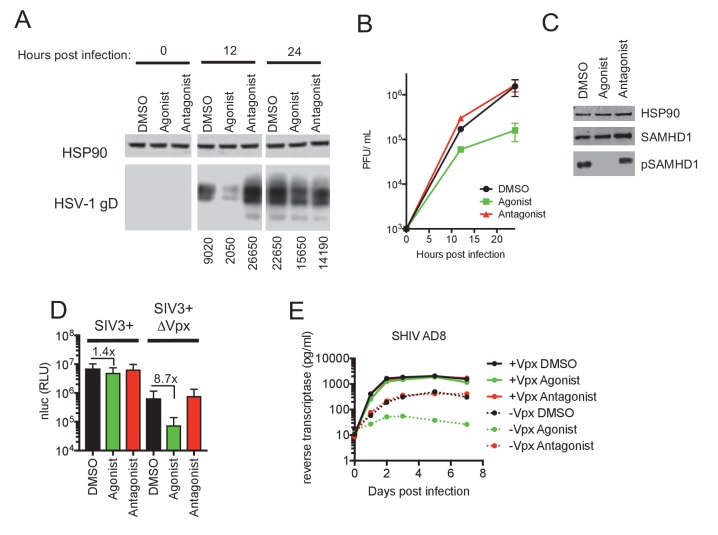
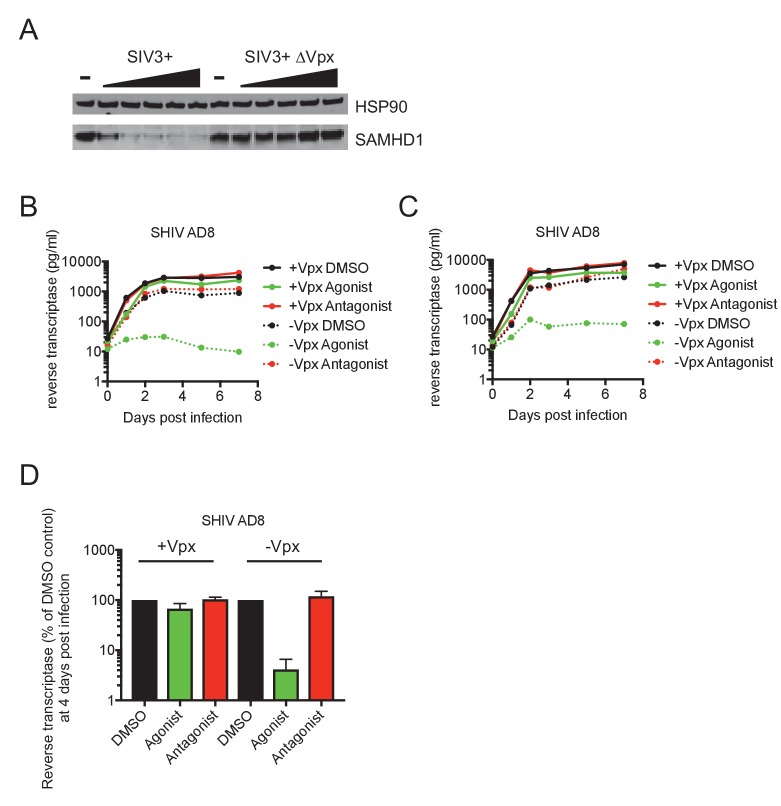
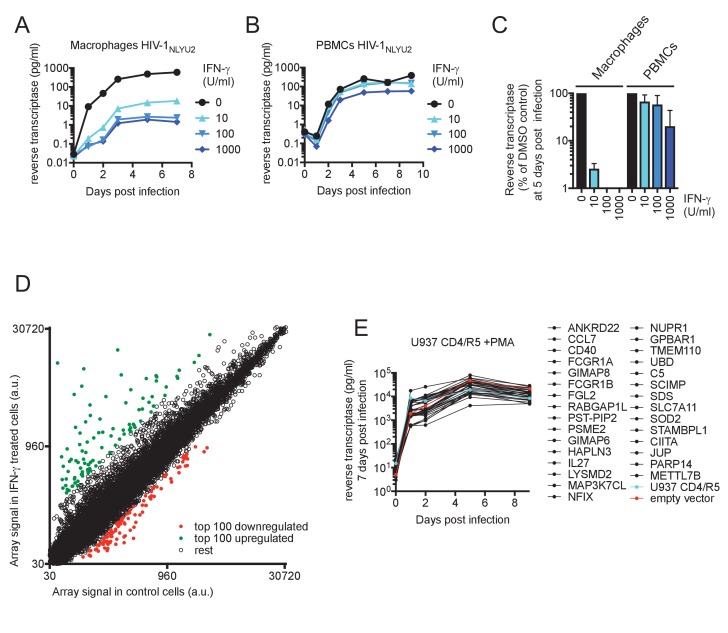
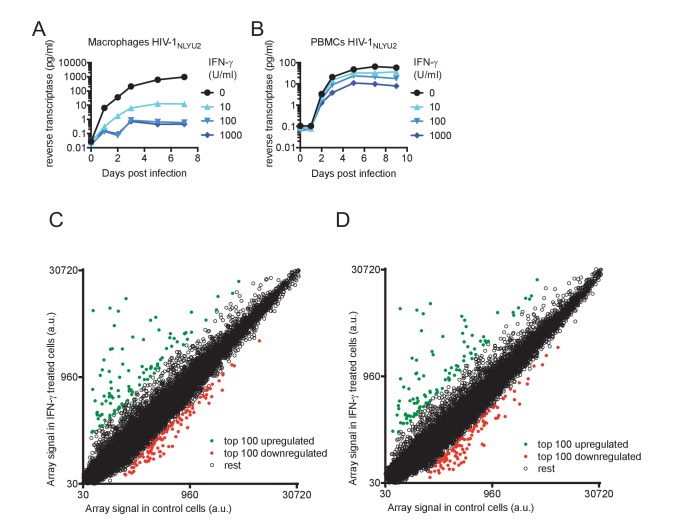
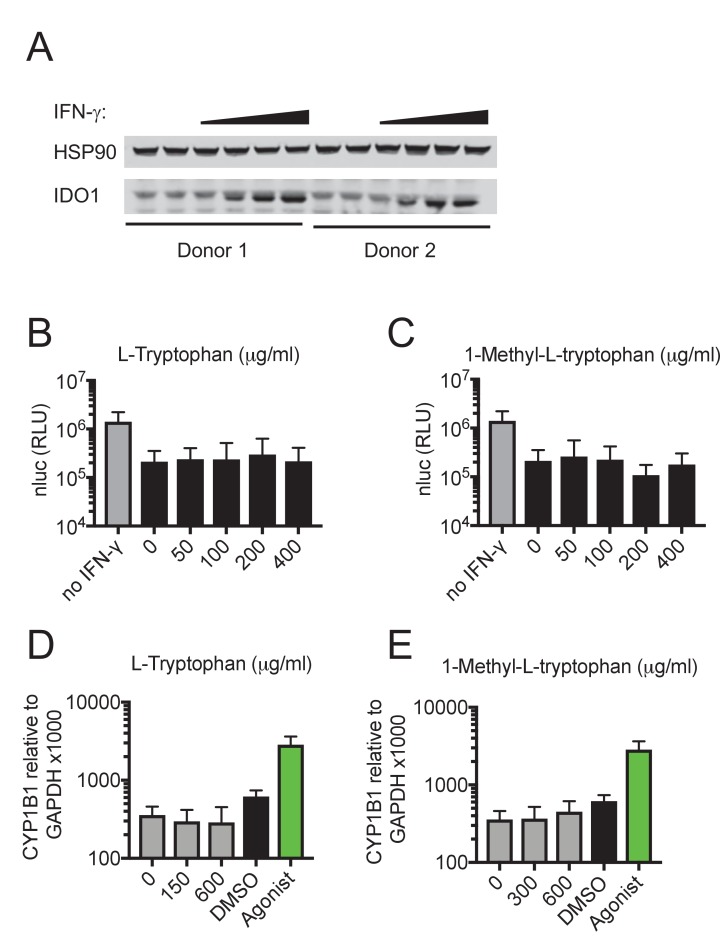
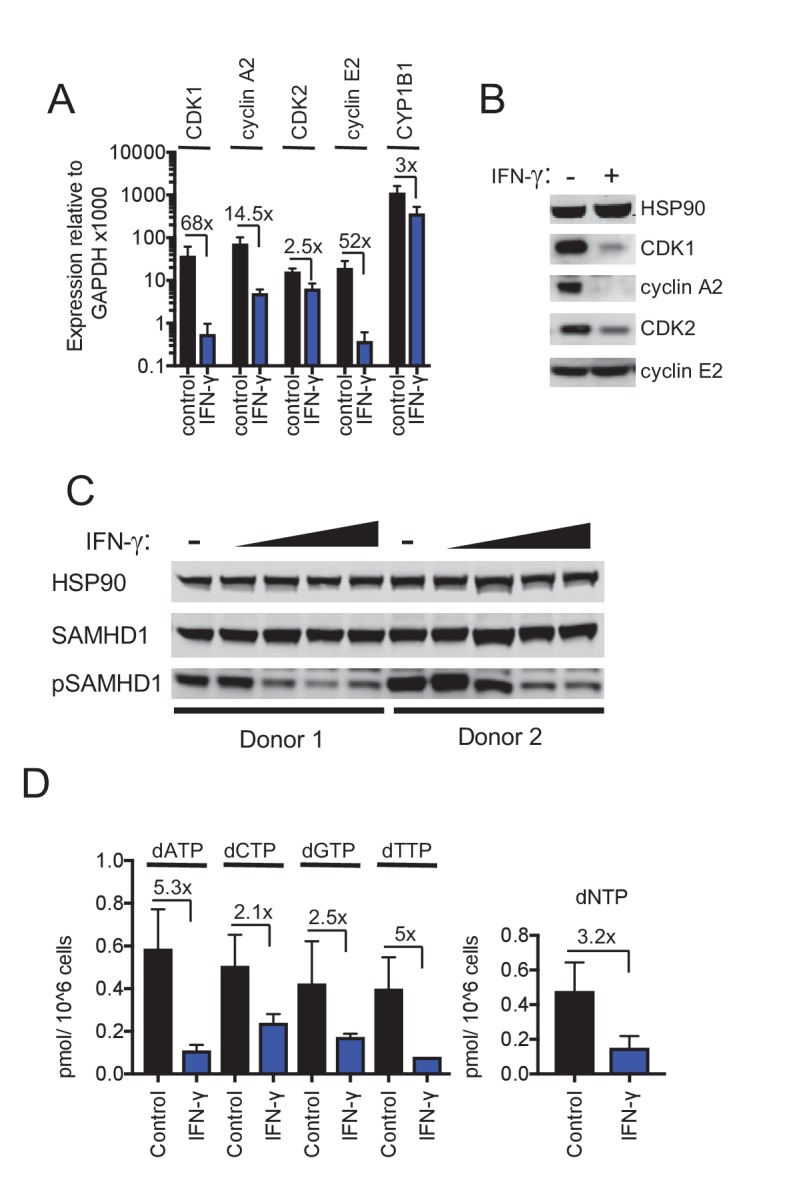
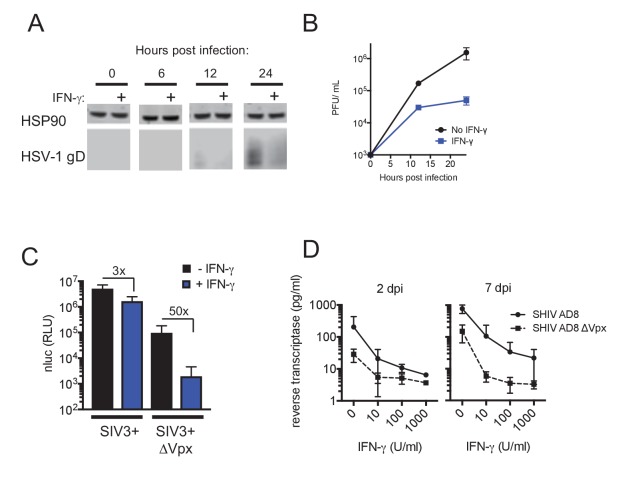
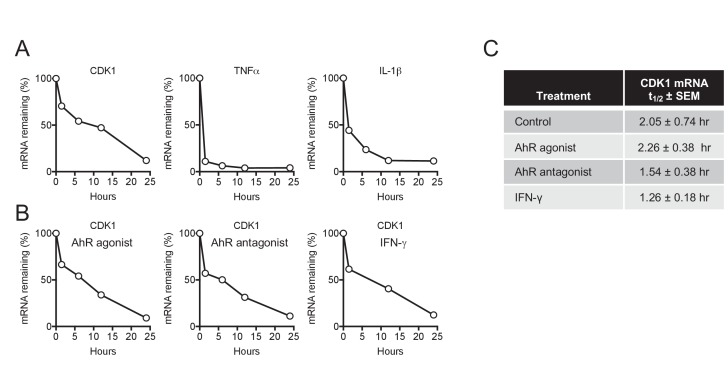
The aryl hydrocarbon receptor (AhR) is a ligand-dependent transcription factor whose activation induces the expression of numerous genes, with many effects on cells. However, AhR activation is not known to affect the replication of viruses. We show that AhR activation in macrophages causes a block to HIV-1 and HSV-1 replication. We find that AhR activation transcriptionally represses cyclin-dependent kinase (CDK)1/2 and their associated cyclins, thereby reducing SAMHD1 phosphorylation, cellular dNTP levels and both HIV-1 and HSV-1 replication. Remarkably, a different antiviral stimulus, interferon gamma (IFN-γ), that induces a largely non-overlapping set of genes, also transcriptionally represses CDK1, CDK2 and their associated cyclins, resulting in similar dNTP depletion and antiviral effects. Concordantly, the SIV Vpx protein provides complete and partial resistance to the antiviral effects of AhR and IFN-γ, respectively. Thus, distinct antiviral signaling pathways converge on CDK/cyclin repression, causing inhibition of viral DNA synthesis and replication.
芳香烃受体(AhR)是一种配体依赖性转录因子,其激活诱导许多基因的表达,对细胞有许多影响。然而,AhR 的激活是否影响病毒的复制尚不清楚。我们表明,巨噬细胞中 AhR 的激活会阻止 HIV-1 和 HSV-1 的复制。我们发现 AhR 的激活转录抑制细胞周期蛋白依赖性激酶(CDK)1/2 及其相关的细胞周期蛋白,从而降低 SAMHD1 磷酸化、细胞内 dNTP 水平以及 HIV-1 和 HSV-1 的复制。值得注意的是,另一种抗病毒刺激物干扰素 γ(IFN-γ)诱导了一组大部分不重叠的基因,也转录抑制 CDK1、CDK2 及其相关的细胞周期蛋白,导致类似的 dNTP 耗竭和抗病毒作用。一致地,SIV Vpx 蛋白分别为 AhR 和 IFN-γ 的抗病毒作用提供完全和部分抗性。因此,不同的抗病毒信号通路集中在 CDK/细胞周期蛋白的抑制上,导致病毒 DNA 合成和复制的抑制。