Center for Kidney Research and Therapeutics, Feinberg Cardiovascular Research Institute, Northwestern University Feinberg School of Medicine, Chicago, IL, USA.
Division of Nephrology and Hypertension, Northwestern University Feinberg School of Medicine, Chicago, IL, USA.
Am J Transplant. 2019 Mar;19(3):674-685. doi: 10.1111/ajt.15087. Epub 2018 Sep 24.
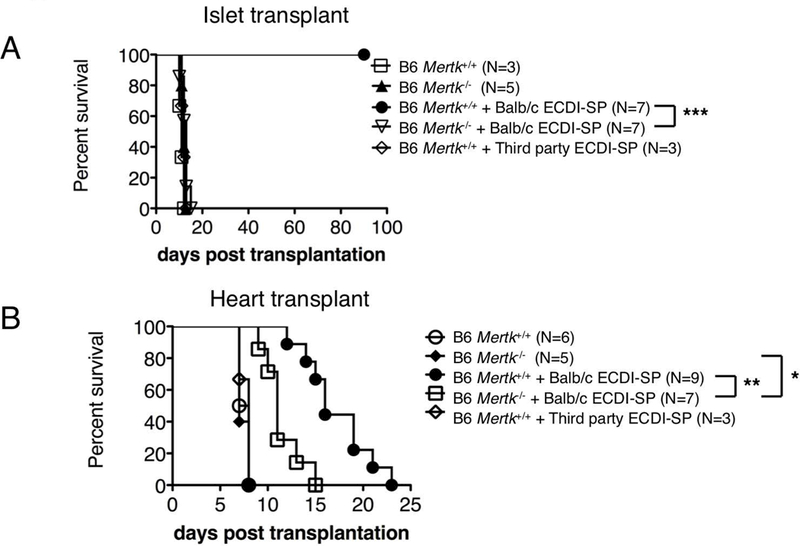
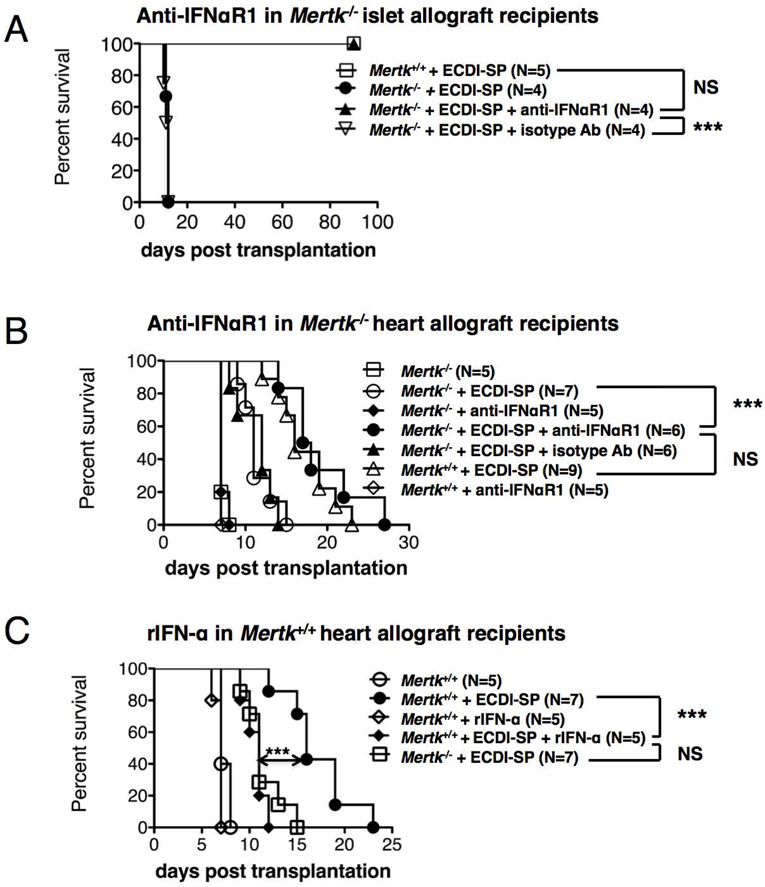
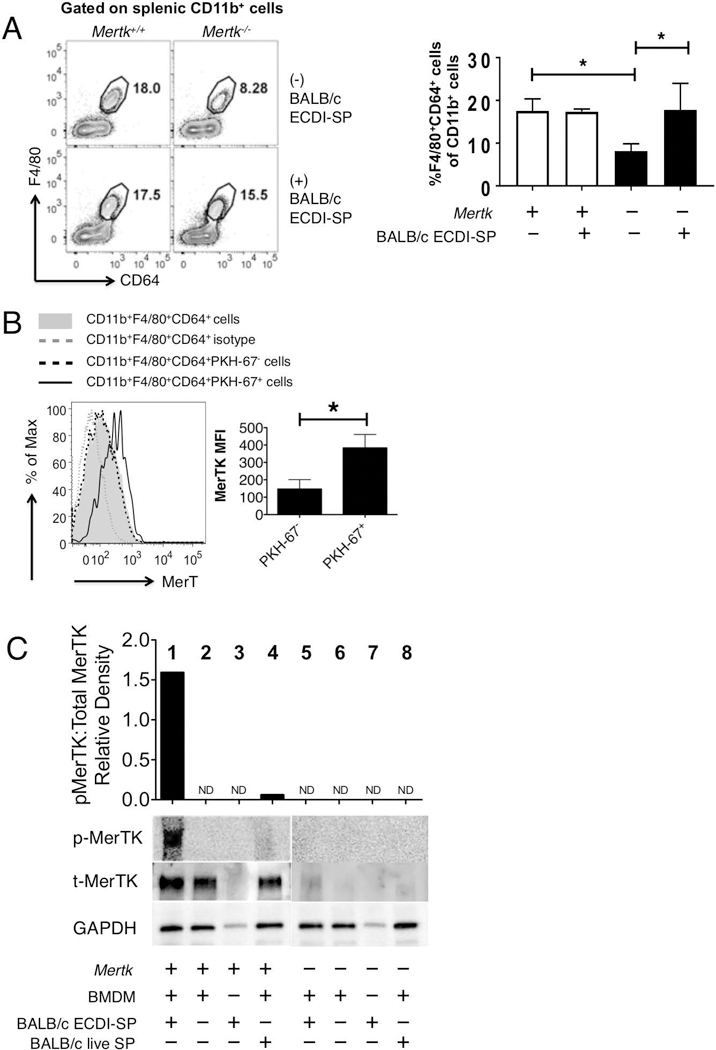
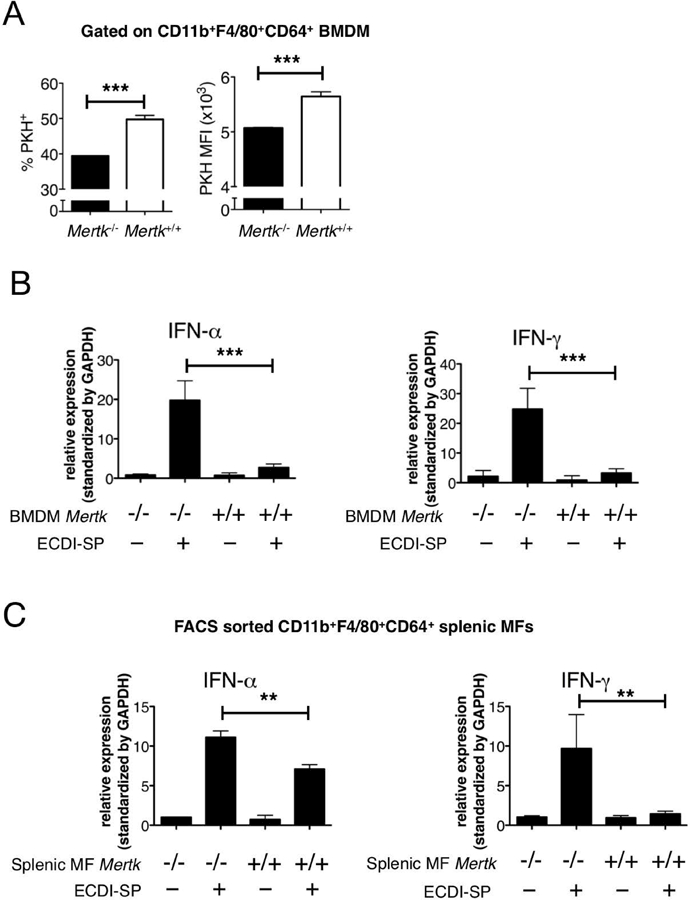
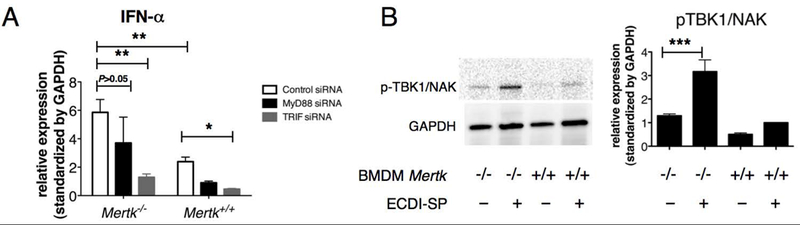
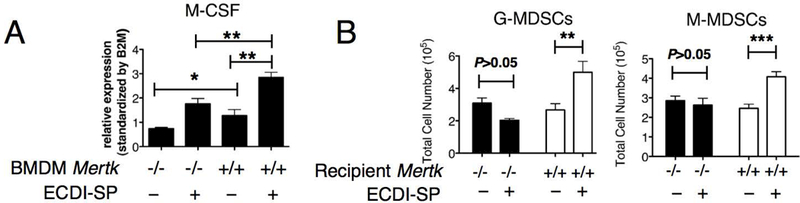
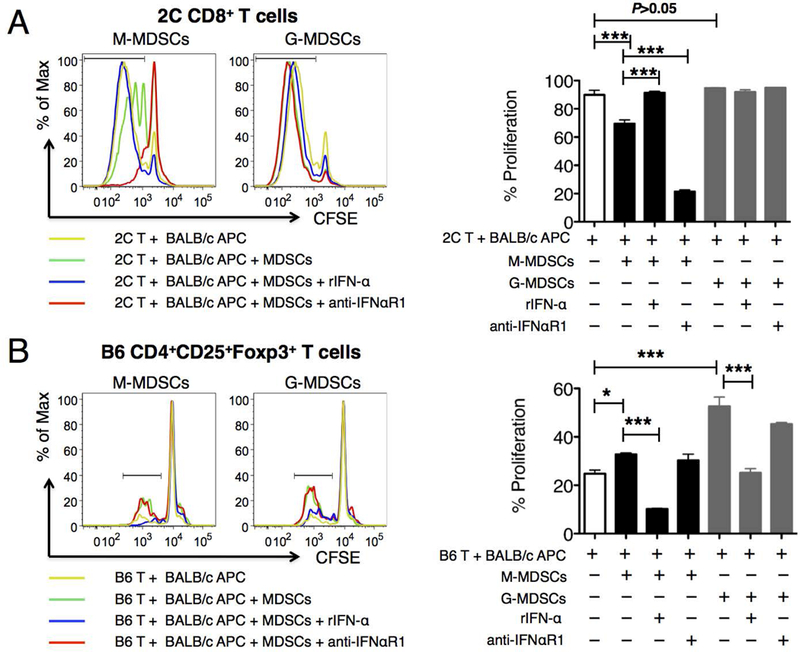
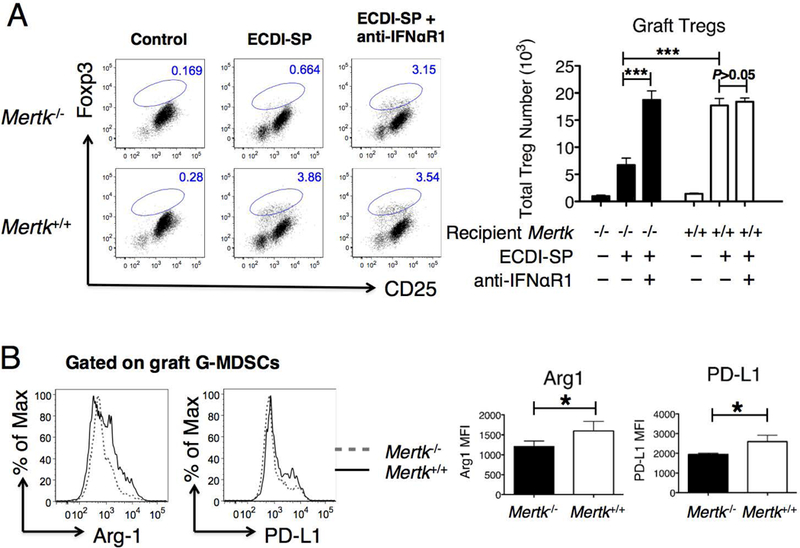
Recipient infusion of donor apoptotic cells is an emerging strategy for inducing robust transplantation tolerance. Daily clearance of billions of self-apoptotic cells relies on homeostatic engagement of phagocytic receptors, in particular, receptors of the tyrosine kinase family TAM (Tyro3, Axl, and MerTK), to maintain self-tolerance. However, an outstanding question is if allogeneic apoptotic cells trigger the same receptor system for inducing allogeneic tolerance. Here, we employed allogeneic apoptotic splenocytes and discovered that the efferocytic receptor MerTK on recipient phagocytes is a critical mediator for transplantation tolerance induced by this strategy. Our findings indicate that the tolerogenic properties of allogeneic apoptotic splenocytes require MerTK transmission of intracellular signaling to suppress the production of inflammatory cytokine interferon α (IFN-α). We further demonstrate that MerTK is crucial for subsequent expansion of myeloid-derived suppressor cells and for promoting their immunomodulatory function, including maintaining graft-infiltrating CD4 CD25 Foxp3 regulatory T cells. Consequently, recipient MerTK deficiency resulted in failure of tolerance by donor apoptotic cells, and this failure could be effectively rescued by IFN-α receptor blockade. These findings underscore the importance of the efferocytic receptor MerTK in mediating transplantation tolerance by donor apoptotic cells and implicate MerTK agonism as a promising target for promoting transplantation tolerance.
受者输注供者凋亡细胞是诱导强烈移植耐受的新兴策略。每天清除数十亿个自身凋亡细胞依赖于吞噬受体的稳态参与,特别是酪氨酸激酶家族 TAM(Tyro3、Axl 和 MerTK)的受体,以维持自身耐受。然而,一个悬而未决的问题是同种异体凋亡细胞是否触发相同的受体系统来诱导同种异体耐受。在这里,我们使用同种异体凋亡的脾细胞,并发现受体吞噬细胞上的吞噬受体 MerTK 是该策略诱导移植耐受的关键介质。我们的研究结果表明,同种异体凋亡脾细胞的耐受性特性需要 MerTK 传递细胞内信号以抑制炎症细胞因子干扰素 α (IFN-α) 的产生。我们进一步证明 MerTK 对于髓系来源的抑制细胞的随后扩增和促进其免疫调节功能至关重要,包括维持移植物浸润的 CD4 CD25 Foxp3 调节性 T 细胞。因此,受者 MerTK 缺陷导致供者凋亡细胞的耐受失败,而 IFN-α 受体阻断可有效挽救这种失败。这些发现强调了吞噬受体 MerTK 在介导供者凋亡细胞诱导移植耐受中的重要性,并暗示 MerTK 激动剂作为促进移植耐受的有前途的靶标。