Immunology Division, Garvan Institute of Medical Research, Sydney, NSW, 2010, Australia.
St Vincent's Clinical School, Faculty of Medicine, UNSW, Sydney, NSW, 2010, Australia.
Nat Commun. 2018 Aug 22;9(1):3372. doi: 10.1038/s41467-018-05772-7.
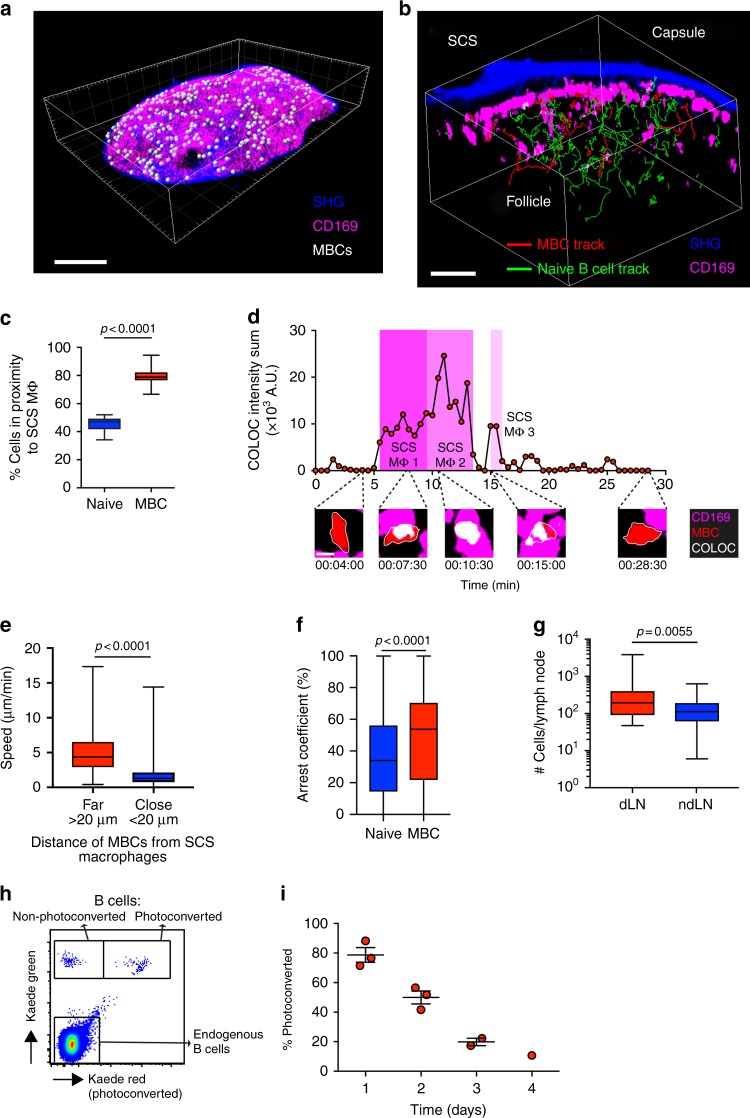
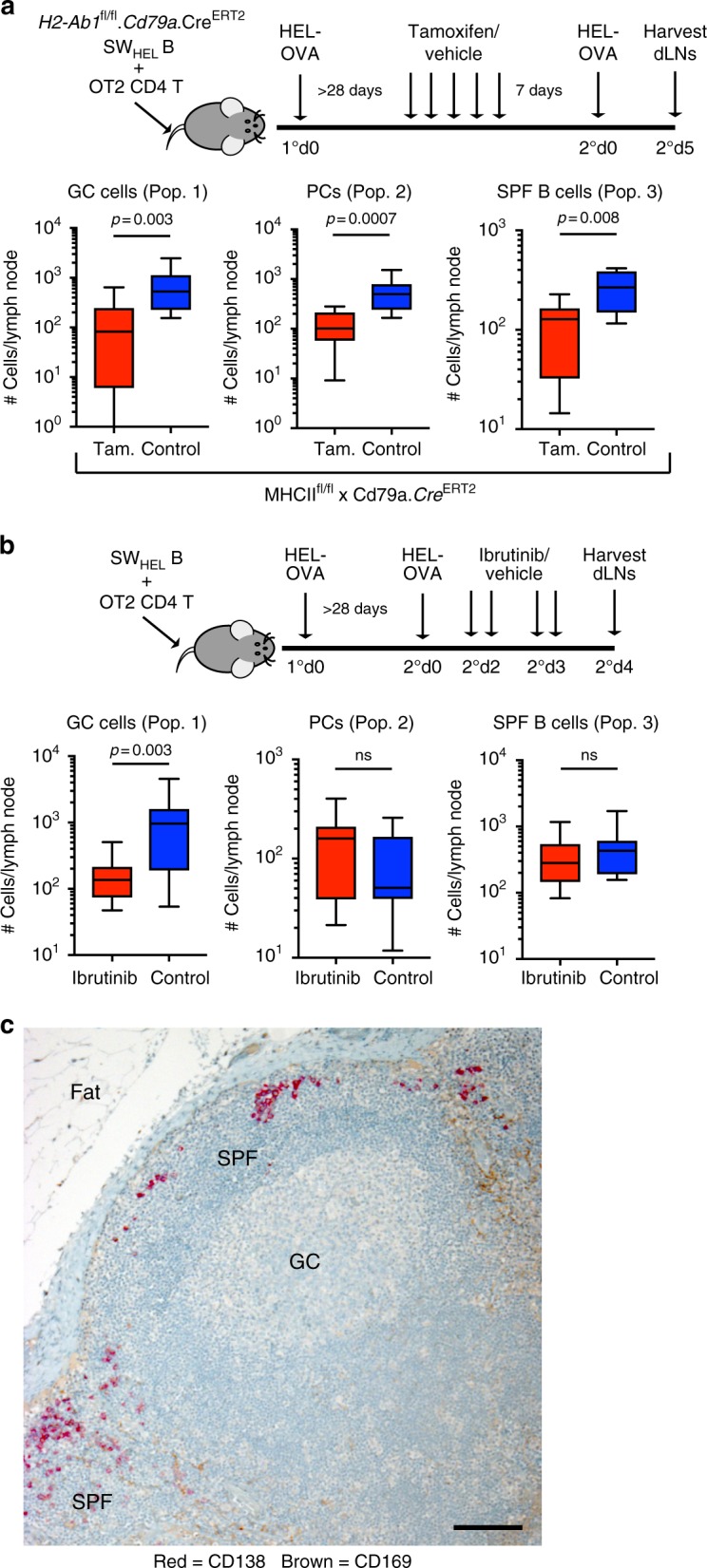
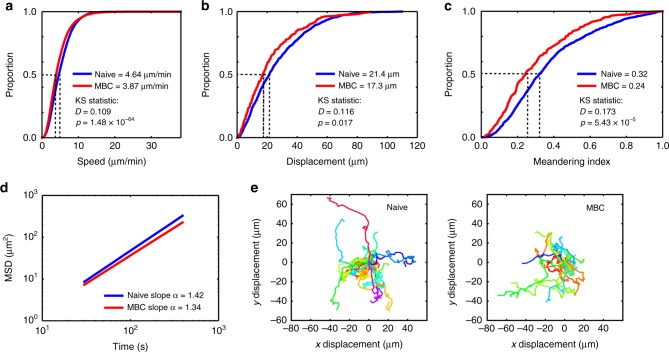
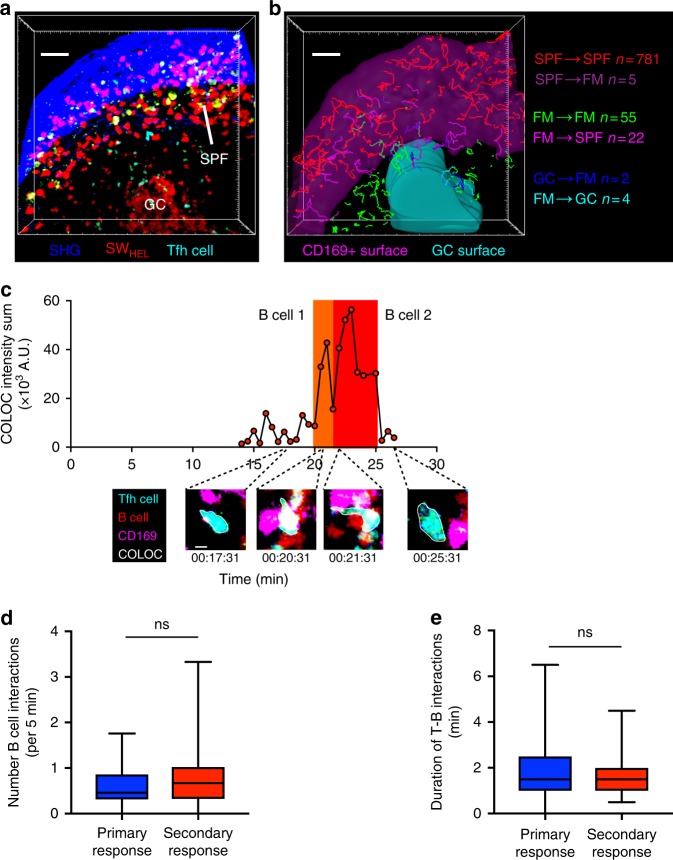
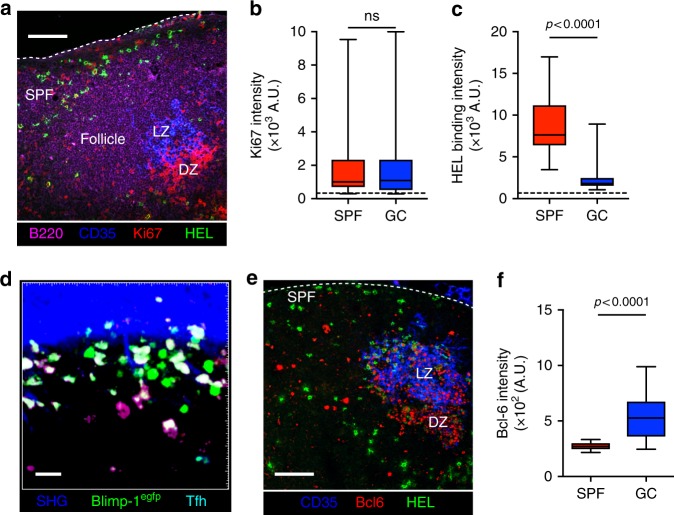
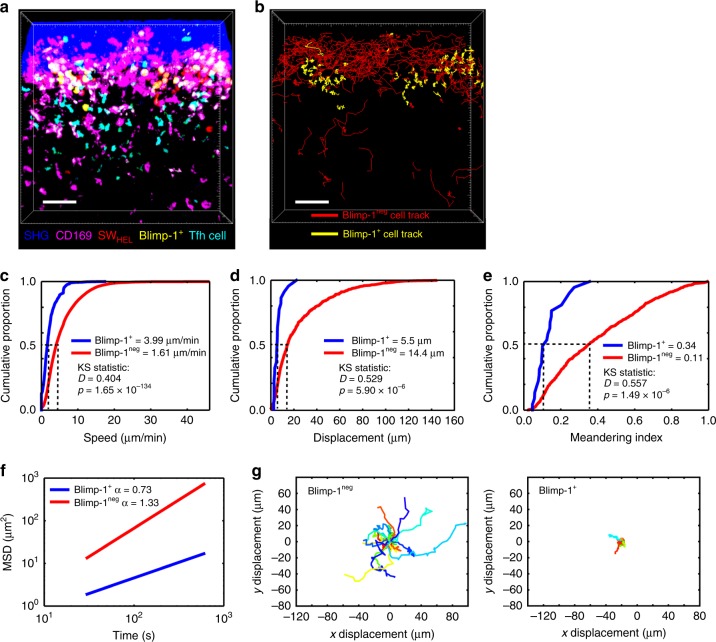
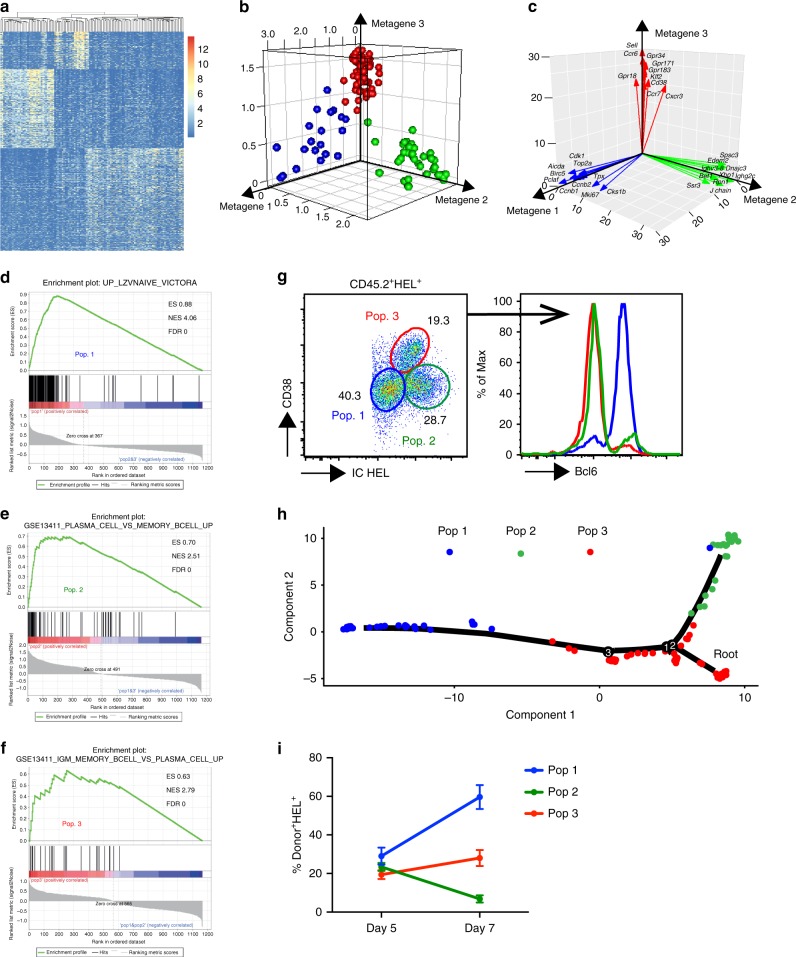
Vaccine-induced immunity depends on the generation of memory B cells (MBC). However, where and how MBCs are reactivated to make neutralising antibodies remain unknown. Here we show that MBCs are prepositioned in a subcapsular niche in lymph nodes where, upon reactivation by antigen, they rapidly proliferate and differentiate into antibody-secreting plasma cells in the subcapsular proliferative foci (SPF). This novel structure is enriched for signals provided by T follicular helper cells and antigen-presenting subcapsular sinus macrophages. Compared with contemporaneous secondary germinal centres, SPF have distinct single-cell molecular signature, cell migration pattern and plasma cell output. Moreover, SPF are found both in human and mouse lymph nodes, suggesting that they are conserved throughout mammalian evolution. Our data thus reveal that SPF is a seat of immunological memory that may be exploited to rapidly mobilise secondary antibody responses and improve vaccine efficacy.
疫苗诱导的免疫依赖于记忆 B 细胞(MBC)的产生。然而,MBC 是如何被重新激活以产生中和抗体仍然未知。在这里,我们表明 MBC 预先定位于淋巴结的被膜下龛位,在那里,通过抗原重新激活后,它们迅速增殖,并在被膜下增殖灶(SPF)中分化为分泌抗体的浆细胞。这种新的结构富含滤泡辅助 T 细胞和抗原呈递被膜下窦状巨噬细胞提供的信号。与同期的次级生发中心相比,SPF 具有独特的单细胞分子特征、细胞迁移模式和浆细胞输出。此外,SPF 不仅在人类和小鼠的淋巴结中被发现,而且在哺乳动物的进化过程中都被保守。因此,我们的数据揭示了 SPF 是一个免疫记忆的场所,它可以被用来快速动员次级抗体反应,提高疫苗的疗效。