Department of Medical Biochemistry and Biophysics, Umeå University, 90187, Umeå, Sweden.
Department of General Chemistry, Sumy State University, Sumy, 40000, Ukraine.
Sci Rep. 2018 Aug 27;8(1):12836. doi: 10.1038/s41598-018-31141-x.
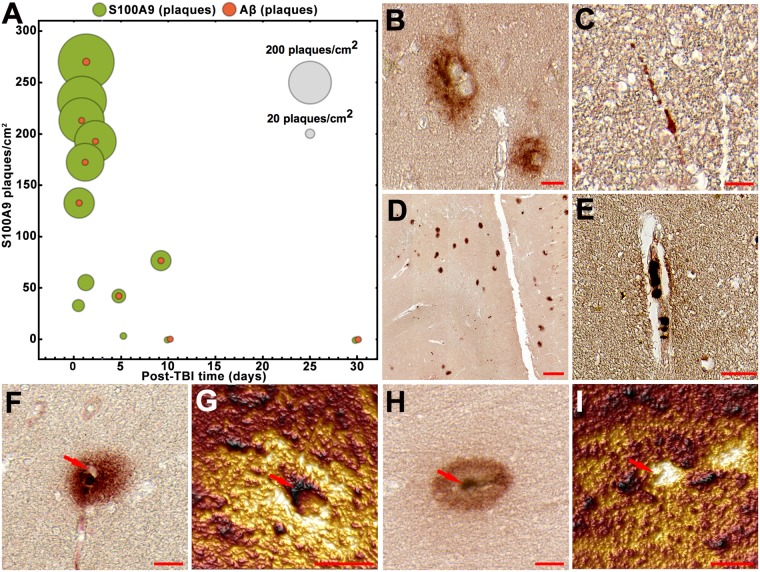
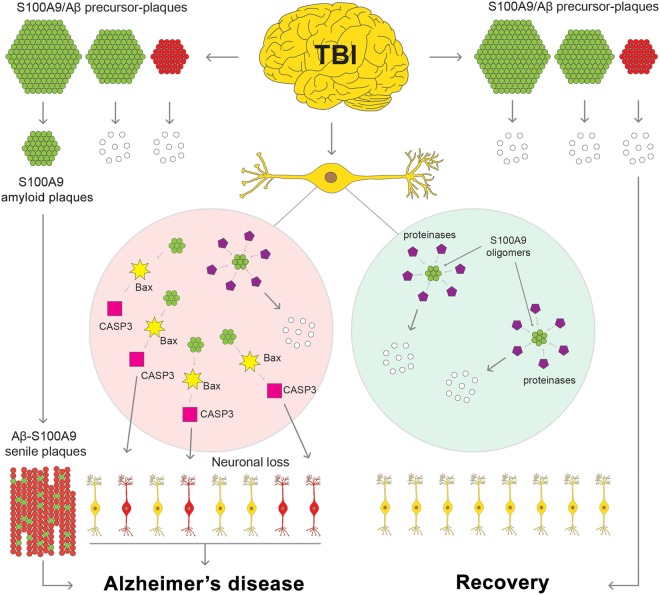
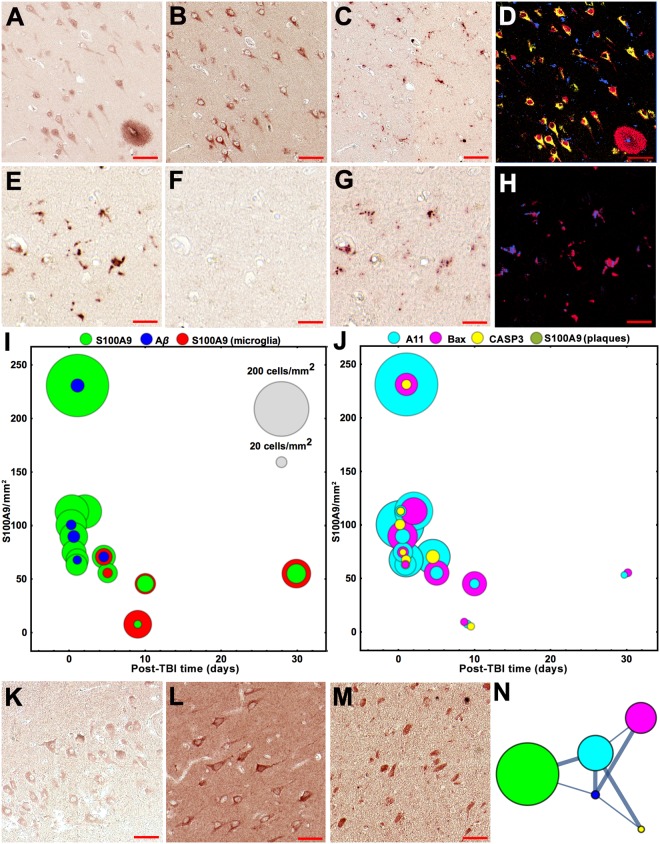
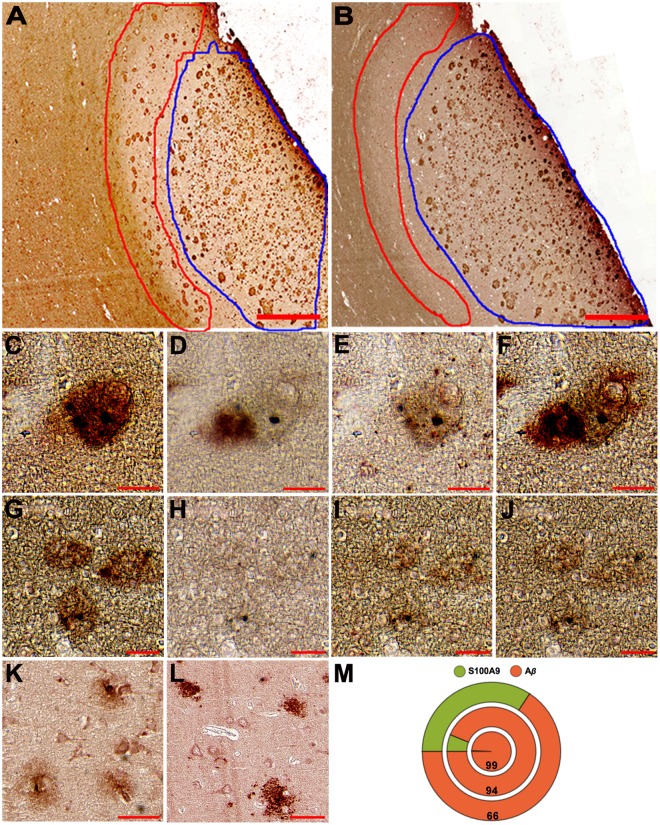
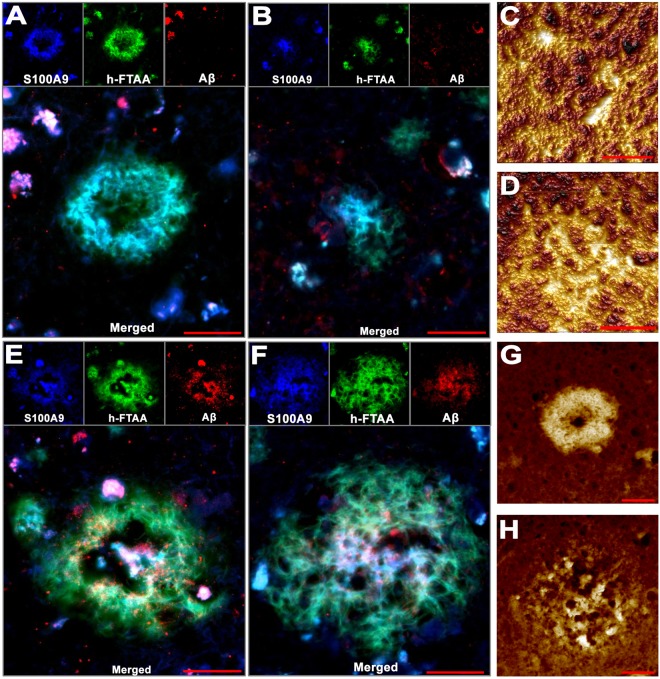
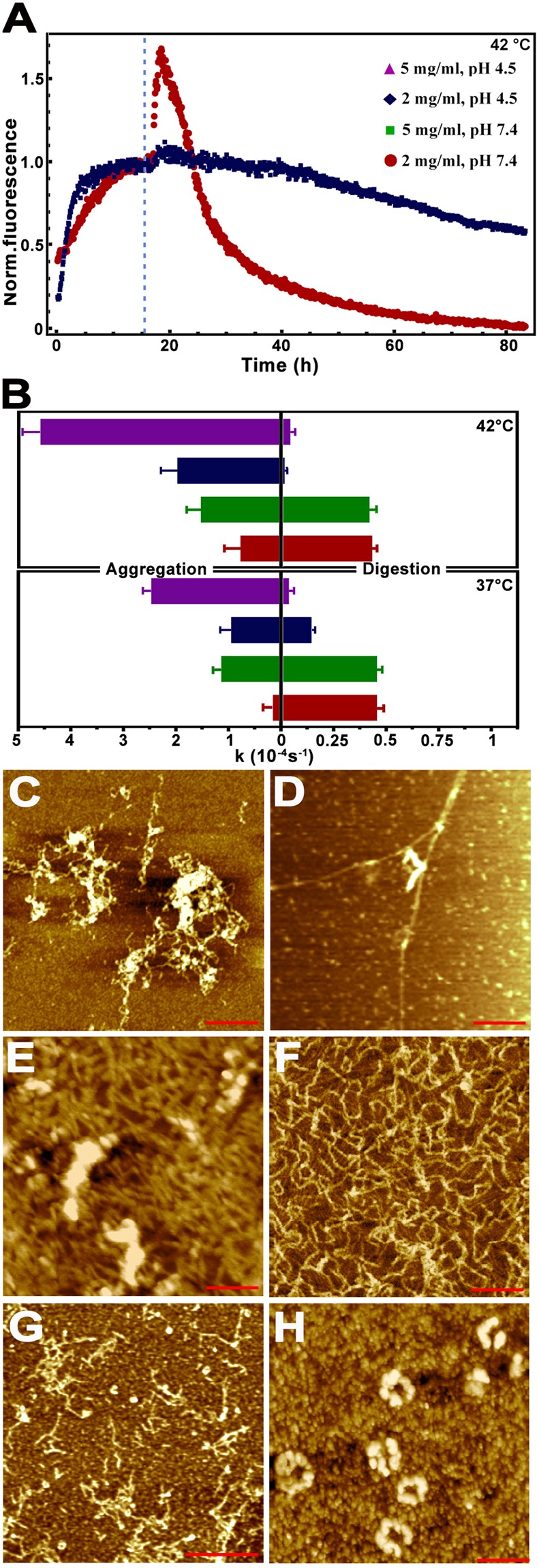
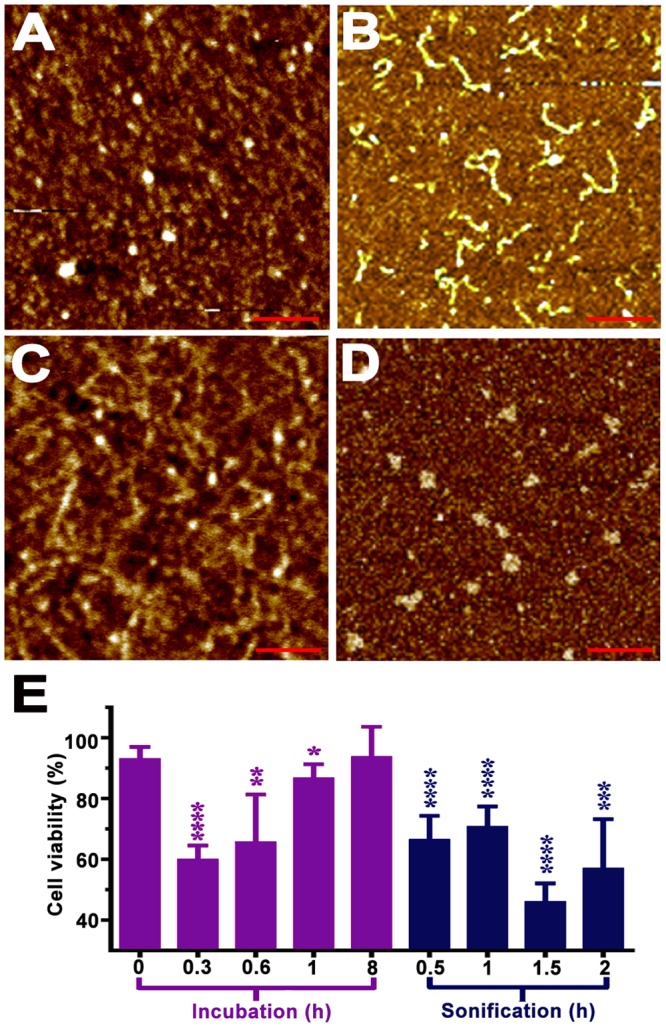
Pro-inflammatory and amyloidogenic S100A9 protein is an important contributor to Alzheimer's disease (AD) pathology. Traumatic brain injury (TBI) is viewed as a precursor state for AD. Here we have shown that S100A9-driven amyloid-neuroinflammatory cascade was initiated in TBI and may serve as a mechanistic link between TBI and AD. By analyzing the TBI and AD human brain tissues, we demonstrated that in post-TBI tissues S100A9, produced by neurons and microglia, becomes drastically abundant compared to Aβ and contributes to both precursor-plaque formation and intracellular amyloid oligomerization. Conditions implicated in TBI, such as elevated S100A9 concentration, acidification and fever, provide strong positive feedback for S100A9 nucleation-dependent amyloid formation and delay in its proteinase clearance. Consequently, both intracellular and extracellular S100A9 oligomerization correlated with TBI secondary neuronal loss. Common morphology of TBI and AD plaques indicated their similar initiation around multiple aggregation centers. Importantly, in AD and TBI we found S100A9 plaques without Aβ. S100A9 and Aβ plaque pathology was significantly advanced in AD cases with TBI history at earlier age, signifying TBI as a risk factor. These new findings highlight the detrimental consequences of prolonged post-TBI neuroinflammation, which can sustain S100A9-driven amyloid-neurodegenerative cascade as a specific mechanism leading to AD development.
促炎和淀粉样的 S100A9 蛋白是阿尔茨海默病 (AD) 病理的重要贡献者。创伤性脑损伤 (TBI) 被视为 AD 的前驱状态。在这里,我们已经表明,S100A9 驱动的淀粉样神经炎症级联反应在 TBI 中被启动,并且可能作为 TBI 和 AD 之间的机制联系。通过分析 TBI 和 AD 人类脑组织,我们证明在 TBI 后组织中,S100A9 由神经元和小胶质细胞产生,与 Aβ 相比变得非常丰富,并有助于前体斑块形成和细胞内淀粉样寡聚化。与 TBI 相关的条件,如 S100A9 浓度升高、酸化和发热,为 S100A9 核依赖性淀粉样形成提供了强烈的正反馈,并延迟了其蛋白酶清除。因此,细胞内和细胞外 S100A9 寡聚化与 TBI 继发性神经元丢失相关。TBI 和 AD 斑块的共同形态表明它们在多个聚集中心周围以相似的方式启动。重要的是,在 AD 和 TBI 中,我们发现了没有 Aβ 的 S100A9 斑块。在年龄较早时具有 TBI 病史的 AD 病例中,S100A9 和 Aβ 斑块病理学显著进展,表明 TBI 是一个危险因素。这些新发现强调了延长 TBI 后神经炎症的有害后果,这可以维持 S100A9 驱动的淀粉样神经退行性级联反应作为导致 AD 发展的特定机制。