Dheeraj Arpit, Agarwal Chapla, Schlaepfer Isabel R, Raben David, Singh Rana, Agarwal Rajesh, Deep Gagan
Department of Pharmaceutical Sciences, Skaggs School of Pharmacy and Pharmaceutical Sciences, University of Colorado Anschutz Medical Campus, Aurora, CO, USA.
School of Life Sciences, Jawaharlal Nehru University, New Delhi, India.
Hypoxia (Auckl). 2018 Aug 21;6:23-33. doi: 10.2147/HP.S163115. eCollection 2018.
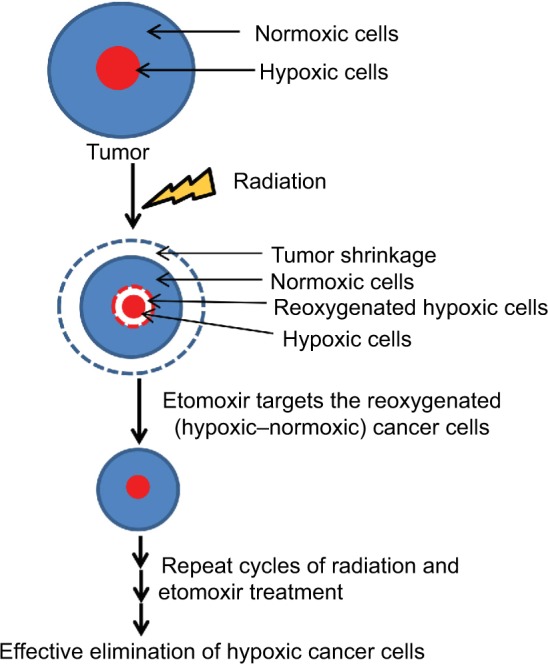
Hypoxia in tumors is associated with resistance towards various therapies including radiotherapy. In this study, we assessed if hypoxia in cancer spheres could be effectively reduced by adding etomoxir (a β-oxidation inhibitor) immediately after cell irradiation.
We employed cancer cells' sphere model to target hypoxia. Confocal imaging was used to analyze hypoxia and expression of specific biomarkers in spheres following various treatments (radiation and/or etomoxir).
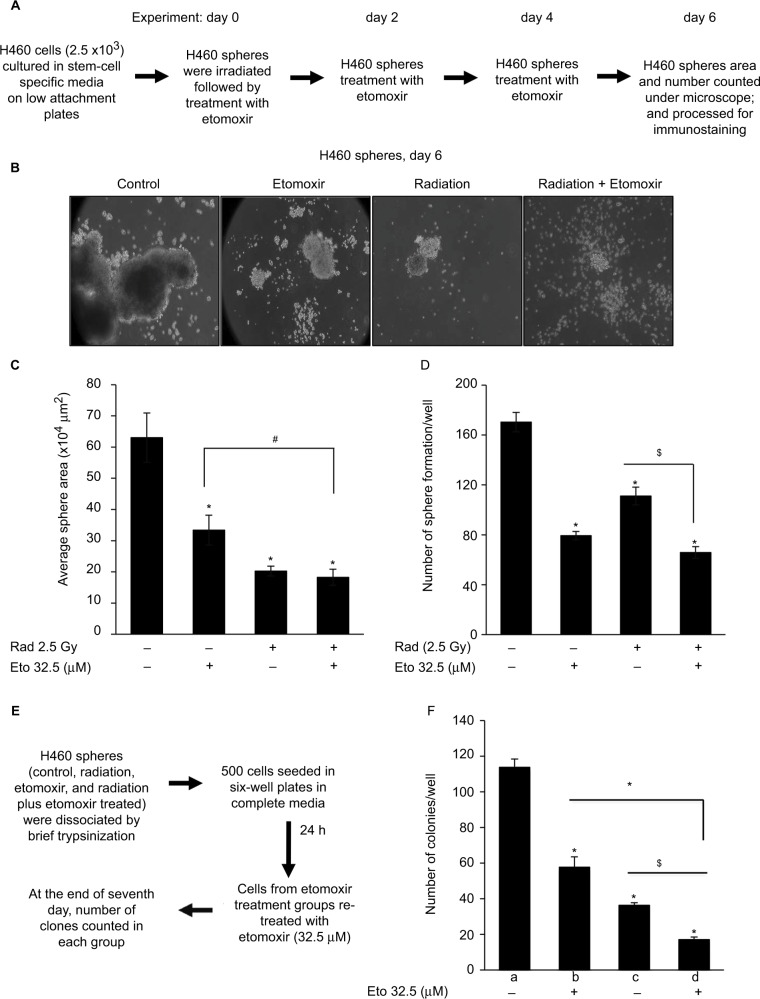
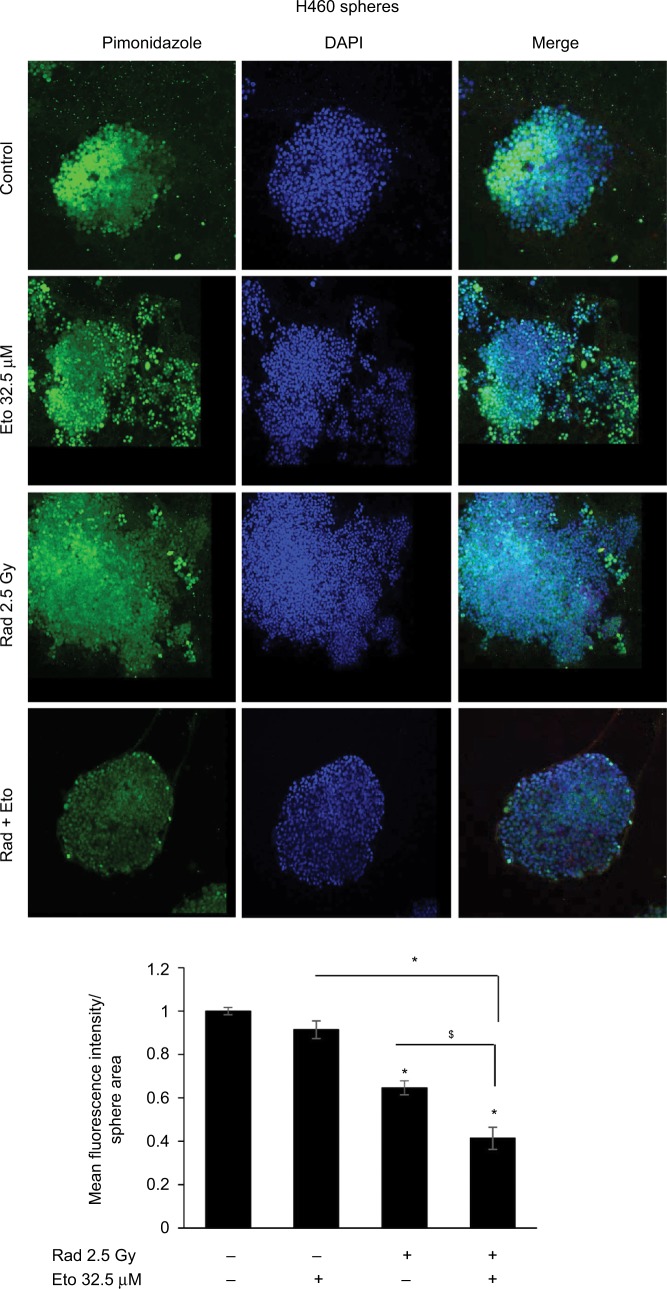
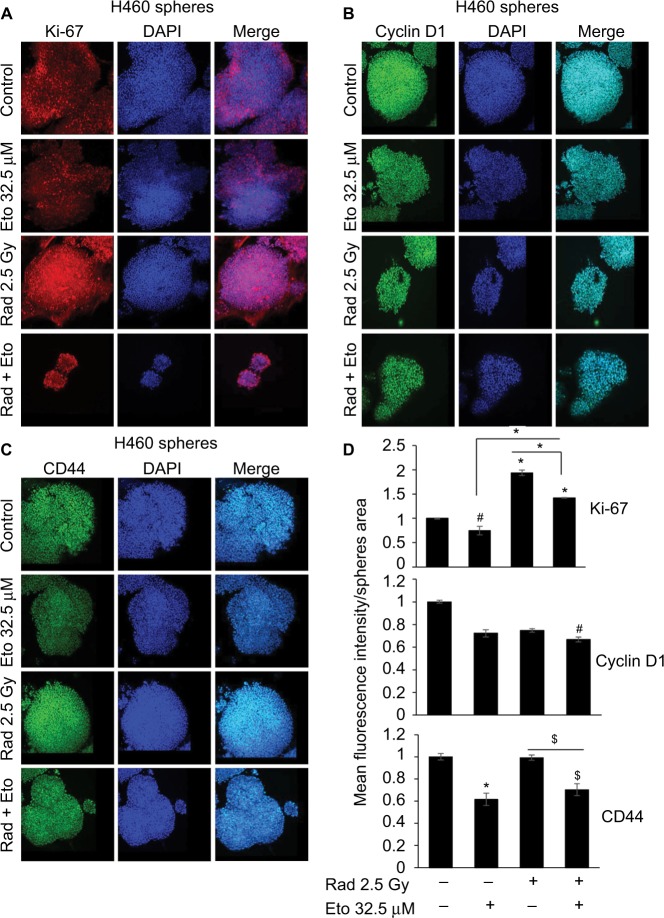
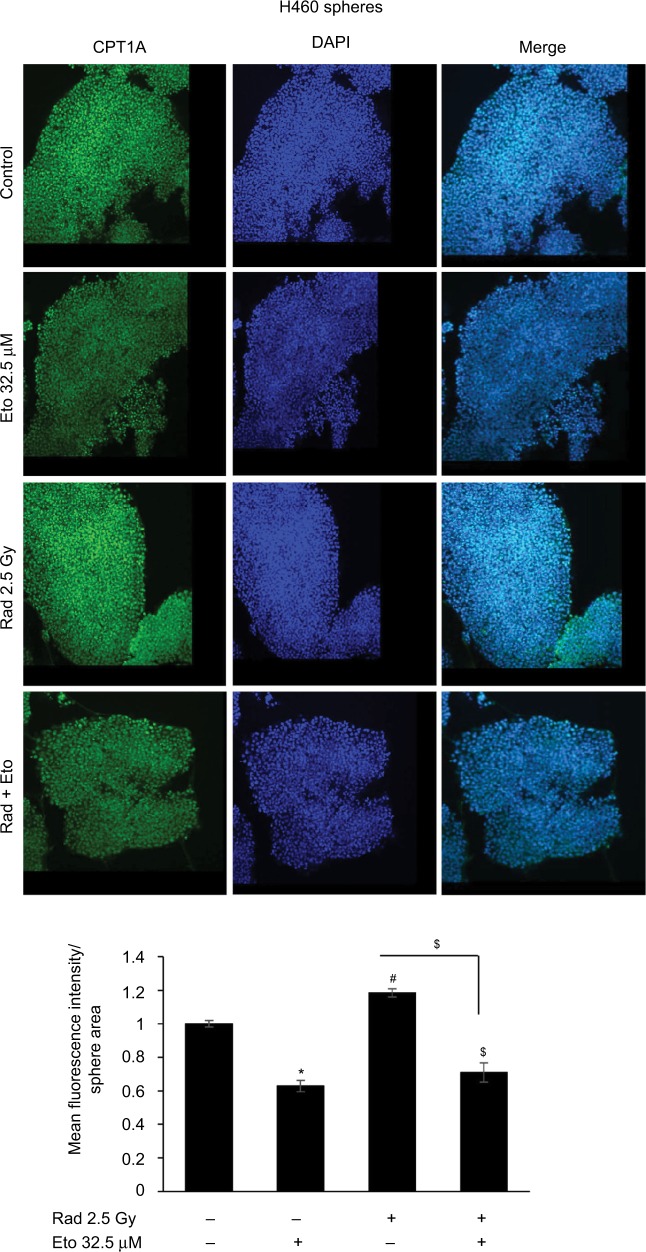
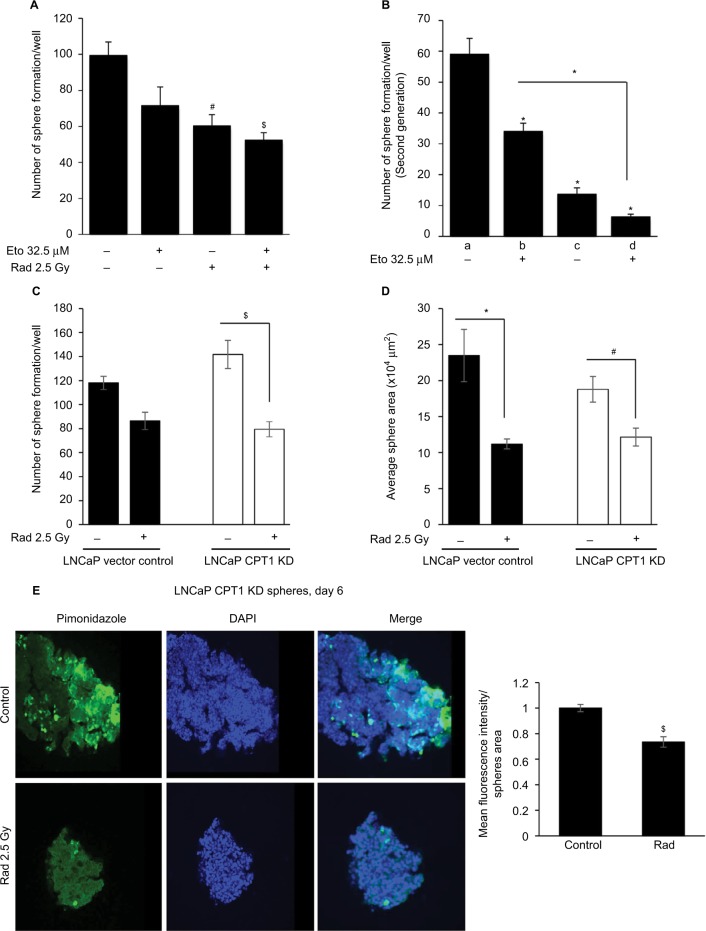
Etomoxir (32.5 μM) treatment improved the radiation (2.5 Gy) efficacy against growth of lung adenocarcinoma H460 spheres. More importantly, radiation and etomoxir combination significantly reduced the hypoxic regions (pimonidazole+ areas) in H460 spheres compared to either treatment alone. Also, etomoxir and radiation combination treatment reduced the protein level of biomarkers for proliferation (Ki-67 and cyclin D1), stemness (CD44) and β-oxidation (CPT1A) in H460 spheres. We observed similar efficacy of etomoxir against growth of prostate cancer LNCaP cells' spheres when combined with radiation. Further, radiation treatment strongly reduced the hypoxic regions (pimonidazole+ areas) in CPT1 knockdown LNCaP cells' spheres.
Together, these results offer a unique approach to target hypoxia in solid tumors via combining etomoxir with radiation, thereby improving therapeutic efficacy.
肿瘤中的缺氧与包括放疗在内的多种治疗的耐药性相关。在本研究中,我们评估了在细胞照射后立即添加依托莫西(一种β氧化抑制剂)是否能有效降低癌球中的缺氧情况。
我们采用癌细胞球模型来靶向缺氧。共聚焦成像用于分析在各种处理(放疗和/或依托莫西)后球体内的缺氧情况以及特定生物标志物的表达。
依托莫西(32.5 μM)处理提高了放疗(2.5 Gy)对肺腺癌H460球生长的疗效。更重要的是,与单独的任何一种处理相比,放疗与依托莫西联合显著减少了H460球中的缺氧区域(匹莫硝唑阳性区域)。此外,依托莫西与放疗联合处理降低了H460球中增殖(Ki-67和细胞周期蛋白D1)、干性(CD44)和β氧化(CPT1A)生物标志物的蛋白水平。当与放疗联合时,我们观察到依托莫西对前列腺癌LNCaP细胞球生长有类似的疗效。此外,放疗强烈减少了CPT1基因敲低的LNCaP细胞球中的缺氧区域(匹莫硝唑阳性区域)。
总之,这些结果提供了一种通过将依托莫西与放疗联合来靶向实体瘤缺氧的独特方法,从而提高治疗效果。