Department of Rehabilitation Medicine, Affiliated Hospital of Nantong University, Nantong, 226001, People's Republic of China.
Key Laboratory of Neuroregeneration of Jiangsu and Ministry of Education, Co-innovation Center of Neuroregeneration, Nantong University, Nantong, 226001, People's Republic of China.
J Neuroinflammation. 2018 Sep 4;15(1):253. doi: 10.1186/s12974-018-1297-z.
Astrocytes act as immune effector cells with the ability to produce a wide array of chemokines and cytokines in response to various stimuli. Macrophage migration inhibitory factor (MIF) is inducibly expressed in injured spinal cord contributing to excessive inflammation that affects motor functional recovery. Unknown is whether MIF can facilitate inflammatory responses through stimulating release of chemokines from astrocytes following spinal cord injury.
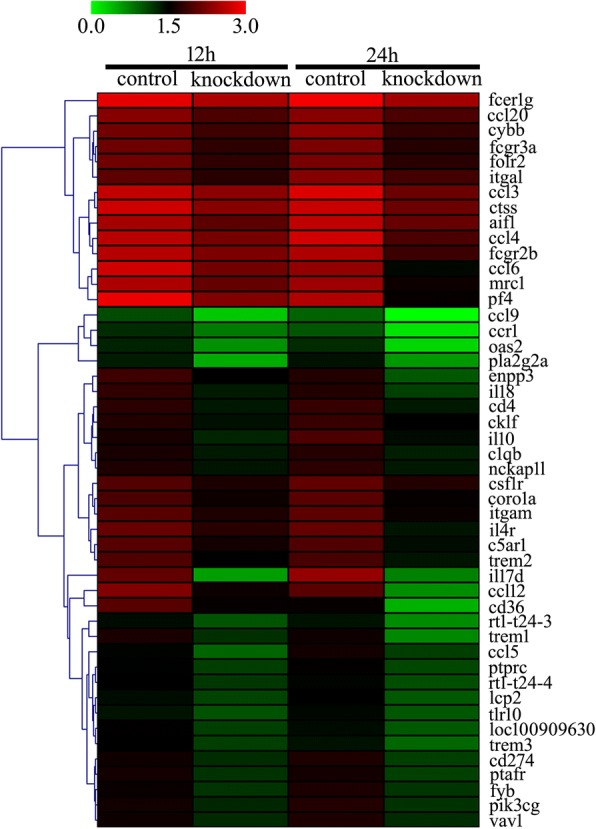
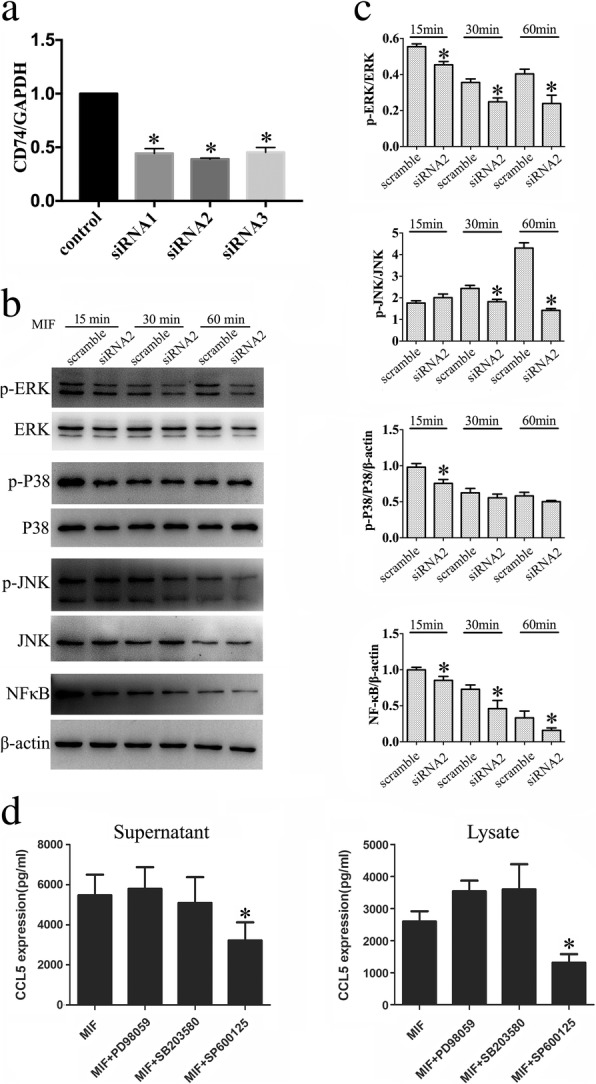
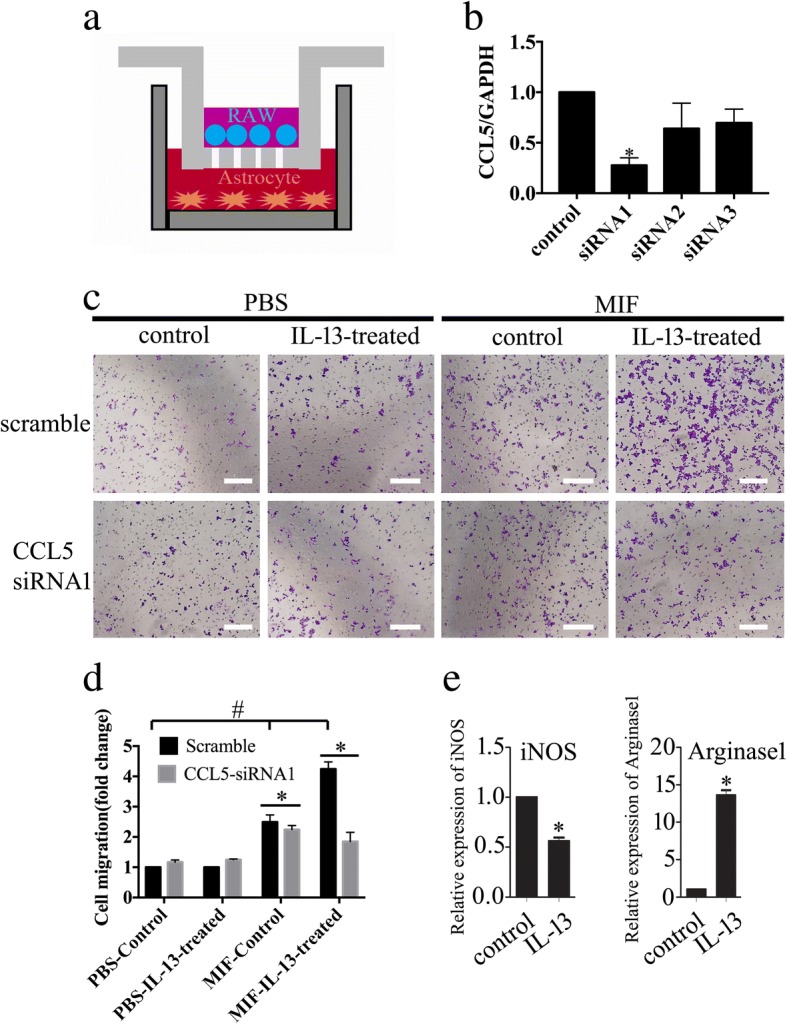
Following the establishment of the contusion spinal cord injury rat model, the correlation of chemokine (C-C motif) ligand 5 (CCL5) expression with that of MIF was assayed by Western blot, ELISA, and immunohistochemistry. Immunoprecipitation was used to detect MIF interaction with membrane CD74 receptor. Intracellular signal transduction of MIF/CD74 axis was analyzed by transcriptome sequencing of primary astrocytes and further validated by treatment of various inhibitors. The effects of CCL5 released by astrocytes on macrophage migration were performed by transwell migration assay. The post-injury locomotor functions were assessed using the Basso, Beattie, and Bresnahan (BBB) locomotor scale.
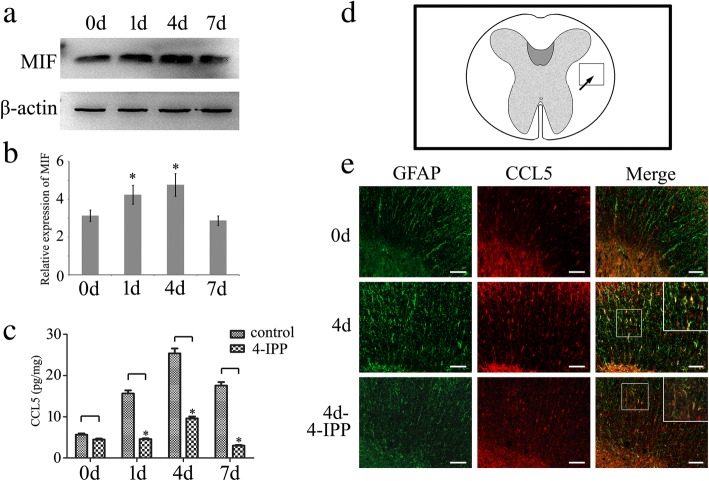
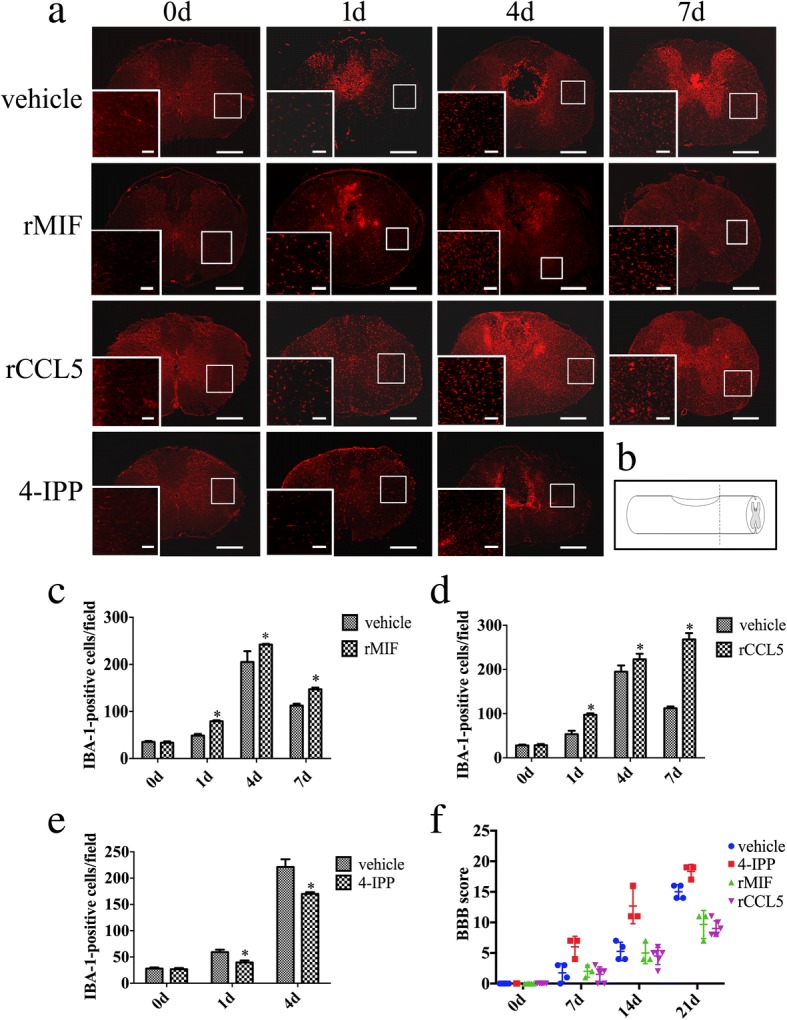
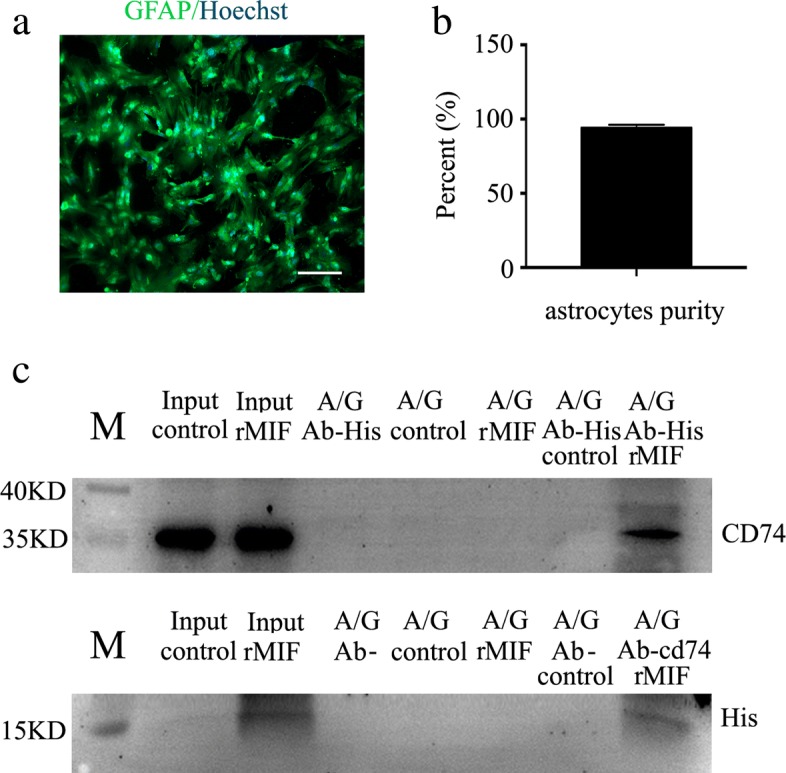
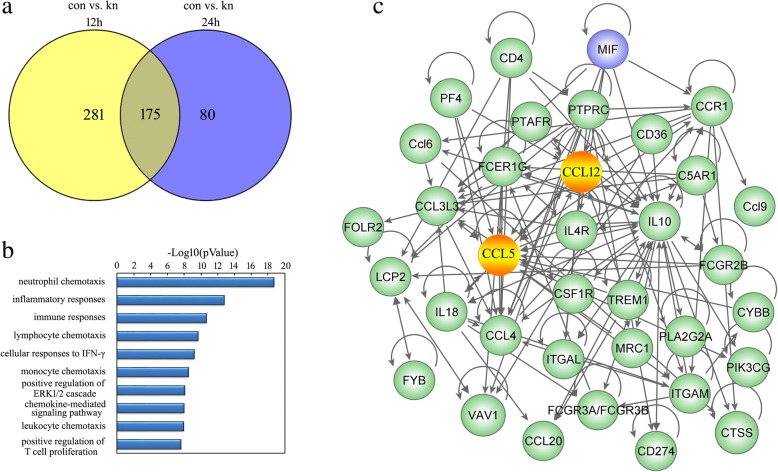
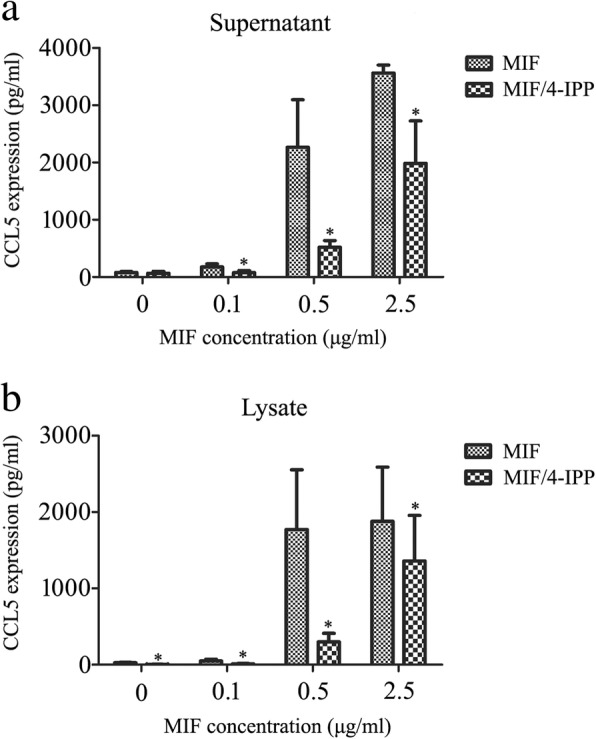
The protein levels of chemokine CCL5/RANTES were remarkably increased in the astrocytes of rat injured spinal cord, in parallel with the expression of MIF. Treatment of MIF inhibitor 4-IPP in the lesion sites resulted in a significant decrease of CCL5 protein levels. In vitro study revealed MIF was capable of facilitating CCL5 production of astrocytes through interaction with CD74 membrane receptor, and knockdown of this receptor attenuated such effects. Production of CCL5 in astrocytes was significantly blocked by inhibitor of c-Jun N-terminal kinase, rather than by those of ERK and P38. Recombinant CCL5 protein was found to be more effective in promoting migration of M2- compared to M1-type macrophages.
Collectively, these data reveal a novel function of MIF in regulation of CCL5 release from astrocytes, which in turn favors for recruitment of inflammatory cells to the injured site of the spinal cord, in association with activation of excessive inflammation.
星形胶质细胞作为免疫效应细胞,能够在受到各种刺激时产生多种趋化因子和细胞因子。巨噬细胞移动抑制因子(MIF)在受损的脊髓中诱导表达,有助于过度炎症,影响运动功能恢复。目前尚不清楚 MIF 是否可以通过刺激脊髓损伤后星形胶质细胞释放趋化因子来促进炎症反应。
建立挫伤性脊髓损伤大鼠模型后,通过 Western blot、ELISA 和免疫组织化学检测趋化因子(C-C 基序)配体 5(CCL5)表达与 MIF 表达的相关性。免疫沉淀检测 MIF 与膜 CD74 受体的相互作用。通过原代星形胶质细胞的转录组测序分析 MIF/CD74 轴的细胞内信号转导,并通过用各种抑制剂处理进一步验证。通过 Transwell 迁移实验检测星形胶质细胞释放的 CCL5 对巨噬细胞迁移的影响。使用 Basso、Beattie 和 Bresnahan(BBB)运动评分评估损伤后运动功能。
在大鼠损伤脊髓的星形胶质细胞中,趋化因子 CCL5/RANTES 的蛋白水平显著增加,与 MIF 的表达平行。在病变部位给予 MIF 抑制剂 4-IPP 治疗,CCL5 蛋白水平显著降低。体外研究表明,MIF 能够通过与膜 CD74 受体相互作用促进星形胶质细胞产生 CCL5,而敲低该受体则减弱了这种作用。CCL5 在星形胶质细胞中的产生被 c-Jun N-末端激酶抑制剂显著阻断,而不是 ERK 和 P38 抑制剂。重组 CCL5 蛋白更有效地促进 M2 型而非 M1 型巨噬细胞的迁移。
综上所述,这些数据揭示了 MIF 调节星形胶质细胞释放 CCL5 的新功能,这反过来又有利于炎症细胞募集到脊髓损伤部位,与过度炎症的激活有关。