Angeles Arlou Kristina, Bauer Simone, Ratz Leonie, Klauck Sabine M, Sültmann Holger
Division of Cancer Genome Research, German Cancer Research Center (DKFZ), German Cancer Consortium (DKTK), and National Center for Tumor Diseases (NCT), Im Neuenheimer Feld 460, Heidelberg D-69120, Germany.
Diagnostics (Basel). 2018 Sep 2;8(3):62. doi: 10.3390/diagnostics8030062.
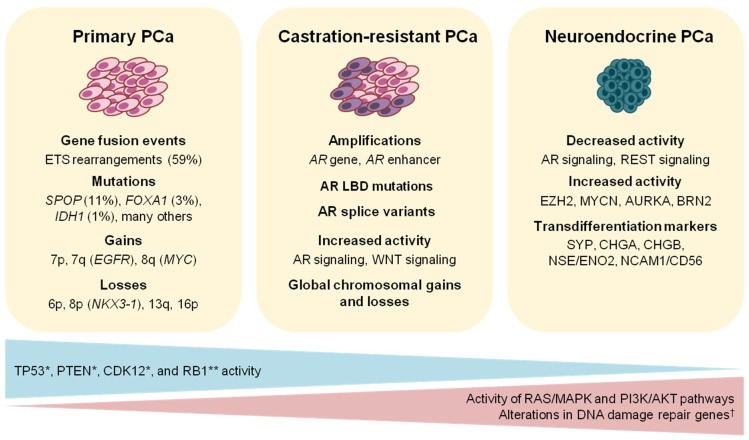
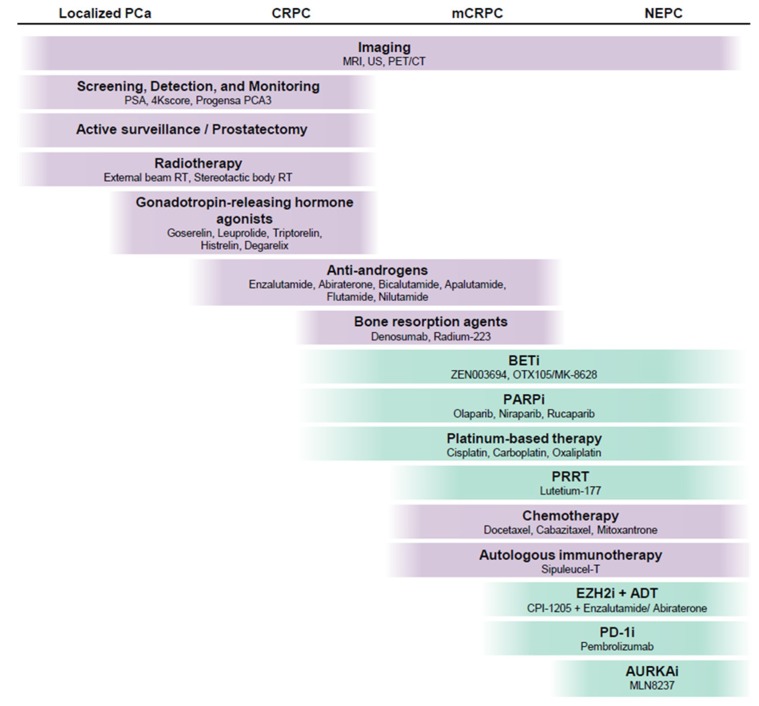
In the past decade, multi-national and multi-center efforts were launched to sequence prostate cancer genomes, transcriptomes, and epigenomes with the aim of discovering the molecular underpinnings of tumorigenesis, cancer progression, and therapy resistance. Multiple biological markers and pathways have been discovered to be tumor drivers, and a molecular classification of prostate cancer is emerging. Here, we highlight crucial findings of these genome-sequencing projects in localized and advanced disease. We recapitulate the utility and limitations of current clinical practices to diagnosis, prognosis, and therapy, and we provide examples of insights generated by the molecular profiling of tumors. Novel treatment concepts based on these molecular alterations are currently being addressed in clinical trials and will lead to an enhanced implementation of precision medicine strategies.
在过去十年中,多国和多中心开展了相关工作,对前列腺癌基因组、转录组和表观基因组进行测序,旨在发现肿瘤发生、癌症进展和治疗耐药性的分子基础。已经发现多个生物标志物和信号通路是肿瘤驱动因素,前列腺癌的分子分类正在形成。在此,我们重点介绍这些基因组测序项目在局限性和晚期疾病中的关键发现。我们概述了当前临床实践在诊断、预后和治疗方面的实用性和局限性,并提供肿瘤分子谱分析所产生见解的实例。基于这些分子改变的新型治疗理念目前正在临床试验中进行研究,并将推动精准医学策略的进一步实施。