Department of Neuroscience, Erasmus MC, 3000 DR, Rotterdam, The Netherlands.
NeuroScouting LLC, 234 Broadway Unit 2, Cambridge, MA, 02139, USA.
Cerebellum. 2018 Dec;17(6):766-776. doi: 10.1007/s12311-018-0975-9.
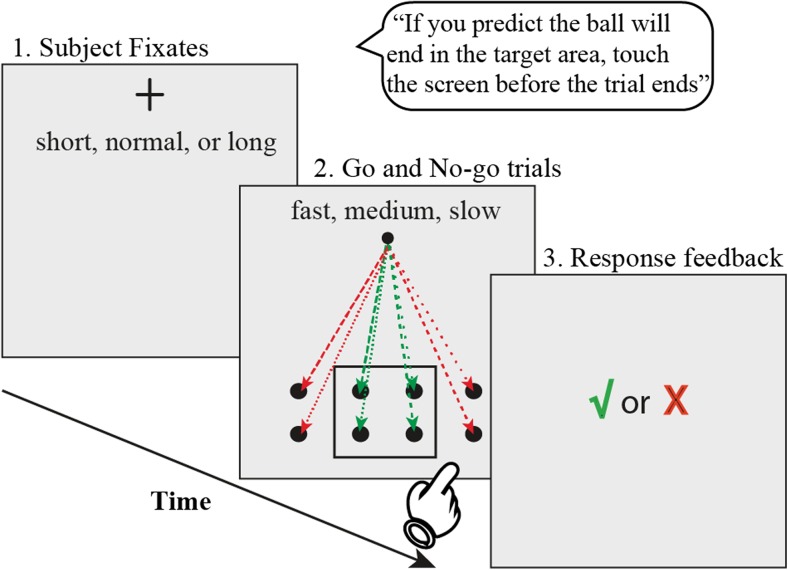
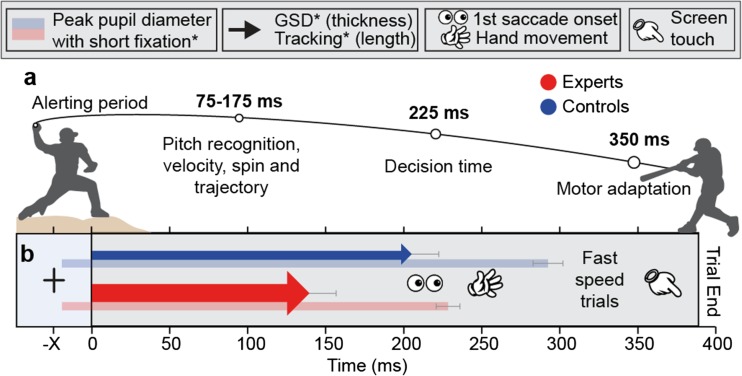
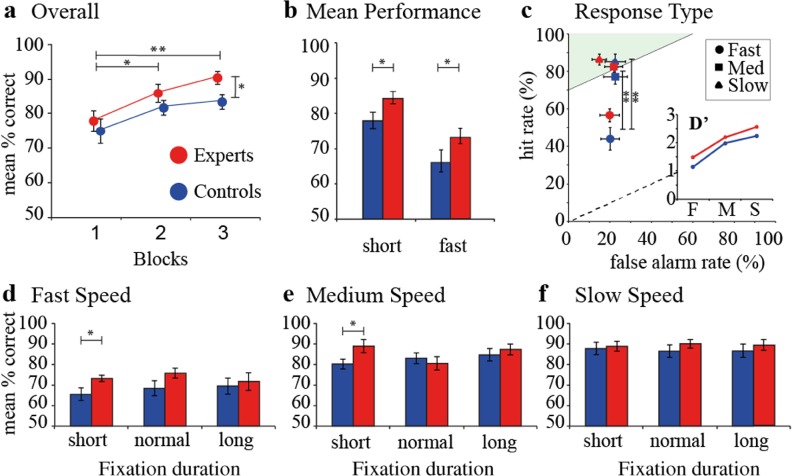
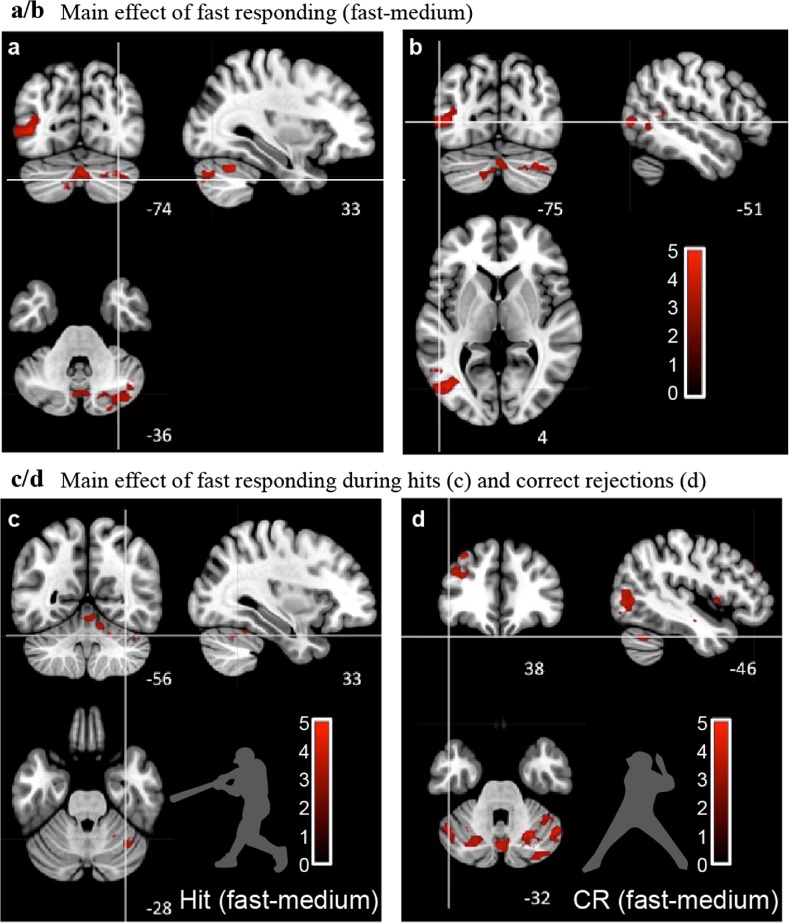
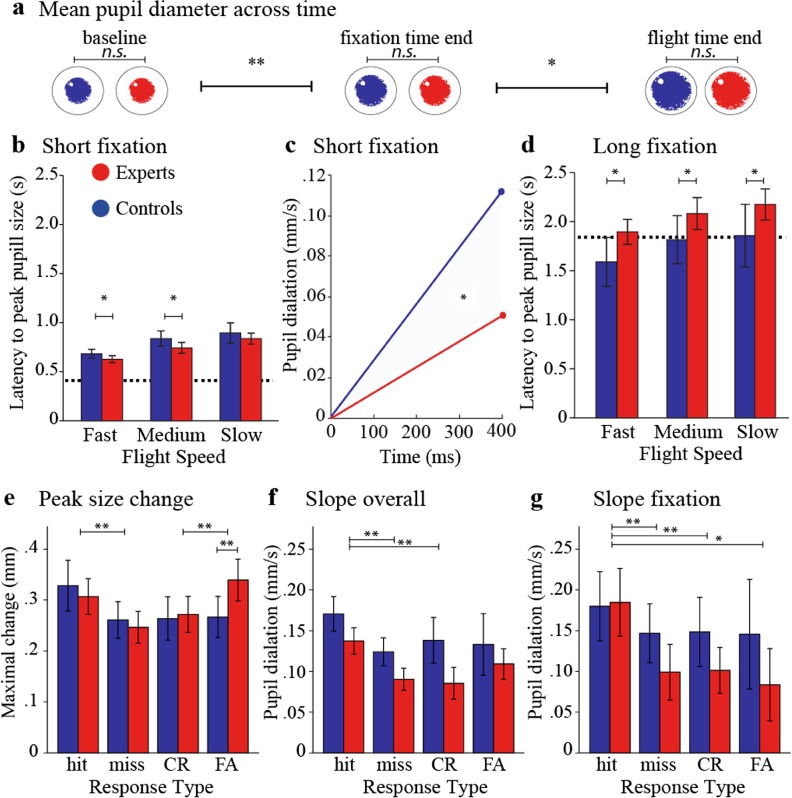
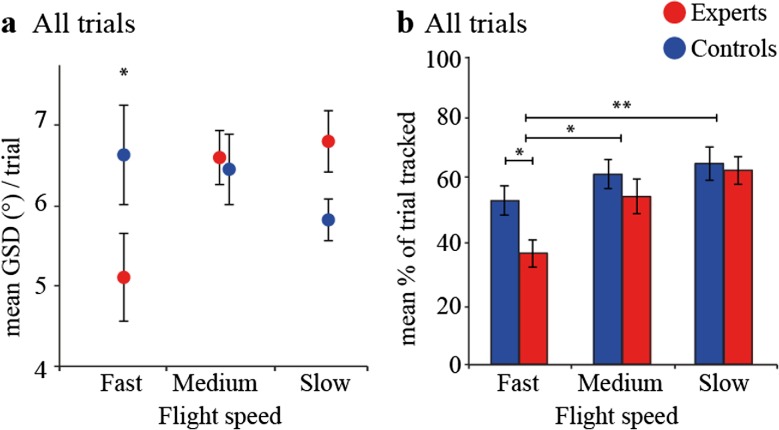
Cerebellar plasticity is a critical mechanism for optimal feedback control. While Purkinje cell activity of the oculomotor vermis predicts eye movement speed and direction, more lateral areas of the cerebellum may play a role in more complex tasks, including decision-making. It is still under question how this motor-cognitive functional dichotomy between medial and lateral areas of the cerebellum plays a role in optimal feedback control. Here we show that elite athletes subjected to a trajectory prediction, go/no-go task manifest superior subsecond trajectory prediction accompanied by optimal eye movements and changes in cognitive load dynamics. Moreover, while interacting with the cerebral cortex, both the medial and lateral cerebellar networks are prominently activated during the fast feedback stage of the task, regardless of whether or not a motor response was required for the correct response. Our results show that cortico-cerebellar interactions are widespread during dynamic feedback and that experience can result in superior task-specific decision skills.
小脑可塑性是最优反馈控制的关键机制。虽然眼动垂直核的浦肯野细胞活动可以预测眼球运动的速度和方向,但小脑更外侧的区域可能在更复杂的任务中发挥作用,包括决策。目前尚不清楚小脑内侧和外侧区域之间的这种运动-认知功能二分法如何在最优反馈控制中发挥作用。在这里,我们发现,接受轨迹预测、是/否任务的精英运动员表现出更优的亚秒级轨迹预测,同时伴随着最优的眼球运动和认知负荷动态的变化。此外,无论是否需要做出正确的运动反应,在任务的快速反馈阶段,内侧和外侧小脑网络都与大脑皮层显著交互。我们的研究结果表明,在动态反馈过程中,皮质-小脑相互作用是广泛存在的,并且经验可以导致特定任务的决策技能更优。