Parsons Kim M, Everett Meredith, Dahlheim Marilyn, Park Linda
Under Contract to NOAA, National Marine Fisheries Service, Marine Mammal Laboratory, Alaska Fisheries Science Center, 7600 Sand Point Way NE, Seattle, WA 98115, USA.
Under Contract to NOAA, National Marine Fisheries Service, 2725 Montlake Boulevard E, Seattle, WA 98112, USA.
R Soc Open Sci. 2018 Aug 8;5(8):180537. doi: 10.1098/rsos.180537. eCollection 2018 Aug.
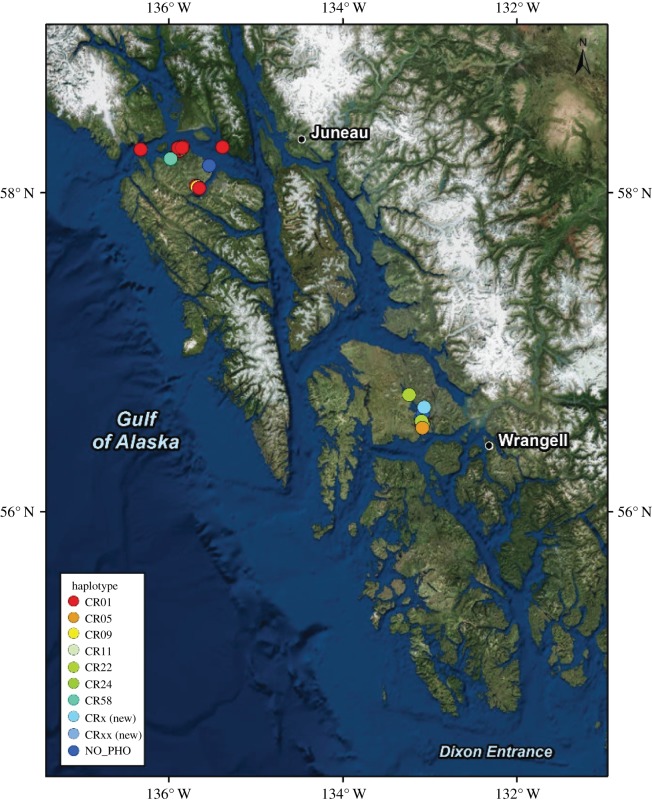
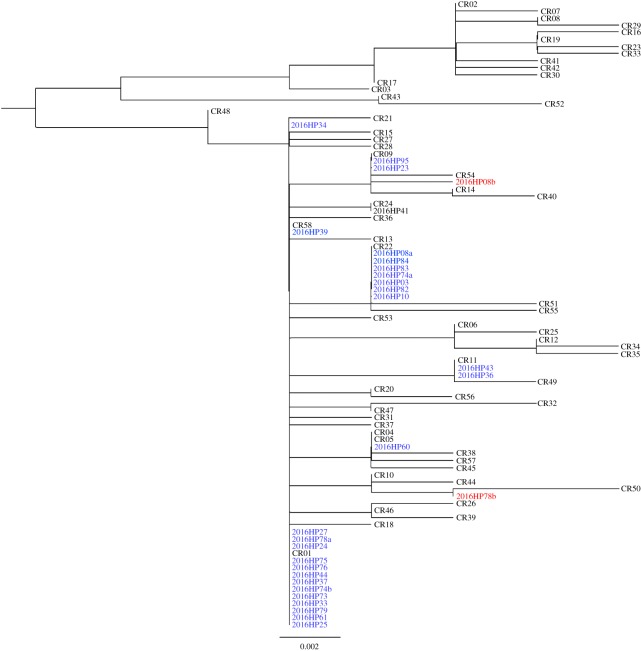
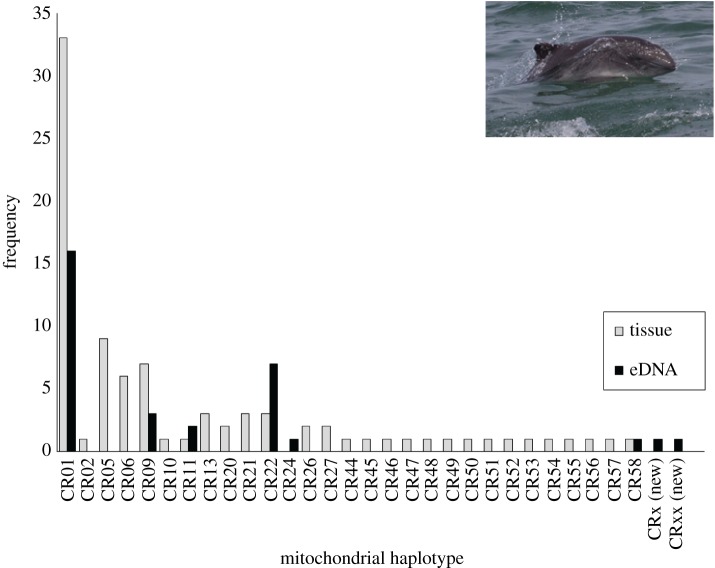
Determining management units for natural populations is critical for effective conservation and management. However, collecting the requisite tissue samples for population genetic analyses remains the primary limiting factor for a number of marine species. The harbour porpoise (), one of the smallest cetaceans in the Northern Hemisphere, is a primary example. These elusive, highly mobile small animals confound traditional approaches of collecting tissue samples for genetic analyses, yet their nearshore habitat makes them highly vulnerable to fisheries by-catch and the effects of habitat degradation. By exploiting the naturally shed cellular material in seawater and the power of next-generation sequencing, we develop a novel approach for generating population-specific mitochondrial sequence data from environmental DNA (eDNA) using surface seawater samples. Indications of significant genetic differentiation within a currently recognized management stock highlights the need for dedicated eDNA sampling throughout the population's range in southeast Alaska. This indirect sampling tactic for characterizing stock structure of small and endangered marine mammals has the potential to revolutionize population assessment for otherwise inaccessible marine taxa.
确定自然种群的管理单元对于有效的保护和管理至关重要。然而,收集用于种群遗传分析的必要组织样本仍然是许多海洋物种的主要限制因素。港湾鼠海豚()是北半球最小的鲸类动物之一,就是一个主要例子。这些难以捉摸、高度移动的小动物使收集用于遗传分析的组织样本的传统方法变得复杂,然而它们的近岸栖息地使它们极易受到渔业兼捕和栖息地退化的影响。通过利用海水中自然脱落的细胞物质和下一代测序技术,我们开发了一种新方法,使用表层海水样本从环境DNA(eDNA)中生成特定种群的线粒体序列数据。目前公认的一个管理种群内存在显著遗传分化的迹象,这凸显了在阿拉斯加东南部整个种群分布范围内进行专门的eDNA采样的必要性。这种用于描述小型濒危海洋哺乳动物种群结构的间接采样策略有可能彻底改变对其他难以接近的海洋类群的种群评估。