Anne J M, Boon Y H, Saad B, Miskam M, Yusoff M M, Shahriman M S, Zain N N M, Lim V, Raoov M
School of Chemical Sciences, Universiti Sains Malaysia, 11800, Pulau Pinang, Malaysia.
Integrative Medicine Cluster, Advanced Medical and Dental Institute, Universiti Sains Malaysia, 13200 Bertam, Pulau Pinang, Malaysia.
R Soc Open Sci. 2018 Aug 29;5(8):180942. doi: 10.1098/rsos.180942. eCollection 2018 Aug.
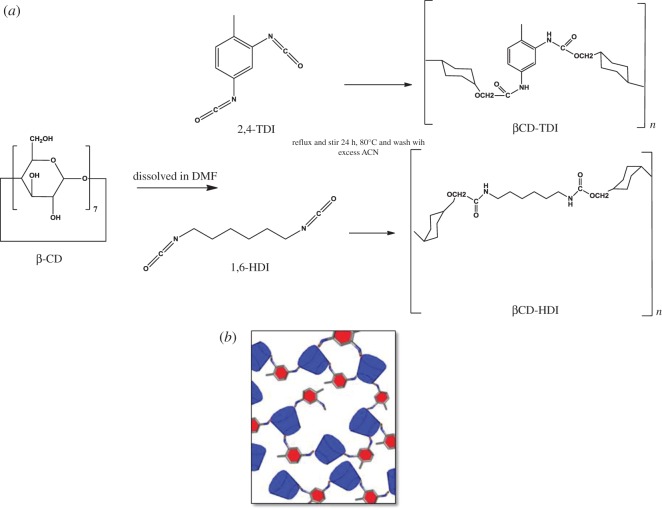
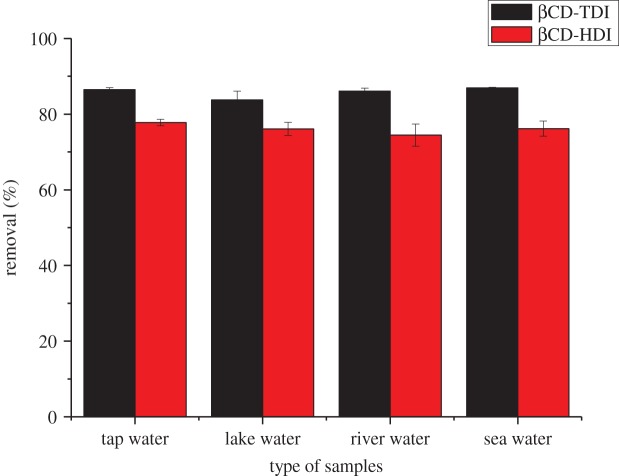
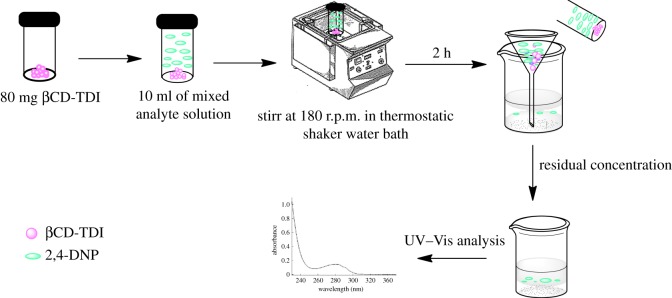
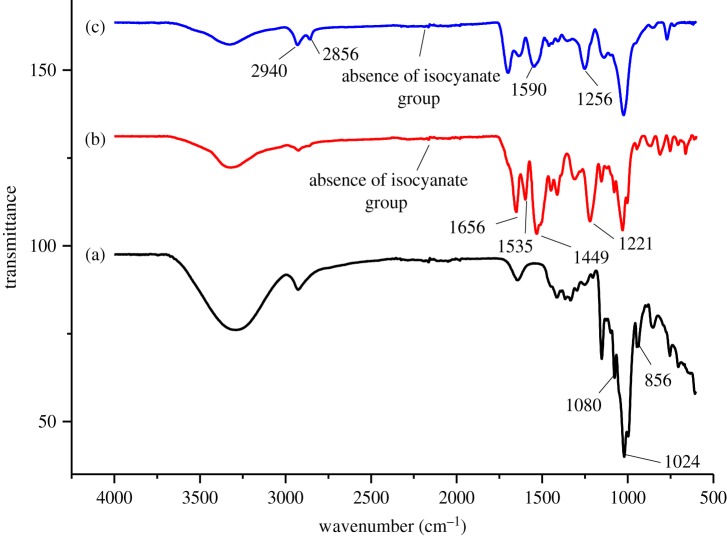
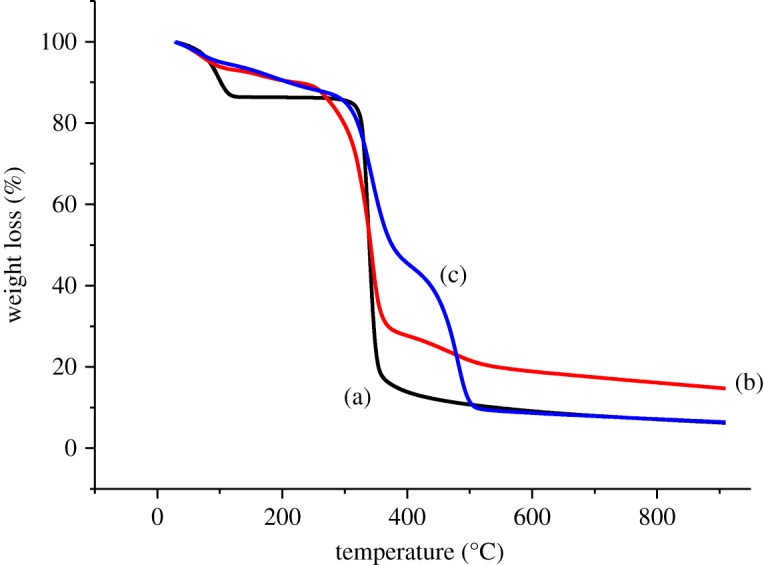
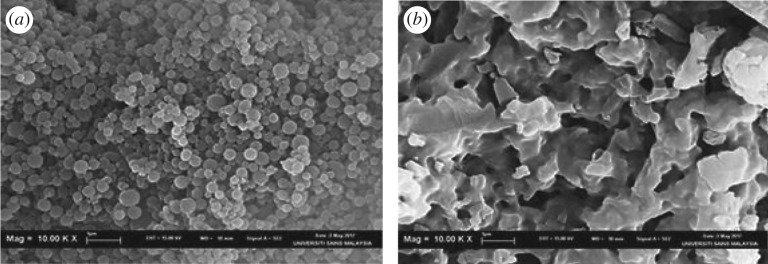
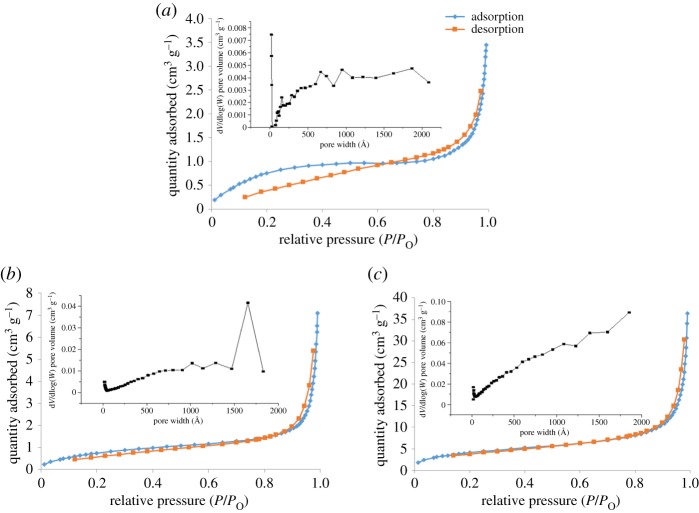
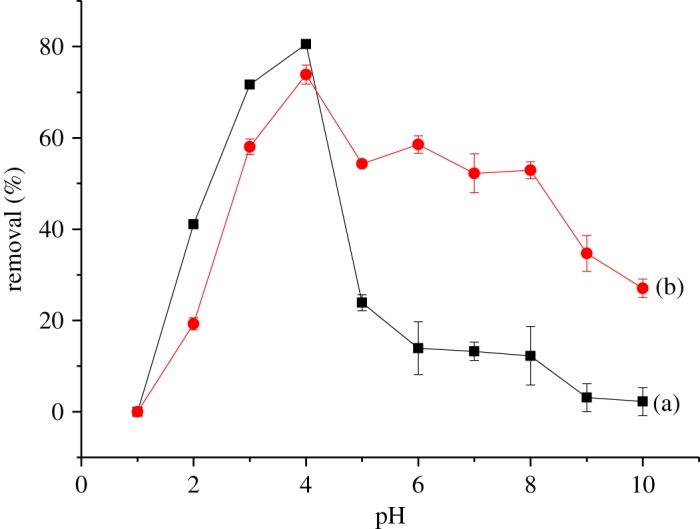
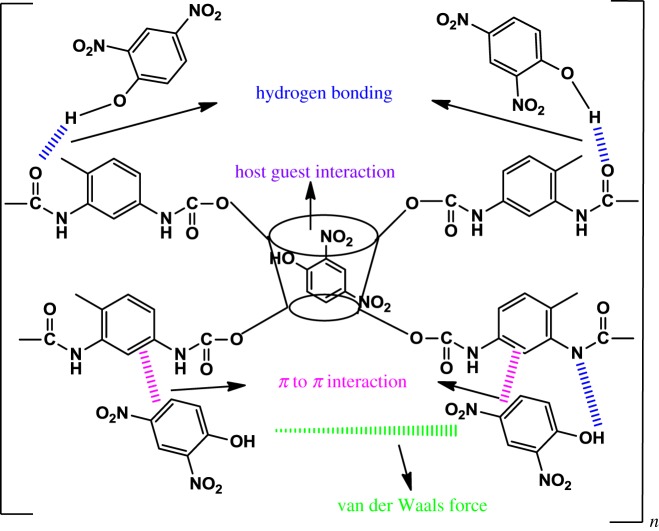
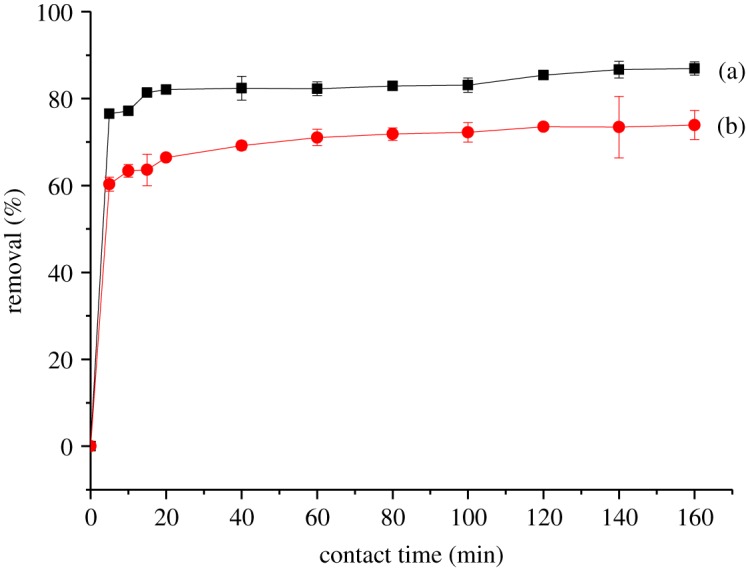
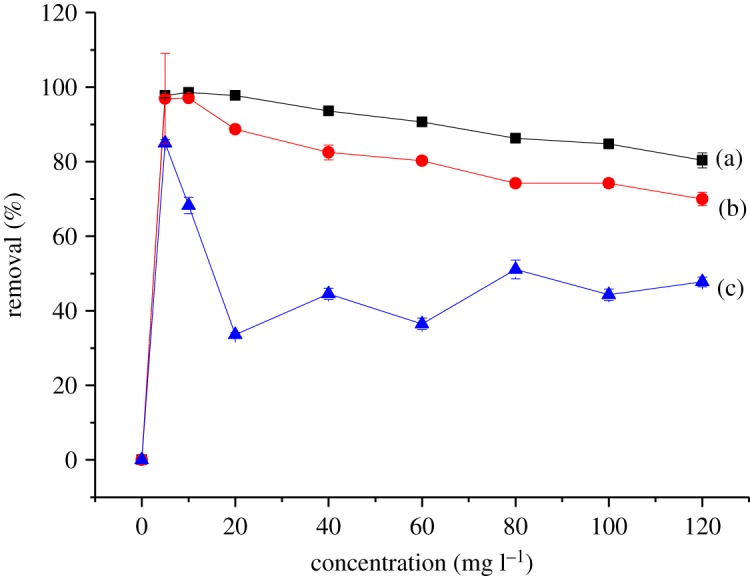
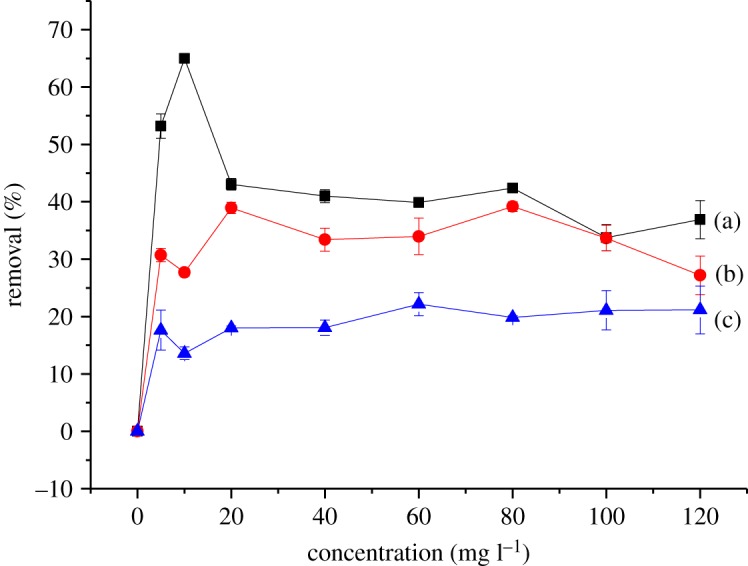
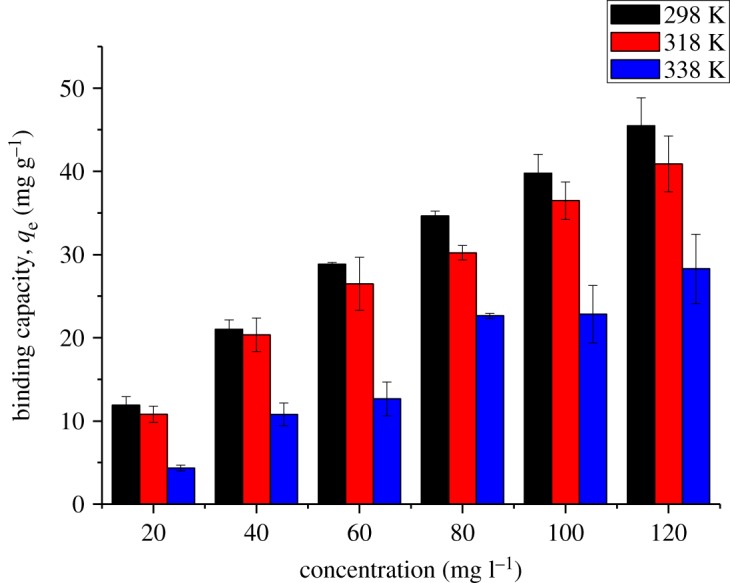
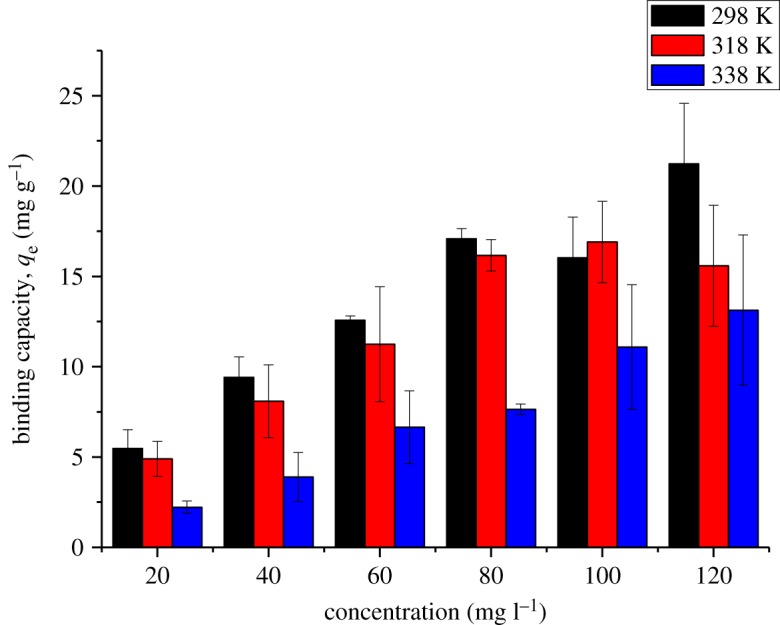
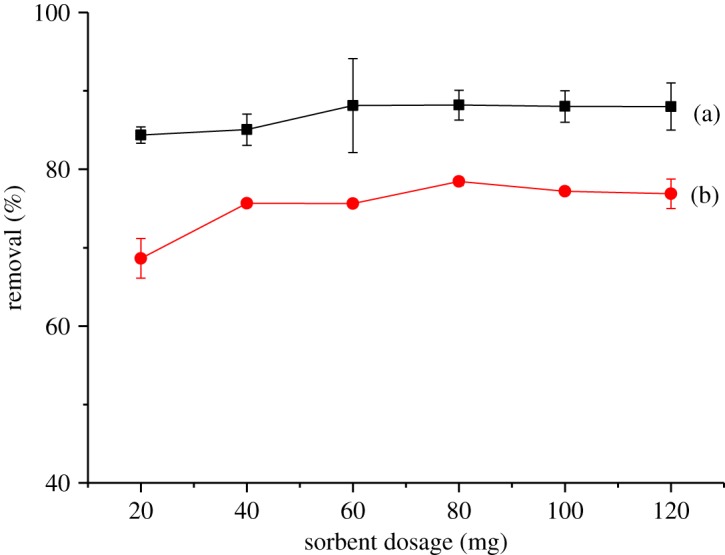
In this work, we reported the synthesis, characterization and adsorption study of two β-cyclodextrin (βCD) cross-linked polymers using aromatic linker 2,4-toluene diisocyanate (2,4-TDI) and aliphatic linker 1,6-hexamethylene diisocyanate (1,6-HDI) to form insoluble βCD-TDI and βCD-HDI. The adsorption of 2,4-dinitrophenol (DNP) on both polymers as an adsorbent was studied in batch adsorption experiments. Both polymers were well characterized using various tools that include Fourier transform infrared spectroscopy, thermogravimetric analysis, Brunauer-Emmett-Teller analysis and scanning electron microscopy, and the results obtained were compared with the native βCD. The adsorption isotherm of 2,4-DNP onto polymers was studied. It showed that the Freundlich isotherm is a better fit for βCD-TDI, while the Langmuir isotherm is a better fit for βCD-HMDI. The pseudo-second-order kinetic model represented the adsorption process for both of the polymers. The thermodynamic study showed that βCD-TDI polymer was more favourable towards 2,4-DNP when compared with βCD-HDI polymer. Under optimized conditions, both βCD polymers were successfully applied on various environmental water samples for the removal of 2,4-DNP. βCD-TDI polymer showed enhanced sorption capacity and higher removal efficiency (greater than 80%) than βCD-HDI (greater than 70%) towards 2,4-DNP. The mechanism involved was discussed, and the effects of cross-linkers on βCD open up new perspectives for the removal of toxic contaminants from a body of water.
在本研究中,我们报道了使用芳香族连接剂2,4-甲苯二异氰酸酯(2,4-TDI)和脂肪族连接剂1,6-六亚甲基二异氰酸酯(1,6-HDI)合成、表征两种β-环糊精(βCD)交联聚合物以形成不溶性βCD-TDI和βCD-HDI,并对其进行吸附研究。在批量吸附实验中研究了2,4-二硝基苯酚(DNP)在这两种聚合物作为吸附剂上的吸附情况。使用包括傅里叶变换红外光谱、热重分析、布鲁诺尔-埃米特-特勒分析和扫描电子显微镜等各种工具对这两种聚合物进行了充分表征,并将所得结果与天然βCD进行了比较。研究了2,4-DNP在聚合物上的吸附等温线。结果表明,Freundlich等温线更适合βCD-TDI,而Langmuir等温线更适合βCD-HMDI。准二级动力学模型描述了这两种聚合物的吸附过程。热力学研究表明,与βCD-HDI聚合物相比,βCD-TDI聚合物对2,