Research Institute for Marine Drug and Nutrition, College of Food Science and Technology, Guangdong Ocean University, Zhanjiang 524088, China.
Shenzhen Institute of Guangdong Ocean University, Shenzhen 518120, China.
Nutrients. 2018 Sep 21;10(10):1351. doi: 10.3390/nu10101351.
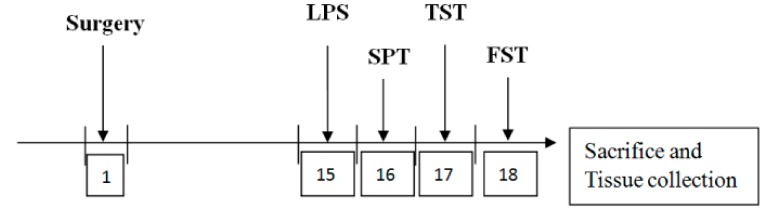
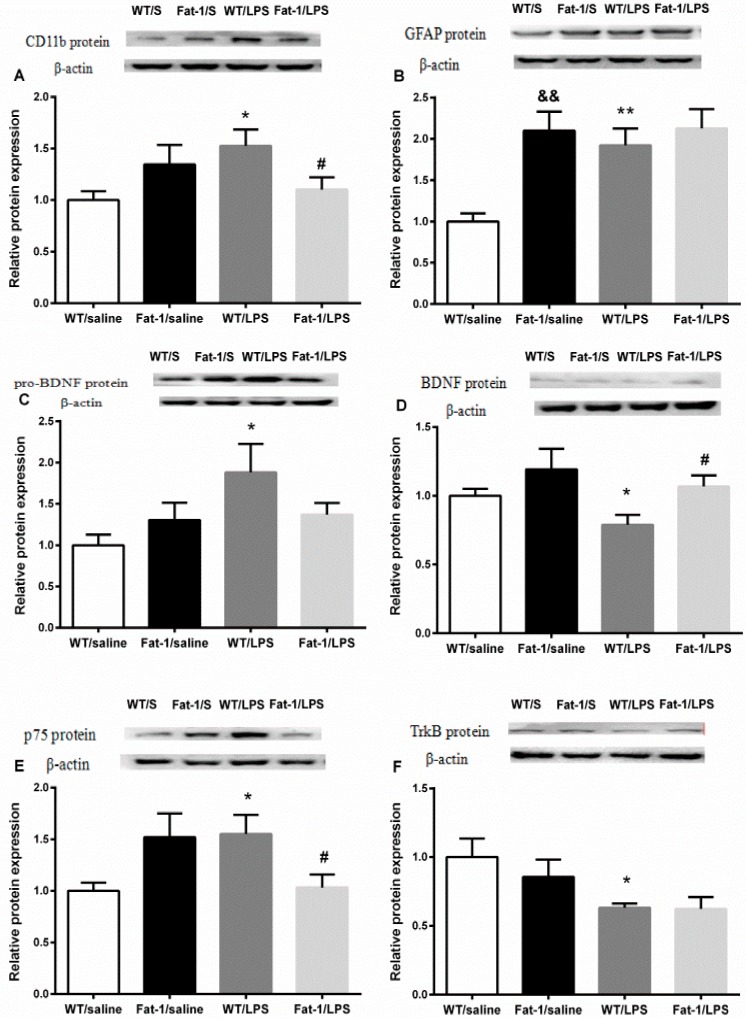
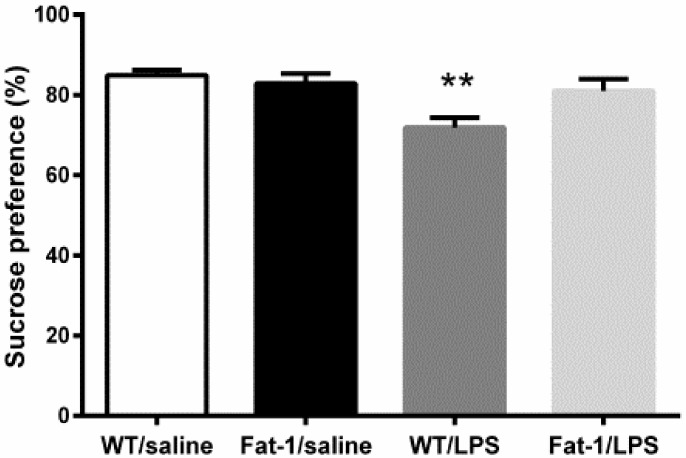
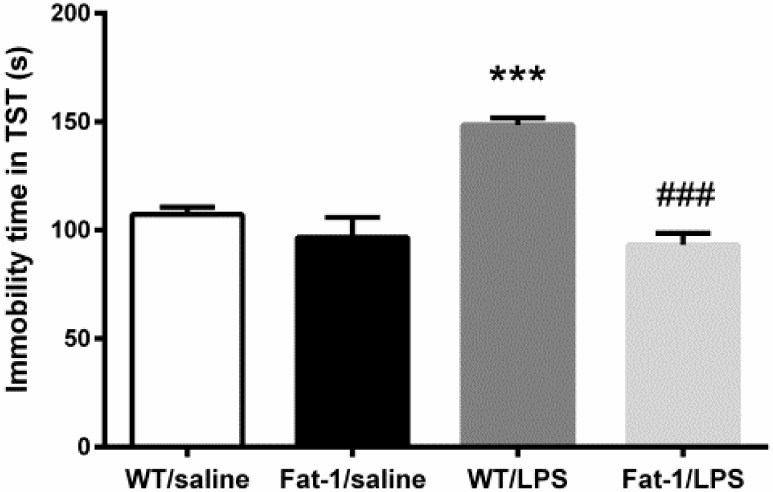
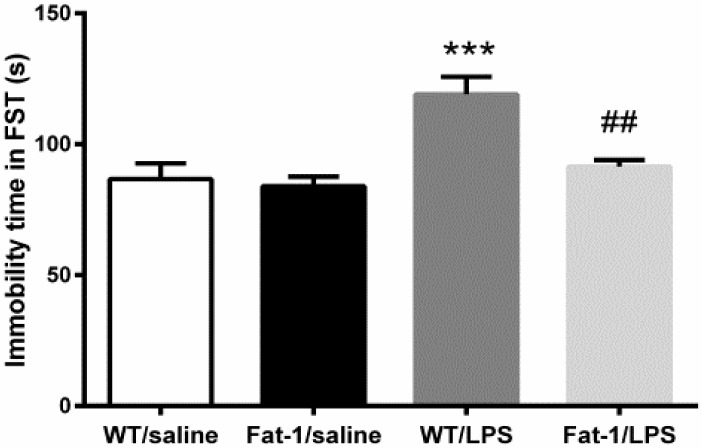
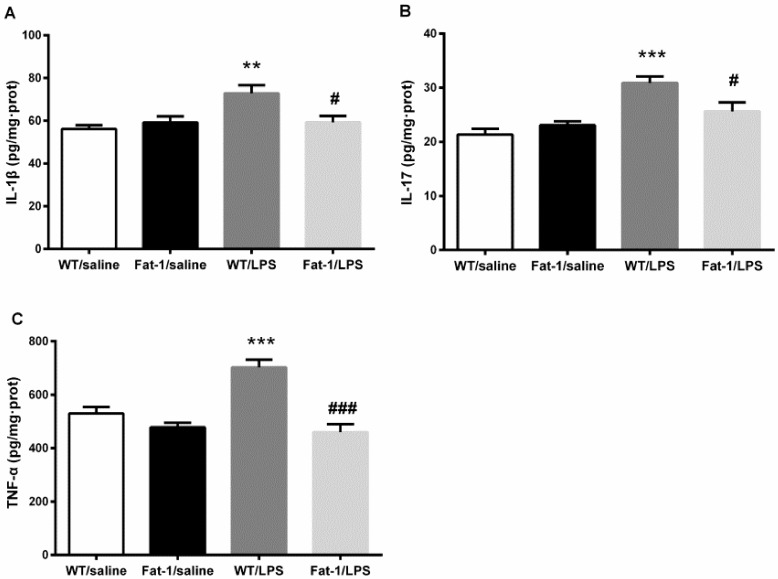
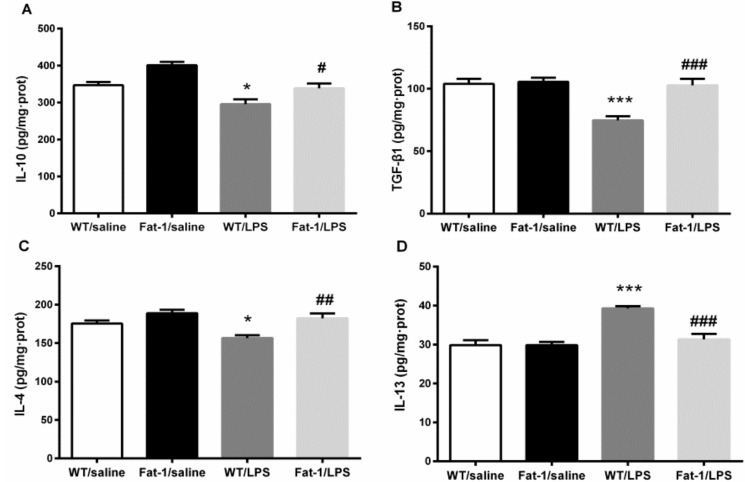
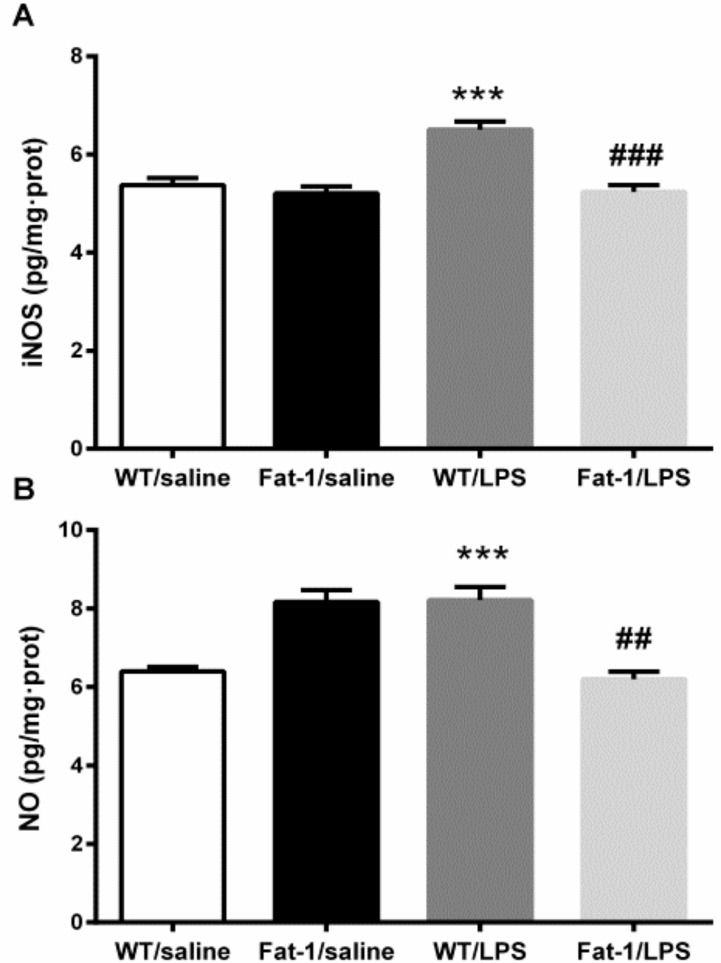
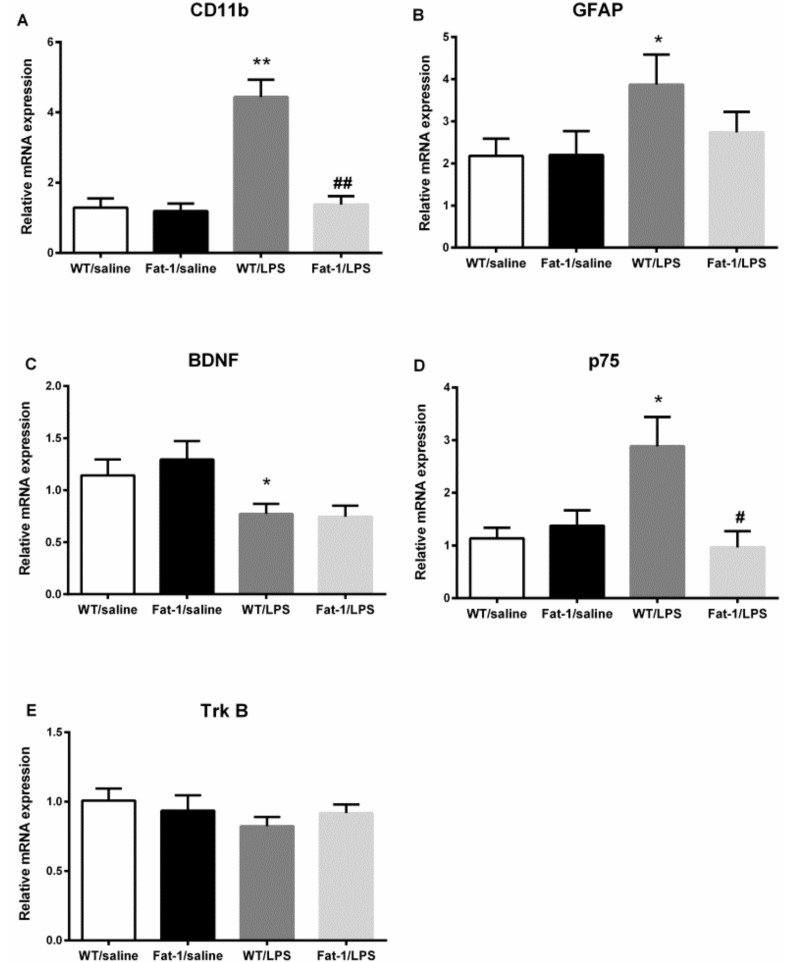
n-3 polyunsaturated fatty acids (PUFAs) have been reported to improve depression. However, PUFA purities, caloric content, and ratios in different diets may affect the results. By using Fat-1 mice which convert n-6 to n-3 PUFAs in the brain, this study further evaluated anti-depressant mechanisms of n-3 PUFAs in a lipopolysaccharide (LPS)-induced model. Adult male Fat-1 and wild-type (WT) mice were fed soybean oil diet for 8 weeks. Depression-like behaviors were measured 24 h after saline or LPS central administration. In WT littermates, LPS reduced sucrose intake, but increased immobility in forced-swimming and tail suspension tests. Microglial M1 phenotype CD11b expression and concentrations of interleukin (IL)-1β, tumor necrosis factor (TNF)-α, and IL-17 were elevated, while M2 phenotype-related IL-4, IL-10, and transforming growth factor (TGF)-β1 were decreased. LPS also reduced the expression of brain-derived neurotrophic factor (BDNF) and tyrosine receptor kinase B (Trk B), while increasing glial fibrillary acidic protein expression and pro-BDNF, p75, NO, and iNOS levels. In Fat-1 mice, LPS-induced behavioral changes were attenuated, which were associated with decreased pro-inflammatory cytokines and reversed changes in p75, NO, iNOS, and BDNF. Gas chromatography assay confirmed increased n-3 PUFA levels and n-3/n-6 ratios in the brains of Fat-1 mice. In conclusion, endogenous n-3 PUFAs may improve LPS-induced depression-like behavior through balancing M1 and M2-phenotypes and normalizing BDNF function.
n-3 多不饱和脂肪酸 (PUFAs) 已被报道可改善抑郁。然而,不同饮食中的 PUFAs 纯度、热量含量和比例可能会影响结果。本研究使用可在大脑中将 n-6 转化为 n-3 PUFAs 的 Fat-1 小鼠,进一步评估了 n-3 PUFAs 在脂多糖 (LPS) 诱导模型中的抗抑郁机制。成年雄性 Fat-1 和野生型 (WT) 小鼠喂食大豆油饮食 8 周。LPS 中枢给药后 24 小时测量抑郁样行为。在 WT 同窝仔鼠中,LPS 降低了蔗糖摄入量,但增加了强迫游泳和悬尾试验中的不动性。小胶质细胞 M1 表型 CD11b 表达以及白细胞介素 (IL)-1β、肿瘤坏死因子 (TNF)-α 和 IL-17 的浓度升高,而与 M2 表型相关的 IL-4、IL-10 和转化生长因子 (TGF)-β1 减少。LPS 还降低了脑源性神经营养因子 (BDNF) 和酪氨酸受体激酶 B (Trk B) 的表达,同时增加了神经胶质纤维酸性蛋白的表达和前 BDNF、p75、NO 和 iNOS 水平。在 Fat-1 小鼠中,LPS 诱导的行为变化减弱,这与促炎细胞因子减少以及 p75、NO、iNOS 和 BDNF 水平的逆转有关。气相色谱分析证实 Fat-1 小鼠大脑中的 n-3 PUFA 水平和 n-3/n-6 比值增加。总之,内源性 n-3 PUFAs 可能通过平衡 M1 和 M2 表型以及正常化 BDNF 功能来改善 LPS 诱导的抑郁样行为。