Waynforth David
School of Medicine, Faculty of Health Sciences and Medicine, Bond University, Gold Coast, QLD, Australia.
Yale J Biol Med. 2018 Sep 21;91(3):225-235. eCollection 2018 Sep.
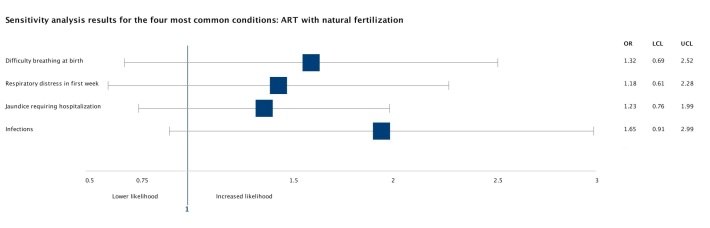
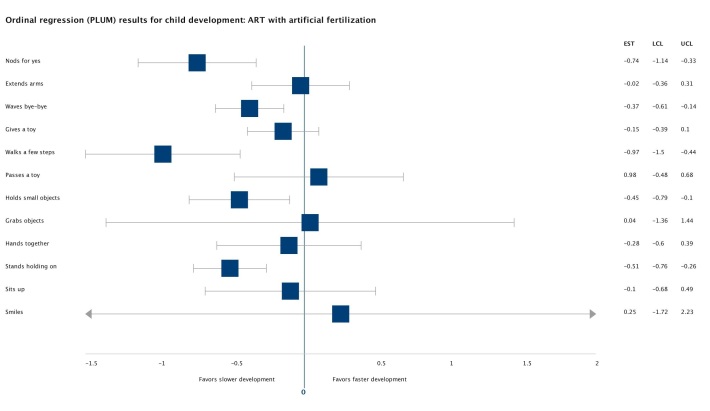
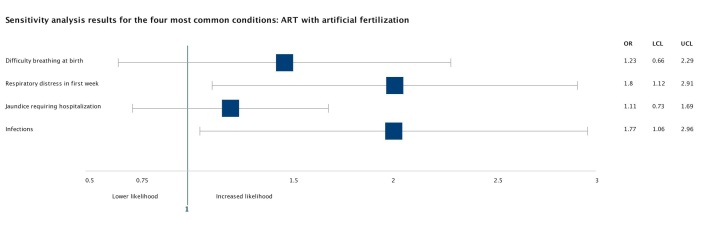
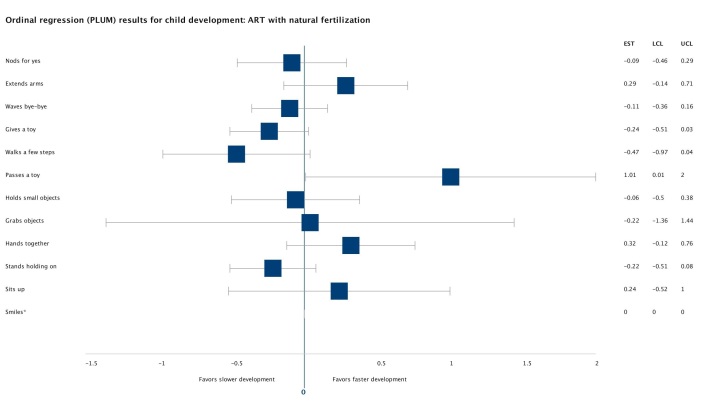
Millions of infants around the world have been born as a result of assisted reproductive technologies (ART), and in the past three decades ART has become increasingly effective and technologically sophisticated. At the same time, advances have been made in understanding the evolutionary biology of mate choice and post-copulatory processes. These advances have relevance for ART as ART methods to a greater or lesser extent circumvent potentially important natural processes determining which fertilized embryo is successfully implanted. Here, using UK Millennium cohort data, the hypothesis that ART methods which circumvent both natural selection of ova and sperm (for example fertilization) lead to poorer child health and developmental outcomes than ART methods in which fertilization occurs naturally after fertility treatment using drugs or diathermy. The results showed that both groups of ART were associated with the number of infant health problems from birth through the first week of life when compared with naturally conceived infants. Methods with artificial fertilization were associated with two of the four most common health conditions: respiratory distress (OR 1.80; 95% CI 1.12-2.91) and infections (OR 1.77; 95% CI 1.96-2.06). ART methods with artificial fertilization were associated with delayed achievement of developmental milestones at nine months, and when contrasted with ART using fertility drugs or diathermy only, were significantly more likely to be associated with slower child development. This suggests that evolved processes that determine which egg and sperm lead to successful pregnancy may be important for offspring quality as indicated by infant development. Clinically, the results suggest that women should avoid ART with artificial gamete selection if they can conceive using other ART methods.
世界各地数以百万计的婴儿通过辅助生殖技术(ART)诞生,在过去三十年中,ART越来越有效且技术日益复杂。与此同时,在理解配偶选择和交配后过程的进化生物学方面也取得了进展。这些进展与ART相关,因为ART方法或多或少地规避了决定哪个受精卵成功着床的潜在重要自然过程。在这里,利用英国千禧世代队列数据,提出了一个假设:与使用药物或透热疗法进行生育治疗后自然受精的ART方法相比,规避卵子和精子自然选择(例如受精)的ART方法会导致儿童健康和发育结果更差。结果表明,与自然受孕的婴儿相比,这两组ART都与出生后至出生后第一周的婴儿健康问题数量有关。人工受精方法与四种最常见健康状况中的两种有关:呼吸窘迫(比值比1.80;95%置信区间1.12-2.91)和感染(比值比1.77;95%置信区间1.96-2.06)。人工受精的ART方法与九个月时发育里程碑的延迟实现有关,并且与仅使用生育药物或透热疗法的ART相比,显著更有可能与儿童发育迟缓有关。这表明,决定哪些卵子和精子导致成功怀孕的进化过程可能对婴儿发育所表明的后代质量很重要。临床上,结果表明,如果女性能够使用其他ART方法受孕,就应该避免使用人工配子选择的ART。