Department of Materials Science and Biotechnology, Graduate School of Science and Engineering, Ehime University, 3-Bunkyo-cho, Matsuyama, Ehime 790-8577, Japan.
Sensors (Basel). 2018 Sep 29;18(10):3283. doi: 10.3390/s18103283.
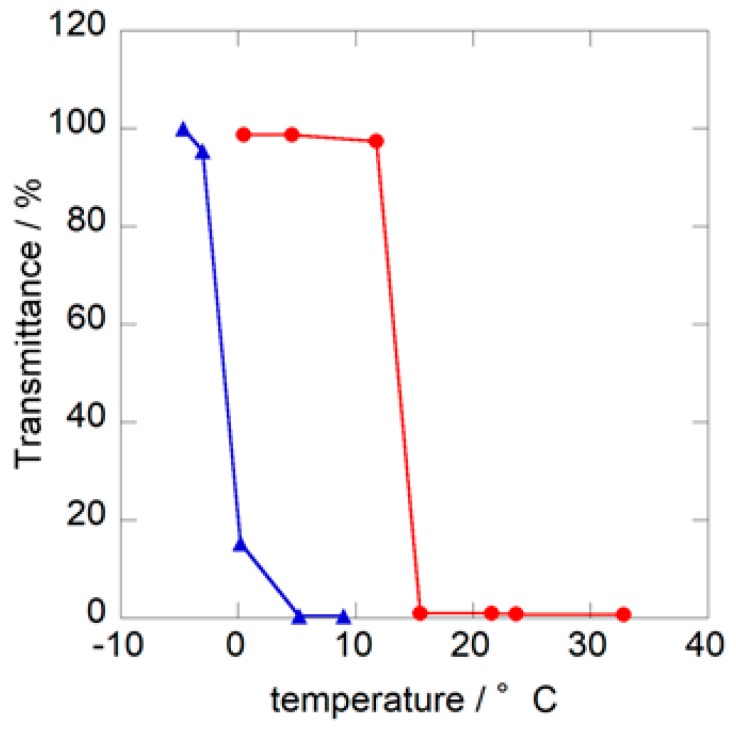
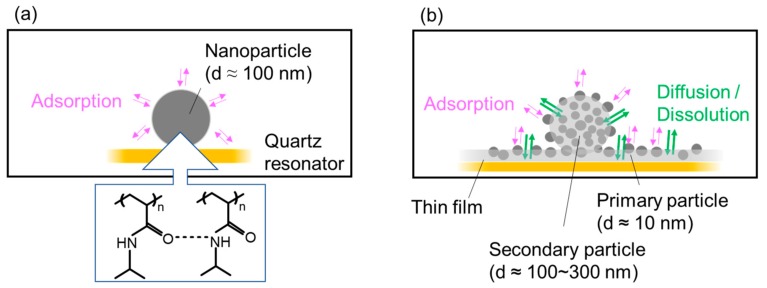
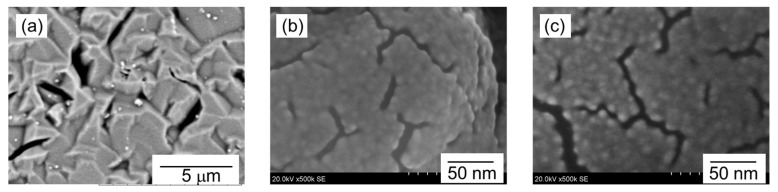
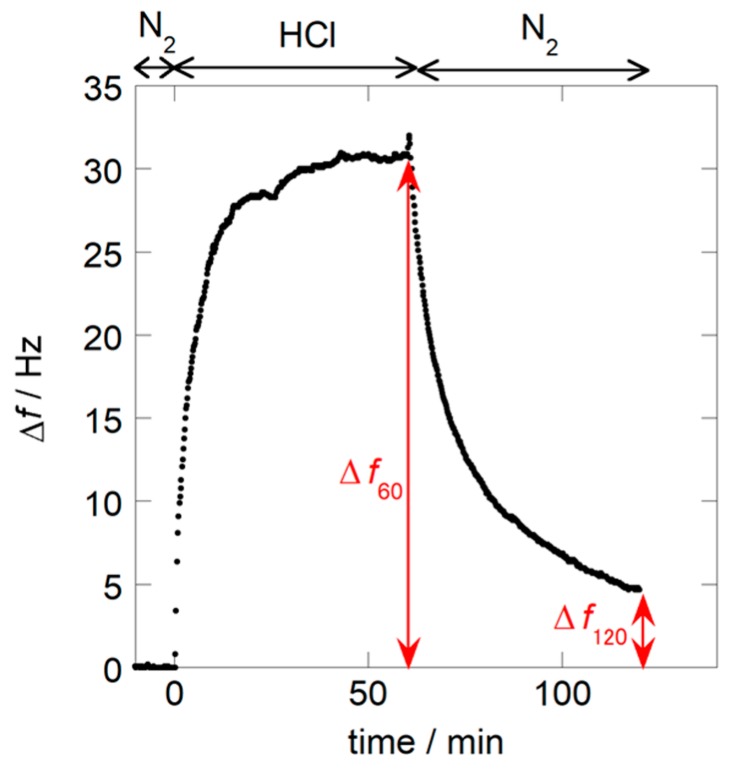
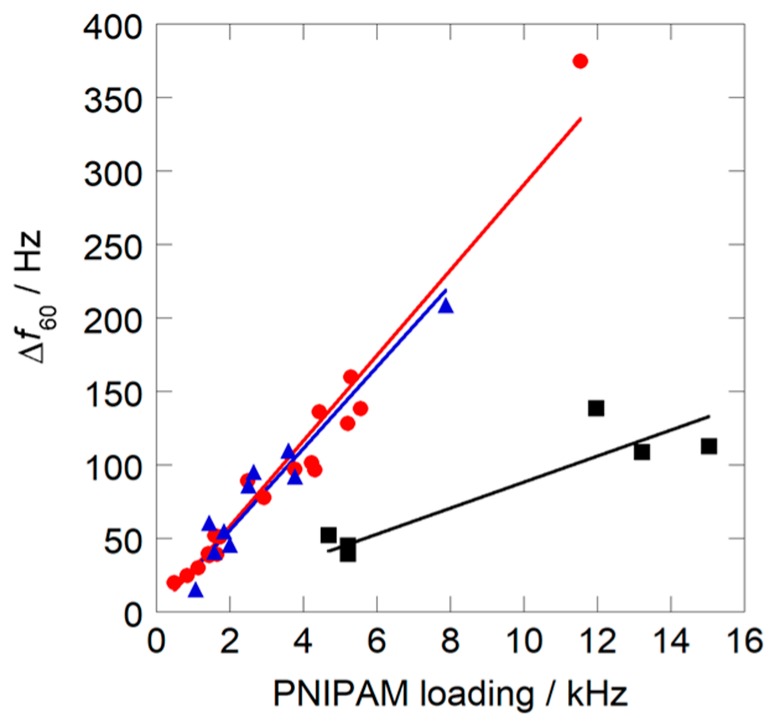
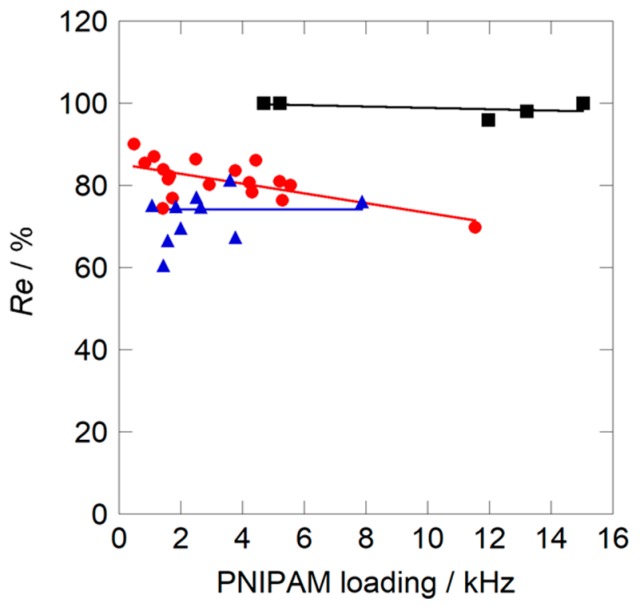
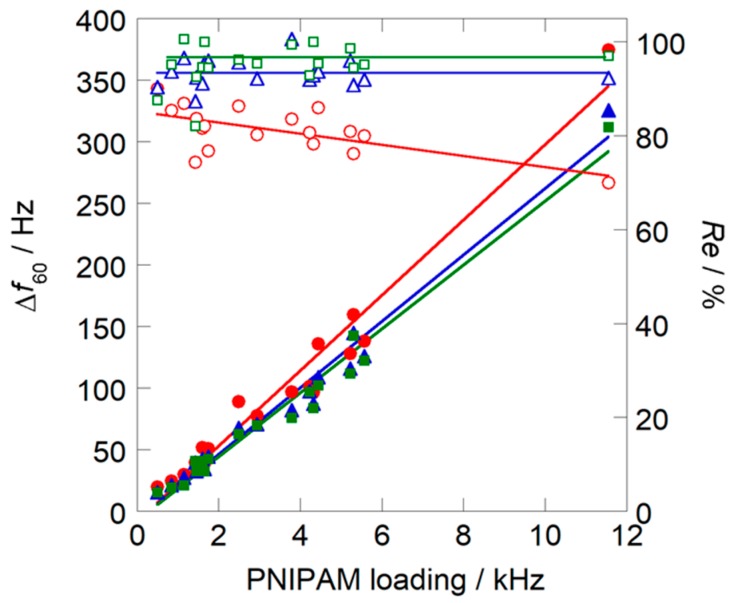
Poly(-isopropylacrylamide) (PNIPAM) nanoparticles formed in water-methanol binary solvent were successfully deposited on a resonator surface at room temperature by exploiting the cononsolvency effect on the phase transition of PNIPAM aqueous solutions. Scanning electron microscopic observation revealed that the nanoparticles were secondary and made up of agglomerated primary spherical particles of about 10-nm diameter, buried in the film. The magnitude of the sensor response toward HCl gas was larger than that of the nanoparticle sensor prepared from pure water solvent, and the sensitivity to 1 ppm of HCl of sensor-coated nanoparticles based on the present method was 3.3 Hz/ppm. The recovery of the sensors was less than 90% at first cycle measurement, but had improved to almost 100% at the third cycle.
聚(异丙基丙烯酰胺)(PNIPAM)纳米粒子在水-甲醇二元溶剂中形成,通过利用共溶剂对 PNIPAM 水溶液相转变的影响,成功地在室温下沉积在谐振器表面上。扫描电子显微镜观察表明,纳米粒子是二次的,由约 10nm 直径的团聚初级球形颗粒组成,埋在薄膜中。该传感器对 HCl 气体的响应幅度大于由纯水溶剂制备的纳米粒子传感器,基于本方法的涂覆有纳米粒子的传感器对 1ppm HCl 的灵敏度为 3.3Hz/ppm。在第一次循环测量时,传感器的恢复不到 90%,但在第三次循环时已提高到近 100%。