Joshi Yogesh, Muppalaneni Srinath, Omidian Alborz, Mastropietro David Jude, Omidian Hamid
Unipharma LLC., Tamarac, Florida, USA.
Sancilio Pharmaceuticals Company, Inc., Riviera Beach, Florida, USA.
Adv Pharm Bull. 2018 Aug;8(3):495-505. doi: 10.15171/apb.2018.058. Epub 2018 Aug 29.
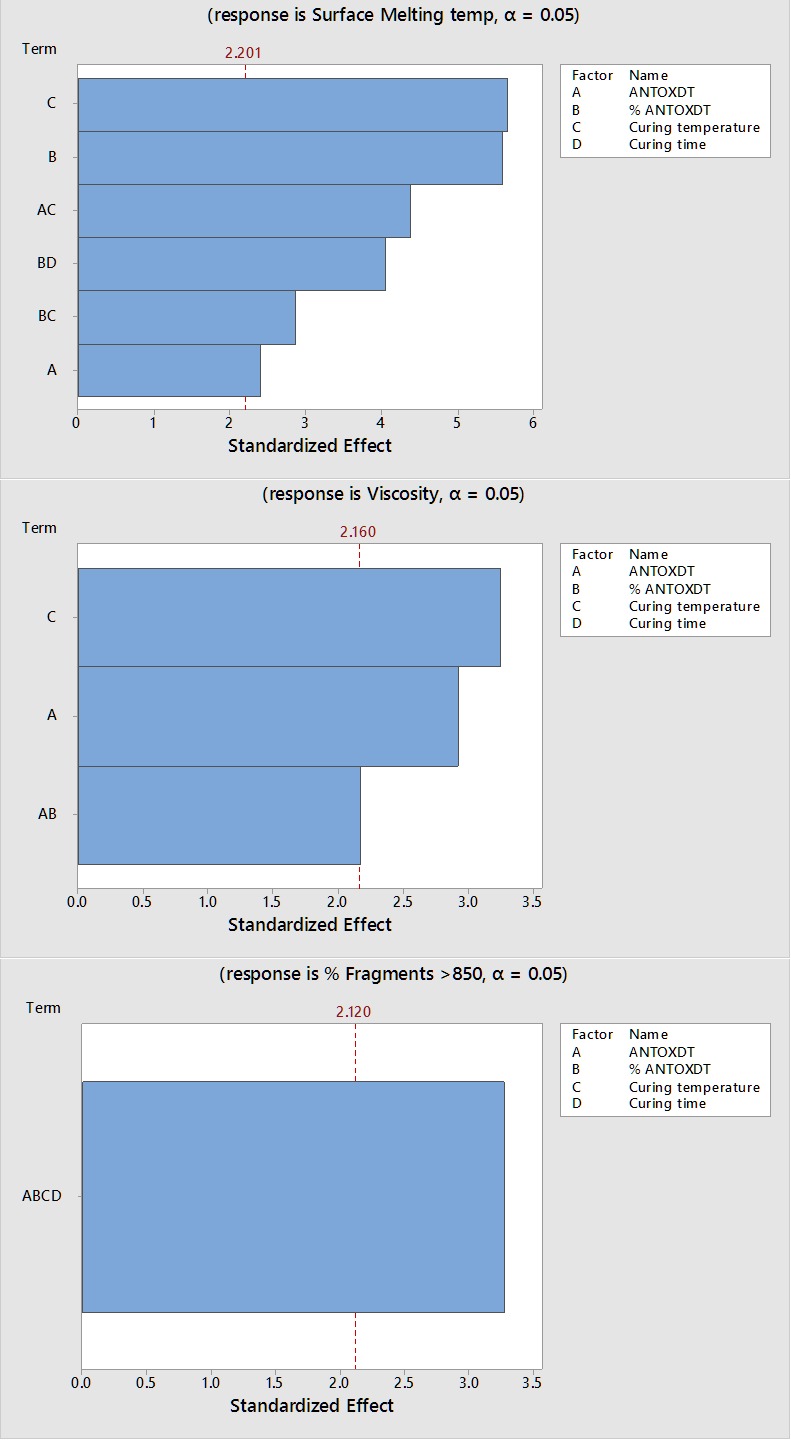
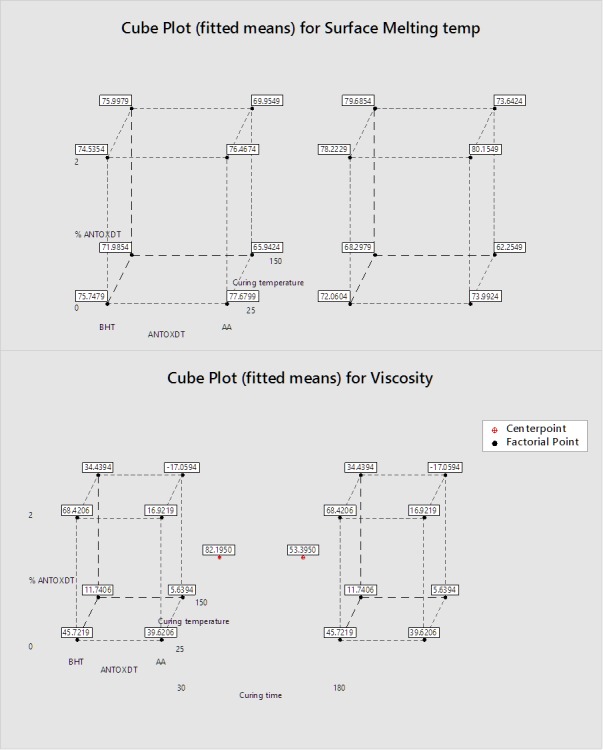
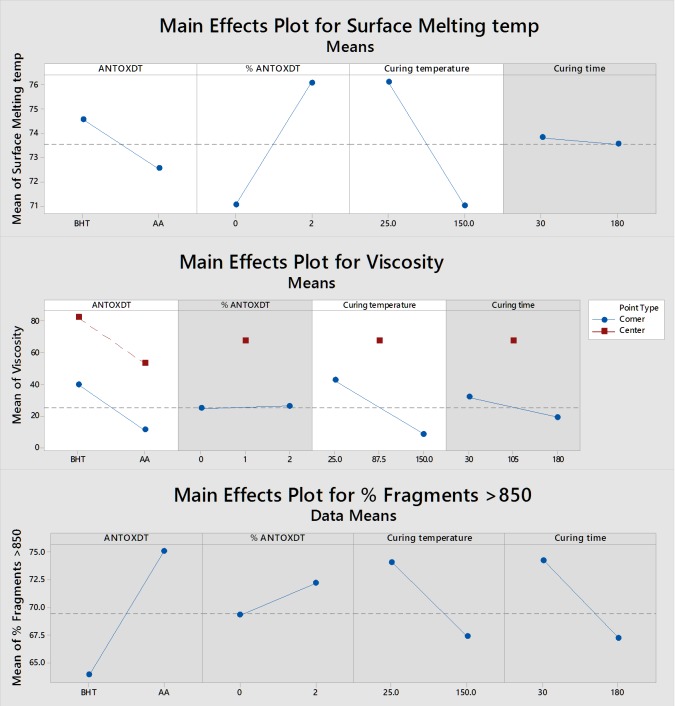
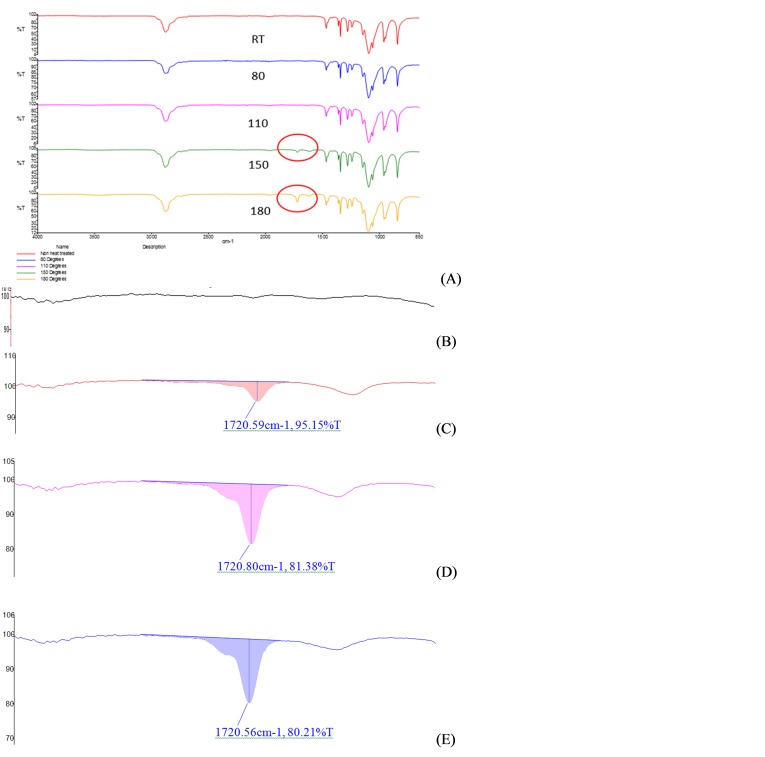
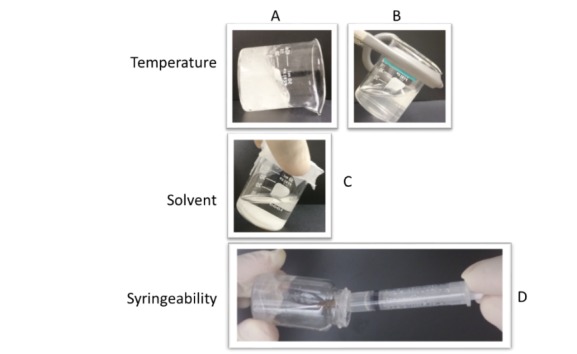
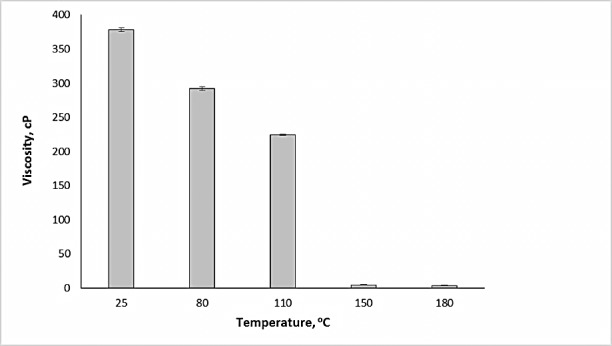
The purpose of this study was to determine the effects of thermal processing and antioxidant formulation variables on the abuse deterrence performance of a high molecular weight poly(ethylene oxide) (PEO) polymer. A 2 factorial design with one categorical factor (antioxidant type) and three continuous factors (curing time, curing temperature, % antioxidant) was used. Abuse deterrence performance was evaluated using solution viscosity, surface melting temperature, and mechanical strength. Thermal degradation of PEO powders before compaction was also studied using DSC, FTIR spectroscopy, and viscosity analysis. Our results showed that curing temperature and type of antioxidant can significantly affect the deterrence performance of PEO. The main effect plot for viscosity shows the most prominent factors affecting viscosity are curing temperature and type of antioxidant. However, curvature in the linear model obtained was not sufficient to completely describe the behavior. For surface melting temperature, butylated hydroxytoluene was associated with higher surface melting temperatures compared to ascorbic acid. Additionally, higher percent of antioxidant resulted in higher melting temperature. Particle size distribution to indicate mechanical strength showed no significant effects of tested factors. This suggests that comminution method has more prominent effect on tablet fragment size than the formulation and processing factors studied. While heat confers the mechanical strength to the polymer, it can diminish its physical stability and solution state viscosity. The experimental studies showed that prolonged exposure to high temperatures, even in the presence of antioxidants, can severely hamper polymer deterrence performance in both solid and solution states.
本研究的目的是确定热加工和抗氧化剂配方变量对高分子量聚环氧乙烷(PEO)聚合物滥用威慑性能的影响。采用了一种二因素设计,其中一个分类因素为(抗氧化剂类型),三个连续因素为(固化时间、固化温度、抗氧化剂百分比)。使用溶液粘度、表面熔化温度和机械强度来评估滥用威慑性能。还使用差示扫描量热法(DSC)、傅里叶变换红外光谱法(FTIR)和粘度分析研究了压实前PEO粉末的热降解情况。我们的结果表明,固化温度和抗氧化剂类型可显著影响PEO的威慑性能。粘度的主效应图显示,影响粘度最显著的因素是固化温度和抗氧化剂类型。然而,所获得的线性模型中的曲率不足以完全描述其行为。对于表面熔化温度,与抗坏血酸相比,丁基化羟基甲苯与更高的表面熔化温度相关。此外,抗氧化剂百分比越高,熔化温度越高。用于指示机械强度的粒度分布显示,测试因素没有显著影响。这表明,粉碎方法对片剂碎片尺寸的影响比所研究的配方和加工因素更为显著。虽然热量赋予了聚合物机械强度,但它会降低其物理稳定性和溶液状态粘度。实验研究表明,即使在存在抗氧化剂的情况下,长时间暴露于高温也会严重阻碍聚合物在固态和溶液态下的威慑性能。