Song Xiao-Qing, Tao Cheng, Li Wei, Wang Jie-Xin, Le Yuan, Zhang Jian-Jun
College of Chemical Engineering, Beijing University of Chemical Technology, Beijing 100029, China.
Beijing Advanced Innovation Center for Soft Matter Science and Engineering, Beijing University of Chemical Technology, Beijing 100029, China.
Pharmaceutics. 2018 Oct 3;10(4):173. doi: 10.3390/pharmaceutics10040173.
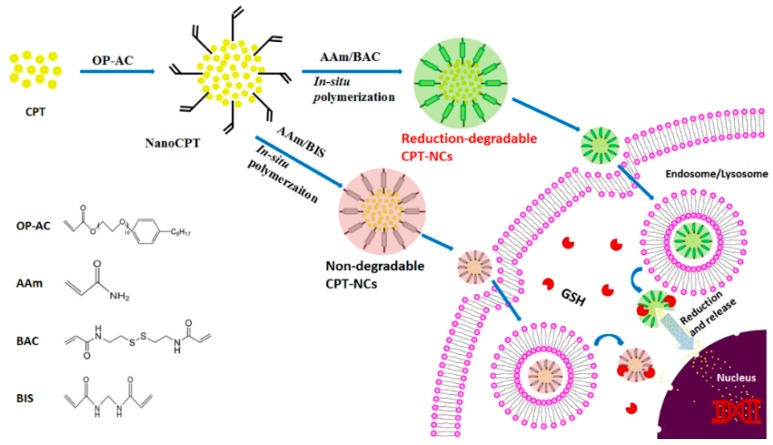
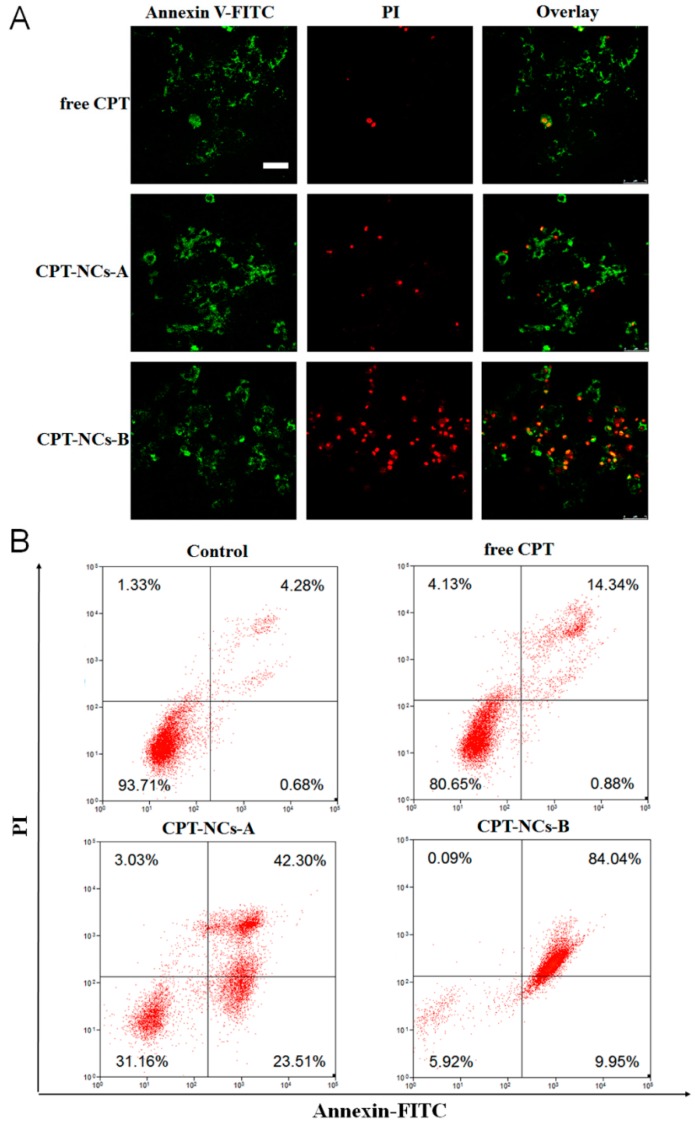
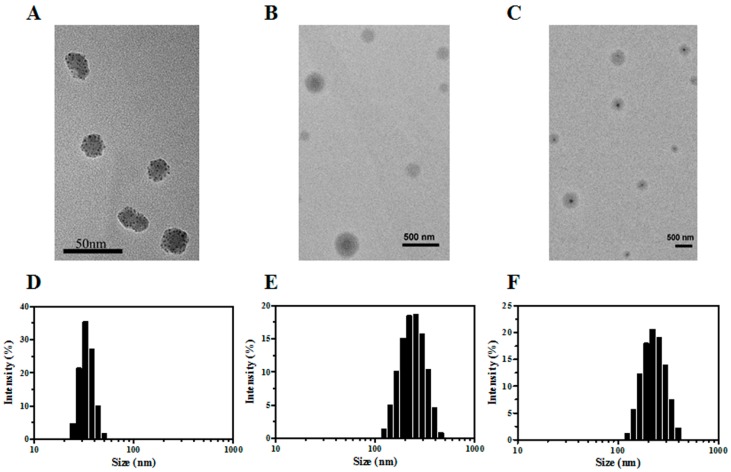
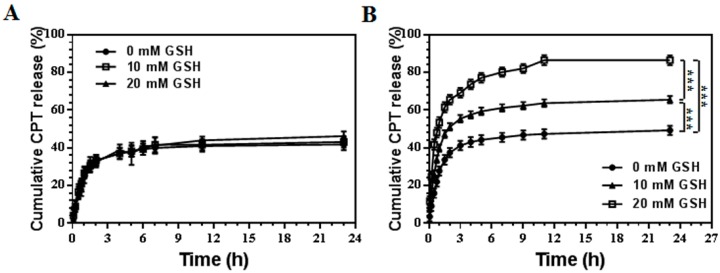
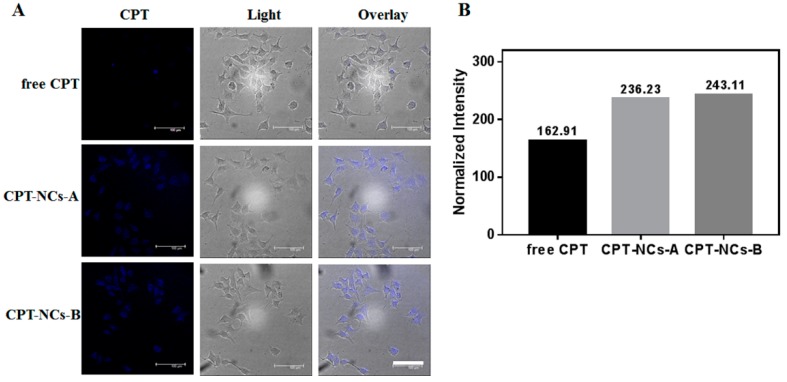
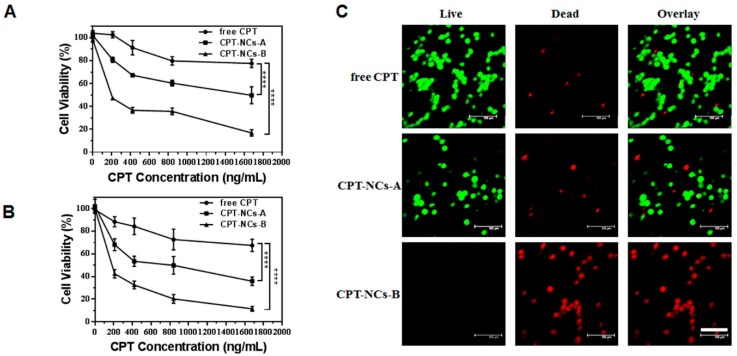
Stimuli-responsive systems for controlled drug release have been extensively explored in recent years. In this work, we developed a reduction-responsive camptothecin (CPT) nanocapsule (CPT-NC) by combining nanoprecipitation and in situ polymerization using a polymerized surface ligand and a disulfide bond-containing crosslinker. Dissolution rate studies proved that the CPT-NCs have robust drug-release profiles in the presence of glutathione (GSH) owing to the division of the disulfide bond crosslinker which triggers the collapse of the polymer layer. Furthermore, the in vitro investigations demonstrated that the CPT-NCs exhibited a high-cellular uptake efficiency and cytotoxicity for cancer cells of squamous cell carcinoma (SCC-15). Our approach thus presents an effective intracellular drug delivery strategy for anticancer therapy.
近年来,用于控制药物释放的刺激响应系统得到了广泛研究。在这项工作中,我们通过使用聚合表面配体和含二硫键的交联剂,结合纳米沉淀和原位聚合,开发了一种还原响应型喜树碱(CPT)纳米胶囊(CPT-NC)。溶解速率研究证明,由于二硫键交联剂的断裂触发聚合物层的塌陷,CPT-NC在谷胱甘肽(GSH)存在下具有稳健的药物释放曲线。此外,体外研究表明,CPT-NC对鳞状细胞癌(SCC-15)癌细胞表现出高细胞摄取效率和细胞毒性。因此,我们的方法为抗癌治疗提供了一种有效的细胞内药物递送策略。