Scherf K Suzanne, Griffin Jason W, Judy Brian, Whyte Elisabeth M, Geier Charles F, Elbich Daniel, Smyth Joshua M
Department of Psychology, Pennsylvania State University, University Park, Pennsylvania, USA.
Department of Human Development and Family Studies, Pennsylvania State University, University Park, Pennsylvania, USA.
BMJ Open. 2018 Oct 4;8(9):e023682. doi: 10.1136/bmjopen-2018-023682.
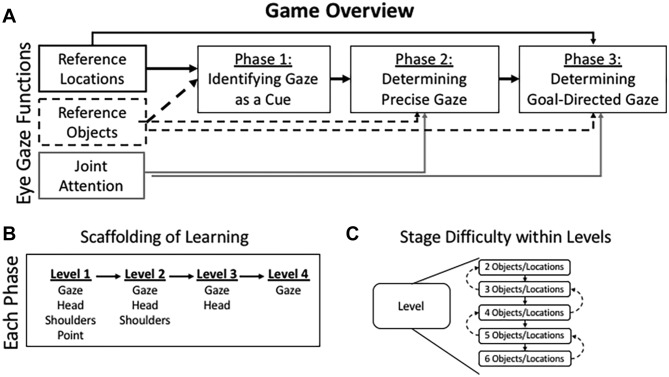
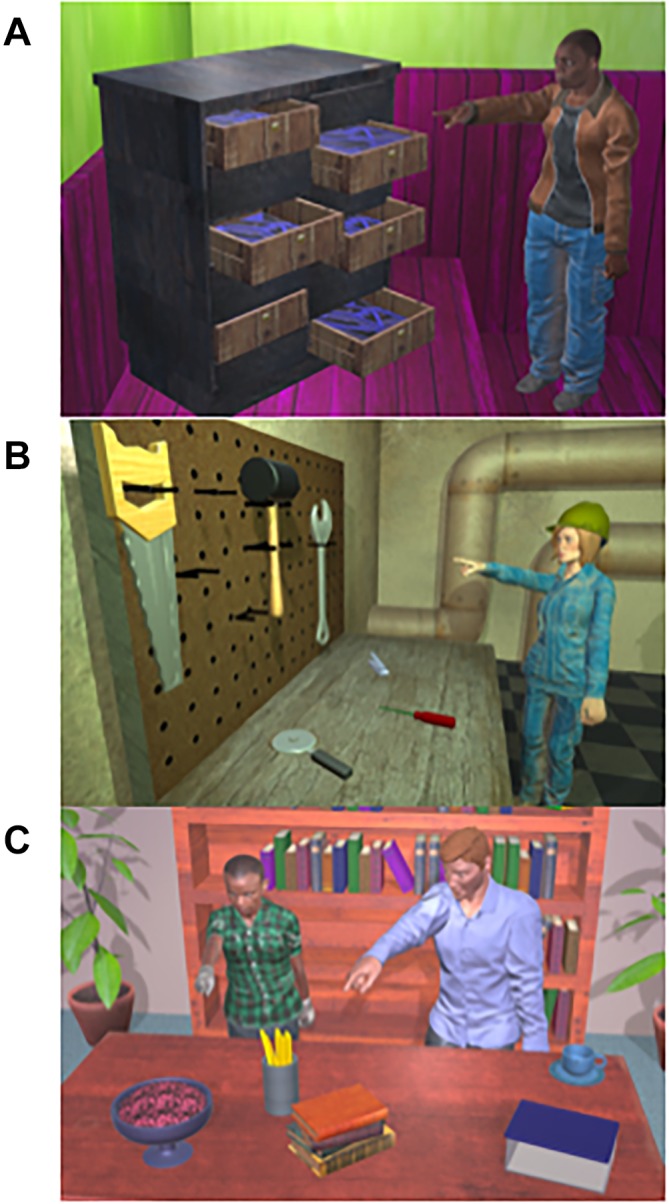
Autism spectrum disorder (ASD) is characterised by impairments in social communication. Core symptoms are deficits in social looking behaviours, including limited and We designed an intervention game using serious game mechanics for adolescents with ASD. It is designed to train individuals with ASD to discover that the eyes, and shifts in gaze specifically, provide information about the external world. We predict that the game will increase understanding of gaze cues and attention to faces.
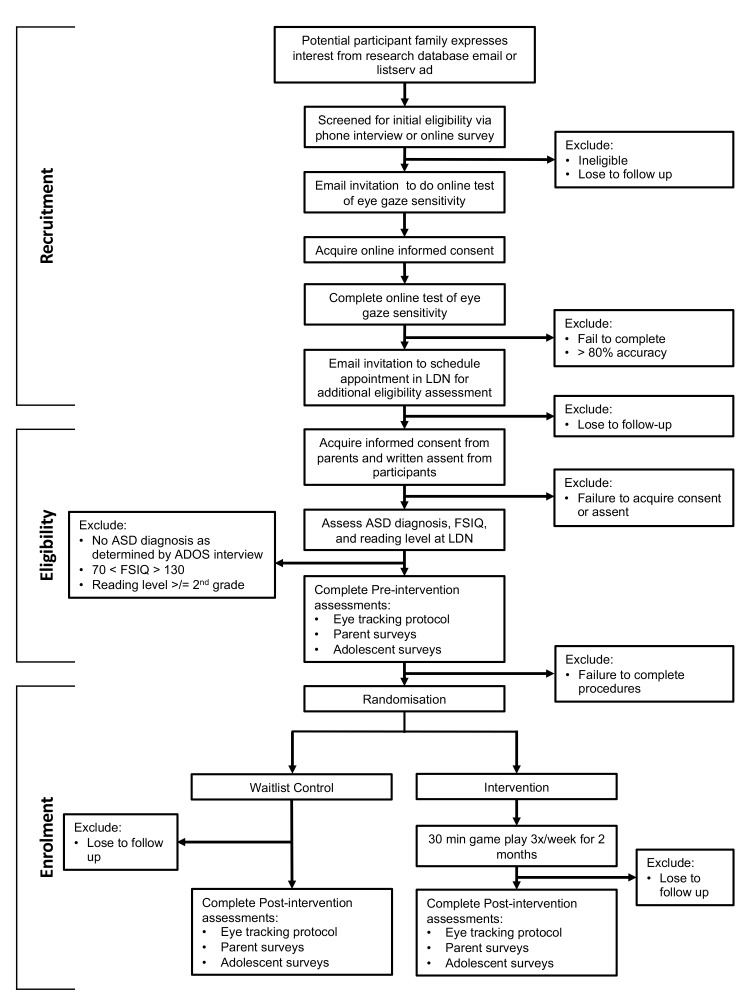
The Social Games for Adolescents with Autism (SAGA) trial is a preliminary, randomised controlled trial comparing the intervention game with a waitlist control condition. 34 adolescents (10-18 years) with ASD with a Full-Scale IQ between 70 and 130 and a minimum second grade reading level, and their parents, will be randomly assigned (equally to intervention or the control condition) following baseline assessments. Intervention participants will be instructed to play the computer game at home on a computer for ~30 min, three times a week. All families are tested in the lab at baseline and approximately 2 months following randomisation in all measures. Primary outcomes are assessed with eye tracking to measure sensitivity to eye gaze cues and social visual attention to faces; secondary outcomes are assessed with questionnaires to measure social skills and autism-like behaviours. The analyses will focus on evaluating the feasibility, safety and preliminary effectiveness of the intervention.
SAGA is approved by the Institutional Review Board at Pennsylvania State University (00005097). Findings will be disseminated via scientific conferences and peer-reviewed journals and to participants via newsletter. The intervention game will be available to families in the control condition after the full data are collected and if analyses indicate that it is effective.
NCT02968225.
自闭症谱系障碍(ASD)的特征是社交沟通受损。核心症状是社交注视行为缺陷,包括注视受限以及……我们为患有ASD的青少年设计了一款运用严肃游戏机制的干预游戏。其目的是训练患有ASD的个体发现眼睛,特别是目光转移,能提供有关外部世界的信息。我们预测该游戏将增强对注视线索的理解以及对面部的关注。
青少年自闭症社交游戏(SAGA)试验是一项初步的随机对照试验,将干预游戏与等待名单对照条件进行比较。34名年龄在10至18岁之间、全量表智商在70至130之间且最低阅读水平为二年级的患有ASD的青少年及其父母,将在基线评估后被随机分配(均等分配至干预组或对照组)。干预组参与者将被要求在家中用电脑玩这款电脑游戏,每次约30分钟,每周三次。所有家庭在基线时以及随机分组后约2个月时在实验室接受所有测量项目的测试。主要结局通过眼动追踪来评估,以测量对目光注视线索的敏感度以及对面部的社交视觉注意力;次要结局通过问卷来评估,以测量社交技能和自闭症样行为。分析将聚焦于评估干预的可行性、安全性和初步有效性。
SAGA已获得宾夕法尼亚州立大学机构审查委员会的批准(00005097)。研究结果将通过科学会议和同行评审期刊进行传播,并通过时事通讯向参与者公布。在收集完完整数据且分析表明干预游戏有效后,将向对照组的家庭提供该干预游戏。
NCT02968225。