Bowden Sasigarn A, Foster Brian L
Division of Endocrinology, Department of Pediatrics, Nationwide Children's Hospital/The Ohio State University College of Medicine, Columbus, OH 43205, USA,
Division of Biosciences, College of Dentistry, The Ohio State University, Columbus, OH 43205, USA.
Drug Des Devel Ther. 2018 Sep 24;12:3147-3161. doi: 10.2147/DDDT.S154922. eCollection 2018.
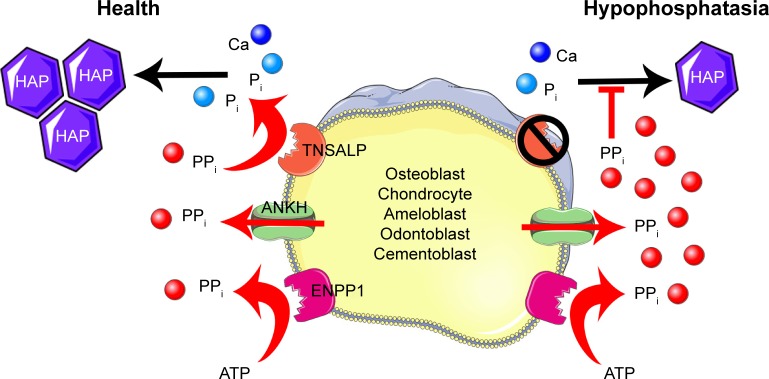
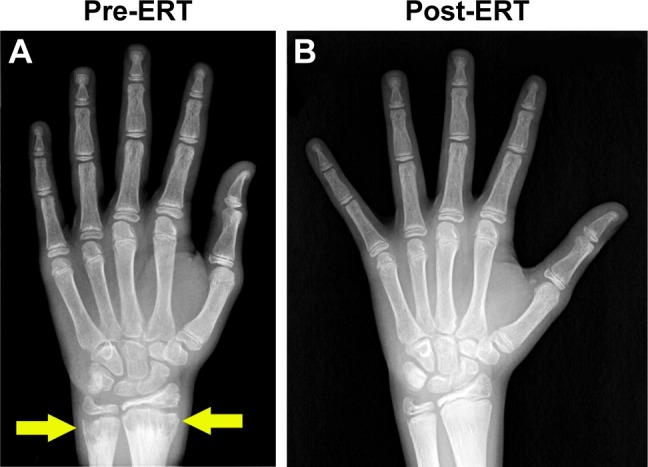
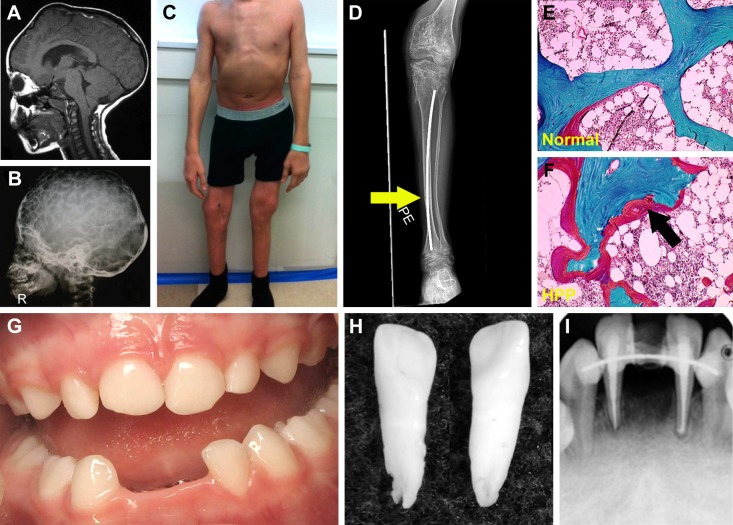
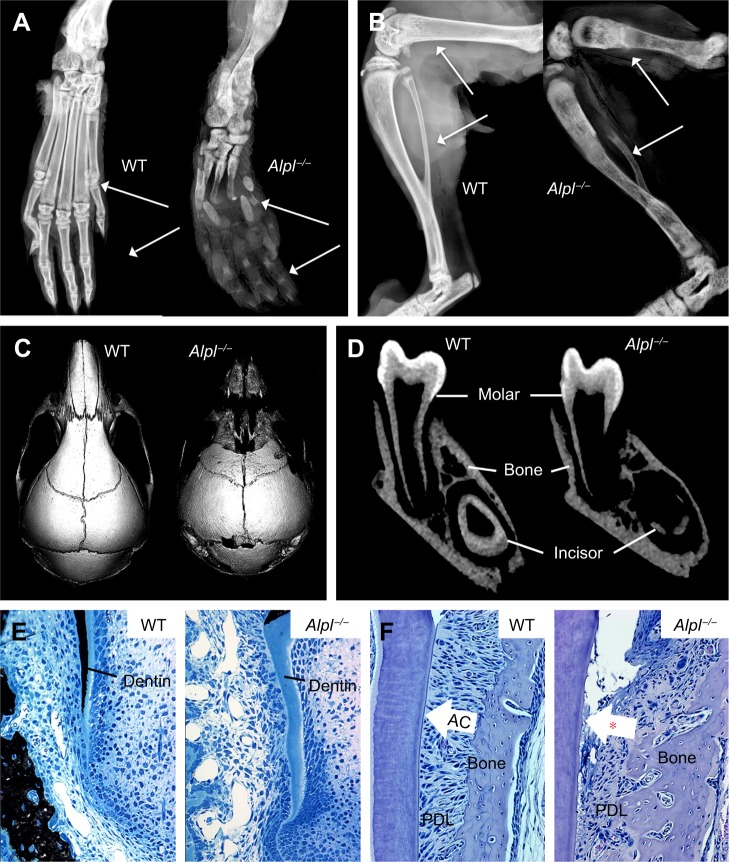
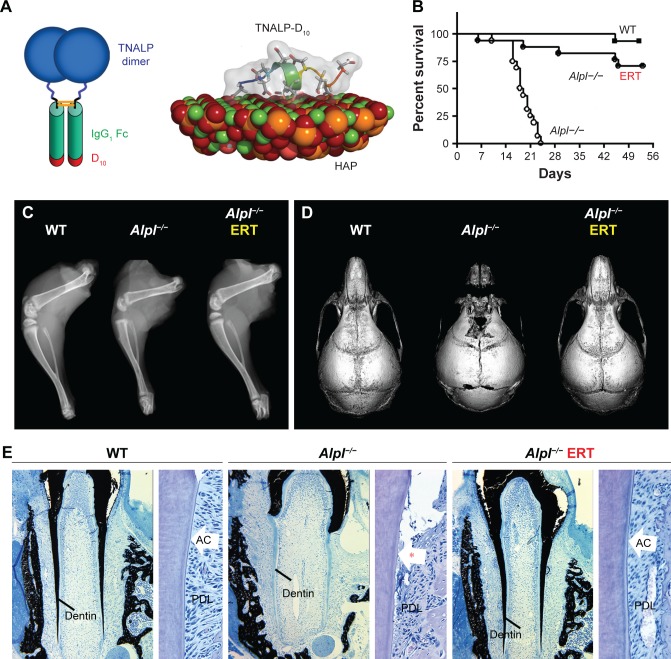
Hypophosphatasia (HPP) is a multi-systemic metabolic disorder caused by loss-of-function mutations in the gene that encodes the mineralization-associated enzyme, tissue-nonspecific alkaline phosphatase (TNSALP). HPP is characterized by defective bone and dental mineralization, leading to skeletal abnormalities with complications resulting in significant morbidity and mortality. Management of HPP has been limited to supportive care until the introduction of a recently approved enzyme replacement therapy employing bone-targeted recombinant human TNSALP, asfotase alfa (AA). This new therapy has been transformative as it improves survival in severely affected infants, and overall quality of life in children and adults with HPP. This review provides an overview of HPP, focusing on important steps in the development of AA enzyme replacement therapy, including the drug design, preclinical studies in the HPP mouse model, and outcomes from clinical trials and case report publications to date, with special attention given to response to therapy of skeletal manifestations, biochemical features, and other clinical manifestations. The limitations, adverse effects, and outcomes of AA are outlined and the place in therapy for individuals with HPP is discussed.
低磷性骨软化症(HPP)是一种多系统代谢紊乱疾病,由编码矿化相关酶——组织非特异性碱性磷酸酶(TNSALP)的基因突变导致功能丧失引起。HPP的特征是骨骼和牙齿矿化缺陷,导致骨骼异常并伴有并发症,从而引发显著的发病率和死亡率。在采用骨靶向重组人TNSALP(阿法骨化醇,AA)的酶替代疗法获批之前,HPP的治疗一直局限于支持性护理。这种新疗法具有变革性,因为它提高了重症婴儿的存活率,并改善了患有HPP的儿童和成人的整体生活质量。本综述概述了HPP,重点介绍了AA酶替代疗法开发中的重要步骤,包括药物设计、在HPP小鼠模型中的临床前研究,以及迄今为止临床试验和病例报告出版物的结果,特别关注对骨骼表现、生化特征和其他临床表现的治疗反应。文中概述了AA的局限性、不良反应和治疗结果,并讨论了其在HPP患者治疗中的地位。