Lassek William D, Gaulin Steven J C
1 Department of Anthropology, University of California at Santa Barbara, Santa Barbara, CA, USA.
Evol Psychol. 2018 Oct-Dec;16(4):1474704918800063. doi: 10.1177/1474704918800063.
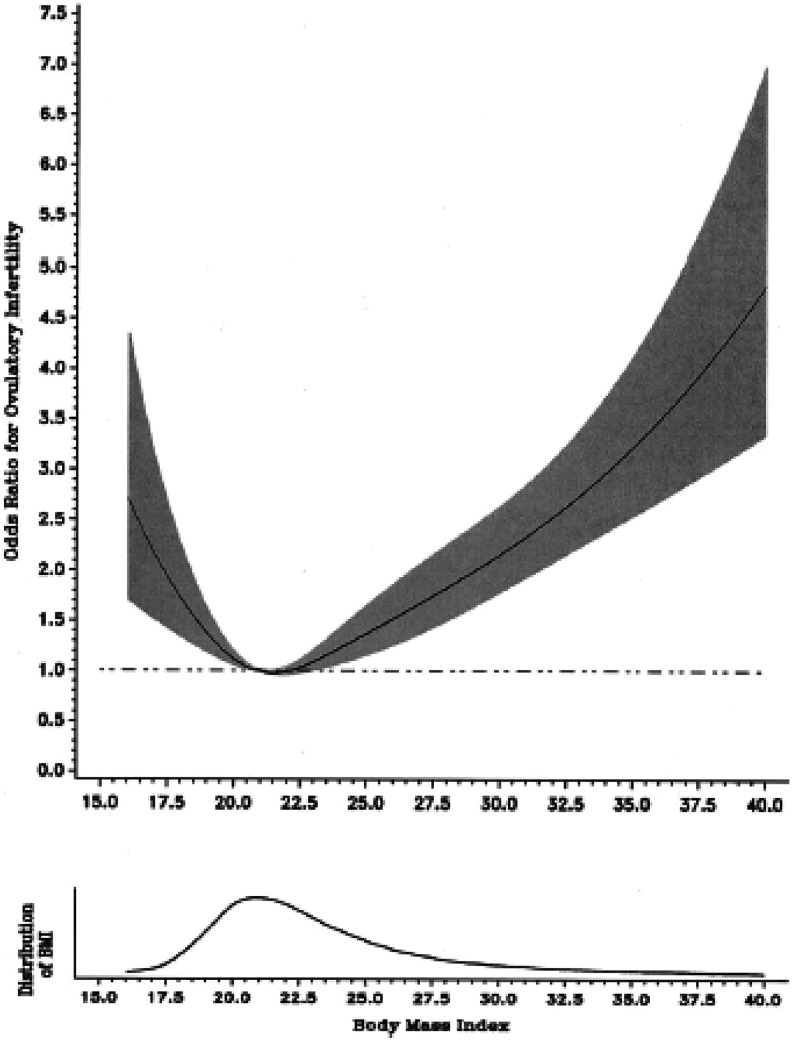
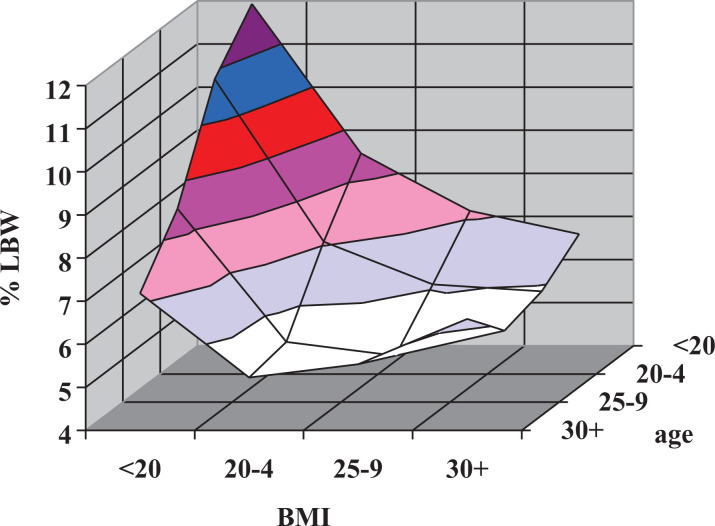
We examine the widely accepted view that very low waist-hip ratios and low body mass indices (BMIs) in women in well-nourished populations are judged attractive by men because these features reliably indicate superior fertility. In both subsistence and well-nourished populations, relevant studies of fertility do not support this view. Rather studies indicate lower fertility in women with anthropometric values associated with high attractiveness. Moreover, low maternal BMI predisposes to conditions that compromise infant survival. Consistent with these findings from the literature, new data from a large U.S. sample of women past reproductive age show that women with lower BMIs in the late teens had fewer live births, controlling for education, marital history, and race. They also had later menarche and earlier menopause compared with women with higher youth BMIs. In addition, data from the 2013 U.S. natality database show that mothers with lower prepregnancy BMIs have an increased risk of producing both low-birth-weight and preterm infants controlling for other relevant variables-conditions that would have adversely affected fitness over almost all of human evolution. Thus, a review of the relevant literature and three new tests fail to support the view that highly attractive women are more fertile.
我们审视了一种被广泛接受的观点,即营养良好人群中女性极低的腰臀比和低体重指数(BMI)被男性认为具有吸引力,因为这些特征可靠地表明了更高的生育能力。在自给自足人群和营养良好人群中,关于生育能力的相关研究均不支持这一观点。相反,研究表明,具有与高吸引力相关的人体测量值的女性生育能力较低。此外,低母体BMI易引发危及婴儿生存的状况。与文献中的这些发现一致,来自美国一个大型育龄后女性样本的新数据显示,在控制了教育程度、婚姻史和种族因素后,青少年晚期BMI较低的女性活产数较少。与青少年时期BMI较高的女性相比,她们初潮较晚且绝经较早。此外,2013年美国出生数据库的数据显示,在控制了其他相关变量后,孕前BMI较低的母亲生出低体重儿和早产儿的风险增加——在几乎整个人类进化过程中,这些状况都会对健康产生不利影响。因此,对相关文献的综述以及三项新的测试均未能支持极具吸引力的女性生育能力更强这一观点。