Department of Epidemiology, University of North Carolina, Chapel Hill, North Carolina, USA.
Department of Immunology and Microbiology, University of Colorado School of Medicine, Aurora, Colorado, USA.
mBio. 2018 Oct 9;9(5):e01753-18. doi: 10.1128/mBio.01753-18.
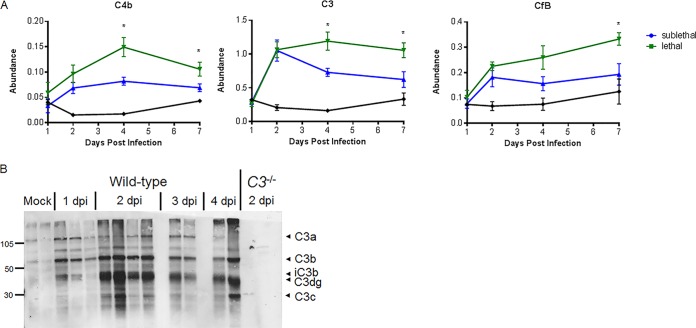
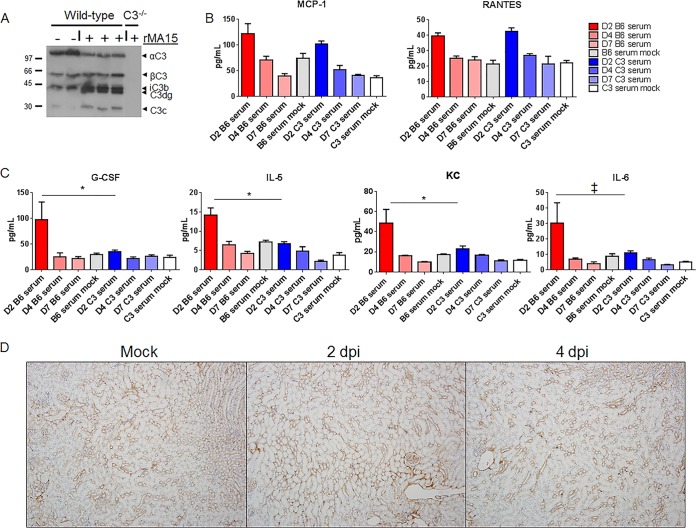
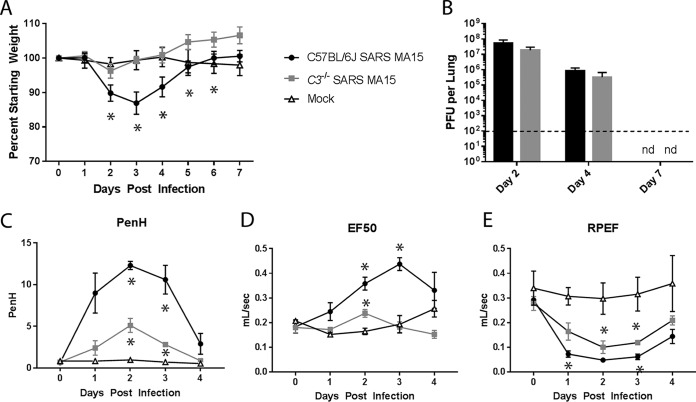
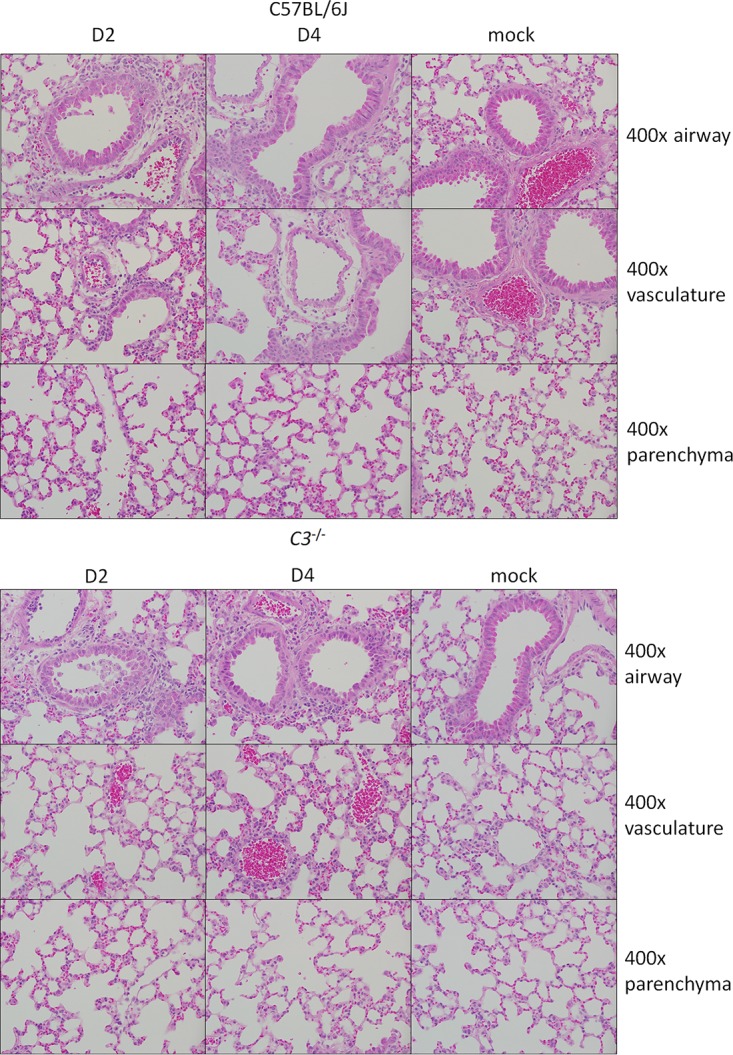
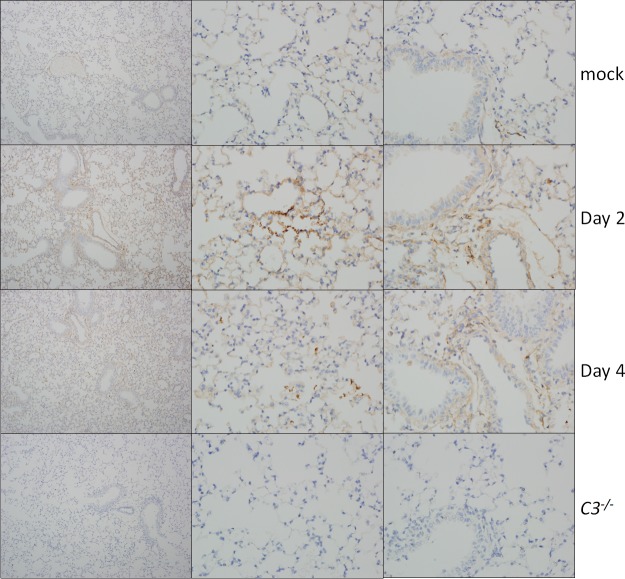
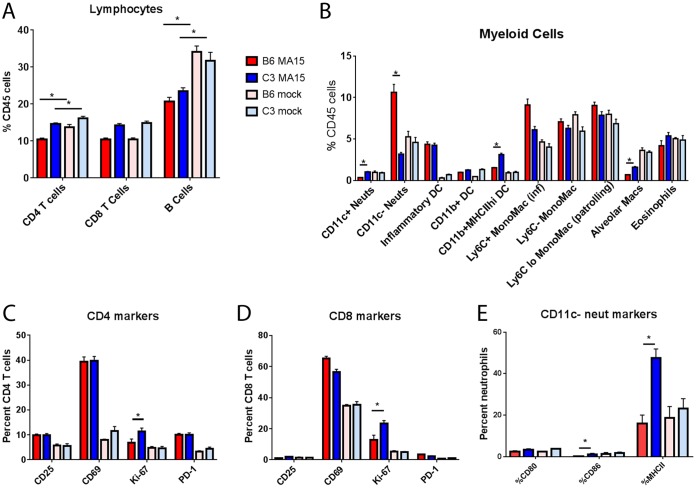
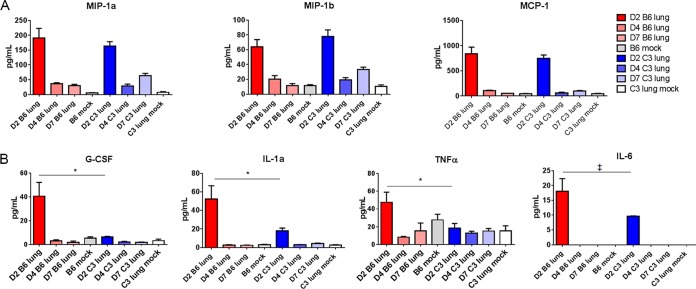
Acute respiratory distress syndrome (ARDS) is immune-driven pathologies that are observed in severe cases of severe acute respiratory syndrome coronavirus (SARS-CoV) infection. SARS-CoV emerged in 2002 to 2003 and led to a global outbreak of SARS. As with the outcome of human infection, intranasal infection of C57BL/6J mice with mouse-adapted SARS-CoV results in high-titer virus replication within the lung, induction of inflammatory cytokines and chemokines, and immune cell infiltration within the lung. Using this model, we investigated the role of the complement system during SARS-CoV infection. We observed activation of the complement cascade in the lung as early as day 1 following SARS-CoV infection. To test whether this activation contributed to protective or pathologic outcomes, we utilized mice deficient in C3 (C3), the central component of the complement system. Relative to C57BL/6J control mice, SARS-CoV-infected mice exhibited significantly less weight loss and less respiratory dysfunction despite equivalent viral loads in the lung. Significantly fewer neutrophils and inflammatory monocytes were present in the lungs of mice than in C56BL/6J controls, and subsequent studies revealed reduced lung pathology and lower cytokine and chemokine levels in both the lungs and the sera of mice than in controls. These studies identify the complement system as an important host mediator of SARS-CoV-induced disease and suggest that complement activation regulates a systemic proinflammatory response to SARS-CoV infection. Furthermore, these data suggest that SARS-CoV-mediated disease is largely immune driven and that inhibiting complement signaling after SARS-CoV infection might function as an effective immune therapeutic. The complement system is a critical part of host defense to many bacterial, viral, and fungal infections. It works alongside pattern recognition receptors to stimulate host defense systems in advance of activation of the adaptive immune response. In this study, we directly test the role of complement in SARS-CoV pathogenesis using a mouse model and show that respiratory disease is significantly reduced in the absence of complement even though viral load is unchanged. Complement-deficient mice have reduced neutrophilia in their lungs and reduced systemic inflammation, consistent with the observation that SARS-CoV pathogenesis is an immune-driven disease. These data suggest that inhibition of complement signaling might be an effective treatment option following coronavirus infection.
急性呼吸窘迫综合征(ARDS)是一种免疫驱动的病理过程,在严重的严重急性呼吸综合征冠状病毒(SARS-CoV)感染病例中观察到。SARS-CoV 于 2002 年至 2003 年出现,导致了严重急性呼吸综合征的全球爆发。与人类感染的结果一样,用适应小鼠的 SARS-CoV 对 C57BL/6J 小鼠进行鼻内感染会导致肺部病毒复制高滴度、诱导炎症细胞因子和趋化因子的产生,以及免疫细胞浸润肺部。使用这种模型,我们研究了补体系统在 SARS-CoV 感染中的作用。我们观察到,在 SARS-CoV 感染后第 1 天,肺部的补体级联就被激活。为了测试这种激活是否有助于保护或病理结果,我们利用 C3(补体系统的核心成分)缺陷的小鼠。与 C57BL/6J 对照小鼠相比,尽管肺部的病毒载量相同,但 SARS-CoV 感染的 小鼠体重减轻和呼吸功能障碍明显减少。 小鼠肺部的中性粒细胞和炎症性单核细胞明显少于 C56BL/6J 对照小鼠,随后的研究表明,与对照小鼠相比, 小鼠肺部和血清中的细胞因子和趋化因子水平较低。这些研究将补体系统确定为 SARS-CoV 诱导疾病的重要宿主介质,并表明补体激活调节对 SARS-CoV 感染的全身性促炎反应。此外,这些数据表明 SARS-CoV 介导的疾病主要是免疫驱动的,并且在 SARS-CoV 感染后抑制补体信号可能作为一种有效的免疫治疗。补体系统是宿主防御许多细菌、病毒和真菌感染的重要组成部分。它与模式识别受体一起工作,在适应性免疫反应激活之前刺激宿主防御系统。在这项研究中,我们使用小鼠模型直接测试补体在 SARS-CoV 发病机制中的作用,并表明即使病毒载量不变,缺乏补体也会显著减轻呼吸疾病。补体缺陷小鼠的肺部嗜中性粒细胞减少,全身性炎症减少,这与 SARS-CoV 发病机制是一种免疫驱动疾病的观察结果一致。这些数据表明,抑制补体信号可能是冠状病毒感染后的有效治疗选择。