Wang Neng, Yang Bowen, Zhang Xiaotong, Wang Shengqi, Zheng Yifeng, Li Xiong, Liu Shan, Pan Hao, Li Yingwei, Huang Zhujuan, Zhang Fengxue, Wang Zhiyu
The Research Center of Basic Integrative Medicine, Guangdong Provincial Academy of Chinese Medical Sciences, Guangzhou University of Chinese Medicine, Guangzhou, China.
Integrative Research Laboratory of Breast Cancer, Discipline of Integrated Chinese and Western Medicine, The Second Affiliated Hospital of Guangzhou University of Chinese Medicine, Guangzhou, China.
Front Pharmacol. 2018 Oct 2;9:1106. doi: 10.3389/fphar.2018.01106. eCollection 2018.
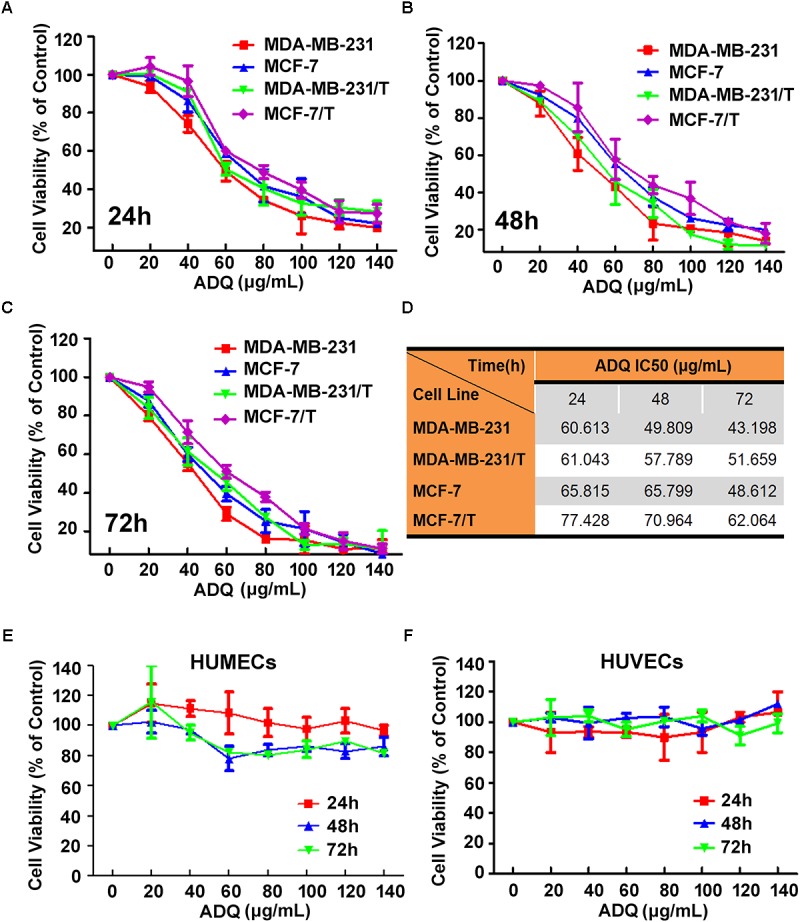
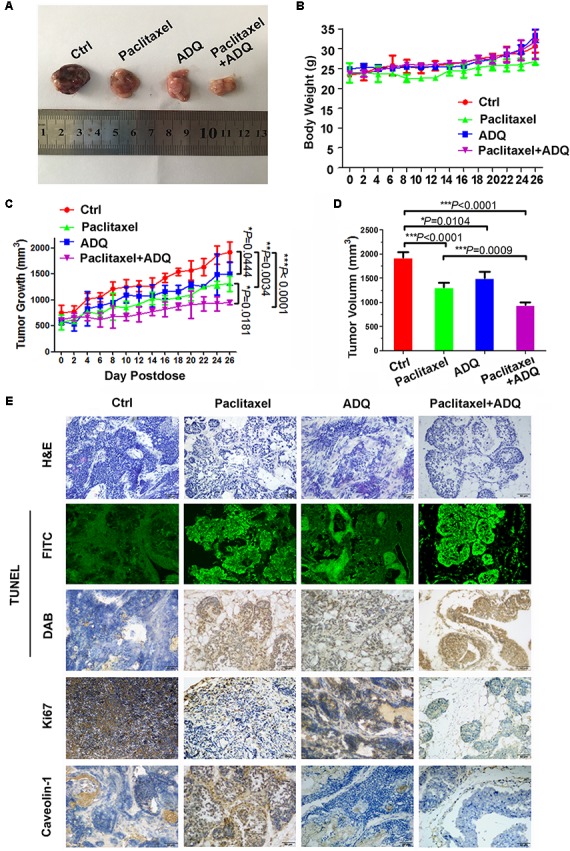
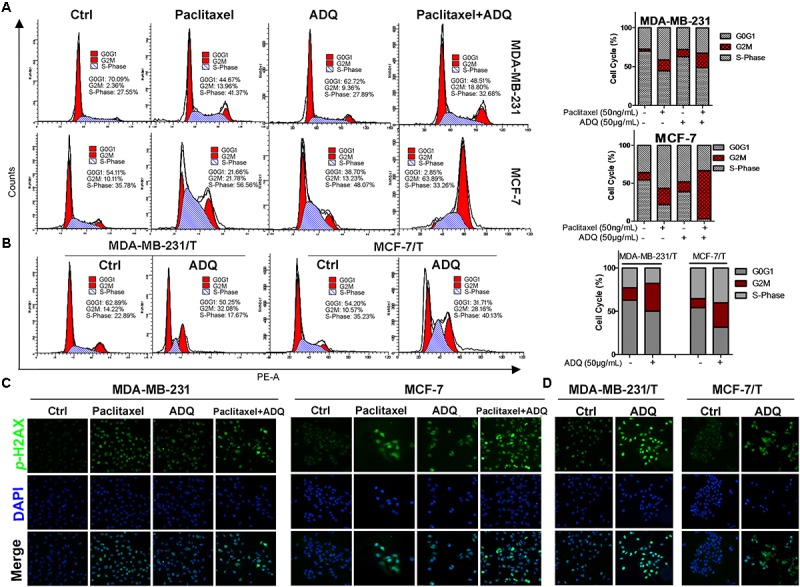
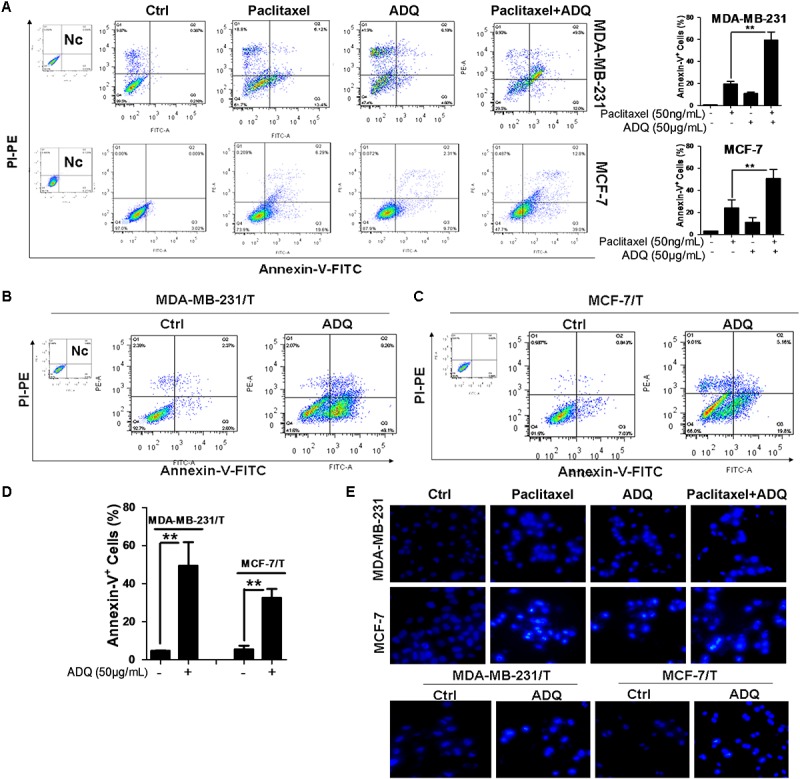
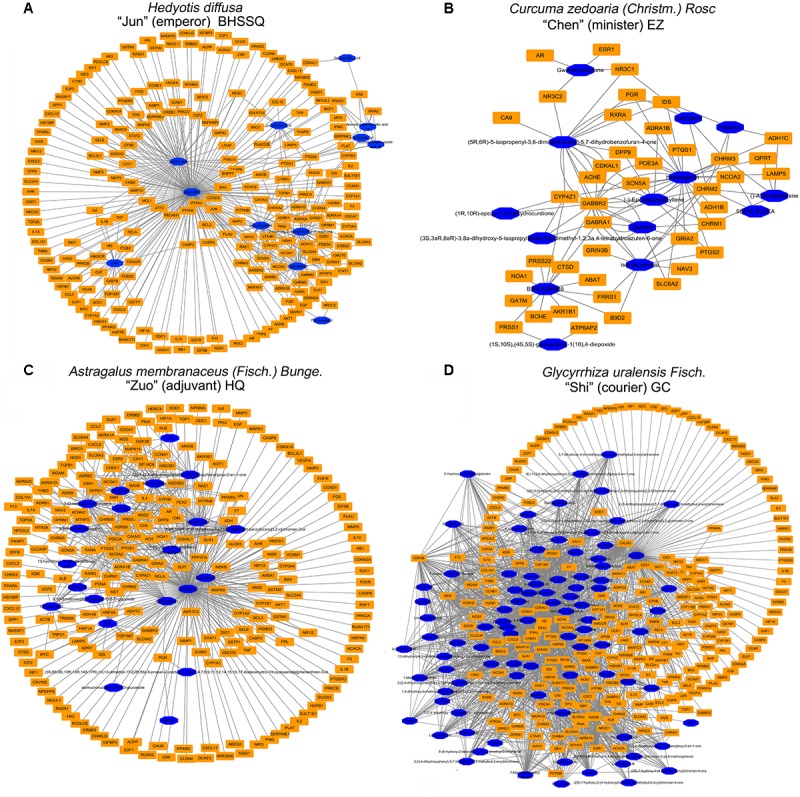
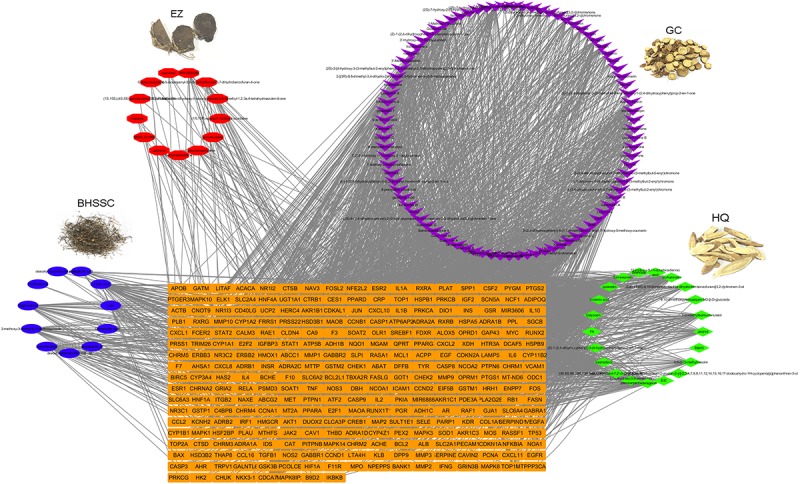
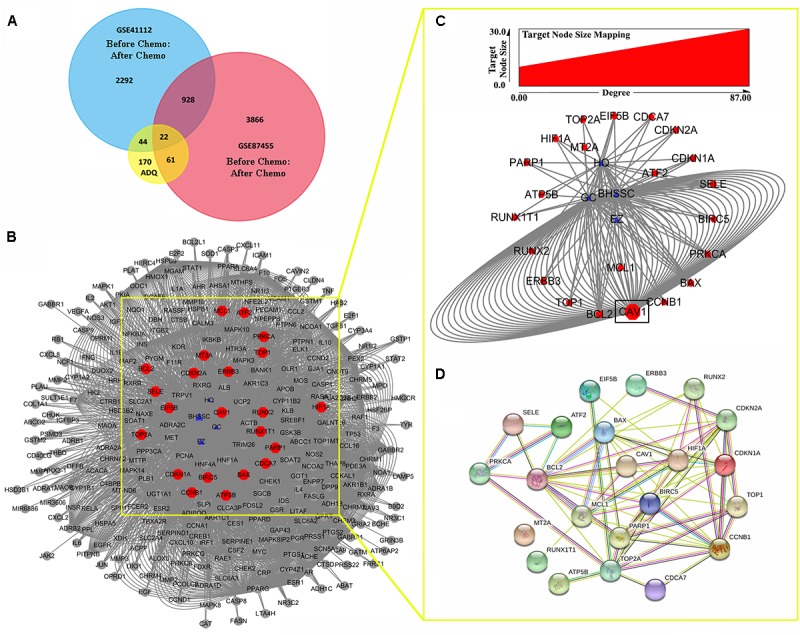
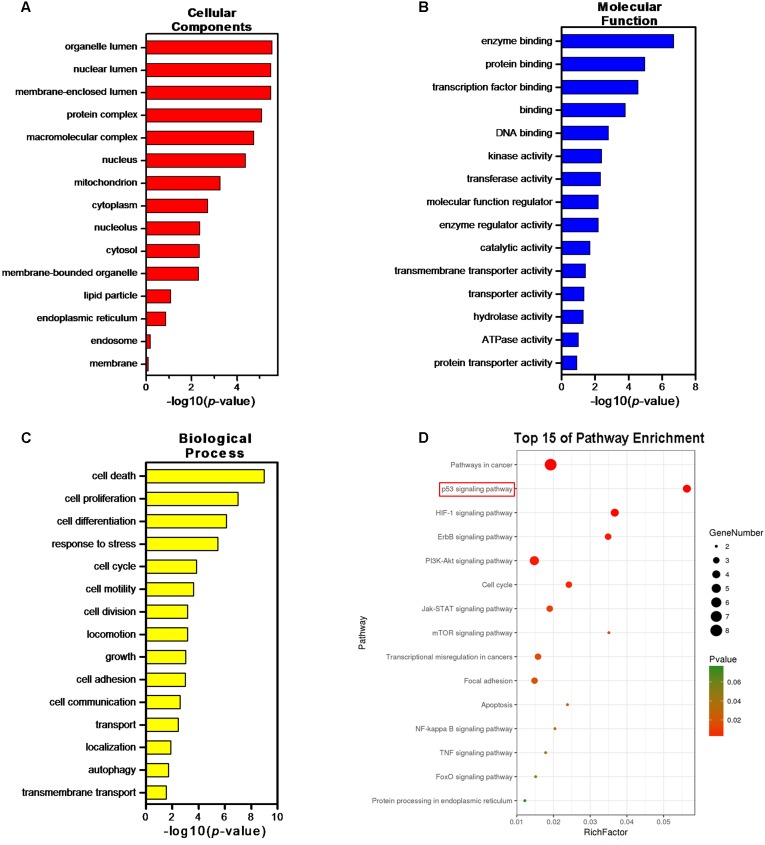
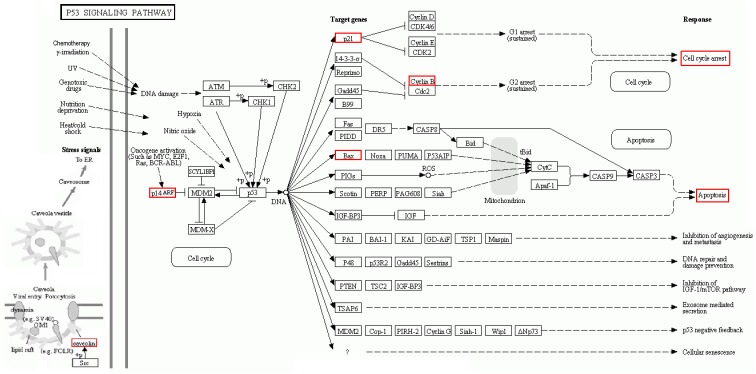
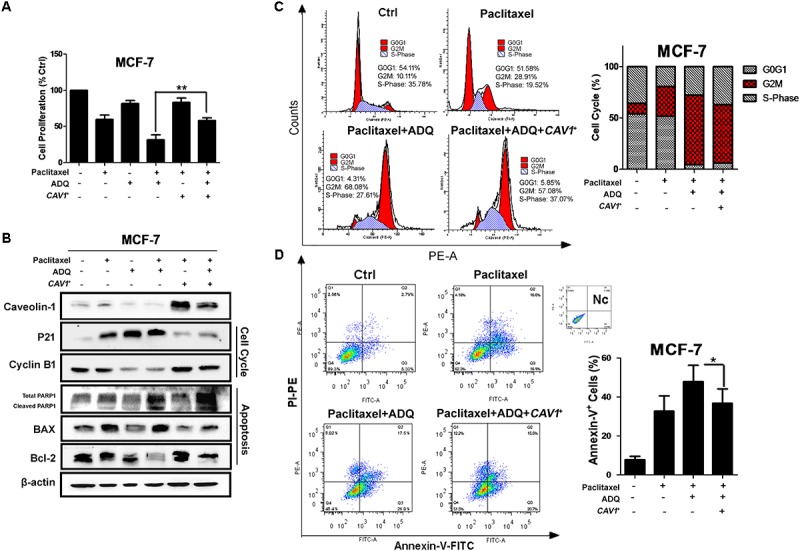
Chinese formulas have been paid increasing attention in cancer multidisciplinary therapy due to their multi-targets and multi-substances property. Here, we aim to investigate the anti-breast cancer and chemosensitizing function of Ai Du Qing (ADQ) formula made up of , , , and . Our findings revealed that ADQ significantly inhibited cell proliferation in both parental and chemo-resistant breast cancer cells, but with little cytotoxcity effects on the normal cells. Besides, ADQ was found to facilitate the G2/M arresting and apoptosis induction effects of paclitaxel. Network pharmacology and bioinformatics analysis further demonstrated that ADQ yielded 132 candidate compounds and 297 potential targets, and shared 22 putative targets associating with breast cancer chemoresponse. Enrichment analysis and experimental validation demonstrated that ADQ might improve breast cancer chemosensitivity inhibiting caveolin-1, which further triggered expression changes of cell cycle-related proteins p21/cyclinB1 and apoptosis-associated proteins PARP1, BAX and Bcl-2. Besides, ADQ enhanced paclitaxel chemosensitivity on breast cancer. Our study not only uncovers the novel function and mechanisms of ADQ in chemosensitizing breast cancer at least partly targeting caveolin-1, but also sheds novel light in utilizing network pharmacology in Chinese Medicine research.
由于其多靶点和多成分的特性,中药方剂在癌症多学科治疗中越来越受到关注。在此,我们旨在研究由、、、和组成的艾杜清(ADQ)方剂的抗乳腺癌和化疗增敏作用。我们的研究结果显示,ADQ显著抑制亲本和化疗耐药乳腺癌细胞的增殖,但对正常细胞几乎没有细胞毒性作用。此外,发现ADQ可促进紫杉醇的G2/M期阻滞和诱导凋亡作用。网络药理学和生物信息学分析进一步表明,ADQ产生了132种候选化合物和297个潜在靶点,并共享22个与乳腺癌化疗反应相关的假定靶点。富集分析和实验验证表明,ADQ可能通过抑制小窝蛋白-1来提高乳腺癌的化疗敏感性,这进一步引发了细胞周期相关蛋白p21/细胞周期蛋白B1和凋亡相关蛋白PARP1、BAX和Bcl-2的表达变化。此外,ADQ增强了紫杉醇对乳腺癌的化疗敏感性。我们的研究不仅至少部分地揭示了ADQ在乳腺癌化疗增敏中的新功能和机制,通过靶向小窝蛋白-1,而且为在中药研究中利用网络药理学提供了新的思路。