Tanaka Fumie, Yoshimoto Shohei, Okamura Kazuhiko, Ikebe Tetsuro, Hashimoto Shuichi
Section of Pathology, Department of Morphological Biology, Division of Biomedical Sciences, Fukuoka Dental College, Tamura, Sawara-ku, Fukuoka 814-0193, Japan.
Section of Oral Surgery, Department of Oral and Maxillofacial Surgery, Division of Oral and Medical Management, Fukuoka Dental College, Tamura, Sawara-ku, Fukuoka 814-0193, Japan.
Oncotarget. 2018 Sep 18;9(73):33745-33761. doi: 10.18632/oncotarget.25850.
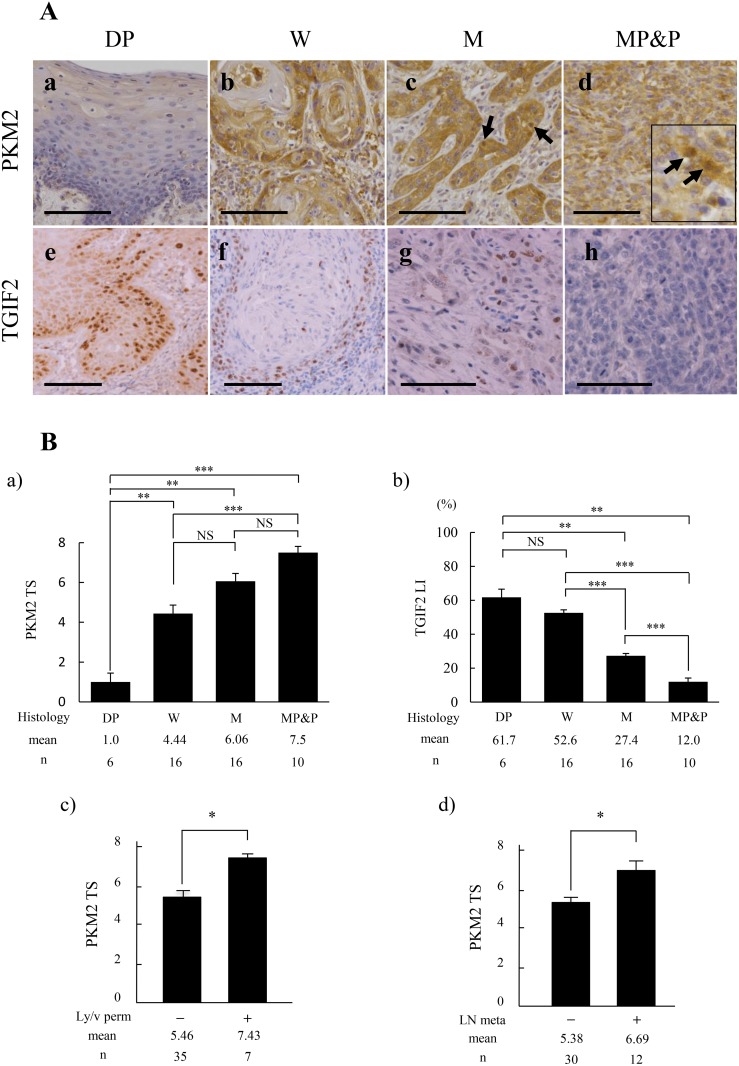
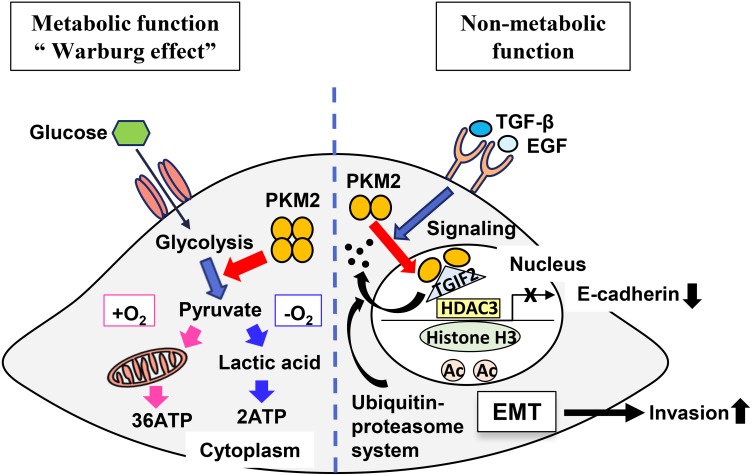
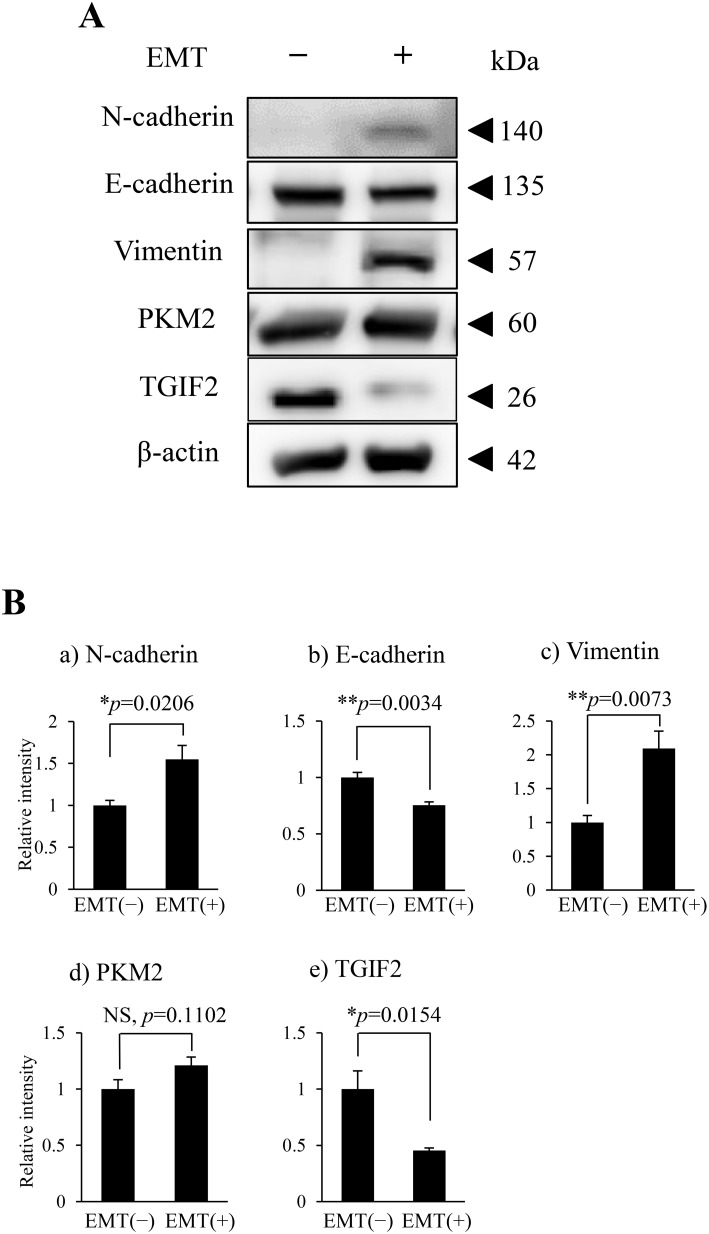
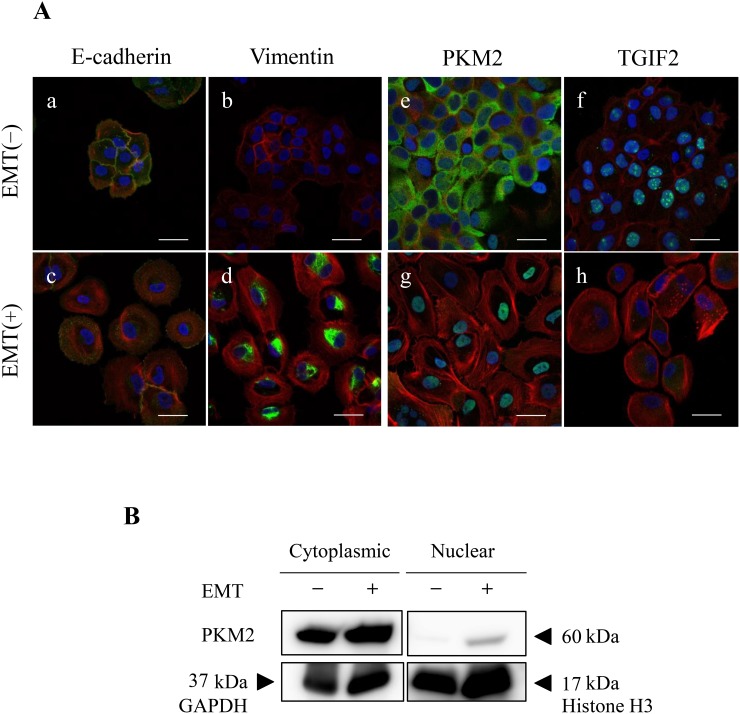
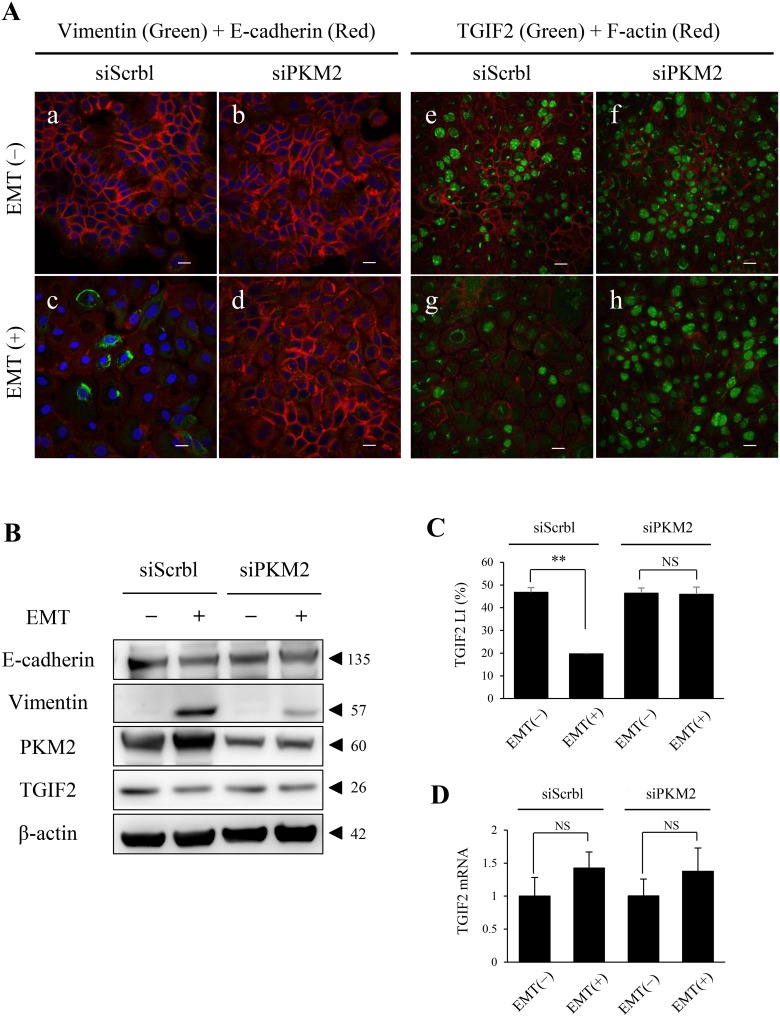
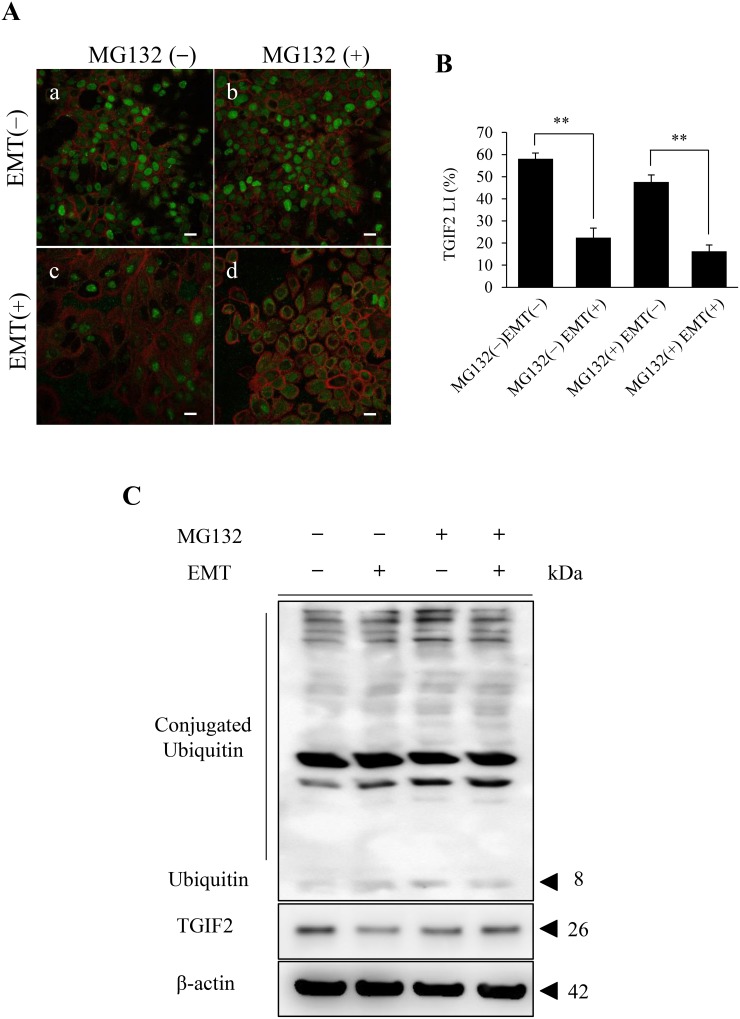
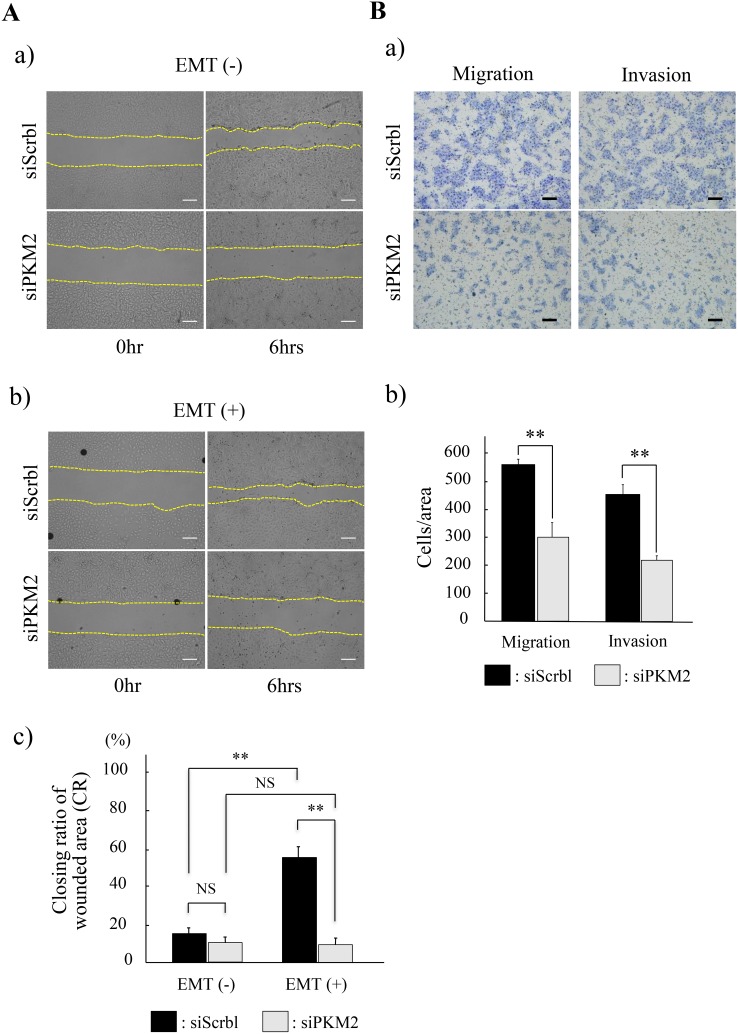
Pyruvate kinase M2 (PKM2), a glycolytic enzyme, acts as a metabolic function leading to an energy production critical for cancer progression, known as Warburg effect. In this study we showed a pivotal role of PKM2 acting as a non-metabolic function to promote cancer cell progression in human oral squamous cell carcinoma (OSCC) through the induction of epithelial-mesenchymal transition (EMT), which is crucial for the potential in cancer cell invasion, and post-translational TGIF2 degradation. PKM2 immunoreaction was strong in the cytoplasm of invasive cancer cells, and distinct in the nucleus of spindle-shaped cancer cells with EMT characteristics. TGIF2 nuclear immunoreaction was seen in dysplastic epithelial cells but was repressed in cancer cells. analyses, cytoplasmic expression of PKM2 was translocated into the nucleus in human OSCC derived HSC-4 and SAS cells when EMT was stimulated. In addition, nuclear expression of TGIF2 was distinctively repressed in EMT induced HSC-4 and SAS cells. We recognized a mismatch in TGIF2 protein and mRNA expression in EMT induced HSC-4 and SAS cells and found that TGIF2 protein was post-translationally degraded through a ubiquitin proteasome system by an MG132 proteasome inhibition assay. Finally, promotion of HSC-4 and SAS cell progression by PKM2 was recognized in PKM2 knockdown assays. Thus, we clarified a new mechanism of non-metabolic function of PKM2 to promote the progression of OSCC through PKM2 nuclear translocation, subsequently induced EMT, and post-translationally repressed TGIF2 expression by a ubiquitin proteasome system.
丙酮酸激酶M2(PKM2)是一种糖酵解酶,具有代谢功能,可产生对癌症进展至关重要的能量,即所谓的瓦伯格效应。在本研究中,我们发现PKM2在人类口腔鳞状细胞癌(OSCC)中具有关键的非代谢功能,通过诱导上皮-间质转化(EMT)促进癌细胞进展,EMT对癌细胞侵袭潜能至关重要,并且PKM2还可导致转录后TGIF2降解。PKM2免疫反应在侵袭性癌细胞的细胞质中很强,在具有EMT特征的梭形癌细胞的细胞核中则明显不同。TGIF2核免疫反应在发育异常的上皮细胞中可见,但在癌细胞中受到抑制。分析表明,当EMT受到刺激时,人类OSCC来源的HSC-4和SAS细胞中PKM2的细胞质表达会转移到细胞核中。此外,在EMT诱导的HSC-4和SAS细胞中,TGIF2的核表达明显受到抑制。我们发现在EMT诱导的HSC-4和SAS细胞中,TGIF2蛋白和mRNA表达不匹配,并通过MG132蛋白酶体抑制试验发现TGIF2蛋白通过泛素蛋白酶体系统在翻译后被降解。最后,在PKM2敲低试验中,我们认识到PKM2对HSC-4和SAS细胞进展有促进作用。因此,我们阐明了PKM2的非代谢功能的新机制,即通过PKM2核转位促进OSCC进展,随后诱导EMT,并通过泛素蛋白酶体系统在翻译后抑制TGIF2表达。