School of Biological Sciences, Nanyang Technological University, Singapore, Singapore.
Cell Ageing, Skin Research Institute Singapore, Singapore, Singapore.
Elife. 2018 Oct 25;7:e40037. doi: 10.7554/eLife.40037.
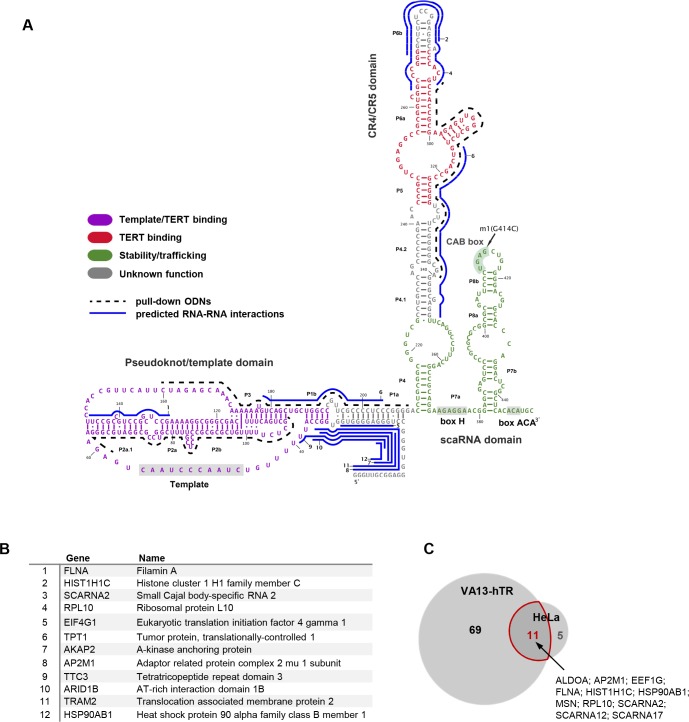
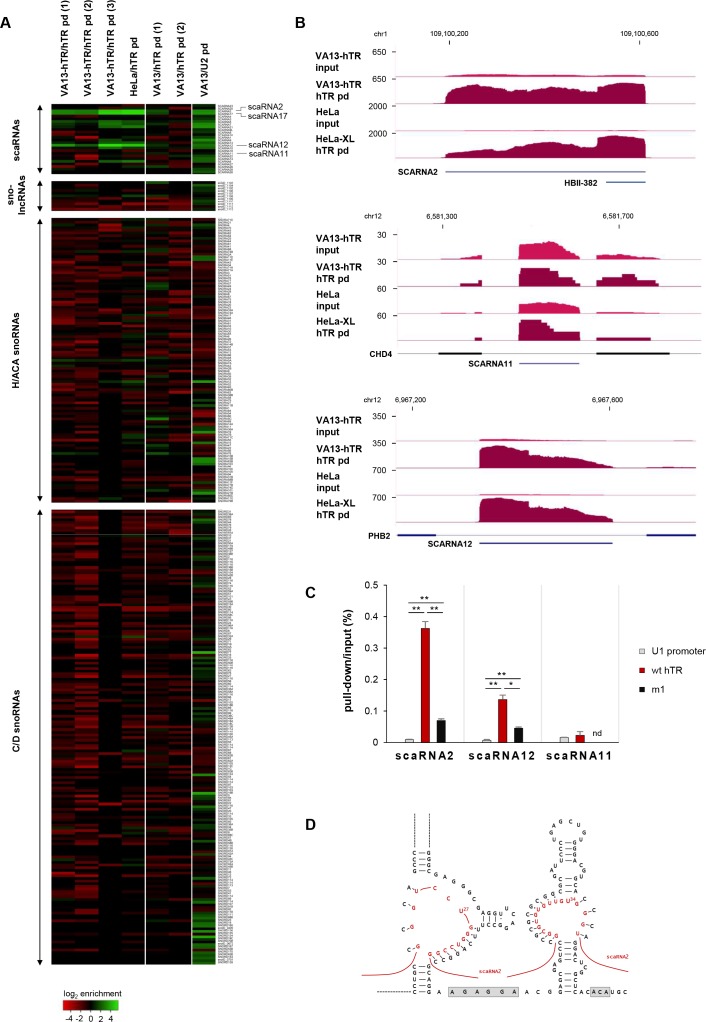
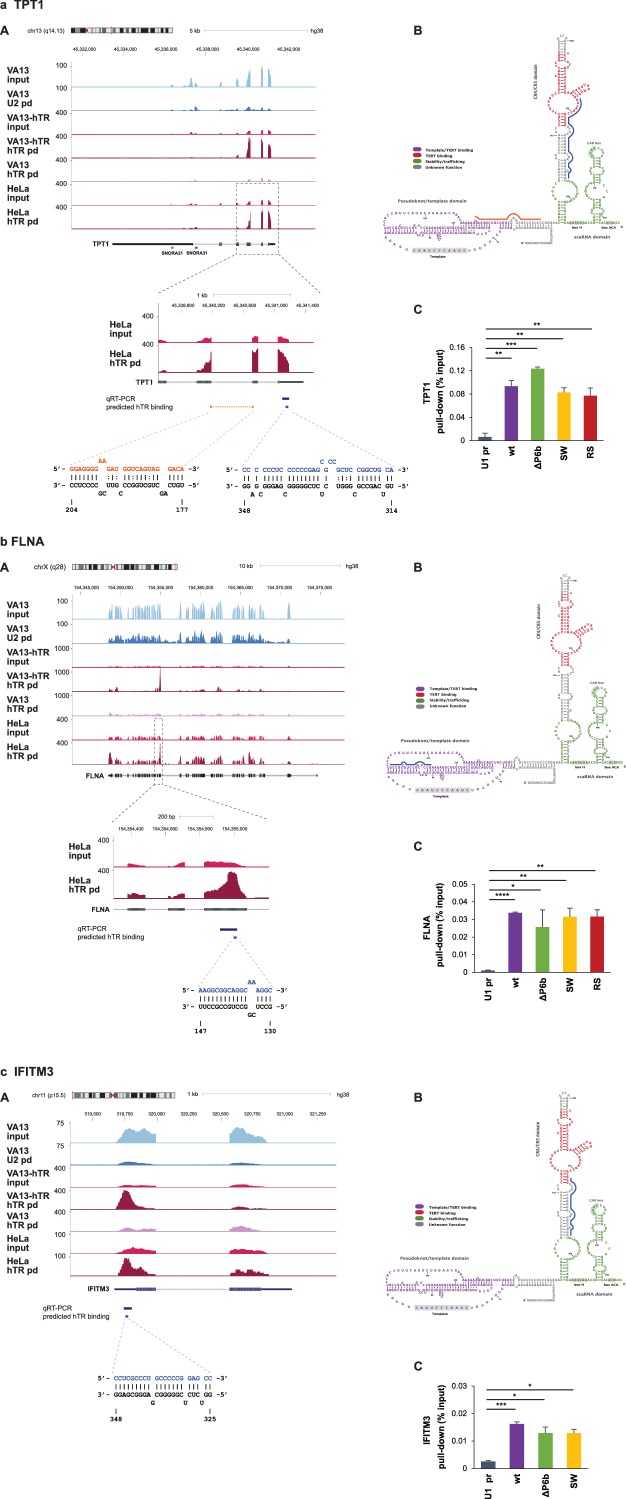
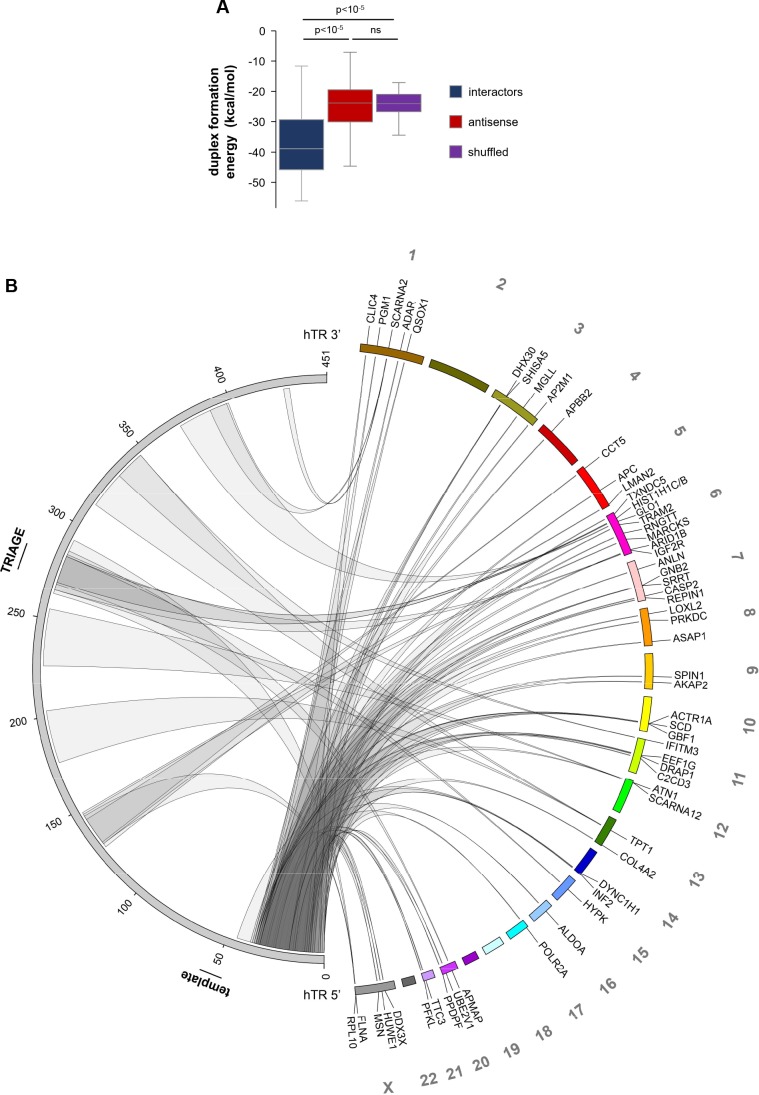
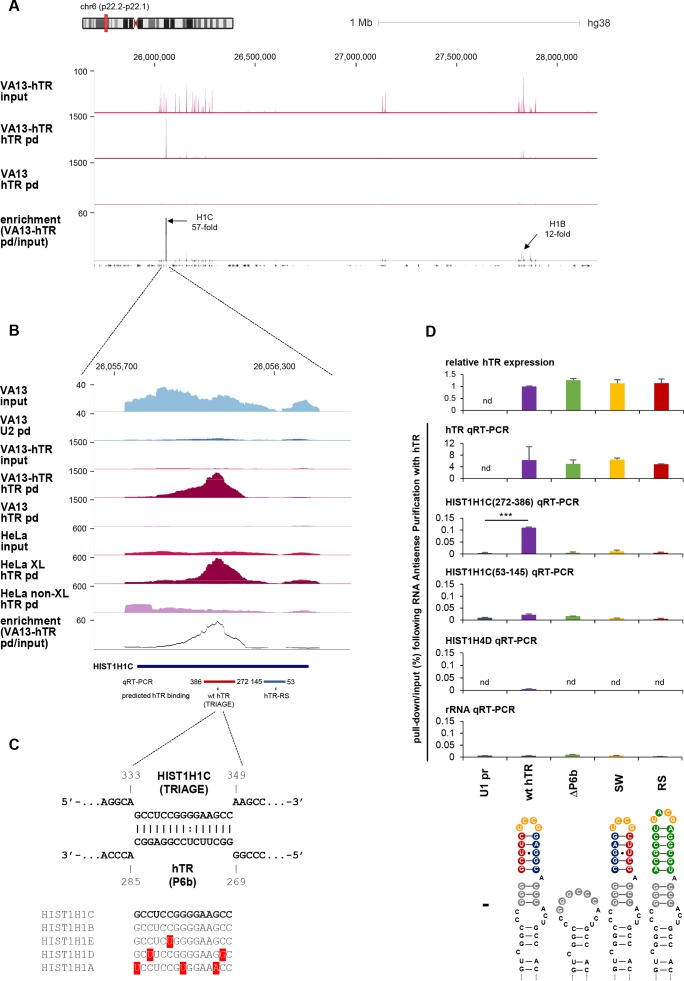
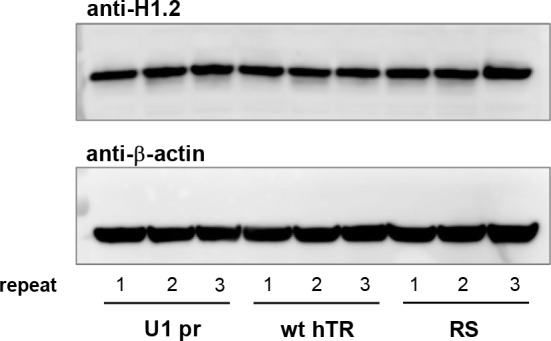
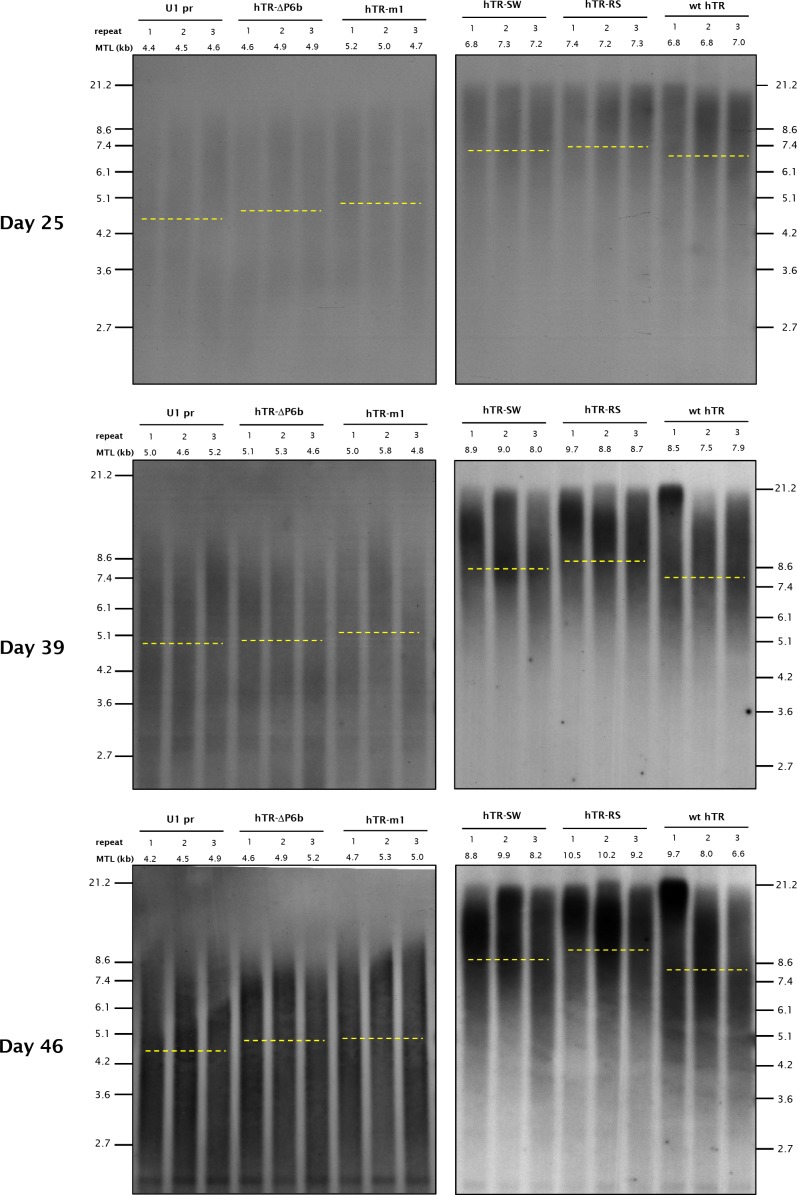
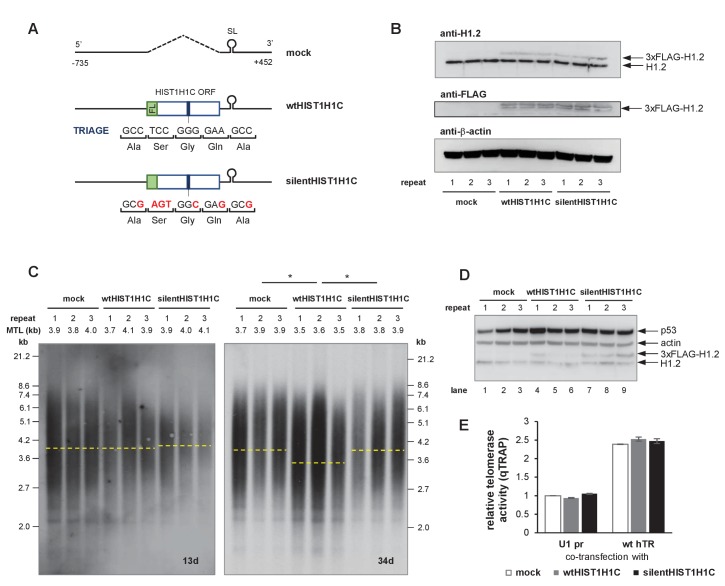
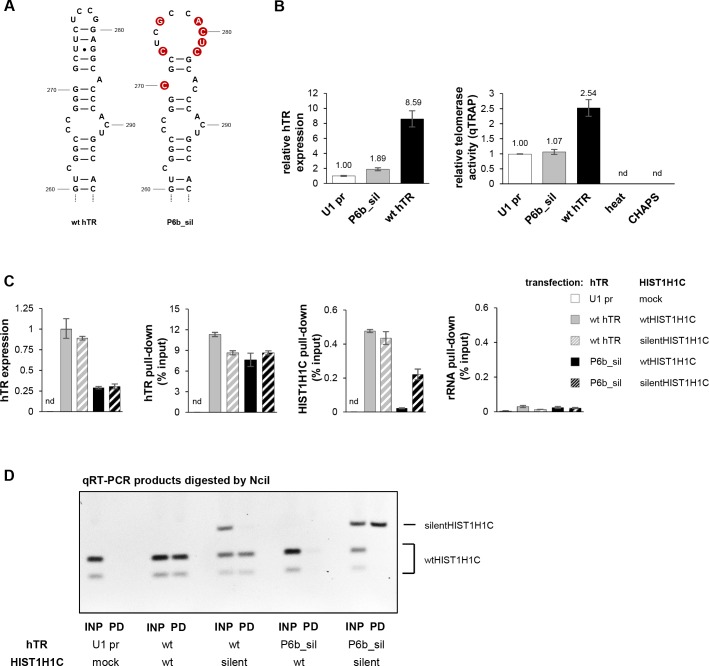
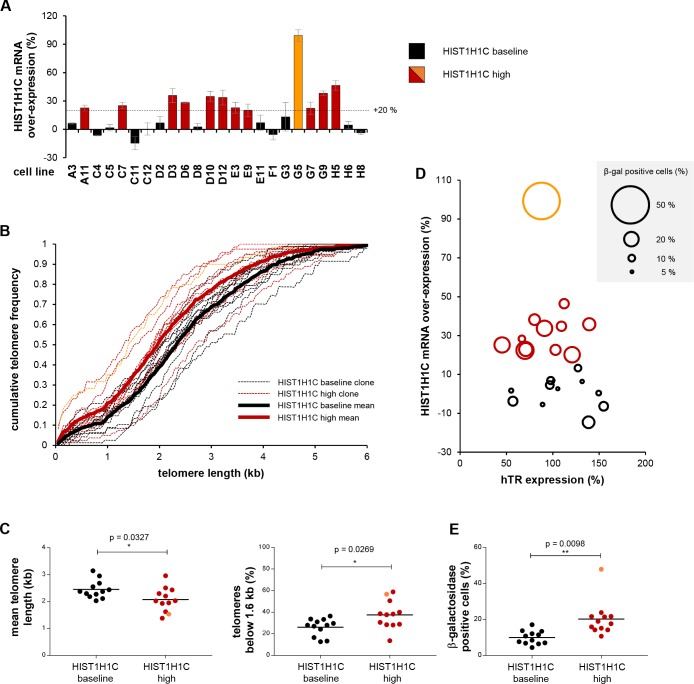
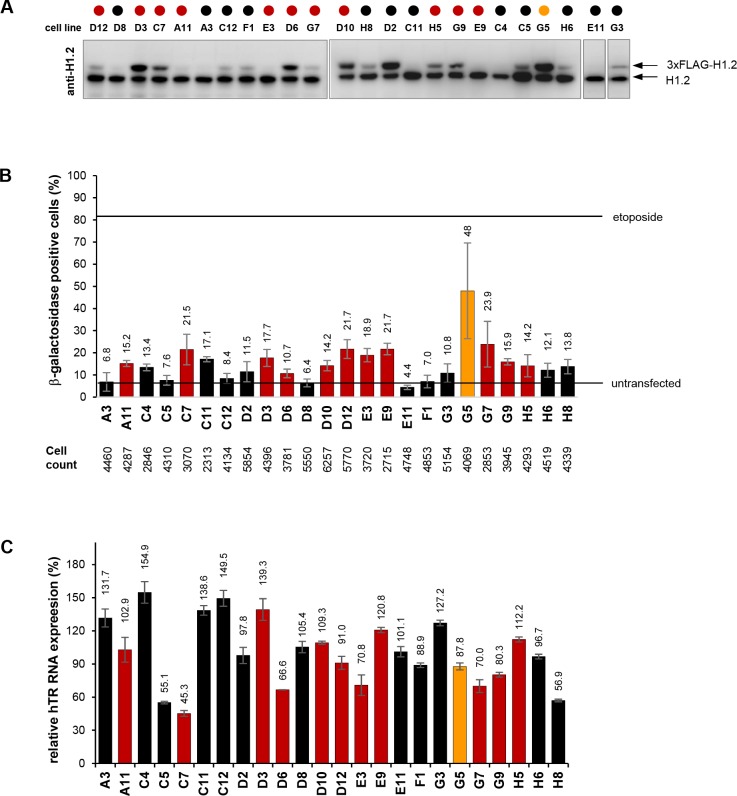
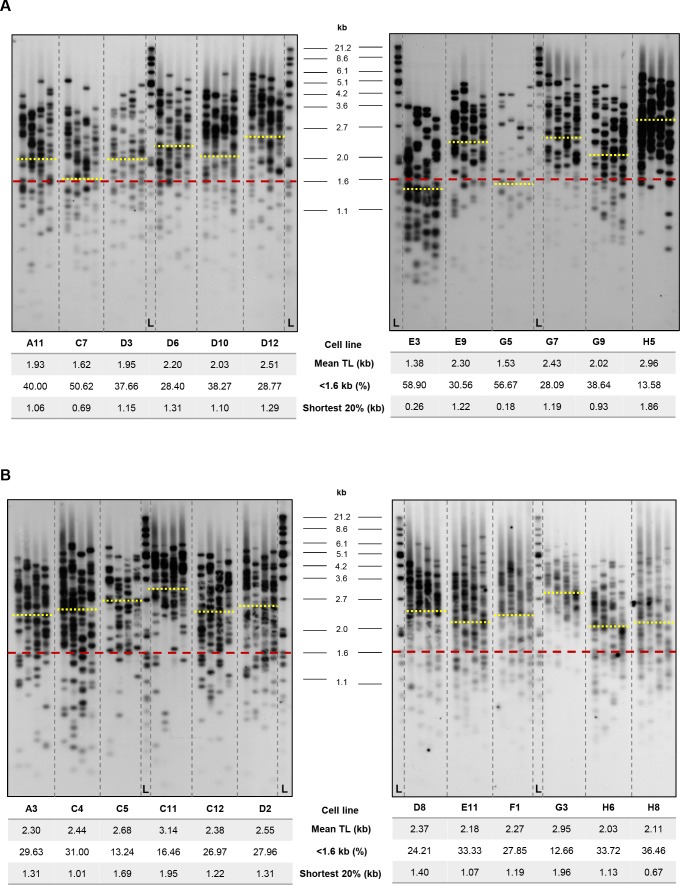
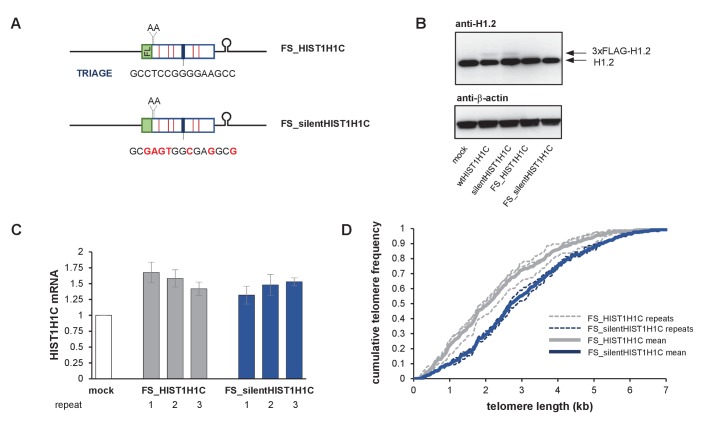
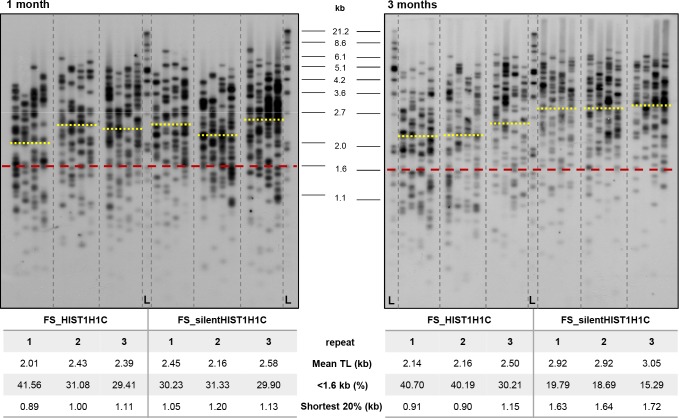
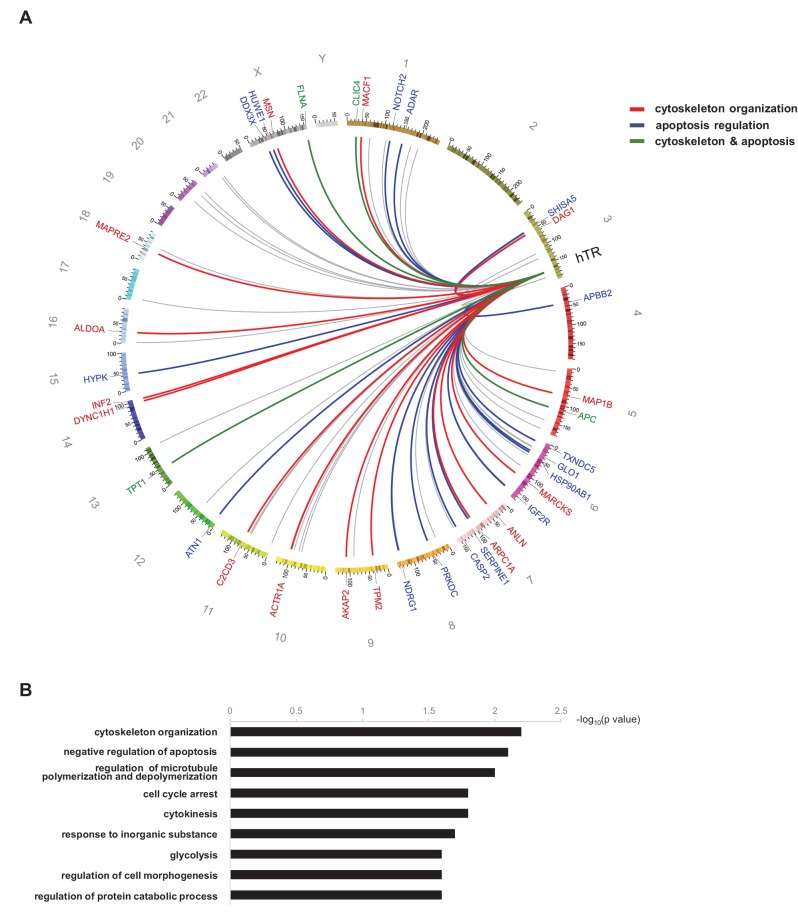
Telomerase RNA (TR) provides the template for DNA repeat synthesis at telomeres and is essential for genome stability in continuously dividing cells. We mapped the RNA interactome of human TR (hTR) and identified a set of non-coding and coding hTR-interacting RNAs, including the histone 1C mRNA (). Disruption of the hTR- RNA association resulted in markedly increased telomere elongation without affecting telomerase enzymatic activity. Conversely, over-expression of led to telomere attrition. By using a combination of mutations to disentangle the effects of histone 1 RNA synthesis, protein expression, and hTR interaction, we show that RNA negatively regulates telomere length independently of its protein coding potential. Taken together, our data provide important insights into a surprisingly complex hTR-RNA interaction network and define an unexpected non-coding RNA role for in regulating telomere length homeostasis, thus offering a glimpse into the mostly uncharted, vast space of non-canonical messenger RNA functions.
端粒酶 RNA(TR)为端粒处的 DNA 重复合成提供模板,对于不断分裂的细胞的基因组稳定性至关重要。我们绘制了人类 TR(hTR)的 RNA 互作图谱,鉴定了一组非编码和编码的 hTR 相互作用 RNA,包括组蛋白 1C mRNA()。破坏 hTR-RNA 相互作用会导致端粒显著延长,而不影响端粒酶的酶活性。相反,过表达则会导致端粒损耗。通过使用突变组合来理清组蛋白 1 RNA 合成、蛋白表达和 hTR 相互作用的影响,我们表明 RNA 独立于其蛋白编码潜力负调控端粒长度。总之,我们的数据为 hTR-RNA 相互作用网络的惊人复杂性提供了重要的见解,并定义了 在调节端粒长度动态平衡中的意外非编码 RNA 作用,从而为信使 RNA 功能的大部分未知广阔领域提供了一个瞥见。