Department of Respiratory and Critical Care Medicine, Peking University People's Hospital, Beijing 100044, China.
Biomed Res Int. 2018 Sep 30;2018:3724630. doi: 10.1155/2018/3724630. eCollection 2018.
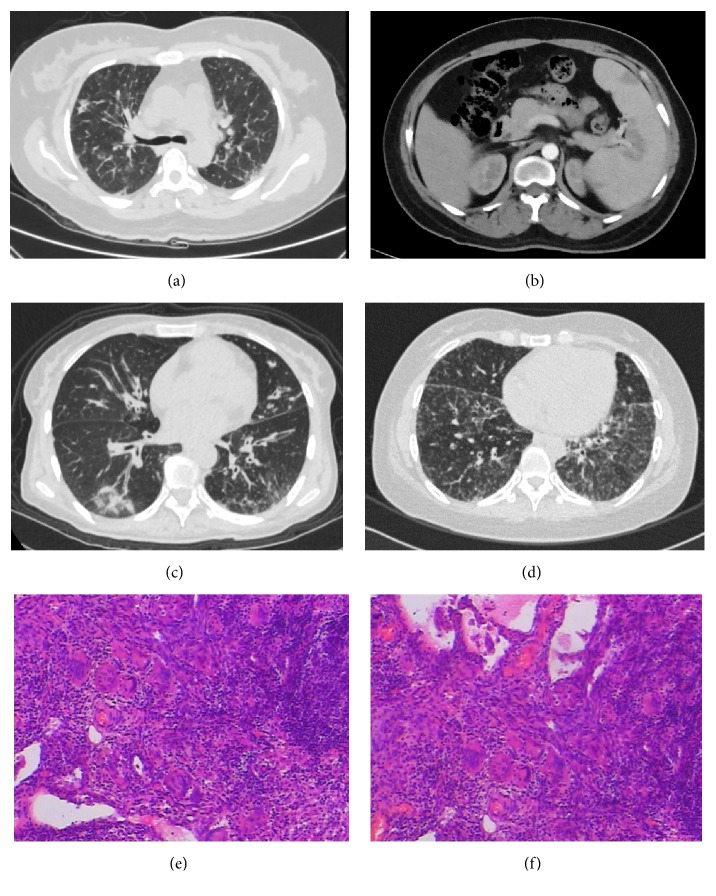
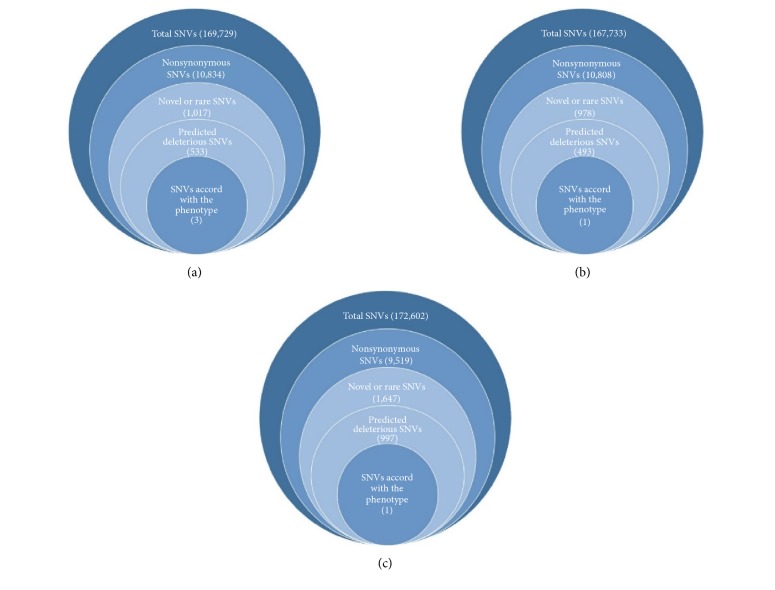
Common variable immunodeficiency (CVID) belongs to the primary immunodeficiency disorders (PIDs), presenting a profound heterogeneity in phenotype and genotype, with monogenic or complex causes. Recurrent respiratory infections are the most common clinical manifestations. CVID patients can also develop various autoimmune and lymphoproliferative complications. Genetic testing such as whole exome sequencing (WES) can be utilized to investigate likely genetic defects, helping for better clinical management. We described the clinical phenotypes of three sporadic cases of CVID, who developed recurrent respiratory infections with different autoimmune and lymphoproliferative complications. WES was applied to screen disease-causing or disease-associated mutations. Two patients were identified to have monogenic disorders, with compound heterozygous mutations in for one patient and a frameshift insertion in for another. The third patient was identified to be a complex form of CVID. Two novel mutations were identified, respectively, in and . A combination of clinical and genetic diagnosis can be more extensively utilized in the clinical practice due to the complexity and heterogeneity of CVID.
普通变异性免疫缺陷症(CVID)属于原发性免疫缺陷疾病(PIDs),其表型和基因型存在明显异质性,有单基因或复杂病因。复发性呼吸道感染是最常见的临床表现。CVID 患者还可能发生各种自身免疫和淋巴增殖性并发症。全外显子组测序(WES)等基因检测可用于研究可能的遗传缺陷,有助于更好地进行临床管理。我们描述了三例散发性 CVID 患者的临床表型,他们出现了不同的自身免疫和淋巴增殖性并发症的复发性呼吸道感染。WES 用于筛查致病或相关突变。两名患者被诊断为单基因疾病,一名患者存在 基因的复合杂合突变,另一名患者存在 基因的移码插入。第三名患者被诊断为 CVID 的复杂形式。分别在 和 中发现了两个新的突变。由于 CVID 的复杂性和异质性,临床和遗传诊断的联合应用可以更广泛地应用于临床实践中。