Departments of Oral and Maxillofacial Surgery Okayama University Graduate School of Medicine, Dentistry, and Pharmaceutical Sciences, Okayama 700-8525, Japan.
Departments of Dental Pharmacology, Okayama University Graduate School of Medicine, Dentistry, and Pharmaceutical Sciences, Okayama 700-8525, Japan.
Int J Mol Sci. 2018 Oct 25;19(11):3317. doi: 10.3390/ijms19113317.
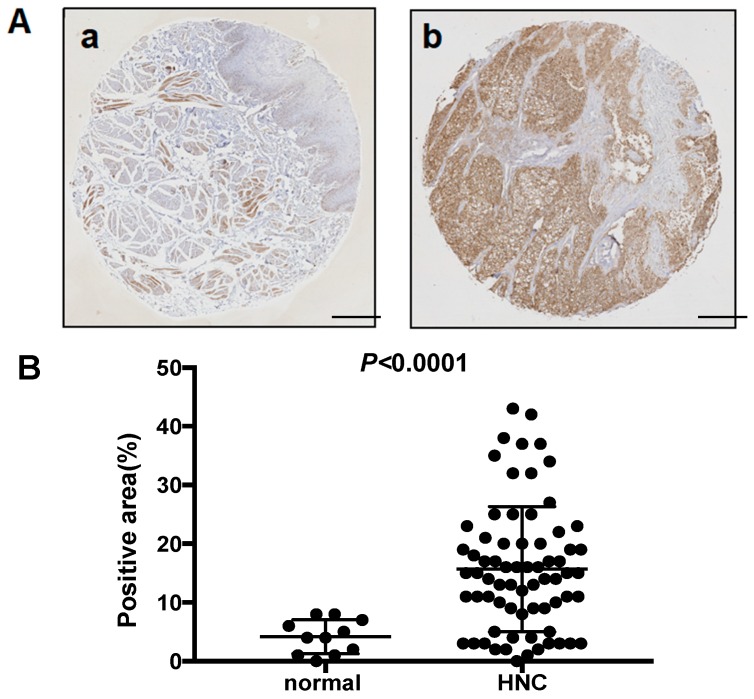
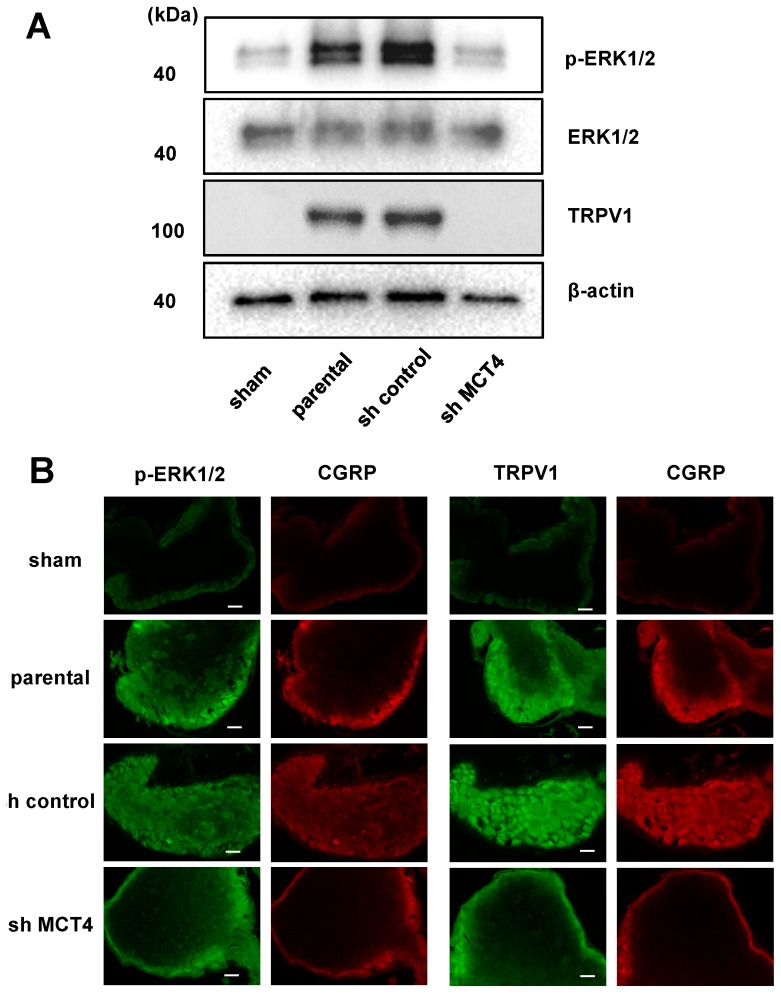
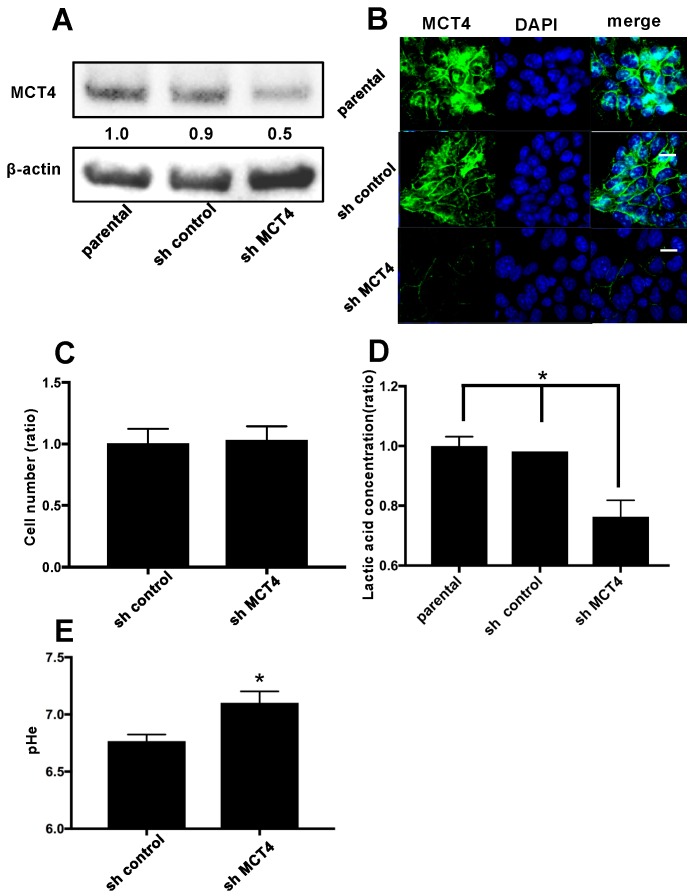
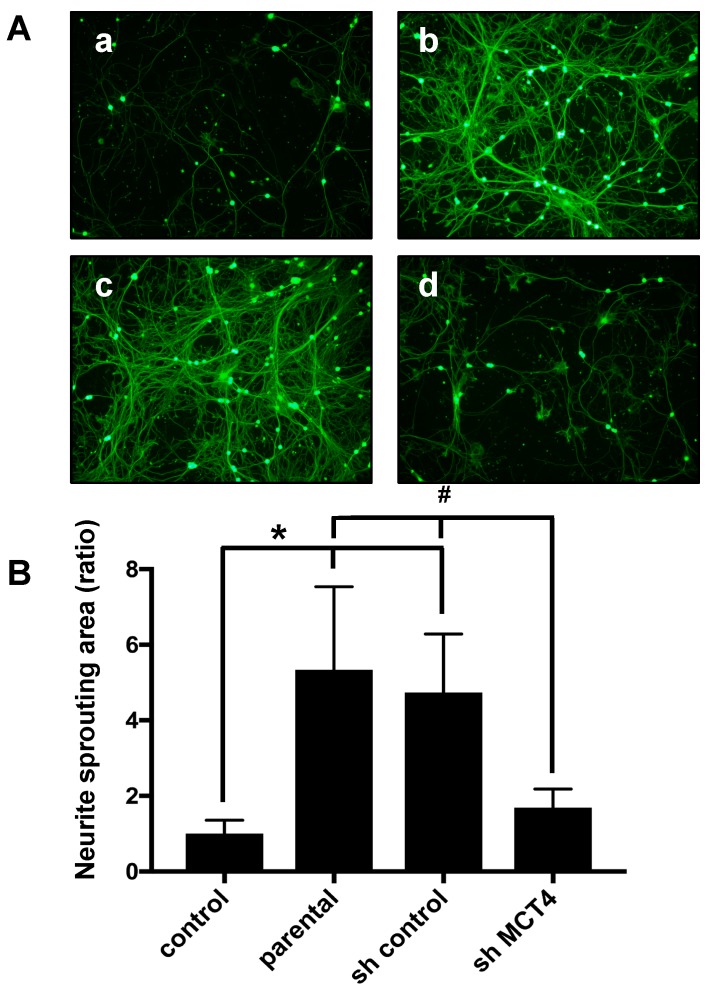
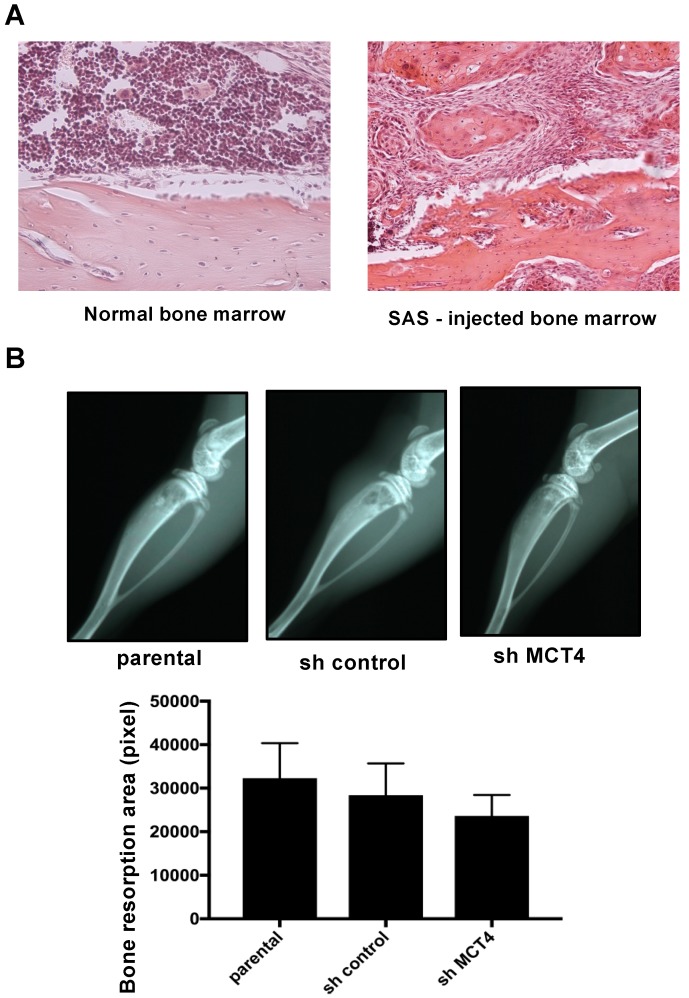
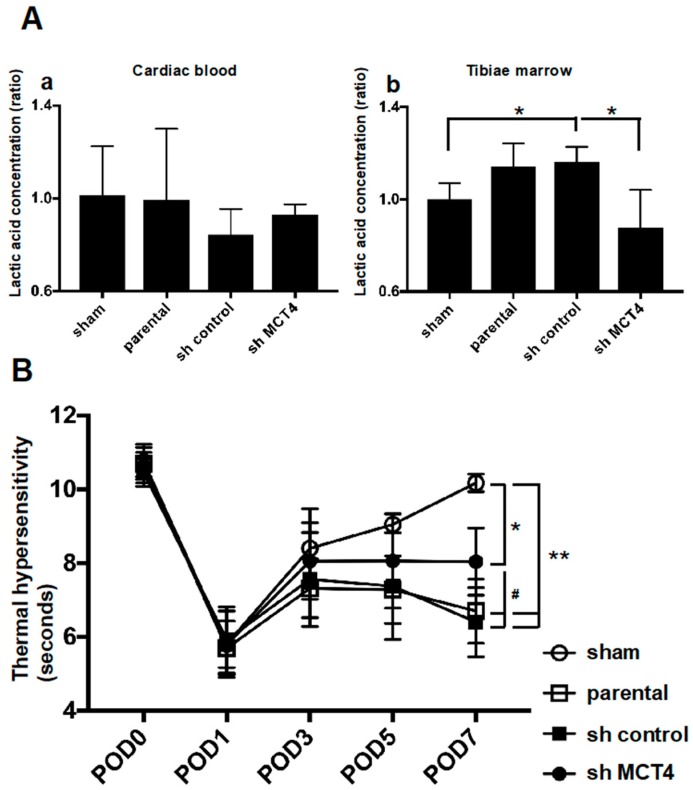
Head and neck squamous cell carcinoma (HNSCC) poses a significant challenge clinically, as it can invade facial bones and cause bone pain that is undertreated and poorly understood. Here we studied HNSCC bone pain (HNSCC-BP) in an intratibial mouse xenograft model that uses a human HNSCC cell line (SAS cells). These mice develop HNSCC-BP associated with an upregulation of phosphorylated ERK1/2 (pERK1/2), which is a molecular indicator of neuron excitation in the dorsal root ganglia (DRGs) of sensory nerve cell bodies. Our experiments demonstrated that the inhibition of monocarboxylate transporter 4 (MCT4) by short hairpin (shRNA) transduction suppressed the HNSCC-BP, the lactate level in bone marrow, and the pERK1/2 expression in DRG. The sensory nerves also expressed increased levels of the acid-sensing receptor TRPV1. DRG neurons co-cultured with SAS cells showed increased neurite outgrowth, and were inhibited by MCT4 silencing with shRNA. Collectively, our results show that HNSCC induced an acidic bone microenvironment that evokes HNSCC-BP via MCT4 expression.
头颈部鳞状细胞癌 (HNSCC) 在临床上构成重大挑战,因为它可侵犯面部骨骼并引起治疗不足且了解甚少的骨痛。在此,我们在使用人 HNSCC 细胞系 (SAS 细胞) 的胫骨内小鼠异种移植模型中研究了 HNSCC 骨痛 (HNSCC-BP)。这些小鼠发生与磷酸化 ERK1/2 (pERK1/2) 上调相关的 HNSCC-BP,pERK1/2 是感觉神经细胞体背根神经节 (DRG) 中神经元兴奋的分子指标。我们的实验表明,通过短发夹 (shRNA) 转导抑制单羧酸转运蛋白 4 (MCT4) 可抑制 HNSCC-BP、骨髓中的乳酸水平以及 DRG 中的 pERK1/2 表达。感觉神经也表达增加的酸感应受体 TRPV1。与 SAS 细胞共培养的 DRG 神经元表现出增强的神经突生长,并且可通过 shRNA 沉默 MCT4 而受到抑制。总的来说,我们的结果表明 HNSCC 诱导酸性骨微环境,通过 MCT4 表达引起 HNSCC-BP。