Department of Microbiology, Faculty of Agriculture and Forestry, University of Helsinki, PO Box 56, FI-00014, Finland.
Molecular and Integrative Biosciences Research Programme, Faculty of Biological and Environmental Sciences, University of Helsinki, PO Box 56, FI-00014, Finland.
Mol Plant Pathol. 2019 Mar;20(3):392-409. doi: 10.1111/mpp.12764. Epub 2018 Dec 6.
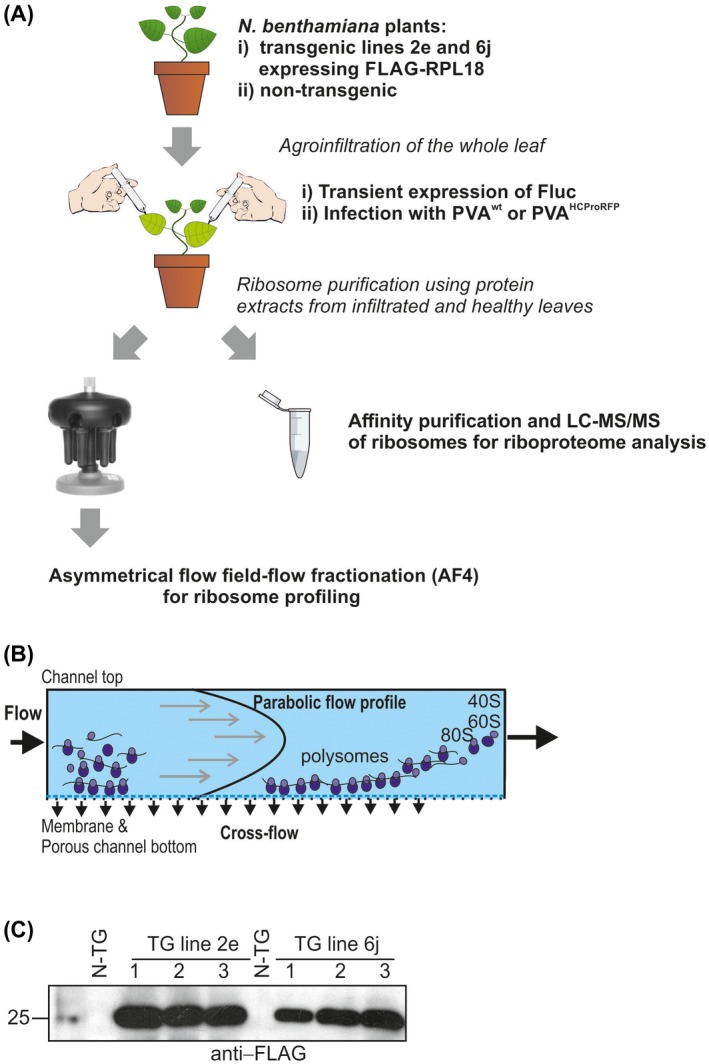
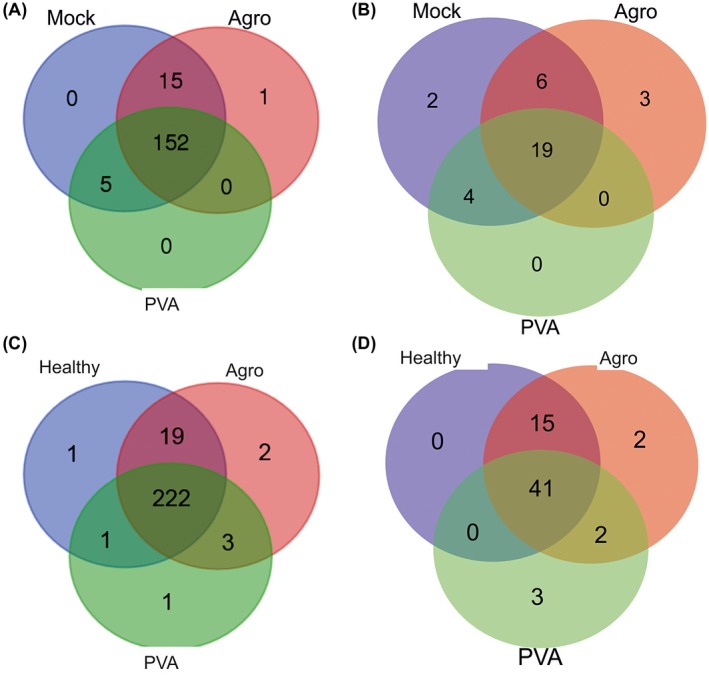
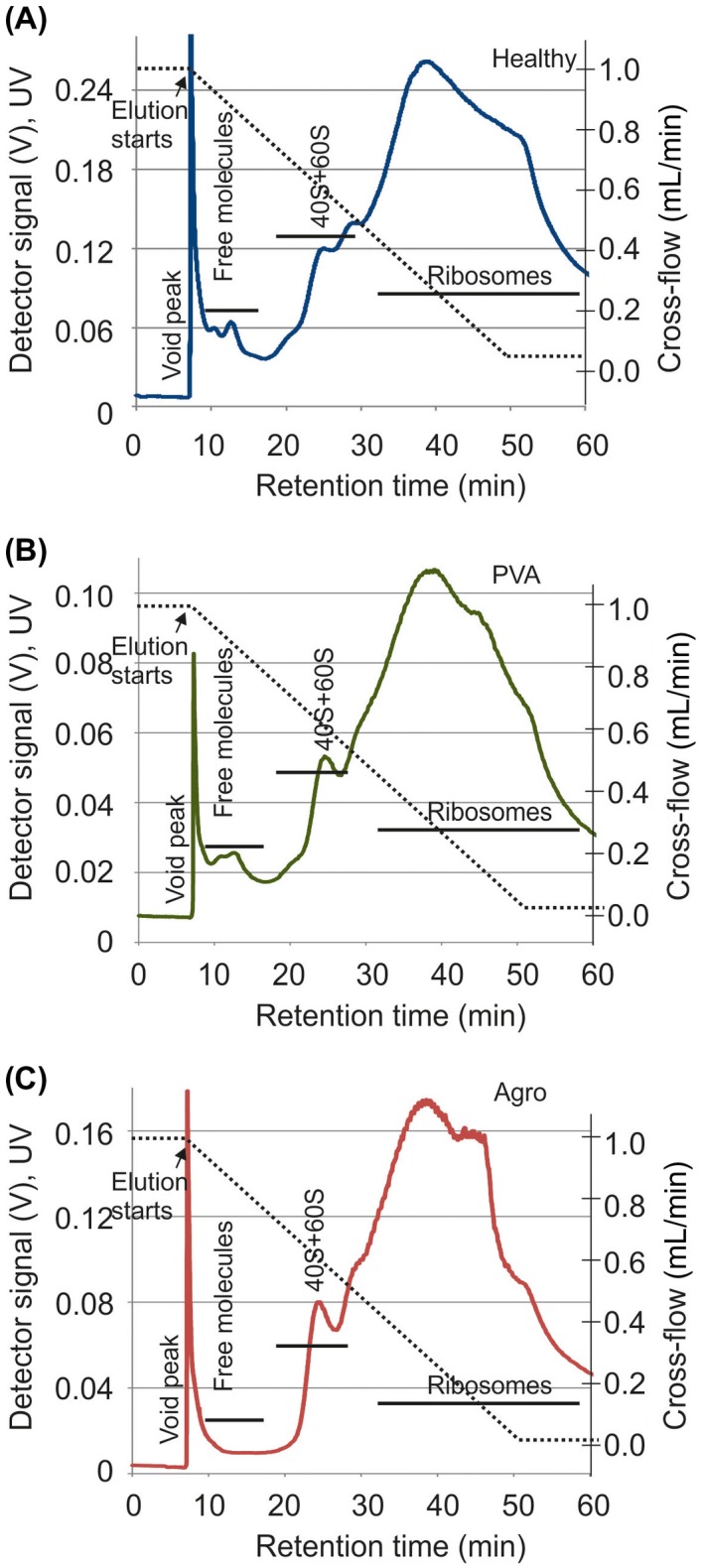
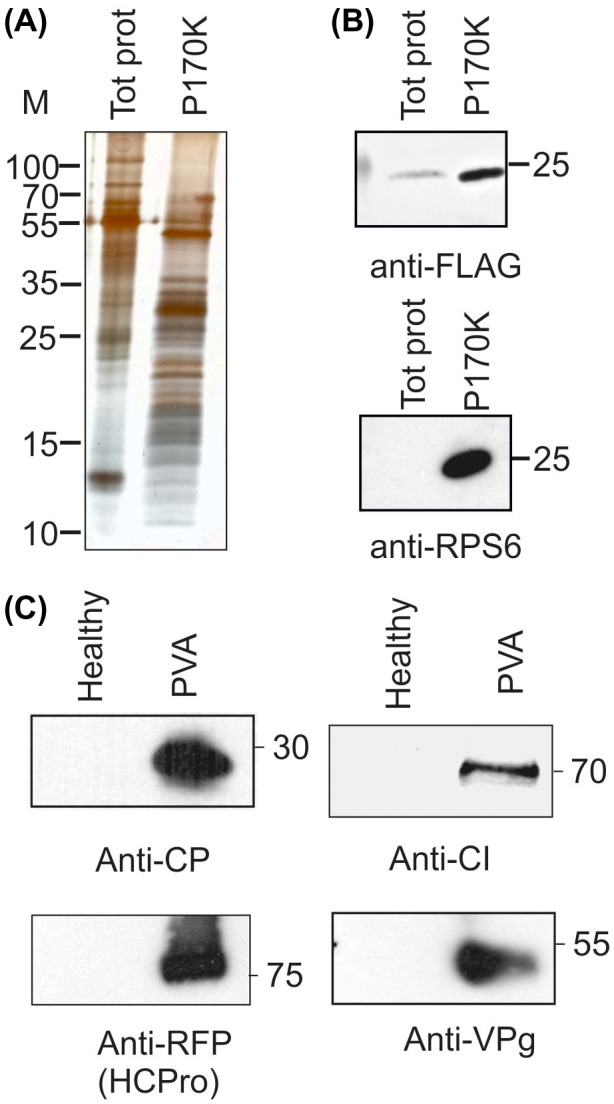
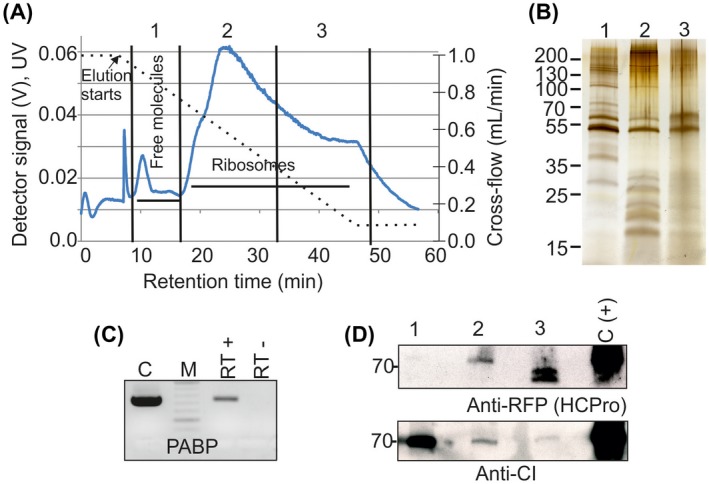
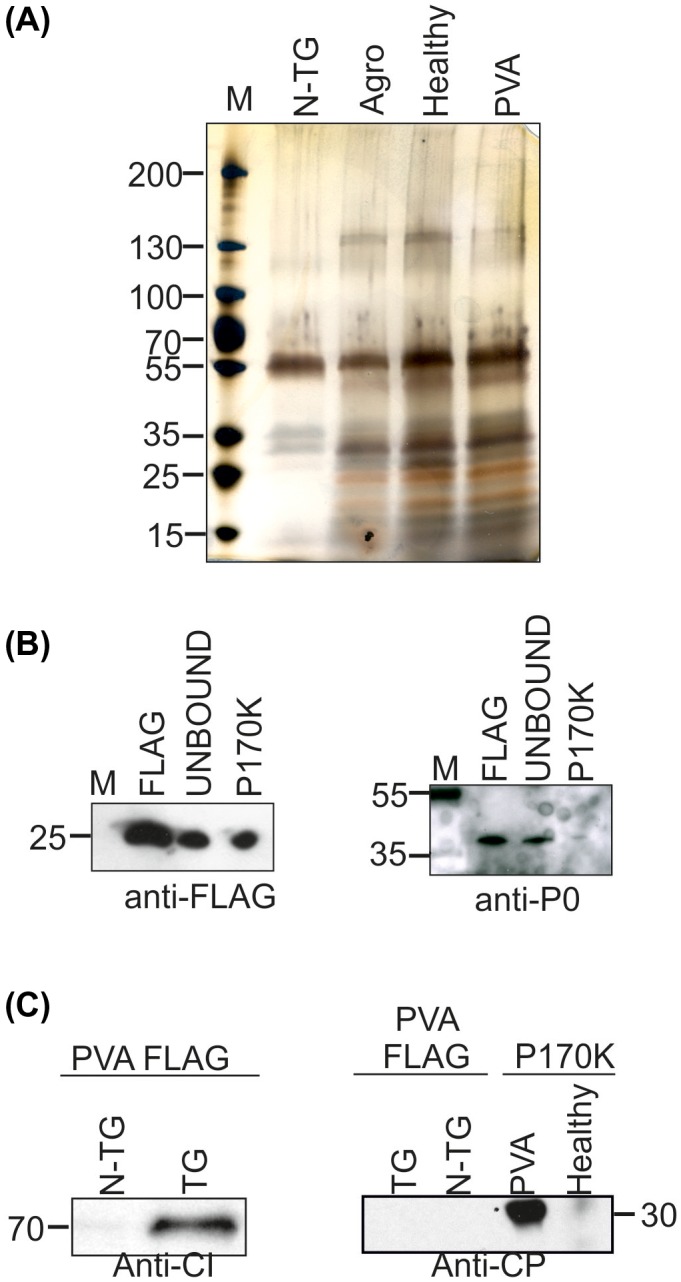
Nicotiana benthamiana is an important model plant for plant-microbe interaction studies. Here, we compared ribosome profiles and riboproteomes of healthy and infected N. benthamiana plants. We affinity purified ribosomes from transgenic leaves expressing a FLAG-tagged ribosomal large subunit protein RPL18B of Arabidopsis thaliana. Purifications were prepared from healthy plants and plants that had been infiltrated with Agrobacterium tumefaciens carrying infectious cDNA of Potato virus A (PVA) or firefly luciferase gene, referred to here as PVA- or Agrobacterium-infected plants, respectively. Plants encode a number of paralogous ribosomal proteins (r-proteins). The N. benthamiana riboproteome revealed approximately 6600 r-protein hits representing 424 distinct r-proteins that were members of 71 of the expected 81 r-protein families. Data are available via ProteomeXchange with identifier PXD011602. The data indicated that N. benthamiana ribosomes are heterogeneous in their r-protein composition. In PVA-infected plants, the number of identified r-protein paralogues was lower than in Agrobacterium-infected or healthy plants. A. tumefaciens proteins did not associate with ribosomes, whereas ribosomes from PVA-infected plants co-purified with viral cylindrical inclusion protein and helper component proteinase, reinforcing their possible role in protein synthesis during virus infection. In addition, viral NIa protease-VPg, RNA polymerase NIb and coat protein were occasionally detected. Infection did not affect the proportions of ribosomal subunits or the monosome to polysome ratio, suggesting that no overall alteration in translational activity took place on infection with these pathogens. The riboproteomic data of healthy and pathogen-infected N. benthamiana will be useful for studies on the specific use of r-protein paralogues to control translation in infected plants.
黄花烟(Nicotiana benthamiana)是研究植物-微生物相互作用的重要模式植物。在这里,我们比较了健康和感染的黄花烟植物的核糖体图谱和核糖体蛋白组。我们从表达拟南芥(Arabidopsis thaliana)FLAG 标记核糖体大亚基蛋白 RPL18B 的转基因叶片中亲和纯化核糖体。从健康植物和用携带马铃薯病毒 A(PVA)或萤火虫荧光素酶基因的根癌农杆菌(Agrobacterium tumefaciens)侵染的植物(分别称为 PVA-或农杆菌侵染的植物)中制备纯化物。植物编码许多核糖体蛋白(r-蛋白)的同源物。黄花烟核糖体蛋白组显示约 6600 个 r-蛋白,代表 424 种不同的 r-蛋白,它们是 81 种预期 r-蛋白家族中的 71 种的成员。数据可通过 ProteomeXchange 以标识符 PXD011602 获得。数据表明,黄花烟核糖体在其 r-蛋白组成上是异质的。在 PVA 感染的植物中,鉴定的 r-蛋白同源物数量低于农杆菌感染或健康植物。根癌农杆菌蛋白与核糖体没有关联,而来自 PVA 感染的植物的核糖体与病毒圆柱形内含蛋白和辅助成分蛋白酶共纯化,这加强了它们在病毒感染期间参与蛋白质合成的可能性。此外,偶尔检测到病毒的 NIa 蛋白酶-VPg、RNA 聚合酶 NIb 和外壳蛋白。感染不会影响核糖体亚基的比例或单核糖体到多核糖体的比例,这表明这些病原体感染不会对翻译活性产生总体影响。健康和病原体感染的黄花烟的核糖体蛋白组数据将有助于研究 r-蛋白同源物在感染植物中控制翻译的特定用途。