Sanchez-Salvador Jose Luis, Balea Ana, Monte M Concepcion, Blanco Angeles, Negro Carlos
Department of Chemical Engineering and Materials, Universidad Complutense de Madrid, Av. Complutense s/n, 28040 Madrid, Spain.
Nanomaterials (Basel). 2018 Oct 30;8(11):883. doi: 10.3390/nano8110883.
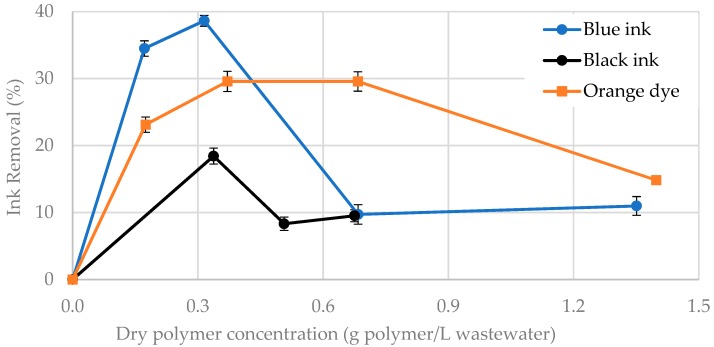
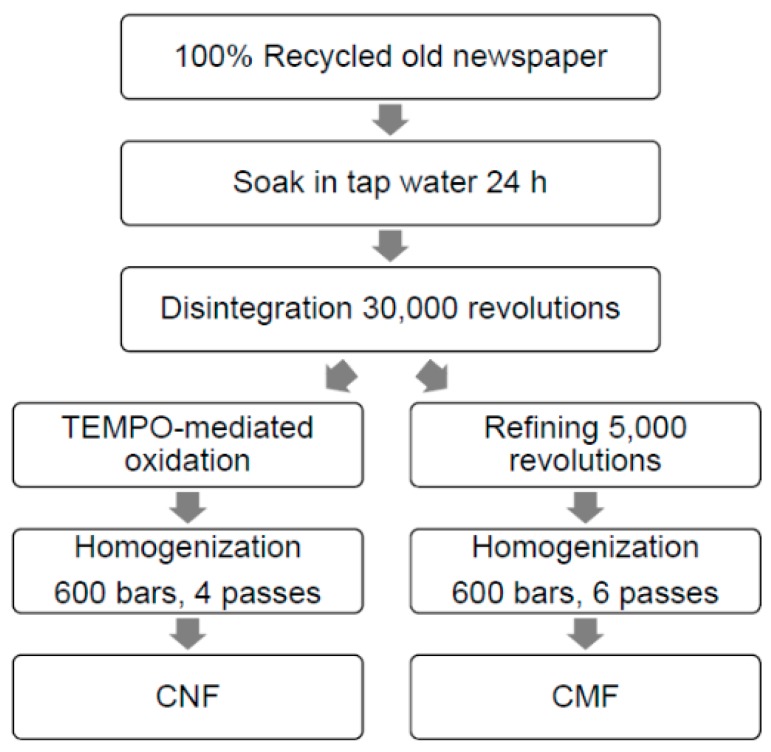
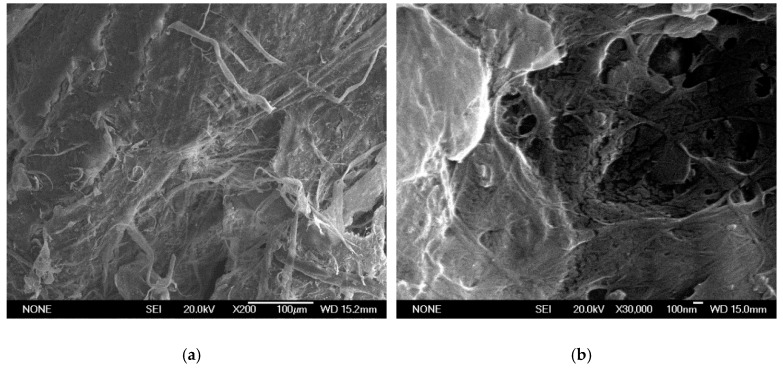
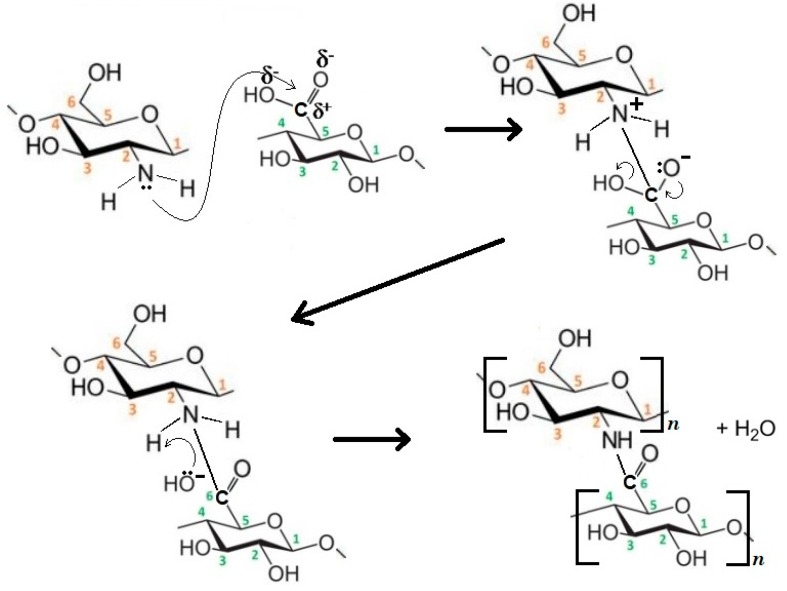
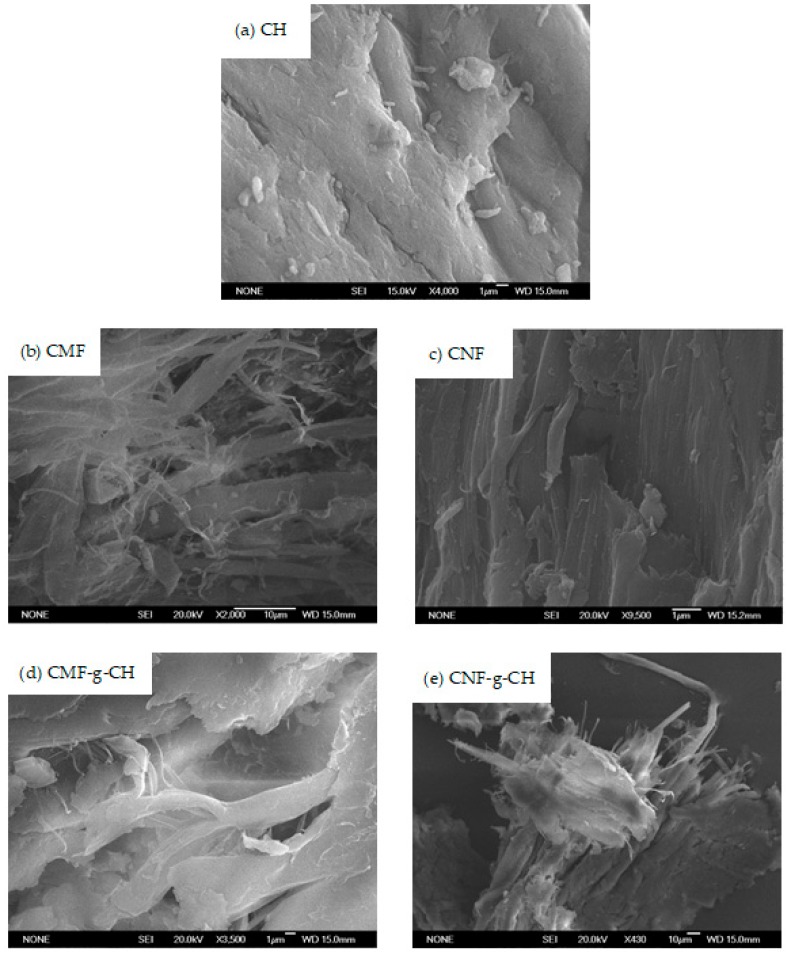
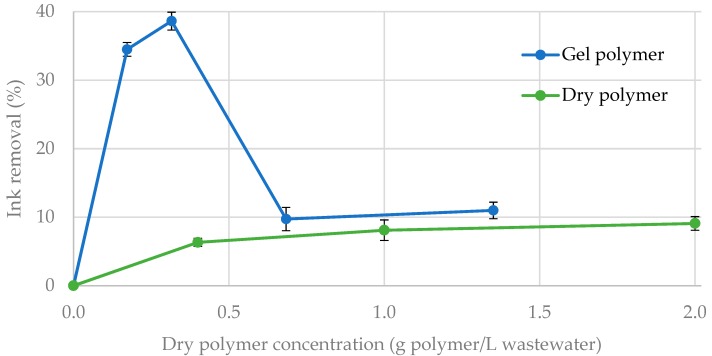
Cellulose and chitin are the most abundant polymeric materials in nature, capable of replacing conventional synthetic polymers. From them, cellulose nano/microfibers (CNFs/CMFs) and chitosan are obtained. Both polymers have been used separately in graft copolymerization but there are not many studies on the use of cellulose and chitosan together as copolymers and the reaction mechanism is unknown. In this work, the reaction mechanism to produce nano/microcellulose-graft-chitosan polymer has been studied. Recycled cellulose pulp was used, with and without a 2,2,6,6-tetramethylpiperidin-1-oxyl-radical (TEMPO)-mediated oxidation pretreatment, to produce CNFs and CMFs, respectively. For chitosan, a low-molecular weight product dissolved in an acetic acid solution was prepared. Grafted polymers were synthesized using a microwave digester. Results showed that TEMPO-mediated oxidation as the cellulose pretreatment is a key factor to obtain the grafted polymer CNF-g-CH. A reaction mechanism has been proposed where the amino group of chitosan attacks the carboxylic group of oxidized cellulose, since non-oxidized CMFs do not achieve the desired grafting. C NMR spectra, elemental analysis and SEM images validated the proposed mechanism. Finally, CNF-g-CH was used as a promising material to remove water-based inks and dyes from wastewater.
纤维素和几丁质是自然界中最丰富的聚合材料,能够替代传统的合成聚合物。从中可获得纤维素纳米/微纤维(CNFs/CMFs)和壳聚糖。这两种聚合物已分别用于接枝共聚,但关于纤维素和壳聚糖作为共聚物一起使用的研究并不多,且反应机理尚不清楚。在这项工作中,对制备纳米/微纤维素接枝壳聚糖聚合物的反应机理进行了研究。分别使用经过和未经2,2,6,6 - 四甲基哌啶 - 1 - 氧基自由基(TEMPO)介导的氧化预处理的再生纤维素浆来制备CNFs和CMFs。对于壳聚糖,制备了溶解在乙酸溶液中的低分子量产物。使用微波消解器合成接枝聚合物。结果表明,TEMPO介导的氧化作为纤维素预处理是获得接枝聚合物CNF - g - CH的关键因素。提出了一种反应机理,即壳聚糖的氨基攻击氧化纤维素的羧基,因为未氧化的CMFs无法实现所需的接枝。碳核磁共振光谱、元素分析和扫描电子显微镜图像验证了所提出的机理。最后,CNF - g - CH被用作一种有前景的材料,用于去除废水中的水性油墨和染料。