Department of Environmental Engineering, College of Environmental Science and Engineering, Shaanxi University of Science and Technology, Xi'an, Shaanxi, China.
PLoS One. 2018 Nov 1;13(11):e0205990. doi: 10.1371/journal.pone.0205990. eCollection 2018.
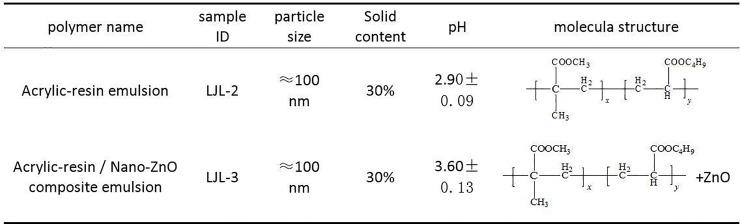
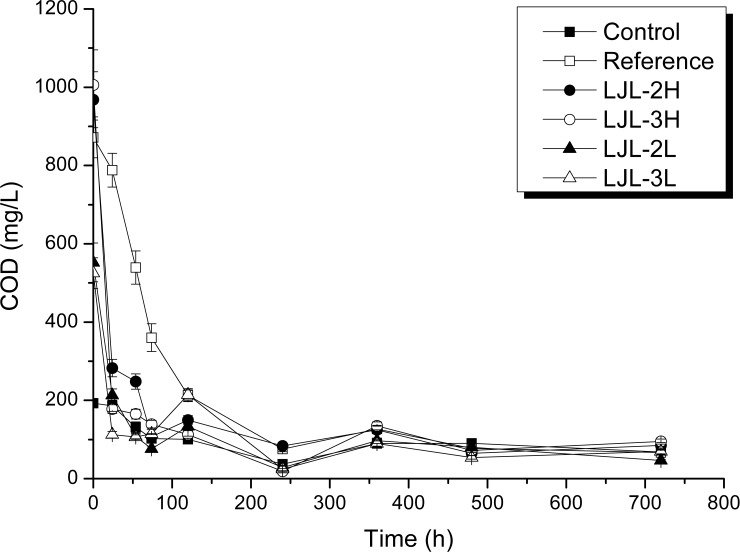
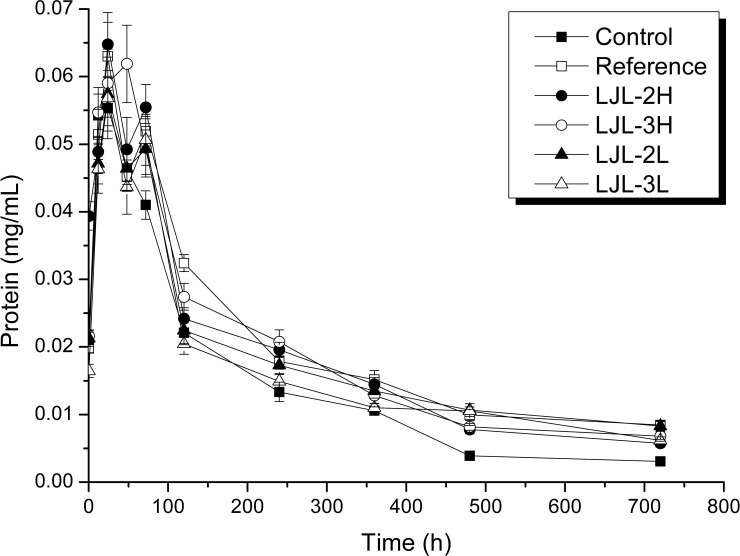
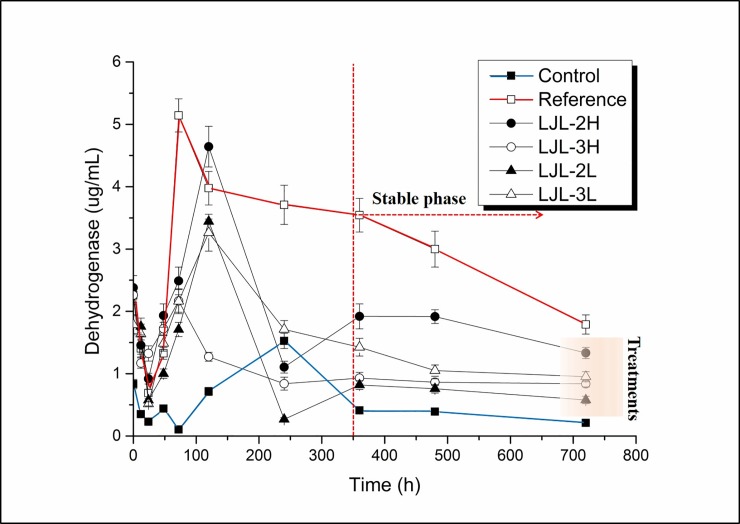
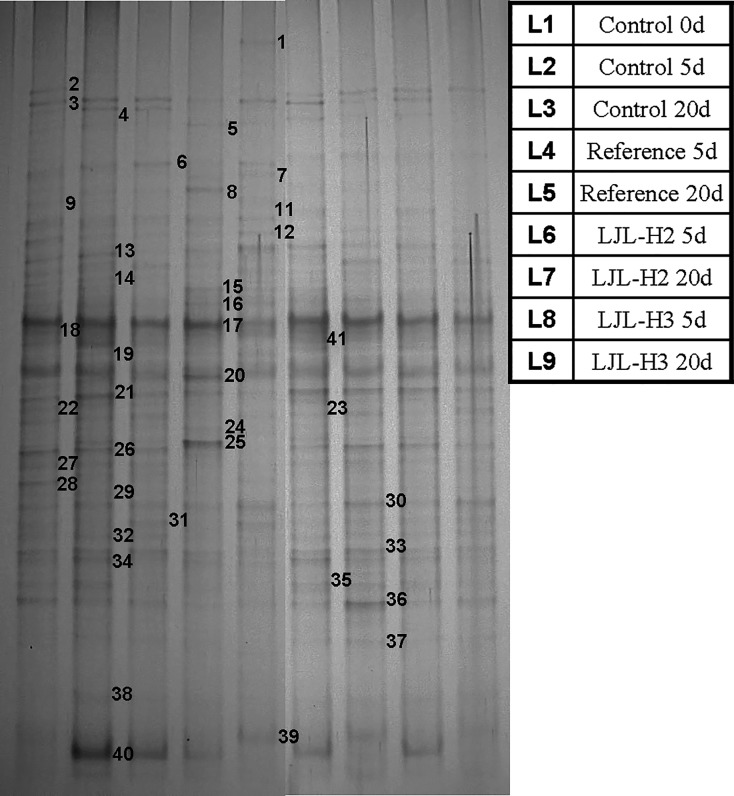
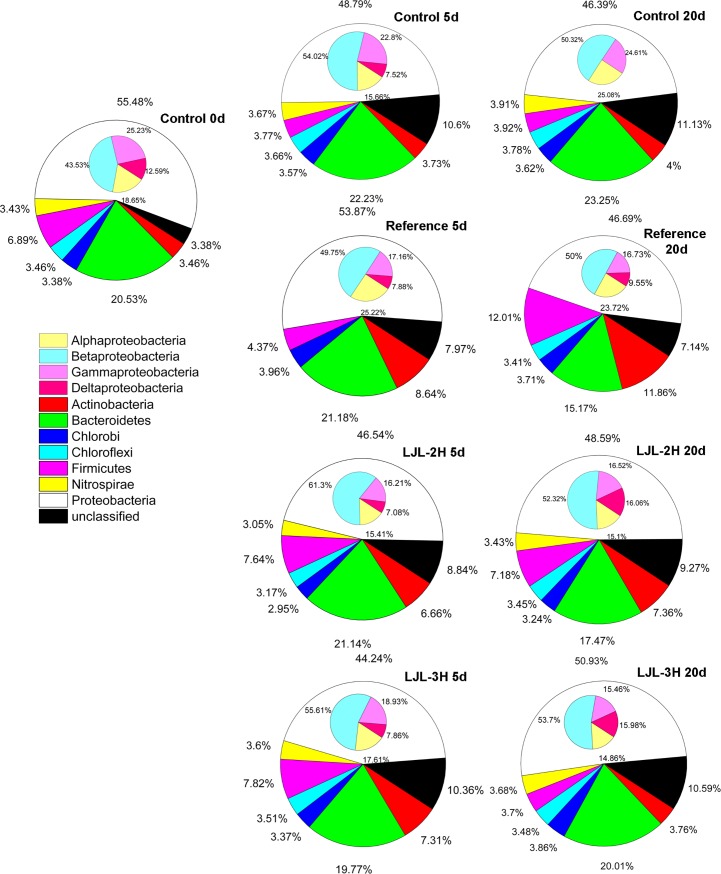
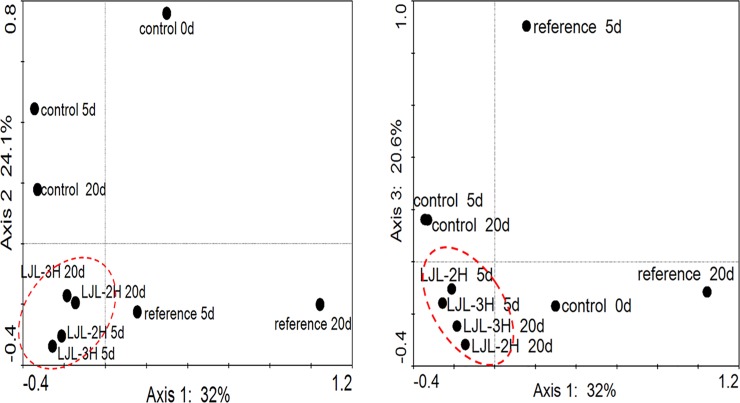
Polymer nanocomposites have been widely used in the preparation of coating agents in the leather industry. Considering the complex bio-effect and ecological risk of nanomaterial, research on the biodegradability and biocompatibility of polyacrylate/metal nanocomposites in activated sludge system is of specific significance. We investigated the change of the bacterial community and diversity of activated sludge fed with polyacrylate/ZnO nanocomposites in both low (500 mg COD /L) and high (1000 mg COD/L) doses. COD removal, dehydrogenase activity, and total protein of activated sludge system were monitored in all treatments over 30 days. The results demonstrated that the exposure to both polyacrylate/ ZnO nanocomposite and polyacrylate decreased the dehydrogenase activity at early stage comparing to the control, but had no significant influence on COD removal. Overall, the bacterial communities in activated sludge were resistant to polyacrylate/ZnO nanocomposites, and had higher levels of metabolic activity, protein accumulation and bioavailability when exposed to these chemicals comparing to the control especially at later stages of incubation (15-30 days), which indicated that these polyacrylate/ZnO nanocomposites of certain amount were biocompatible to activated sludge system.
聚合物纳米复合材料已广泛应用于皮革工业涂料剂的制备。考虑到纳米材料复杂的生物效应和生态风险,研究聚丙烯酸酯/金属纳米复合材料在活性污泥系统中的生物降解性和生物相容性具有特殊意义。我们研究了在低(500 mg COD/L)和高(1000 mg COD/L)剂量下,用聚丙烯酸酯/ZnO 纳米复合材料喂养时,活性污泥中细菌群落和多样性的变化。在所有处理中,在 30 天内监测了活性污泥系统的 COD 去除率、脱氢酶活性和总蛋白。结果表明,与对照相比,暴露于聚丙烯酸酯/ZnO 纳米复合材料和聚丙烯酸酯早期会降低脱氢酶活性,但对 COD 去除率没有显著影响。总的来说,活性污泥中的细菌群落对聚丙烯酸酯/ZnO 纳米复合材料具有抗性,与对照相比,当暴露于这些化学物质时,具有更高水平的代谢活性、蛋白质积累和生物利用度,尤其是在孵育后期(15-30 天),这表明一定量的这些聚丙烯酸酯/ZnO 纳米复合材料对活性污泥系统是生物相容的。