Department of Chemistry, Massachusetts Institute of Technology, 77 Massachusetts Avenue, Cambridge, MA, 02139, USA.
The Skaggs Institute for Chemical Biology and Department of Molecular Medicine, The Scripps Research Institute, La Jolla, CA, 92037, USA.
Angew Chem Int Ed Engl. 2019 Apr 1;58(15):4810-4839. doi: 10.1002/anie.201806009. Epub 2019 Feb 15.
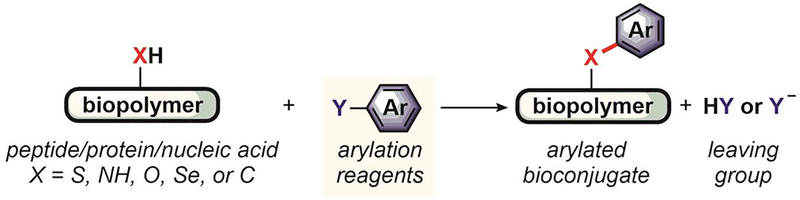
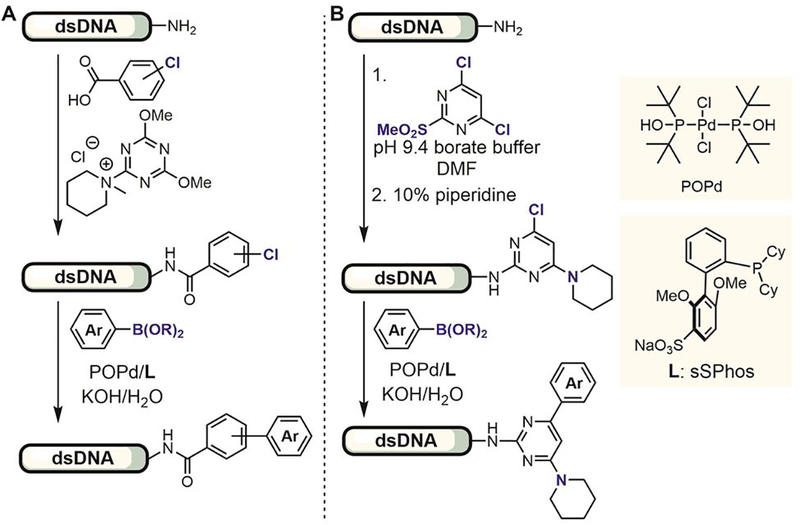
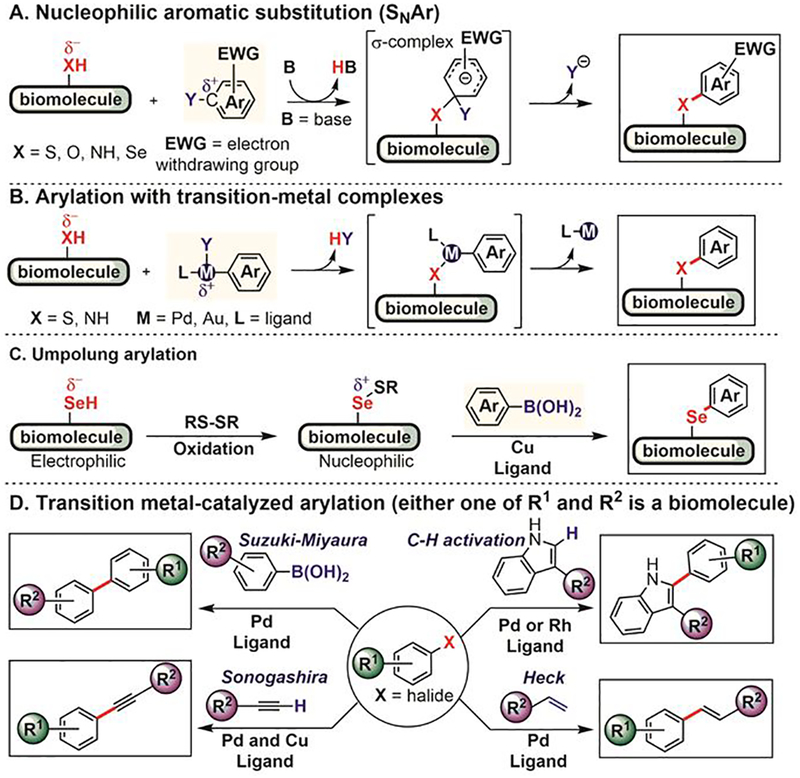
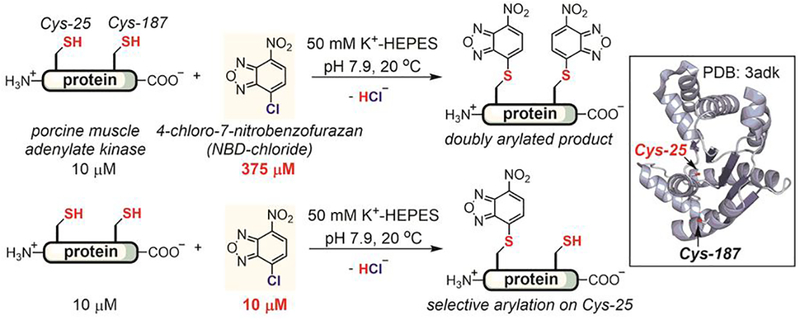
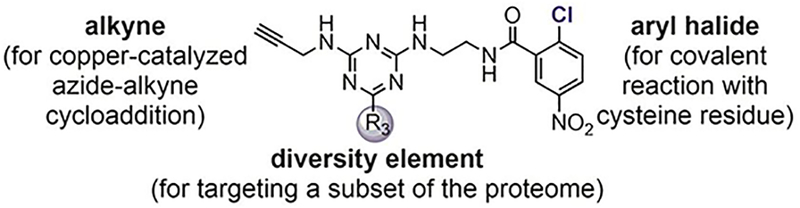
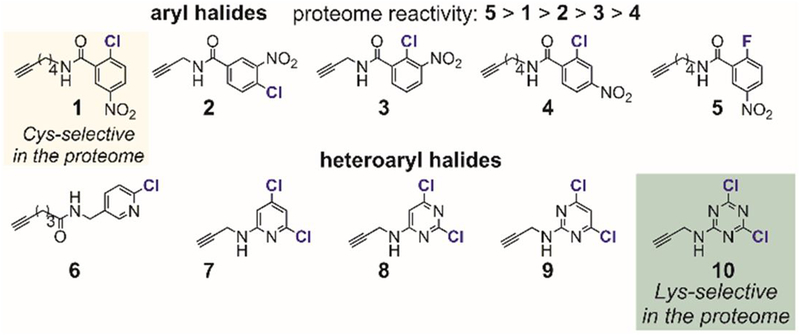
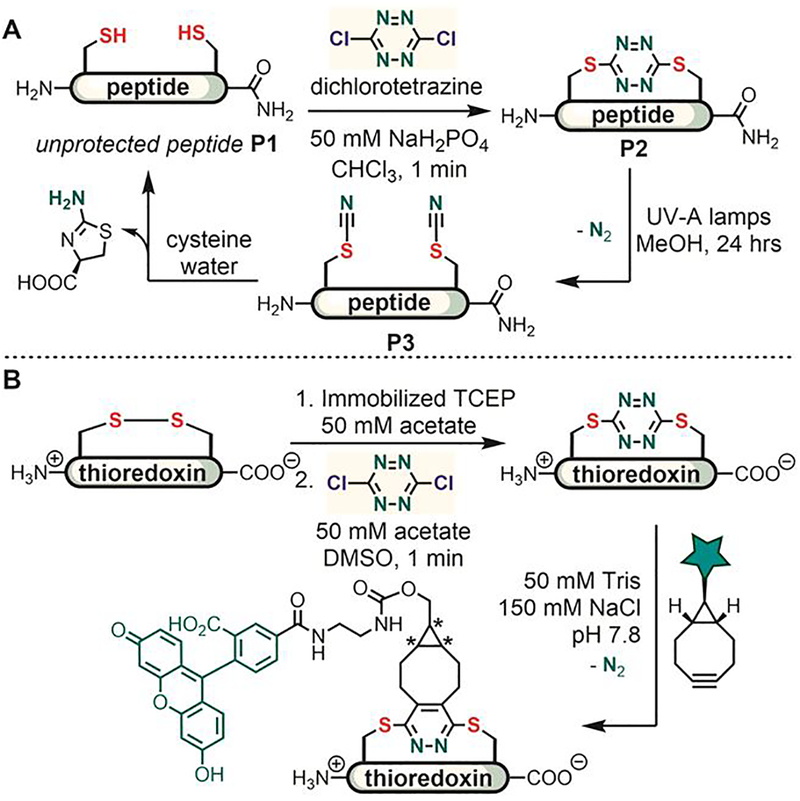
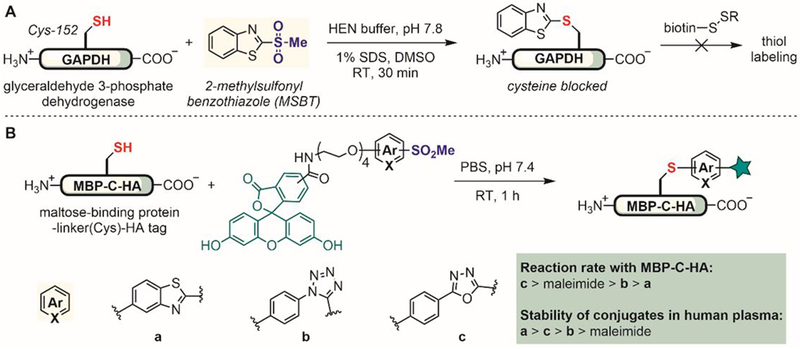
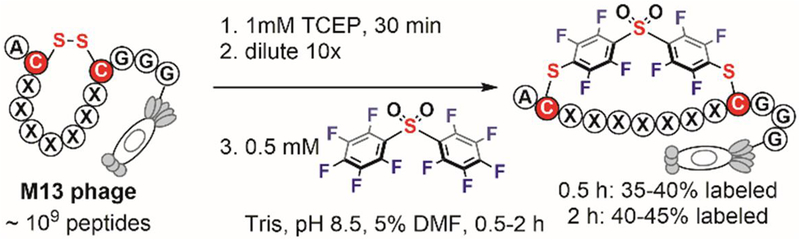
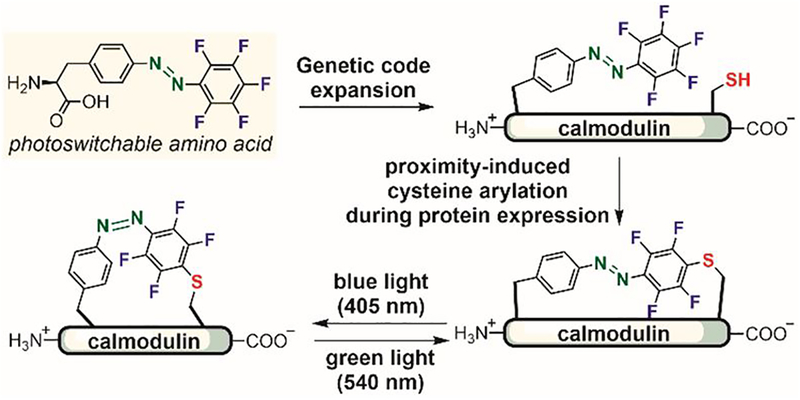
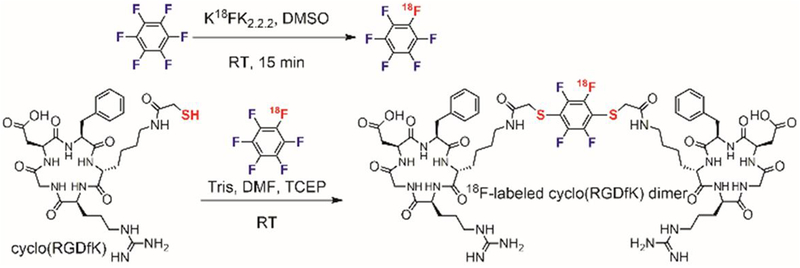
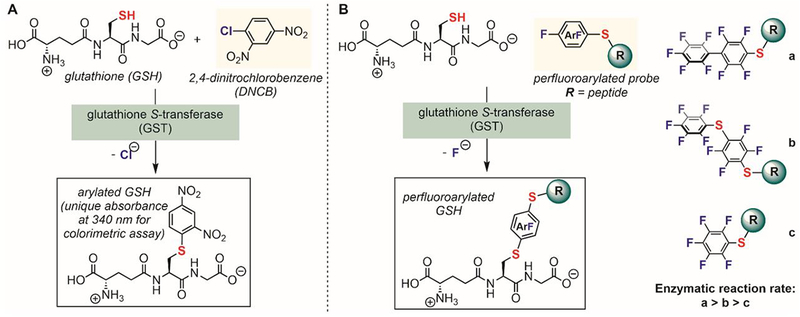
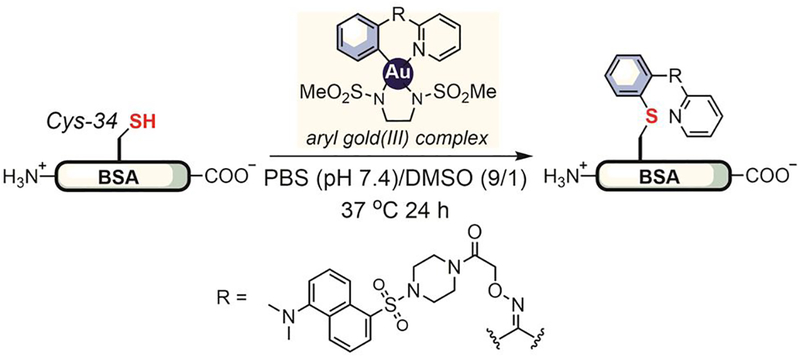
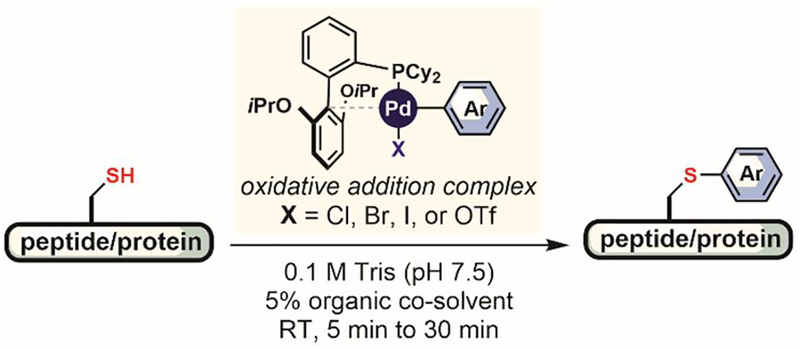
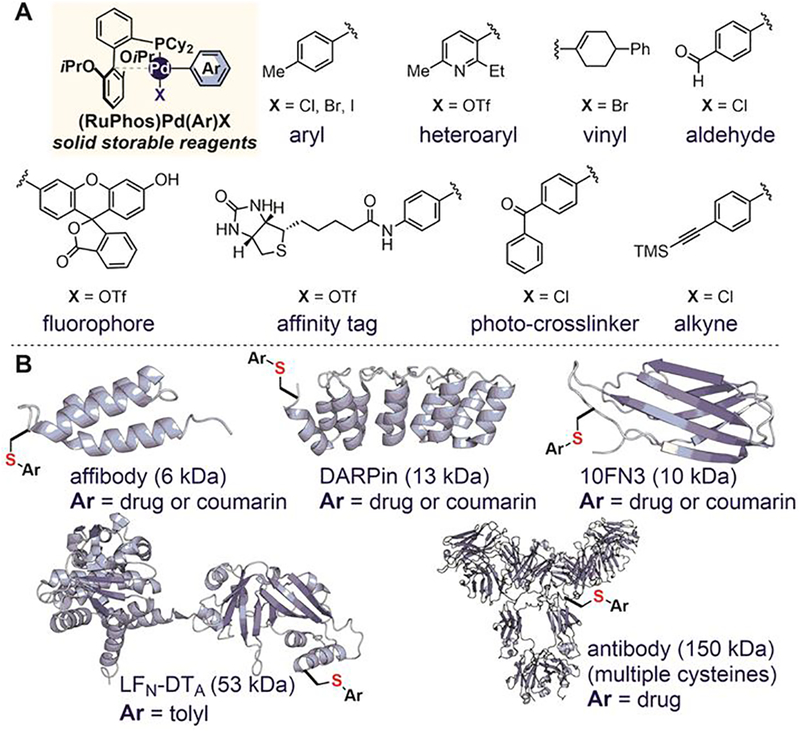
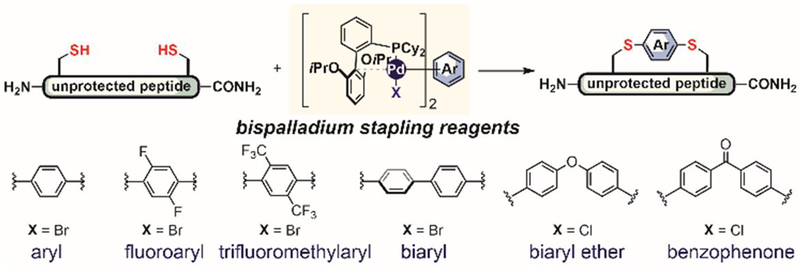
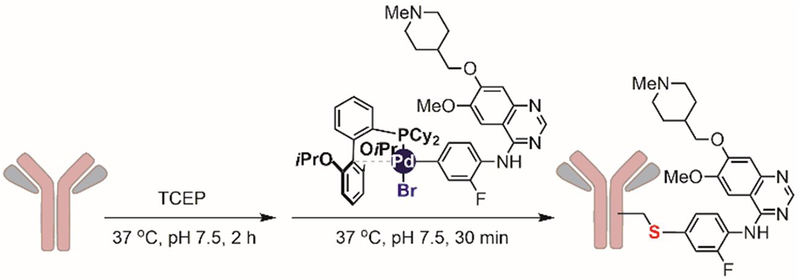
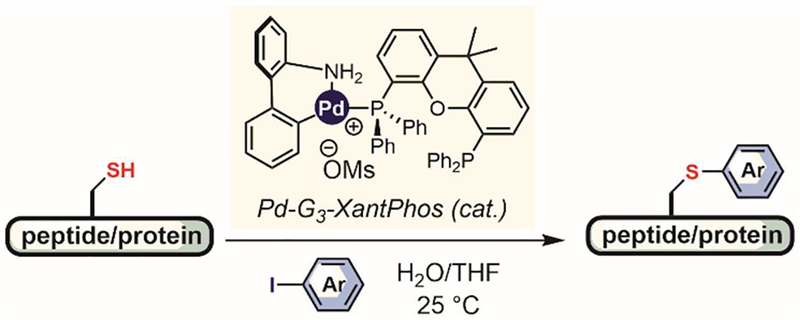
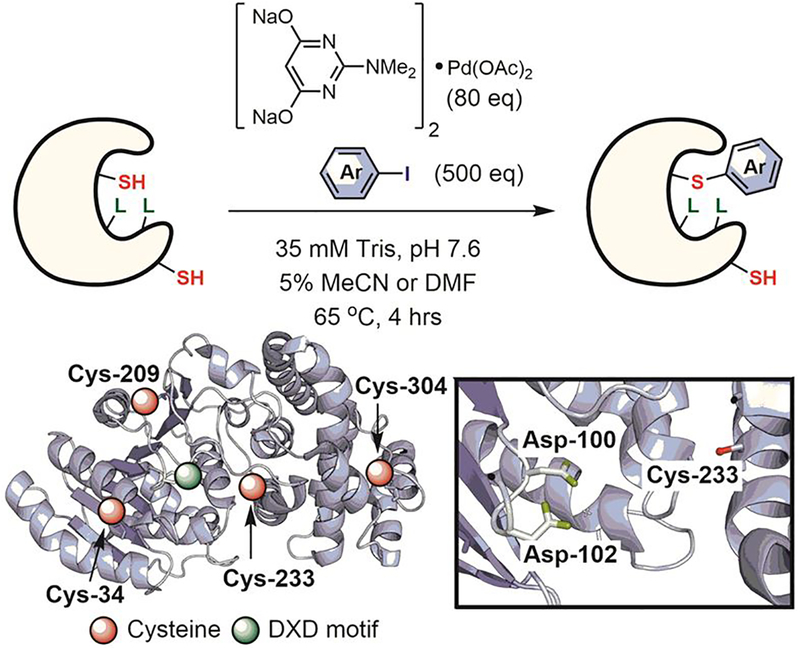
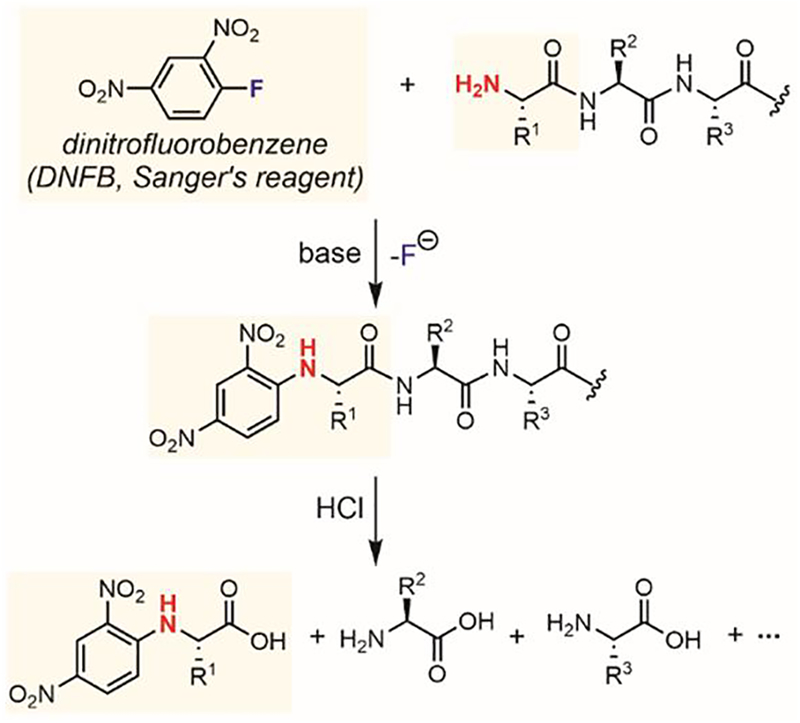
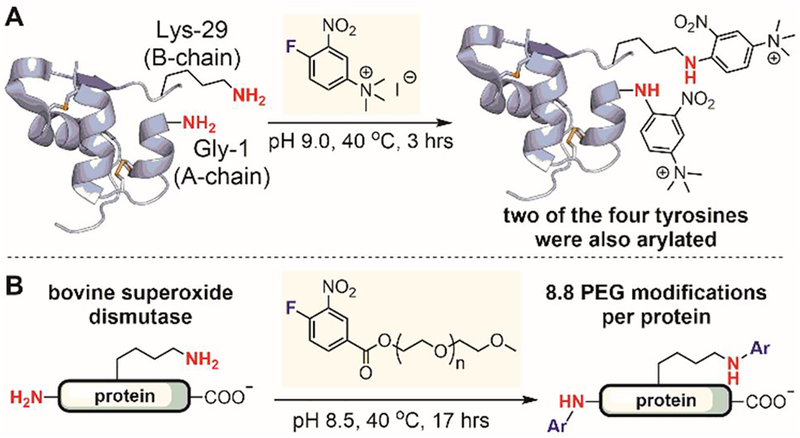
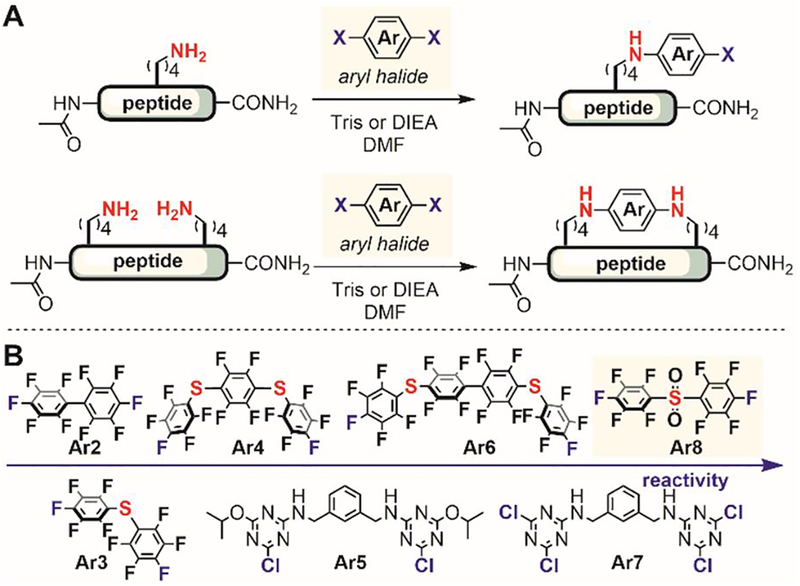
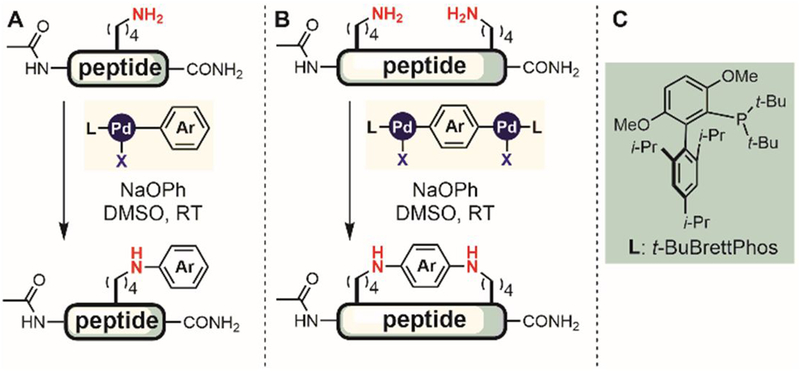
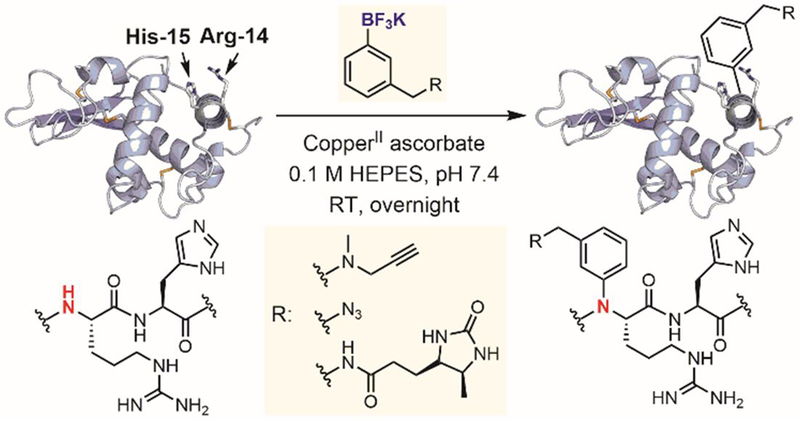
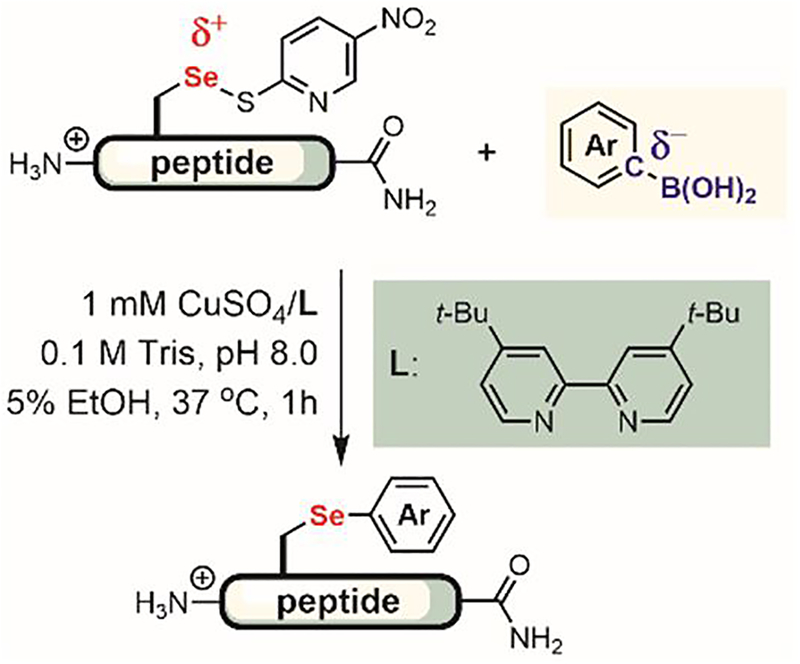
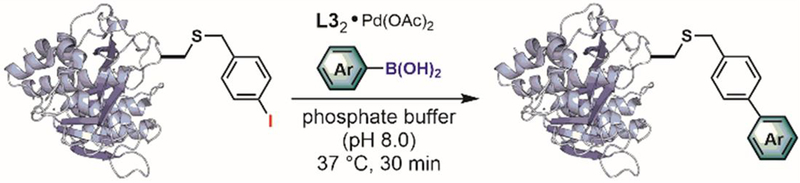
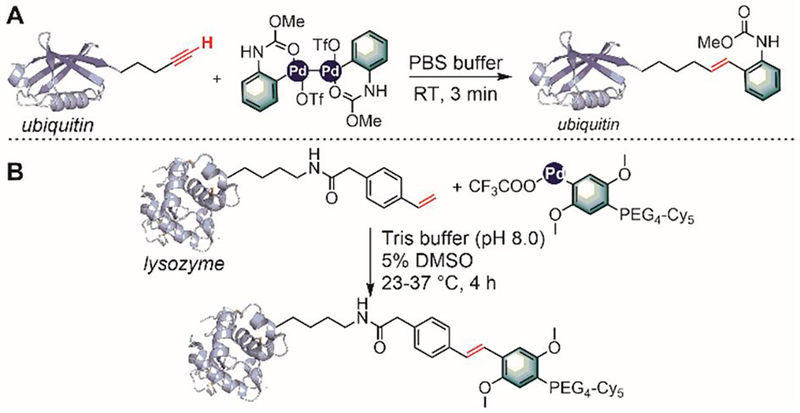
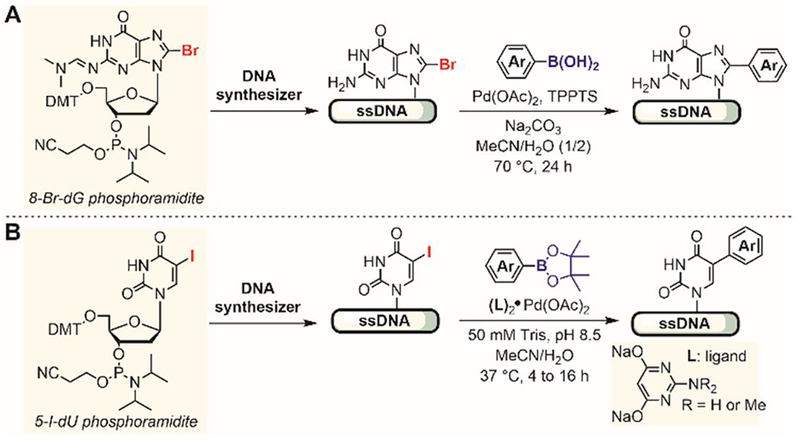
Bioconjugation chemistry has been used to prepare modified biomolecules with functions beyond what nature intended. Central to these techniques is the development of highly efficient and selective bioconjugation reactions that operate under mild, biomolecule compatible conditions. Methods that form a nucleophile-sp carbon bond show promise for creating bioconjugates with new modifications, sometimes resulting in molecules with unparalleled functions. Here we outline and review sulfur, nitrogen, selenium, oxygen, and carbon arylative bioconjugation strategies and their applications to modify peptides, proteins, sugars, and nucleic acids.
生物共轭化学被用于制备具有超出自然预期功能的修饰生物分子。这些技术的核心是开发高效和选择性的生物共轭反应,这些反应在温和的、与生物分子相容的条件下进行。形成亲核试剂-碳键的方法显示出在生物共轭物中引入新修饰的潜力,有时会产生具有无与伦比功能的分子。在这里,我们概述并回顾了硫、氮、硒、氧和碳芳基化生物共轭策略及其在修饰肽、蛋白质、糖和核酸中的应用。