
分子过敏诊断测试:临床实践中的发展与相关性
Molecular allergy diagnostic tests: development and relevance in clinical practice.
作者信息
Kleine-Tebbe J, Jappe U
机构信息
Allergie- und Asthma-Zentrum Westend, Praxis Hanf, Ackermann und Kleine-Tebbe, Berlin.
Forschungsgruppe Klinische und Molekulare Allergologie, Forschungszentrum Borstel, Deutsches Zentrum für Lungenforschung, and.
出版信息
Allergol Select. 2017 Aug 4;1(2):169-189. doi: 10.5414/ALX01617E. eCollection 2017.
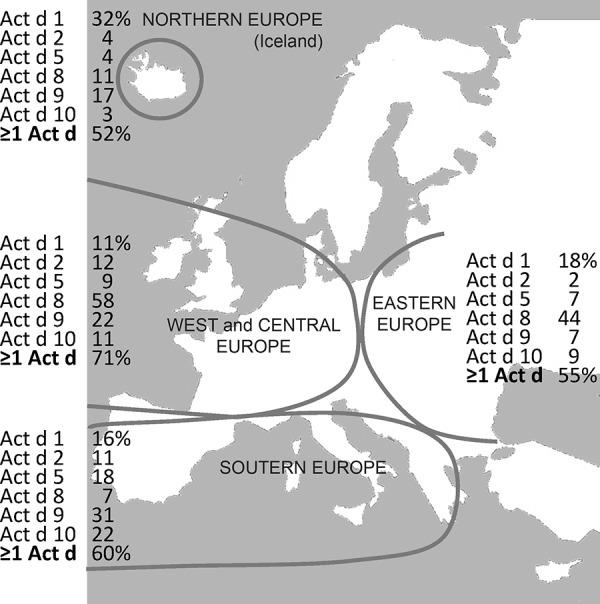
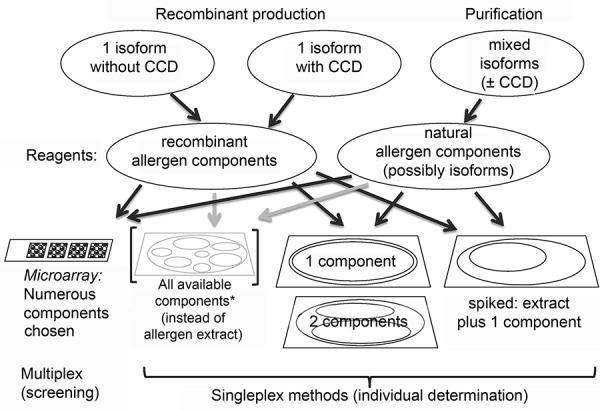
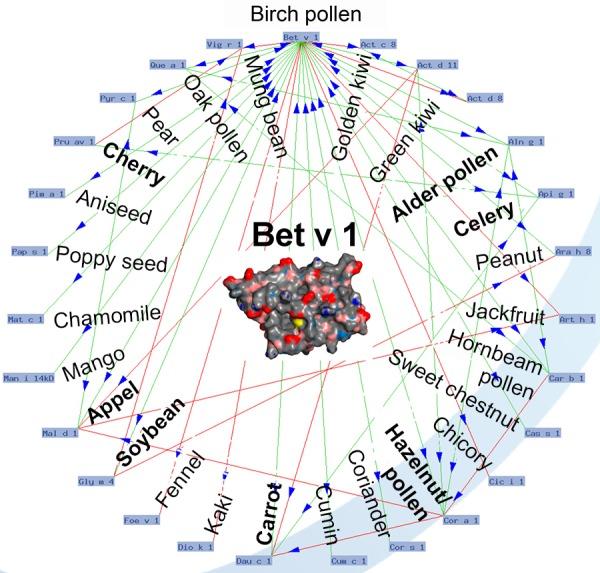
Molecular allergy is based on identification, characterization and subsequent use of single allergens, being components of complex allergen sources like pollen, mites, furred animals, foods or insect venoms. Only few protein families contain relevant allergens of similar sequence and structure, carrying common IgE epitopes as the basis of cross reactivity. Used as purified or recombinant (glyco)proteins single allergens can potentially improve in-vitro diagnostics, particularly allergen-specific IgE assays through a) increased sensitivity, b) use of risk and marker allergens, c) component-resolved diagnostics (CRD). CRD can differentiate primary, species-specific from secondary, cross-reactive sensitizations to single allergens. Allergen components facilitate an increased analytical sensitivity, particularly if they are underrepresented or missing in conventional allergen extracts. They are mainly used in single assays (singleplex) for the detection of IgE, but also in a microarray format (multiplex) with 112 components from 50 allergen sources with slightly decreased analytical sensitivity. Concepts of molecular allergy can only be separately defined and utilized for each allergen source (pollen, mites, foods or insect venoms). As soon as essential singe allergens are available, their specific role in diagnostics should be defined. This requires well characterized patient cohorts from various countries, since exposure, allergic immune response and clinical relevance can vary substantially between individual subjects and geographical regions. The patient's clinical information is essential for proper interpretation of molecular allergology results. The history and/or challenge test results will finally provide evidence, in how far a sensitization to single allergens might be clinically relevant or not.
分子过敏学基于对单一过敏原的识别、表征及后续应用,这些单一过敏原是花粉、螨虫、带毛动物、食物或昆虫毒液等复杂过敏原来源的组成成分。只有少数蛋白质家族含有序列和结构相似的相关过敏原,携带共同的IgE表位作为交叉反应性的基础。作为纯化或重组(糖基化)蛋白使用的单一过敏原可能会改善体外诊断,特别是过敏原特异性IgE检测,具体体现在:a)提高灵敏度;b)使用风险和标记过敏原;c)成分分辨诊断(CRD)。CRD可以区分对单一过敏原的原发性、物种特异性致敏与继发性、交叉反应性致敏。过敏原成分有助于提高分析灵敏度,特别是当它们在传统过敏原提取物中含量不足或缺失时。它们主要用于单一检测(单重)以检测IgE,也可用于微阵列形式(多重),包含来自50种过敏原来源的112种成分,不过分析灵敏度略有下降。分子过敏学的概念只能针对每种过敏原来源(花粉、螨虫、食物或昆虫毒液)分别定义和应用。一旦获得关键的单一过敏原,就应确定它们在诊断中的具体作用。这需要来自不同国家的特征明确的患者队列,因为个体受试者和地理区域之间的暴露情况、过敏免疫反应和临床相关性可能有很大差异。患者的临床信息对于正确解读分子过敏学结果至关重要。病史和/或激发试验结果最终将提供证据,证明对单一过敏原的致敏在多大程度上可能具有临床相关性。



 Zotero 插件