Foster Mitchell T, Harishchandra Lalgudi Srinivasan, Mallucci Conor
Department of Neurosurgery, Alder Hey NHS Foundation Trust, Liverpool, United Kingdom.
Front Pediatr. 2018 Nov 1;6:309. doi: 10.3389/fped.2018.00309. eCollection 2018.
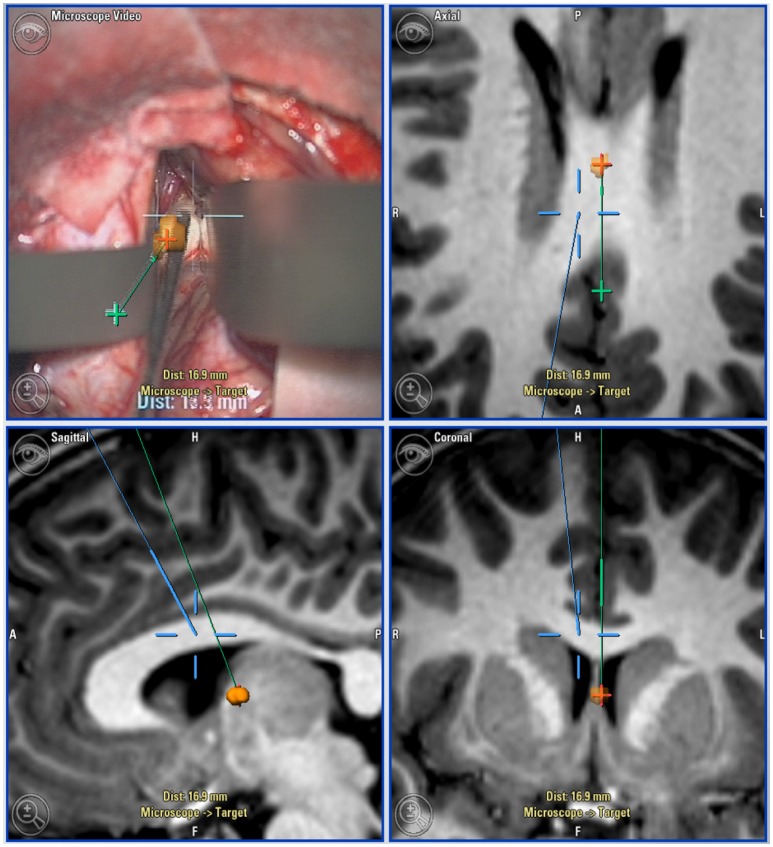
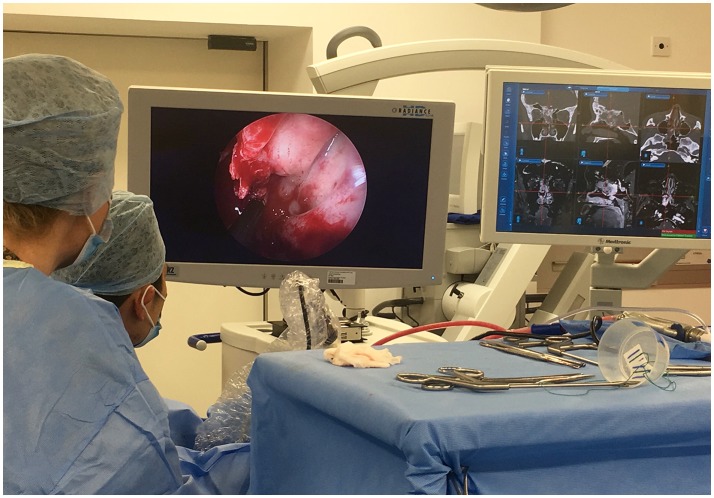
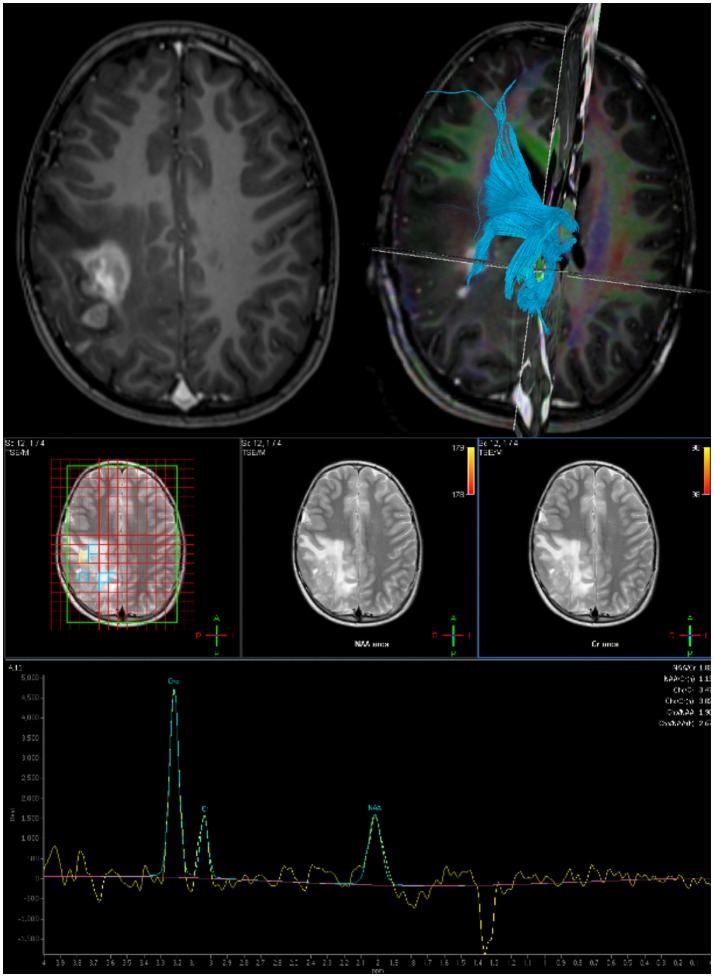
Pediatric neuro-oncology surgery continues to progress in sophistication, largely driven by advances in technology used to aid the following aspects of surgery: operative planning (advanced MRI techniques including fMRI and DTI), intraoperative navigation [preoperative MRI, intra-operative MRI (ioMRI) and intra-operative ultrasound (ioUS)], tumor visualization (microscopy, endoscopy, fluorescence), tumor resection techniques (ultrasonic aspirator, micro-instruments, micro-endoscopic instruments), delineation of the resection extent (ioMRI, ioUS, and fluorescence), and intraoperative safety (neurophysiological monitoring, ioMRI). This article discusses the aforementioned technological advances, and their multimodal use to optimize safe pediatric neuro-oncology surgery.
小儿神经肿瘤手术在复杂性方面不断取得进展,这在很大程度上得益于用于辅助手术以下几个方面的技术进步:手术规划(包括功能磁共振成像和弥散张量成像在内的先进磁共振成像技术)、术中导航(术前磁共振成像、术中磁共振成像和术中超声)、肿瘤可视化(显微镜、内窥镜、荧光)、肿瘤切除技术(超声吸引器、显微器械、微型内窥镜器械)、切除范围的界定(术中磁共振成像、术中超声和荧光)以及术中安全性(神经生理监测、术中磁共振成像)。本文讨论了上述技术进步及其多模式应用,以优化小儿神经肿瘤安全手术。